Quick Reference
Cowboy Action Shooting

The Colt Model 1873 Single Action Army — the revolver that defined Cowboy Action Shooting and remains the competition standard today.
No machine-readable author provided. Hmaag assumed (based on copyright claims). (CC BY-SA 3.0)
| Time & Effort | |
|---|---|
Read Time | 11 min read |
Equipment Needed | |
| |
| Prerequisites | |
| |
Safety | |
| |
Key Takeaways | |
| |
Organization | |
| Single Action Shooting Society (SASS) | |
| Divisions | |
TraditionalWild Bunch ActionNCOWS (historical accuracy)Mounted ShootingLong RangeFast Draw | |
Related Topics | |
| |
Cowboy Action Shooting
Handbook article
From The Boise Gun Club Handbook
Cowboy Action Shooting lets you shoot the guns your great-grandfather carried while dressed like you stepped out of a Clint Eastwood movie--and it's one of the few shooting sports where going fast matters less than looking good doing it.
- What you need: Two single-action revolvers, lever rifle, shotgun, and period costume
- Time commitment: 4-6 hours for a typical match, usually monthly
- Entry cost: $3,000-4,000 to get properly equipped, then $25-50 per match
This isn't just target shooting with extra steps. You're engaging multiple targets with different guns while moving through Old West scenarios, all while the timer's running. Think of it as tactical shooting's theatrical cousin.
How It Worksedit
A typical match runs six stages, each one telling a story. Maybe you're defending the bank from outlaws, or clearing snakes out of the bunkhouse. Each stage gives you a specific shooting sequence--usually starting with your rifle, transitioning to pistols, then finishing with the shotgun.
Typical Cowboy Action Shooting stage sequence
The timer starts when you draw your first gun and stops when your last target falls. Pistol targets sit at 7-10 yards, rifle targets out to 16 yards, shotgun plates within 16 yards. Miss a target, add five seconds. Shoot out of sequence or break a safety rule, add ten seconds or get disqualified.
What makes this different from other shooting sports is the complete package. Your shooting alias becomes your identity--mine's been "Deadwood Dick" for fifteen years. Your costume has to be authentic to the 1800s, and yes, people will notice if your boots are wrong.
Your shooting alias becomes your identity--authenticity extends far beyond just the firearms to encompass the complete Old West persona.
The Single Action Shooting Society (SASS) runs the show, with over 100,000 members worldwide. Started in the 1980s by a group of California shooters who wanted to use their Colt reproductions for something more interesting than punching paper.
Evolution of the Single Action Shooting Society
The Guns You'll Neededit
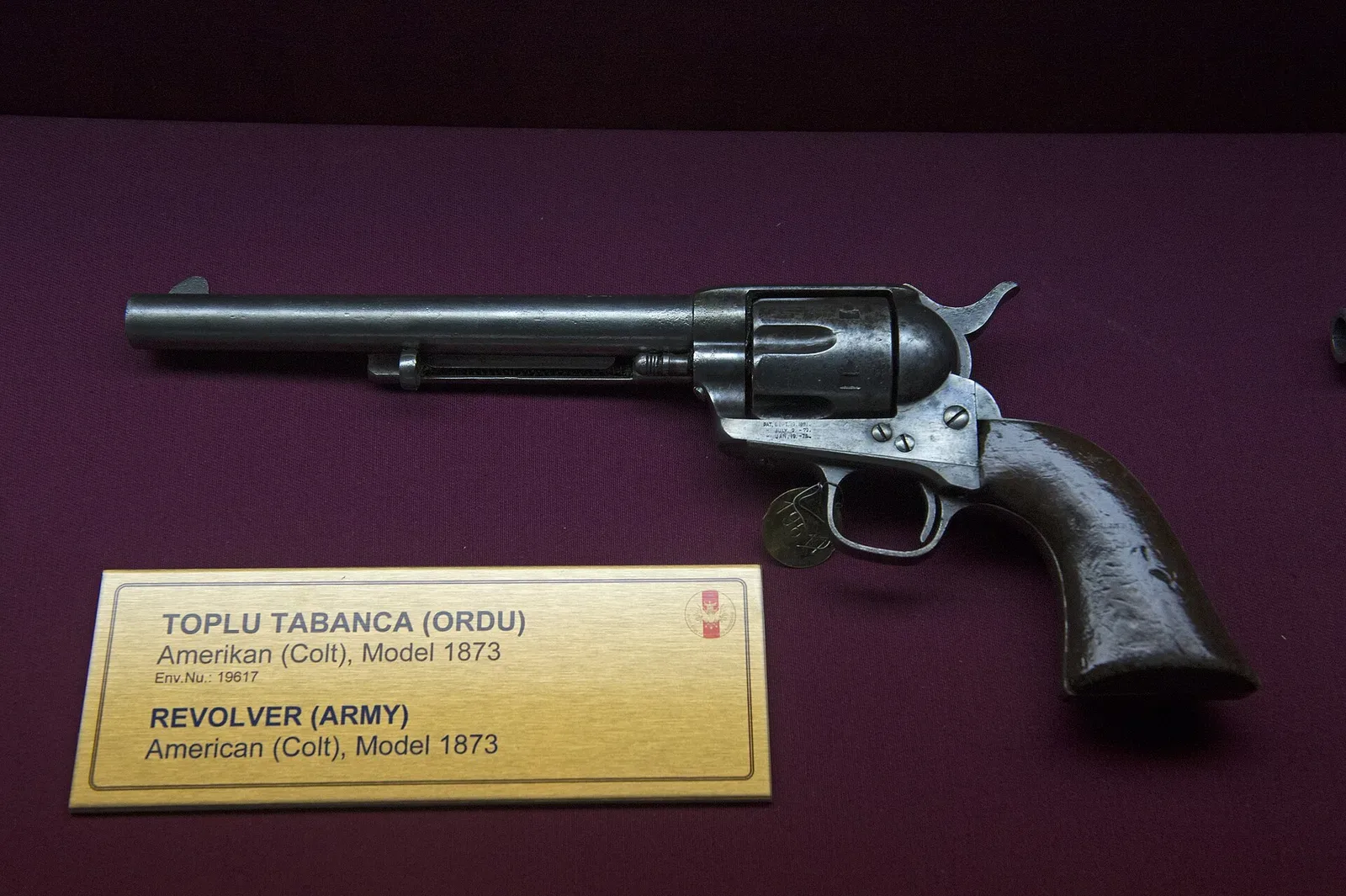
You need four firearms: two matching single-action revolvers, a lever-action rifle in the same caliber as your pistols, and a period-appropriate shotgun. Most newcomers start with .38 Special/.357 Magnum--mild to shoot, easy to reload, and works in everything.
| Firearm Type | Budget Option | Price | Premium Option | Price |
|---|---|---|---|---|
| Single-Action Revolvers | Pietta/Uberti 1873 | $400-600 each | Custom Colts | $1,200-2,000+ each |
| Lever-Action Rifle | Rossi 92 | $800-1,200 | Winchester 1873 | $1,600-2,400 |
| Shotgun | Stoeger Coach Gun | $350-450 | Custom Doubles | $1,500+ |
| Leather Holster Rig | Basic Set | $300-500 | Custom Tooled | $800-1,200 |
| Total Equipment Cost | Budget Setup | $2,650-3,950 | Premium Setup | $6,300-9,000+ |
Revolvers and Caliber Selection
For revolvers, Italian reproductions from Pietta or Uberti give you the most bang for your buck at $400-600 each. They're faithful copies of Colt 1873s and Remington 1875s, and they'll run reliably right out of the box.
Serious competitors get action jobs done for smoother trigger pulls, but that's a $200-500 upgrade you don't need starting out.
Rifles and Long Guns
Lever rifles are where you'll spend real money. A Rossi 92 runs $800-1,200 and handles the workload fine. Winchester 1873s and Marlin Cowboy Limiteds cost twice as much but feel like precision instruments. The rifle has to be tube-fed and in a pistol caliber--no scoped hunting rifles allowed.
Shotguns need to be side-by-side doubles or single-shots with external hammers. The Stoeger Coach Gun dominates the budget market at $350-450. Custom doubles from the high-end makers will set you back $1,500 or more, but they break open smoother and balance better.
Leather and Accessories
Don't forget the leather. You need a gun belt and holsters that look like they belong in 1875, not 2025. Figure $300-500 for good leather from makers like Kirkpatrick or Mernickle. The holsters have to hold your guns securely while still allowing a reasonably quick draw.
Rules That Matteredit
Safety Protocols
Safety comes first, period. Break the 180-degree rule (muzzle goes behind the firing line) and you're done for the day. Drop a loaded gun, same result. The community doesn't mess around with this stuff.
| Violation Type | Penalty | Description |
|---|---|---|
| Safety Violations | Disqualification | Breaking 180° rule, dropping loaded gun |
| Procedural Penalties | +10 seconds | Wrong shooting sequence, excess ammo |
| Missed Target | +5 seconds | Per target missed |
| Spirit of Game | Variable | Modern shooting techniques |
Loading and Ammunition Rules
All guns stay unloaded except when you're shooting under a Range Officer's direct supervision. You load exactly what the stage calls for--usually ten rounds per pistol, ten in the rifle, and however many shotgun shells the targets require. Loading more ammunition gets you a procedural penalty.
Shooting Sequence Requirements
The shooting sequences matter. Each stage description tells you exactly which targets to engage and in what order. Shoot the wrong target first, that's ten seconds. Use your rifle on pistol targets, ten seconds. The penalties add up fast.
Modern shooting techniques are discouraged or outright banned depending on your category. No Weaver stance, no thumbs-forward grip, no speed reloads. You're supposed to look like you learned to shoot in 1875, not from watching John Wick movies.
Getting Your Feet Wetedit
Find your local club through the SASS website and contact the match director before showing up. Most clubs welcome new shooters and will arrange loaner guns for your first match. Don't worry about having a full costume--clean jeans, boots, and a collared shirt will get you by while you learn the ropes.
Plan on spending 4-6 hours at a monthly match. You'll be assigned to a "posse" of 8-12 other shooters, and you'll rotate through stages together. Between your turns shooting, you'll help set targets, score for others, and pick up brass. It's part of the culture--everyone pitches in.
Your first few matches, focus on safety over speed. Learn the stage procedures, practice your gun handling, and don't worry about your times. Everyone finishes dead last when they start. The goal is completing stages cleanly without penalties.
Common rookie mistakes include:
- Rushing between shooting positions (safety violation)
- Shooting targets out of sequence (procedural penalty)
- Loading too much ammunition (another procedural)
- Forgetting to engage all targets in a sequence
The veterans will help you avoid these traps, but expect to make them anyway.
What It'll Cost Youedit
Initial Equipment Investment
Getting equipped properly runs $2,500-4,000 minimum. That's for reliable but basic guns, decent leather, and a simple costume.
You can spend twice that without trying hard--custom guns, hand-tooled leather, and tailored period clothing add up quickly.
| Expense Category | Local Competition | Regional Competition |
|---|---|---|
| Match Fees | $15-35 | $25-50 |
| Ammunition | $35-50 per match | $35-50 per match |
| Travel/Hotels | Minimal | $200-500+ |
| Annual Total | $800-1,500 | $2,000-5,000 |
Ongoing Match and Travel Costs
Match fees run $15-35 locally, $25-50 for bigger regional events. Figure 70+ rounds of ammunition per match, which costs $35-50 unless you reload your own. Most serious competitors reload--it cuts ammunition costs in half and gives you better control over your loads.
Annual costs for an active shooter run $800-1,500 for local matches only, $2,000-5,000 if you start chasing regional and national competitions. The big matches require travel, hotels, and higher entry fees, but they're also where you'll find the vendor rows with all the specialized gear.
Hidden and Upgrade Expenses
Hidden costs include gun modifications (action jobs make a real difference), multiple costumes for different weather, and the inevitable upgrades as your tastes get more expensive. Reloading equipment pays for itself over time but requires a $500-1,000 initial investment.
The Communityedit
This is primarily an older crowd--average age probably sits around 60. Don't expect to find many competitors under 40.
Most people come to cowboy action after they've tried other shooting sports or when they have more time and disposable income.
The community genuinely welcomes newcomers. Experienced shooters will loan you equipment, share reloading tips, and help you avoid rookie mistakes. The monthly matches feel more like social gatherings than serious competitions, especially at the local level.
Regional and national matches get more competitive, but the friendly atmosphere persists. The annual SASS National Championships draw 600-700 shooters and feel like a giant family reunion with guns and costumes.
Online communities on Facebook and the SASS Wire forums keep people connected between matches. The Cowboy Action Shooting Facebook group has over 15,000 members sharing everything from costume research to gun modifications.
Cowboy Action Shooting rewards smooth technique over raw speed, making it accessible well into your golden years--but expect to spend serious money on equipment and embrace the full theatrical experience.
Loading comments...