Specifications
Glock Gen6

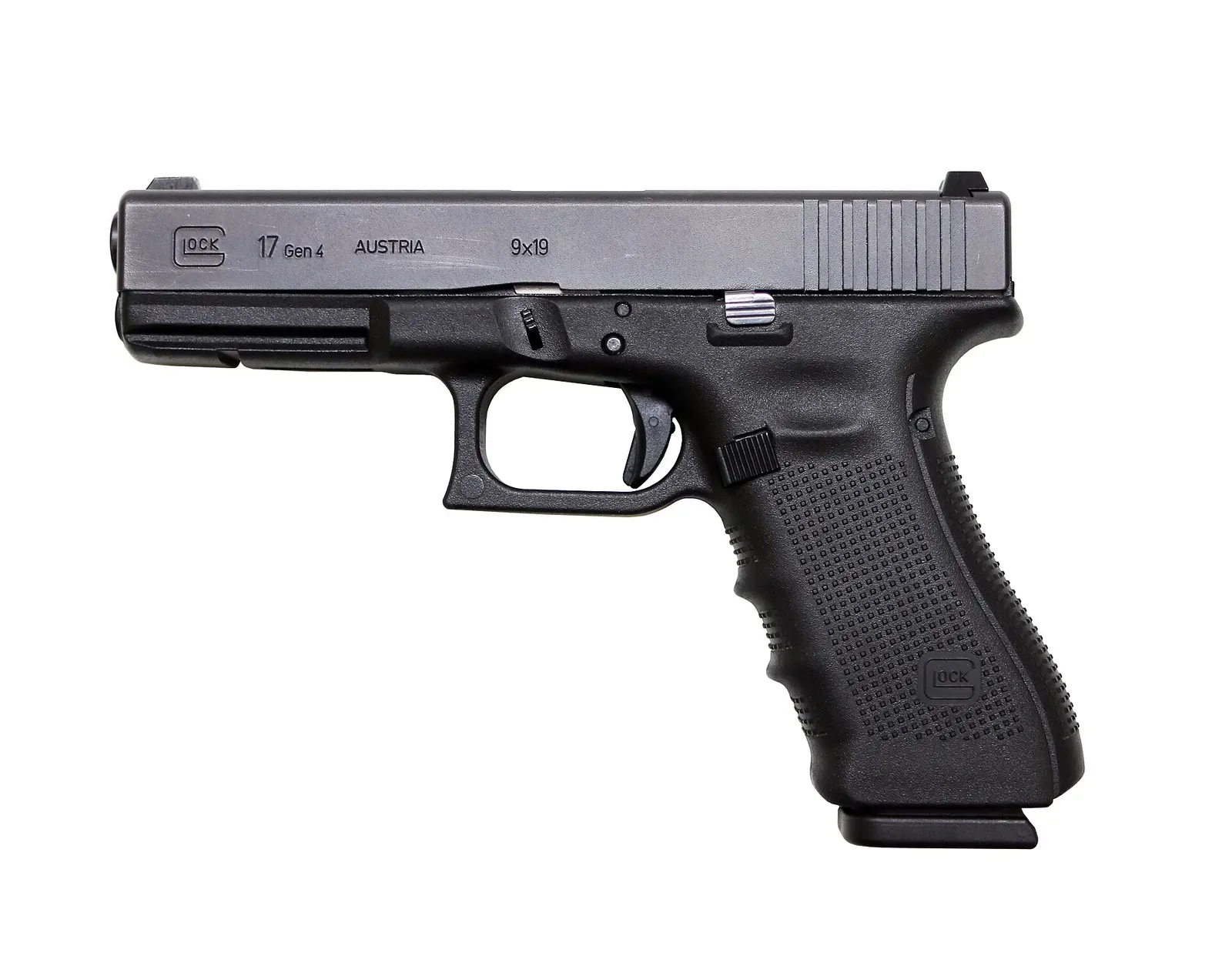
The Gen 4 (2010) introduced the modular backstrap and improved rail — direct responses to competition from S&W M&P and FN FNS designs.
Steve Dock (OGL v1.0)
| Manufacturer | |
|---|---|
| Made By | Glock |
| Designer | Glock Engineering |
| Origin | Austria |
| Specifications | |
| Caliber | 9×19mm Parabellum |
| Action | striker fired |
| Capacity | 15-17 rounds |
| Barrel | 4.02-4.49 inches |
| Length | 7.44-7.95 inches |
| Weight | 22.5-24.7 ounces |
| Feed | Detachable box magazine |
| Sights | Iron sights, optics-ready |
| Performance | |
| Eff. Range | 50 meters |
| Muzzle Vel. | 1,200 ft/s (115gr) |
| Production | |
| Designed | 2025 |
| In Production | 2026 |
| Unit Cost | $745 USD (MSRP) |
| Variants | |
| |
| Service Use | |
Various law enforcement agenciesEuropean military forces | |
| Cultural Note | |
| Latest evolution of the world's most popular police pistol platform | |
| Related Firearms | |
Glock Gen6
Firearms encyclopedia article
From The Boise Gun Club Handbook
Quick Statsedit
| Specification | Value |
|---|---|
| Manufacturer | Glock |
| Type | Striker-Fired Pistol |
| Caliber | 9×19mm Parabellum |
| Capacity | 15-17 rounds (model dependent) |
| Barrel Length | 4.02-4.49 inches |
| Overall Length | 7.44-7.95 inches |
| Weight (Unloaded) | 22.5-24.7 ounces |
| Action Type | Striker-Fired |
| Year Introduced | 2026 |
Glock finally did what everyone figured they'd never do—they changed the formula. The Gen6 hit the market in January 2026 with factory optics cuts, modular grips, and a flat trigger as standard equipment. Three models rolled out first: the G17, G19, and G45.
This isn't just another texture change like we saw with Gen4 or Gen5. Glock actually listened to complaints about grip ergonomics and red dot mounting.
This isn't just texture and ergonomics improvements. Glock watched Sig eat their lunch with the P320 and CZ gain ground with the P-10, both offering what shooters wanted out of the box.
You still get the same striker-fired reliability that made Glock famous. But now you don't need to send your slide out for milling or deal with grip tape because your hands don't match Gaston's idea of the perfect grip.
How We Got Hereedit
Market Pressure
Glock dragged their feet for years while everyone else went optics-ready. Military contracts started requiring red dot compatibility, cops wanted it, and civilians were buying Sigs instead of Glocks because nobody wanted to deal with aftermarket slide work.
The writing was on the wall when police departments started specifying optics-ready pistols in their RFPs. Glock was losing deals they used to win automatically. Same story in the civilian market—walk into any gun store and you'd hear "I want a Glock but I want to mount an optic" followed by the sales guy steering them toward something already cut.
| Issue | Previous Solution | Gen6 Solution |
|---|---|---|
| Red Dot Mounting | Aftermarket slide milling | Factory optics cuts |
| Grip Fit | Grip tape/stippling | Modular grip system |
| Trigger Feel | Aftermarket triggers | Flat trigger standard |
| Police RFPs | Lost contracts | Optics-ready compliance |
Development Focus
Gen6 development focused on keeping what works while fixing what doesn't. The Safe Action system stays identical because it's proven. The basic ergonomics stay mostly the same because changing the grip angle would mess with decades of muscle memory for existing Glock shooters.
The optics mounting system gets the most attention from Glock's engineers. They built it to handle high round counts without the screws backing out—a problem some other factory systems have under sustained fire. Early testing shows the mounting stays tight past 10,000 rounds, but real-world data is still coming in.
Glock's generational development showing the major milestone changes
Technical Detailsedit
Operating System
The operating system remains unchanged from previous generations. Short recoil operation with the same cam-actuated tilting barrel that's worked since the Gen1. If you know how to detail strip a Gen5, you know how to work on a Gen6.
Magazines work across all generations, which matters if you've got a bunch of Glock mags already. The G19 holds 15 rounds, G17 and G45 hold 17. Same capacity as before, same magazines you've been using.
Modular Components
The modular grip system gives you three circumference options instead of just taking what Glock gave you. Standard medium size, plus small and large backstraps that actually change the feel. This isn't just adding thickness—it changes the reach to the trigger.
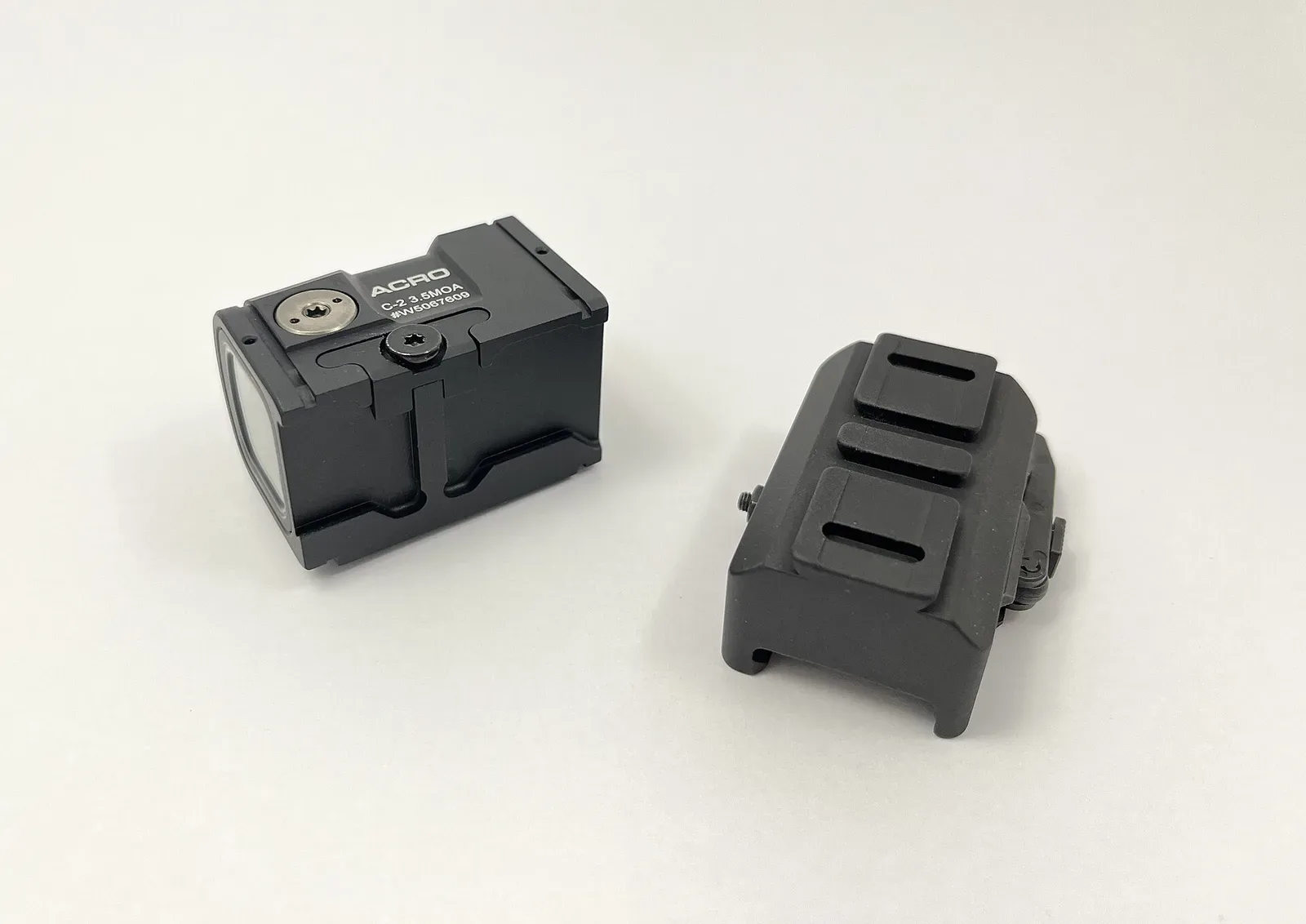
Factory iron sights come standard, but the optics cuts accommodate most popular red dots through included adapter plates. No more sending slides out for milling or dealing with suppressor-height sights as your only option.
Gen6 modular system and compatibility options
What's Availableedit
| Model | Barrel Length | Capacity | Frame Size | Primary Use |
|---|---|---|---|---|
| G17 Gen6 | 4.49" | 17 rounds | Full-size | Service/duty |
| G19 Gen6 | 4.02" | 15 rounds | Compact | Concealed carry |
| G45 Gen6 | 4.02" | 17 rounds | Compact slide/full frame | Versatile |
| G49 | 4.02" | 15 rounds | International only | Export markets |
How They Shootedit
Reliability
Reliability stays where you expect it—these are still Glocks. Same boring reliability that made them famous, with no feed issues across different bullet weights or brands. They'll eat anything from 115-grain FMJ to 147-grain hollow points without complaint.
The flat trigger face makes a noticeable difference in consistency. Your finger hits the same spot every time instead of riding high or low on a curved face. Reset is still longer than some competitors, but it's predictable.
Recoil management improves with the better grip options. If the standard Glock grip never quite fit your hand, the modular system might fix that. The new texture pattern gives you better purchase without being aggressive enough to wear through shirts.
Accuracy
Most shooters will see 3-4 inch groups at 25 yards from a rest with factory ammunition. Mount a red dot and those groups typically tighten up, assuming you know how to use the optic.
What Worksedit
Key Improvements
- Factory optics-ready slides eliminate the aftermarket modification cost and wait time
- The modular grip system actually addresses hand fit instead of just adding grip tape
- Flat triggers provide more consistent finger placement
- Backward compatibility means your existing mags and holsters still work
Value Proposition
| Feature | Benefit | Cost Savings |
|---|---|---|
| Factory Optics Cut | No aftermarket work needed | $200+ |
| Three Magazines | Extra mag included | $30+ |
| Modular Grips | No grip modification needed | $50+ |
| Flat Trigger | No trigger upgrade needed | $100+ |
MSRP sits at $745, which undercuts most optics-ready competitors by $50-100. You get three magazines instead of the usual two.
What Doesn'tedit
Limitations
- Limited caliber availability at launch means 9mm only
- No .40 S&W, no 10mm, no .45 ACP initially
- The fundamental Glock grip angle stays the same
- If that never worked for you before, the modular backstraps won't fix it
Unresolved Issues
- Higher price than previous generations. Gen5 models are now the "budget" Glocks.
- The optics mounting system is unproven long-term. Early reports look good, but we won't know about durability until these have been in service for a few years.
- No ambidextrous slide stop continues Glock's right-handed bias
- Lefties still get second-class treatment.
Current model selection is limited compared to the mature Gen5 lineup:
- G17 Gen6 — Full-size service pistol
- G19 Gen6 — Compact carry option
- G45 Gen6 — Compact/full-size hybrid
- Other calibers and sizes coming later
The BGC Takeedit
Glock finally caught up to where the market went three years ago. The Gen6 fixes real problems instead of just changing textures and calling it an upgrade.
The modular grip system is the biggest improvement. I've watched too many shooters struggle with Glock ergonomics over the years, and this actually addresses the issue instead of forcing everyone to adapt to what worked for Austrian hands in the 1980s.
The modular grip system is the biggest improvement. This actually addresses the ergonomics issue instead of forcing everyone to adapt to what worked for Austrian hands in the 1980s.
Factory optics cuts are overdue but welcome. The mounting system looks solid from early testing, though I'd wait for more data before trusting it on a duty gun. For range use and competition, it should be fine.
At $745, the Gen6 is priced competitively against other optics-ready pistols. You're not paying a premium for features that should have been standard years ago.
The limited initial offering makes sense from a business perspective, but it's frustrating if you want something besides 9mm. Glock will expand the lineup once they see how these sell, but early adopters get limited choices.
If you've been waiting for Glock to modernize their platform, the Gen6 delivers. If you're happy with your current Glock, there's no urgent reason to upgrade unless you specifically want the optics capability or better ergonomics.
- Gls Guns(Sumner, IA)
- Bi-mart - Yakima (Fruitvale Ave)(Yakima, WA)
- New Philly Sportsman Specialities(New Philadelphia, OH)
- R&R Sports & Outdoors(Brandon, FL)
Loading comments...