Quick Reference
Precision Rifle Series (PRS)

Photo by Tactical Accountants (CC BY 3.0)
| Time & Effort | |
|---|---|
Read Time | 11 min read |
| Practice Time | 8-12 stages over 1-2 days per match |
Equipment Needed | |
| |
| Prerequisites | |
| |
Safety | |
| |
Key Takeaways | |
| |
Organization | |
| Precision Rifle Series | |
| Divisions | |
Open DivisionProduction DivisionTactical DivisionGas Gun DivisionSportsman Division | |
Related Topics | |
| |
Precision Rifle Series (PRS)
Handbook article
From The Boise Gun Club Handbook
PRS combines long-range precision with time pressure and weird shooting positions--it's the closest thing to real-world precision shooting you'll find in competition. Think tactical precision on steroids, not benchrest with a timer.
- Key challenge: Engaging multiple targets from 400-1,200 yards in under two minutes while contorting around obstacles
- Skills required: Rifle marksmanship, stage planning, equipment manipulation, and physical conditioning
- Cost reality: Serious money sport--budget $8,000+ annually if you want to compete at regional level
What Is PRS?edit
Origins and Philosophy
PRS emerged in the early 2010s when former military and law enforcement guys got tired of shooting tight groups from comfortable positions. They wanted competition that actually reflected how you use a precision rifle when it matters--awkward angles, time pressure, and targets that don't sit still while you perfect your sight picture.
Match Structure
A typical match throws 8-12 stages at you over one or two days. Each stage presents multiple targets at known distances, usually 400-1,200 yards out. You get 90 seconds to two minutes to engage everything while shooting from props that simulate real environments--tank traps, rooftops, ladder rungs, or through port holes that barely clear your scope.
F-Class shooters spend 20 minutes perfecting a single shot. PRS shooters need to range, dial, and engage multiple targets in under two minutes while wrapped around a barricade.
What separates PRS from traditional precision shooting is simple: precision rifle meets CrossFit. The sport exploded over the last decade. Hundreds of matches nationwide now, with a professional series offering real prize money.
The 2025 season saw Morgun King claim the Golden Bullet championship, showing how competitive this has become.
Competition Formatsedit
| Format | Duration | Skill Level | Entry Fee Range | Target Distance | Key Features |
|---|---|---|---|---|---|
| PRS Pro Series | 2 days | Elite | $200-300+ | 400-1,200 yards | Championship events, prize money, professional competitors |
| PRS Regional | 1 day | Intermediate-Advanced | $120-200 | 400-1,200 yards | Sanctioned matches, points toward nationals |
| PRS Club | 1 day | Beginner-Intermediate | $90-150 | 300-1,000 yards | Relaxed rules, learning environment |
| NRL | 1-2 days | All levels | $100-180 | 400-1,200 yards | Grassroots focused, different scoring system |
| PRS Rimfire/NRL22 | Half/Full day | Beginner-friendly | $40-80 | 25-300 yards | .22 LR rifles, lower cost, skill development |
For most shooters, NRL22 offers the sanest introduction. Learn the rhythm, develop stage management skills, figure out if you like competition shooting--all without taking out a second mortgage.
Equipment You'll Neededit
Primary Equipment
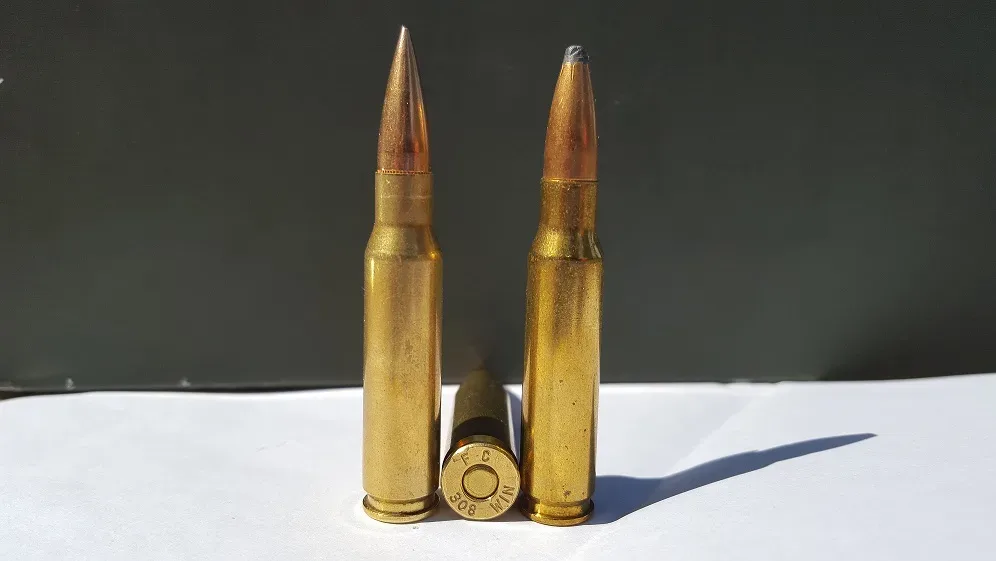
Rifle: Budget $1,200-2,000 for something competitive (Bergara B-14 HMR, Tikka T3x CTR). Serious competitors run $4,000-8,000+ custom builds. Must be .30 cal or smaller, under 3,200 fps.
Start with quality factory rifle--upgrades come later. Optic: Minimum $1,500 for something that tracks reliably (Vortex PST Gen II, Athlon Ares BTR). High-end competitors run $3,000-6,000 glass (Kahles, Schmidt & Bender, Nightforce ATACR). Need minimum 20x magnification and turrets that actually go where they say.
Bipod: Harris or Magpul will get you started ($200-300). Atlas or Ckye-Pod ($400-600) when you're serious. Cant and swivel aren't optional--stages demand odd angles.
| Equipment Category | Entry Level | Budget | Serious Competitor | Notes |
|---|---|---|---|---|
| Rifle | $800-1,200 | $1,200-2,000 | $4,000-8,000+ | Bergara B-14 HMR, Tikka T3x CTR for budget |
| Optic | $800-1,200 | $1,500-2,500 | $3,000-6,000+ | Must track reliably, 20x+ magnification |
| Bipod | $200-300 | $300-450 | $400-600+ | Harris/Magpul entry, Atlas/Ckye-Pod advanced |
| Support Gear | $150-300 | $300-500 | $500-1,000+ | Barricade bag, sling, rangefinder |
| Ammunition | $2-3/round | $3-4/round | $4-5/round | 200+ rounds per match, practice ammo additional |
Support Equipment
Barricade bag runs $50-250 depending on how fancy you get. Game-changer for stage performance. Rangefinder starts at $400 for basic Vortex, goes to $2,000+ for Applied Ballistics units. Quality sling often overlooked but essential.
Ammunition Costs
$2-4 per round for quality factory loads, $3-5 for custom. Expect to burn 200+ rounds per match. This cost adds up fast.
The biggest mistake newcomers make? Buying every accessory before learning what they actually need.
A $2,000 rifle with a $2,500 scope will outperform a $5,000 rifle with a $500 scope every single time.
Rules and Divisionsedit
Scoring System
PRS uses percentage-based scoring--top shooter in each division gets 100 points, everyone else calculated as percentage of the winner's performance. Bad stage doesn't kill your match if you're consistent elsewhere.
Time limits are hard stops. Most stages give you 90 seconds to two minutes to engage all targets. Timer runs out, you're done shooting regardless of how many targets remain. First-round hits typically score higher than follow-up shots.
Division Breakdown
| Division | Equipment Restrictions | Target Audience | Key Rules |
|---|---|---|---|
| Open | Caliber ≤.30, velocity <3,200 fps | Unlimited budget competitors | No equipment restrictions |
| Production | Factory rifles, minimal mods | Budget-conscious shooters | Must use factory actions/stocks |
| Tactical | Practical equipment emphasis | Duty rifle users | Equipment must serve practical purpose |
| Gas Gun | Semi-auto only | AR platform shooters | Magazine capacity limits apply |
| Sportsman | Equipment + experience limits | New competitors | Designed to level playing field |
Safety Requirements
Critical safety rules: Cold range protocols (rifles stay cased), muzzle discipline (don't sweep anyone), magazine capacity limits (usually 10 rounds), rifle must be unloaded when moving between positions.
Getting Startededit
Find matches through PRS website or Facebook groups like "PRS Talk." Contact the match director beforehand--most offer new shooter briefings and will pair you with experienced squad mates. Read the match book thoroughly. Stage descriptions contain vital information about props and target placement.
Practice positional shooting before your first match:
- Practice positional shooting - prone off bipod won't cut it
- Work barricades, improvised rests, and awkward angles
- Drill rifle manipulations until muscle memory (loading, bolt work, safety)
- Focus on safe gun handling over winning your first match
Expect to struggle with time management initially. New shooters often zero their first few stages just learning the rhythm. Your first match is education, not domination.
Recommended pathway from beginner to competitive PRS shooter
Register early--popular matches fill fast. Entry fees range from $90 for club matches to $250+ for Pro Series events. Bring more ammunition than you think you need. Murphy's Law applies to match day.
The Investmentedit
Equipment Costs
Starter setup: $3,500-5,000 gets you in the game with competitive equipment.
Serious competitor: $8,000-15,000+ for rifles, optics, and support gear that won't hold you back.
| Investment Level | Initial Cost | Annual Cost | What You Get |
|---|---|---|---|
| Starter Setup | $3,500-5,000 | $3,000-5,000 | Competitive entry-level equipment |
| Serious Competitor | $8,000-15,000+ | $8,000-12,000+ | Equipment that won't limit performance |
| Per Match | $200-500 | N/A | Entry fees, ammunition, consumables |
| Hidden Costs | $2,000-3,000 | $2,000-3,000 | Barrels, travel, practice ammo, reloading |
Per match costs: $200-500 including entry fees and ammunition, depending on match length and your shooting volume.
Annual investment: Shooting 10 matches per year runs $5,000-8,000+ when you factor in travel, hotels, practice ammunition, and equipment maintenance.
Hidden Expenses
Hidden costs hurt: barrel replacements every 2,000-3,000 rounds ($800-1,200), travel expenses for quality matches, practice ammunition (serious competitors burn 2,000+ rounds annually), reloading setup ($1,500-2,500 for quality equipment).
This isn't a cheap sport. Serious competitors easily spend $10,000+ annually. NRL22 offers similar skill development for roughly half the cost.
Where to Competeedit
PRS website maintains comprehensive match finder showing sanctioned events nationwide. For Idaho shooters, Snake River Shooting Park runs PRS-style events. Washington and Utah offer numerous matches within driving distance.
Online communities like "PRS Talk" on Facebook or Sniper's Hide forum provide match announcements and carpooling opportunities. Many competitors travel together to share costs and knowledge.
PRS membership runs $110-195 annually depending on divisions. Gets you match result tracking, year-end awards eligibility, member benefits. Not necessary for club matches but worthwhile once you're shooting multiple sanctioned events.
Competition Organizationsedit
Precision Rifle Series (PRS): Primary sanctioning body managing Pro Series, Regional Series, and Rimfire divisions. More corporate structure, higher entry costs, bigger prize money at top levels.
National Rifle League (NRL): Competing organization with similar format but different rules and scoring. More grassroots feel, often lower entry costs.
Both organizations offer quality competition. Choice often comes down to what's available locally and personal preference for format.
Evolution of precision rifle competition from niche military training to mainstream sport
PRS will make you a dramatically better precision rifle shooter, but it's expensive and demanding. Start with NRL22 to learn the fundamentals without crushing costs.
See Alsoedit
- NRL22 Precision Rimfire - Lower-cost entry into precision rifle competition
- Long Range Shooting - Foundational skills for precision rifle sports
- Find Events - Locate PRS and NRL matches in Idaho
Last Updated: January 28, 2026
Loading comments...