Quick Reference
Reloading vs. Buying Ammo: Complete Cost Breakdown

| Time & Effort | |
|---|---|
Read Time | 8 min read |
Reloading vs. Buying Ammo: Complete Cost Breakdown
Handbook article
From The Boise Gun Club Handbook
You're standing at the gun counter, watching the price tags on factory ammo creep up again. Your buddy at the range keeps telling you to just start reloading -- says he's saving a fortune. Meanwhile, someone in the next lane swears it's not worth the hassle. Both of them are probably right, depending on what they're shooting and why.
The honest answer to "should I reload?" is more nuanced than a simple yes or no. Let's break down what it actually costs, where the savings are real, and where the math doesn't work the way people think it does.
The Startup Cost Realityedit
Before you see a single penny in savings, you're going to spend money -- and a fair amount of it. According to RCBS, picking up the essentials of a reloading setup -- press, dies, powder measure, calipers, shell holder, manual, powder funnel, and related basics -- will run you around $500.
That's not nothing. That $500 buys a meaningful stack of factory ammo off the shelf, and you need to shoot enough reloads to recoup it before you're actually ahead.
The flip side: that equipment is essentially a one-time cost. A quality press and dies will outlast you if you take care of them. RCBS compares it to buying a good firearm -- buy once, cry once. Your cost-per-round savings compound over time, and eventually the equipment pays for itself. The question is whether you'll shoot enough rounds to get there.
Key Point: $500 is a reasonable estimate for a functional starter reloading setup, per RCBS. That's your break-even starting line before savings begin.
Where the Savings Are Realedit
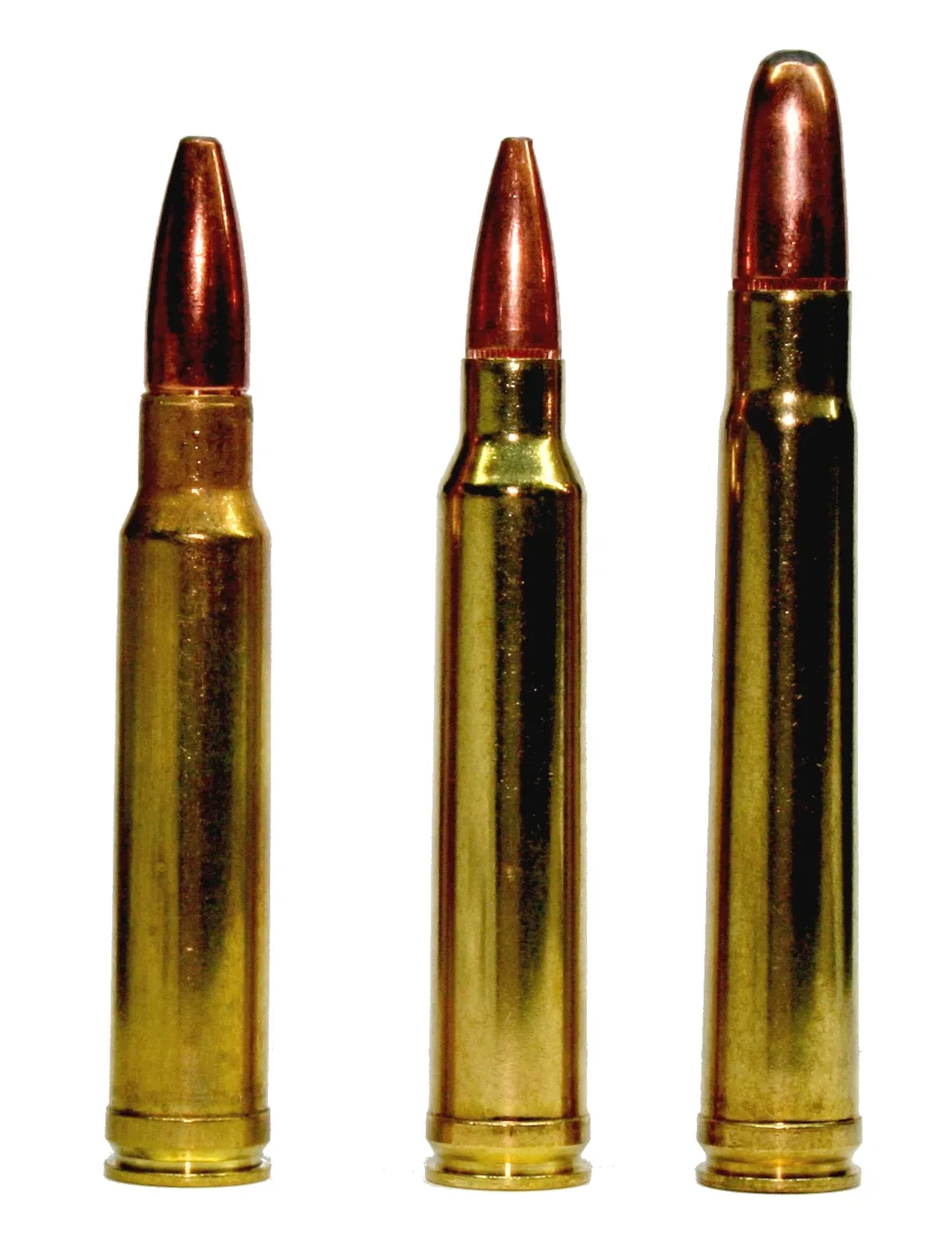
Not all cartridges reload equally on the savings front. The math is dramatically different depending on what you're shooting.
Big rifle cartridges are where reloading makes the most obvious financial sense. Per RCBS, reloading larger cartridges like 300 Win. Mag, 7mm PRC, 28 Nosler, and 338 Lapua can save you anywhere from $0.50 to $1.00 or more per round compared to buying high-end factory ammo. If you're running 200 rounds through a precision rifle build in a season, that's $100–$200 back in your pocket -- just on components. Do that for a few years and the press paid for itself a while ago.
Hard-to-find and niche cartridges are an even clearer case. Some chamberings have little to no commercial factory production. If you're shooting something boutique or vintage, you may not have a choice -- you handload or you don't shoot.
Premium components for precision shooting also shift the math. If your discipline requires match-grade ammo -- say you're shooting PRS or NRL Hunter and burning through 100–500 rounds a week -- factory match ammo gets expensive fast. Reloading lets you maintain that quality level at a lower per-round cost.
| Cartridge Type | Reload Savings Potential | Notes |
|---|---|---|
| Big rifle (300 Win. Mag, 338 Lapua, 7mm PRC) | $0.50–$1.00+ per round | Per RCBS; compared to high-end factory |
| Niche/hard-to-find cartridges | Variable -- often no alternative | May be unavailable factory |
| Common pistol (9mm, .45 ACP) | Small -- cents per round | Volume dependent |
| Common rifle (.223, .308) | Moderate at volume | Low component costs squeeze margin |
| Match/precision ammo (any caliber) | Significant at volume | Discipline-specific requirements |
Where the Savings Aren't What You'd Expectedit
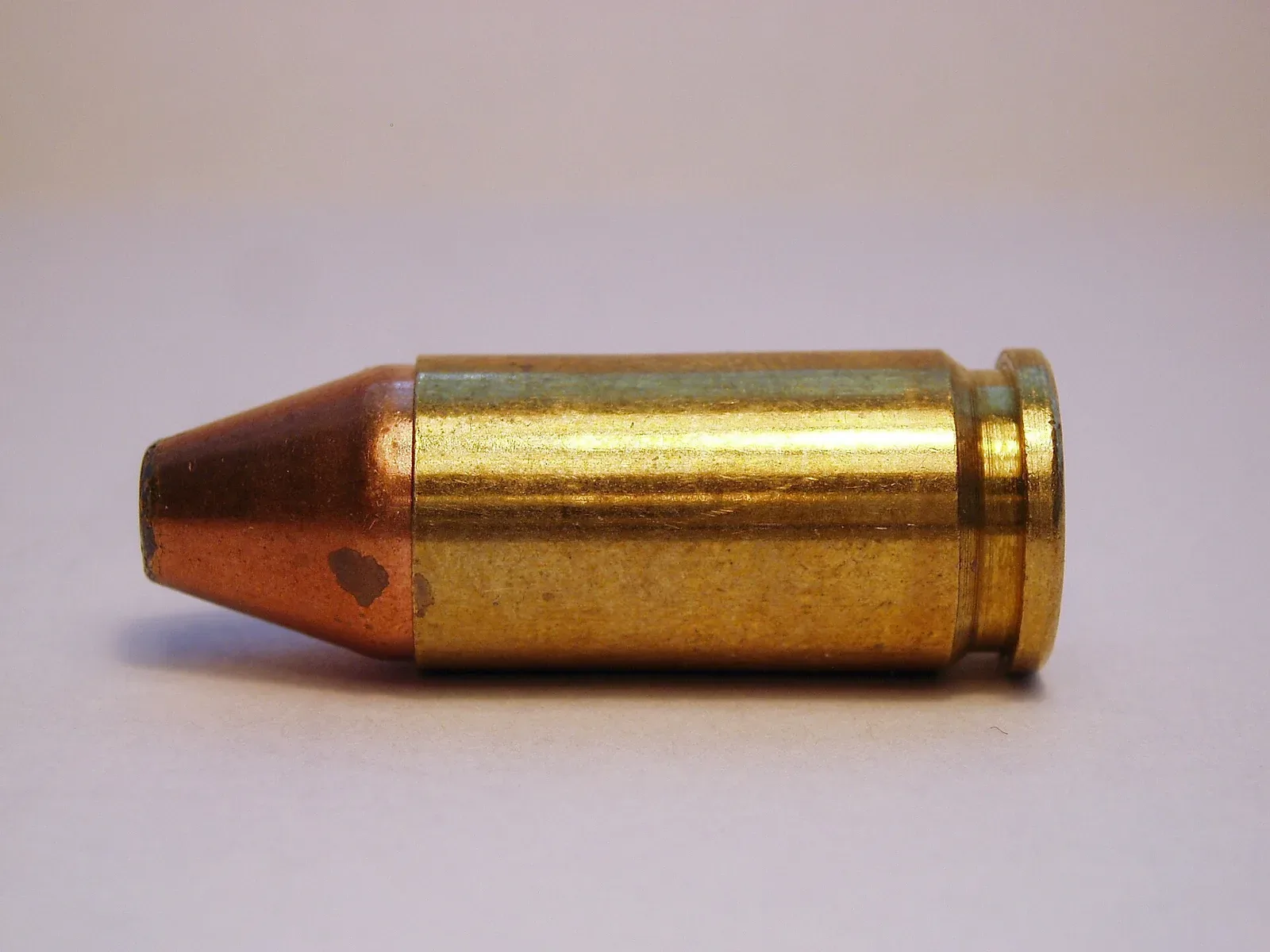
Here's where people get surprised. Common, high-volume pistol calibers like 9mm don't save you much per round -- especially with where component costs have gone. Brass, powder, primers, and bullets have all gotten more expensive alongside everything else. RCBS notes that with rising component costs, it's harder to save money reloading common ball or FMJ-type ammo loaded with standard-grade components.
You're not going to save money on your first 100 rounds of 9mm reloads. Not even close -- you're still digging out of the startup cost hole. Even after that, the per-round savings on pistol calibers are measured in cents. It takes real volume to make that add up.
One commenter captured in a Reddit snippet put it plainly: saving around $16 per hour reloading 9mm versus buying factory -- which, when you factor in the time spent prepping cases, measuring powder, and running the press, isn't compelling math for everyone.
Key Point: The per-round savings on common pistol calibers are real but small. You need volume -- and you need to value your time at zero -- for it to feel worthwhile on 9mm alone.
The Time Factor Nobody Wants to Talk Aboutedit
Reloading takes time. Sizing brass, checking for defects, priming, charging with powder, seating bullets, crimping -- each step adds up. If you're running a single-stage press, you're spending real hours per batch. Even a progressive press requires setup, attention, and periodic quality checks.
That time has a value, even if you don't pay yourself for it. If you're reloading to save money and you make decent money at your job, the calculus changes. If you genuinely enjoy the process -- and a lot of reloaders do -- then the time isn't a cost, it's the point.
This distinction matters more than most cost comparisons acknowledge. Per RCBS, many reloaders start because they want to save money, end up enjoying the process, and keep reloading because they like building their own ammo -- with savings as a secondary benefit. That's a legitimate reason to reload. It's just different from "I reload to cut my ammo budget."
The Ironic Trap: Shooting More Because Ammo Is Cheaperedit
Here's the pattern RCBS flags that catches a lot of new reloaders off guard: you start reloading to save money, your per-round cost drops, so you shoot more, and you end up spending as much or more than you did before. You're getting more trigger time, which is great -- but if the goal was to reduce your total ammo spend, this isn't quite what you had in mind.
It's not a bad outcome. More range time is generally a good thing. But go in with clear eyes about what you're actually optimizing for.
Reloading for Performance, Not Just Priceedit
Some shooters reload because they want ammo their rifles actually like -- specific bullet weights, specific seating depths, specific powder charges tuned to their barrel. Factory ammo is a compromise built for millions of guns. Your handloads can be built for one.
If your rifle has a preference -- and most precision rifles do -- factory ammo may never fully satisfy it regardless of price. Reloading gives you control that buying off the shelf simply can't match. Per RCBS, consistency and performance are reasons that keep many shooters handloading even when the straight cost savings don't fully justify it.
Pro Tip: Before chasing ultimate precision, get your rifle properly zeroed and your fundamentals dialed first. Custom loads on a shooter who isn't there yet won't show the difference.
A Realistic Break-Even Pictureedit
Let's put some rough structure around the math. These are general frameworks based on RCBS's guidance -- your actual numbers depend on component costs in your area at the time you're shopping.
| Scenario | Break-Even Estimate | After Break-Even |
|---|---|---|
| 9mm at range volume (500+ rds/month) | Likely 12–18 months of shooting | Small ongoing savings per round |
| .308 Win at moderate volume (100 rds/month) | 6–12 months depending on components | Moderate savings, consistent |
| 300 Win. Mag at any volume | Fastest break-even -- savings per round are significant | Strong ongoing savings |
| Niche/obsolete calibers | Immediate -- no factory alternative | Enables shooting you otherwise couldn't do |
| Casual shooter (50–100 rds/month, common calibers) | May never fully break even | Savings minimal; other reasons may justify it |
Safety Note: These are rough ranges for planning purposes, not guarantees. Component prices fluctuate. Run your own numbers with current pricing before committing to a setup.
What the Decision Actually Comes Down Toedit
If you're trying to decide whether to start reloading, RCBS frames the key questions cleanly:
- What cartridge are you shooting?
- What kind of ammo do you actually need?
- How often are you at the range?
- What's your budget -- both for startup and ongoing components?
Beyond budget, ask yourself honestly whether you'd enjoy the process. Reloading is methodical, requires attention to detail, and rewards patience. If that sounds appealing, you'll probably stick with it and find the investment worthwhile. If it sounds like a chore you're tolerating to save money, you may burn out on it before you break even.
Velocity Ammo Sales notes in their analysis that for many shooters, once you factor in startup gear, supplies, and time, bulk factory ammo is the more practical option. That's a fair read for casual or lower-volume shooters. It's not a universal truth.
The Bottom Lineedit
Reloading isn't a money-saving hack for everyone -- it's a hobby with financial upside for the right shooter. The savings are most real for big rifle cartridges, precision disciplines that demand volume, hard-to-find chamberings, and shooters who genuinely put rounds downrange in quantity.
For someone burning through 50 rounds of 9mm at the range once a month, the math is rough and the break-even horizon is long. For someone shooting 300 Win. Mag at long-range matches, or running a PRS rifle through hundreds of rounds of practice, reloading pays for itself and keeps paying.
The $500 startup cost is the gate. Shoot enough of the right cartridges, and you walk through it. If you're not sure you'll shoot enough volume to justify it, the honest answer might be to buy factory ammo until you are sure. Last Updated: March 30, 2026
- Phils Custom Handloads(Swartz Creek, MI)
- Gls Guns(Sumner, IA)
- J & L Gunsmithing(Chesapeake, VA)
- Oliver Firearms(Spartanburg, SC)
Loading comments...