Quick Reference
Spring Firearm Maintenance

Photo by Unknown authorUnknown author (CC BY 4.0)
| Time & Effort | |
|---|---|
Read Time | 7 min read |
| Frequency | Annually in spring after winter conditions, or every 3,000-5,000 rounds |
Equipment Needed | |
| |
| Prerequisites | |
Safety | |
| |
Key Takeaways | |
| |
Related Topics | |
Spring Firearm Maintenance
Post-Winter Checkup Guide
From The Boise Gun Club Handbook
Winter in Idaho means your guns have been living through single-digit mornings, 40-degree temperature swings, and probably some time in a truck or safe that saw more condensation than you'd like to admit.
- Temperature stress: Metal parts contract and expand, moisture sneaks in during warm-ups
- Lubrication issues: That thin coat of oil from October has either migrated or turned to varnish
- Carbon buildup: Hard winter use means worn springs and parts need inspection before competition season
Spring maintenance isn't about calendar dates—it's about dealing with what those conditions did to your firearms while you weren't paying attention.
The Spring Inspection Checklistedit
Initial Function Assessment
Before you start tearing things apart and spraying solvent everywhere, run through a function check on each firearm. Work the action. Dry fire it (safely, obviously). Does anything feel different than it did six months ago?
Spring inspection workflow - systematic approach to identifying problem areas before disassembly
Gritty trigger? Sluggish slide? Magazine that doesn't drop free anymore? These symptoms tell you where to focus.
The spring doesn't suddenly snap—it gets weak, and you'll see it in slower slide velocity, ejection pattern changes, or failures to return to battery.
Magazine and Spring Evaluation
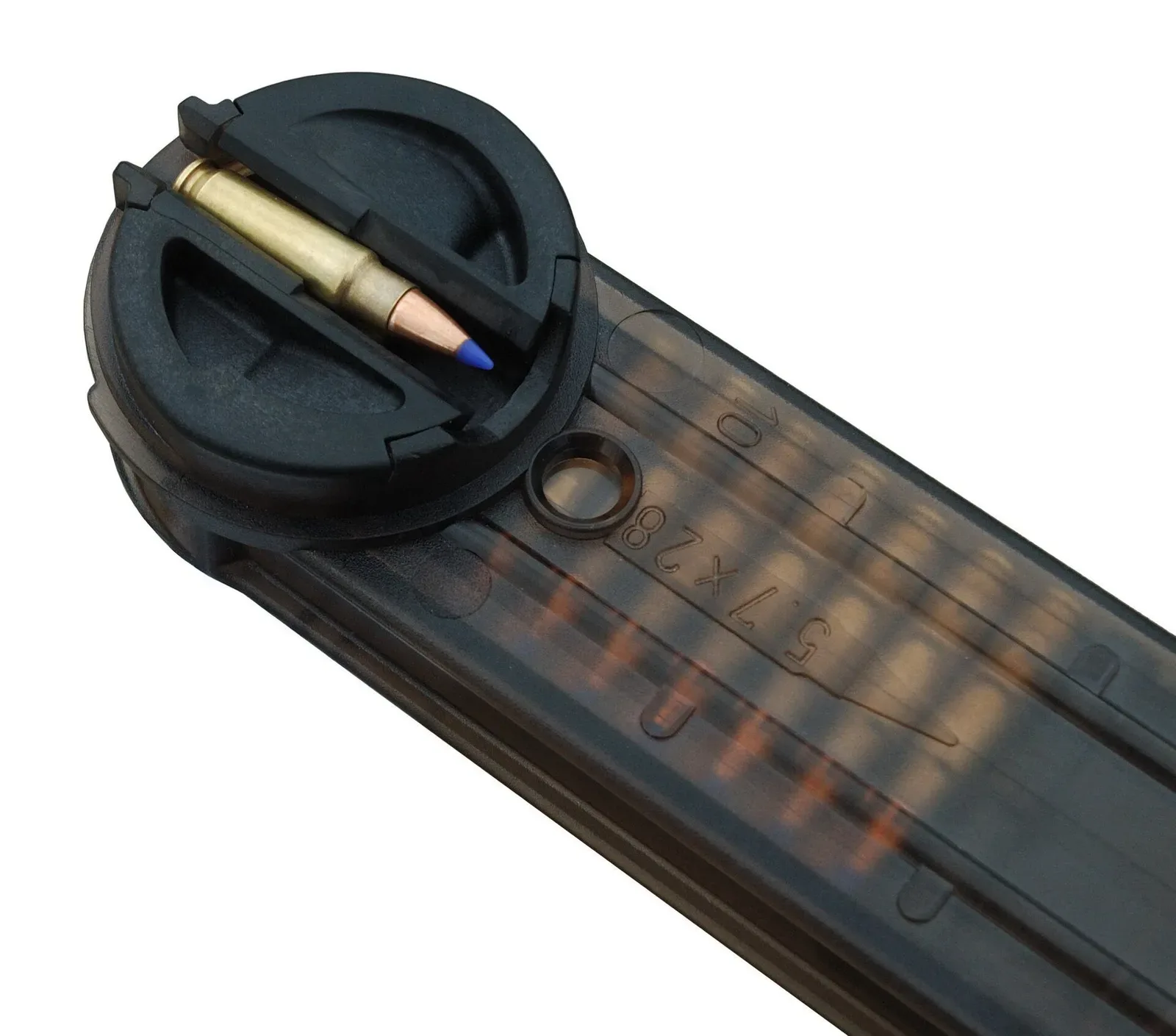
Pull your magazines and check for witness holes showing spring compression. If your 17-round Glock mag is sitting at 15 rounds when fully loaded, that spring is tired. Magazine maintenance is one of those things people ignore until they get a failure to feed during a match or, worse, when it actually matters.
Look at your recoil springs. Most defensive pistols need a recoil spring replacement every 3,000-5,000 rounds, but if you're running a lightweight carry gun or shooting hot loads, cut that in half. A 1911 recoil spring doing double duty in a 10mm? You're looking at 1,500 rounds max.
Rifle springs last longer but they still wear. If your AR has been sitting with the bolt locked back all winter (stop doing that), the buffer spring has been under tension for months. Not ideal. Check for kinks, measure it against a new one if you're not sure, and listen for that distinctive "sproing" sound when you slowly release the bolt. A healthy buffer spring has a specific resonance. A tired one sounds dead.
| Component | Inspection Criteria | Replacement Threshold |
|---|---|---|
| Magazine Springs | Witness hole compression, feed reliability | When capacity drops 10%+ |
| Recoil Springs | Slide velocity, ejection pattern, return to battery | 3,000-5,000 rounds (defensive)<br>1,500 rounds (hot loads/10mm) |
| Buffer Springs (AR) | Visual kinks, compression measurement, resonance sound | Every 10,000 rounds or annual |
| Extractor Springs | Extraction reliability, brass ejection pattern | 3,000-5,000 rounds |
| Firing Pin Springs | Primer strike depth, ignition reliability | Light strikes indicate replacement |
The Deep Clean You've Been Avoidingedit
Complete Disassembly Protocol
Strip your carry gun completely. I mean field strip for the frame, but also detail strip the slide assembly. That firing pin channel hasn't been cleaned since... when exactly? Carbon and oil residue build up in there, and in cold weather, it can slow your firing pin enough to cause light strikes.
I've seen it happen on otherwise reliable Glocks and M&Ps because someone thought "cleaning" meant a bore snake and some slide lube. For polymer guns, pull the trigger assembly out of the frame. You don't need to detail strip the trigger itself unless you're having issues, but getting that assembly out lets you actually clean the frame rails and check for cracks around the locking block or slide stop. Idaho's temp swings are tough on polymer—it's not common, but frame cracks do happen, especially on guns that live in vehicles.
Cleaning Tools and Sequence
Proper cleaning means the right tools and the right sequence. Start with a carbon solvent in the bore, let it sit while you work on everything else. I like Warthog or Slip 2000 for this—they actually work on baked-on carbon instead of just smelling impressive.
- Start with carbon solvent in bore, let sit
- Work on frame and slide components while bore soaks
- Use nylon brushes for polymer/aluminum, bronze for steel
- Clean extractor and extractor channel thoroughly
- Use proper patch material, avoid foam bore mops
Critical Component Focus
Clean the extractor and extractor channel. This is where rimfire guns especially suffer—.22 residue is waxy and sticky, and it builds up fast. A weak extractor spring combined with crud in the channel equals stovepipe city. Spring replacement should be on your radar for any gun that's seen serious use.
Lubrication for Idaho Conditionsedit
Climate-Appropriate Oil Selection
The gun store employee who sold you that thick grease might be a good guy, but he's wrong about what you need. Heavy grease works fine if your gun lives in a climate-controlled safe and only comes out on 70-degree days. In Idaho, you're dealing with morning hunts that start at 25 degrees and afternoon range sessions that hit 85.
You need oil that flows when cold and doesn't evaporate when hot.
I run ALG Go Juice on most of my guns. It's thin enough to work in cold weather but has the film strength to handle heat and friction. Other solid options include Slip 2000 EWL or FireClean if you want something less petroleum-based. Whatever you pick, use less than you think you need. A drop on each slide rail is enough. A light coat on contact surfaces. That's it.
The mistake people make is drowning their guns in oil, then wondering why they're getting malfunctions when the first round kicks up a cloud of oil mist and atomized carbon. Excess oil also attracts dust and creates that nasty black paste that gums up everything. Your lubrication strategy should match your actual use case.
Application by Platform
| Firearm Type | Key Lubrication Points | Product Type | Application |
|---|---|---|---|
| Semi-Auto Pistols | Slide rails, barrel hood, disconnector | Thin oil (ALG Go Juice, Slip 2000 EWL) | 1 drop per contact point |
| AR Rifles | Bolt carrier, cam pin, gas rings, buffer spring | Thin oil | Light coat only |
| Pump Shotguns | Action bars, magazine tube threads | Grease, anti-seize | Moderate application |
| Semi-Auto Shotguns | Gas piston, action bars | Light oil | Clean, don't over-lube |
| Revolvers | Crane pivot, ejector rod | Thin oil | Minimal application |
For rifles, the bolt carrier group needs oil on the cam pin, inside the carrier where the bolt rides, and on the gas rings. The buffer spring gets a light coat. Don't oil your barrel chamber—that's how you get stuck cases. The charging handle gets a tiny bit of grease on the roll pin holes where it contacts the receiver.
AR triggers benefit from a tiny drop of oil on the hammer and trigger pin holes, but if you're running a quality trigger, it probably came pre-lubed and doesn't need more.
Shotguns are different. The action bars on a pump gun need grease, not oil. The magazine tube threads need anti-seize. The gas system on a semi-auto needs to be clean and lightly oiled, but not dripping. I've seen too many people turn a reliable Beretta 1301 into a jam-o-matic by over-lubing the gas piston.
Spring-Specific Issues in Idahoedit
Environmental Challenges
We're high desert and mountain country. That means dry air, UV exposure if you're shooting outdoors, and dust that gets into everything. Spring is when that winter moisture finally dries out, and if your gun has any residual water in places you can't see, you're about to discover rust.
Check inside your magazine tubes on shotguns and tube-fed .22s. Pull the follower and spring completely out, look for corrosion, and wipe everything down. Even stainless guns can rust if the conditions are right—or wrong, depending on your perspective.
Component-Specific Concerns
Revolvers need the cylinder crane and ejector rod threads checked. These spots trap moisture and crud. If you shoot .22 Magnum or .22 LR in a revolver, pull the cylinder and look at the forcing cone and topstrap. Rimfire gas cutting is real, and spring is when you should be evaluating whether your favorite plinking gun is developing issues.
Wood stocks on rifles need attention too. Check the bedding screws—they can loosen as the wood swells and contracts through the seasons. Look for cracks in the wrist or forearm. If you've got a nice walnut stock on a hunting rifle, now's the time to give it a coat of stock oil or wax before summer UV exposure dries it out.
Testing and Function Verificationedit
Pre-Range Testing
Once everything is clean and lubed, you need to verify it actually works. This isn't a "rack the slide a few times and call it good" situation. If you replaced springs, you need to shoot it. If you detail stripped it, you need to shoot it. If you just cleaned it and you haven't shot it since last fall, you still need to shoot it.
Post-maintenance verification process - ensuring reliability before returning to service
Start with dummy rounds or snap caps for dry fire function testing. Magazine insertion and release. Slide lock engagement and release. Trigger reset. Everything should feel smooth and consistent.
Live Fire Verification
Then get to the range with the actual ammunition you're going to carry or use in competition. For a defensive pistol, that means running at least 100 rounds of your carry ammo to verify reliability. Yes, that's expensive. It's also cheaper than discovering your gun doesn't work when you need it. For competition guns, shoot a practice match worth of rounds—if you typically shoot 200 rounds in a USPSA match, that's your minimum test.
Watch your brass ejection pattern. Consistent ejection at 3-4 o'clock means your extractor tension and recoil spring are doing their job. Erratic ejection or brass hitting you in the face means something's wrong. Pay attention to how the gun recoils. If it feels different than before you cleaned it, you either got the recoil spring wrong or you're missing a part somewhere.
Parts Replacement Scheduleedit
Springs are wear items. Accept it and plan accordingly. Keep spare recoil springs for your carry and competition guns. They're cheap insurance. Magazine springs should be rotated—if you've got six magazines for your carry gun, don't always carry the same two. Spread the wear around.
Extractor springs on semi-autos typically last about as long as recoil springs, but they're harder to evaluate without function testing. If you're getting extraction failures after cleaning out the channel and verifying the extractor itself isn't damaged, the spring is suspect.
Firing pin springs rarely fail, but when they do, it's usually gradual. Light primer strikes that get worse over time are the warning sign. Keep a spare firing pin spring for any gun you shoot regularly. They cost five bucks and take three minutes to replace.
Regular replacement beats reactive troubleshooting.
If you shoot 5,000 rounds a year through your carry gun, plan on replacing the recoil spring every year and magazine springs every two years. That's not because they're guaranteed to fail—it's because preventive replacement is smarter than diagnosing weird malfunctions during your match or while you're carrying.
| Component | Replacement Interval | Cost | Priority |
|---|---|---|---|
| Recoil Springs | 3,000-5,000 rounds or annually | $5-15 | High |
| Magazine Springs | Every 2 years (rotated use) | $3-8 | High |
| Extractor Springs | 3,000-5,000 rounds | $5-10 | Medium |
| Firing Pin Springs | As needed (light strikes) | $5-12 | Medium |
| Buffer Springs (AR) | 10,000 rounds or 2 years | $8-15 | Medium |
What You Actually Neededit
Essential vs. Marketing
The gun cleaning industry wants to sell you forty different products and specialized tools for every possible scenario. You don't need most of it.
| Essential Item | Purpose | Quality Markers |
|---|---|---|
| Bore Brushes & Patches | Carbon removal | Bronze/nylon, proper caliber sizing |
| Carbon Solvent | Breaks down fouling | Warthog, Slip 2000 (actually dissolves carbon) |
| Gun Oil | Lubrication | Climate-appropriate viscosity |
| Nylon Picks | Detail cleaning | Won't scratch surfaces |
| Cotton Swabs | Precision cleaning | Wooden sticks (don't break when wet) |
| Cleaning Mat | Work surface | Solvent-resistant material |
| Light Source | Inspection | Flashlight or headlamp |
- Quality bore brush and patches in correct caliber
- Effective carbon solvent (Warthog, Slip 2000)
- Climate-appropriate gun oil (thin for temperature extremes)
- Nylon picks and brushes for detail work
- Quality cotton swabs with wooden sticks
- Proper cleaning mat or dedicated towels
- Good light source (flashlight or headlamp)
You don't need an ultrasonic cleaner. You don't need seventeen different solvents. You don't need a bore scope unless you're seriously into precision rifle. Keep it simple and spend your money on ammunition for testing.
Storage Considerations for the Coming Monthsedit
Spring maintenance sets you up for summer, which in Idaho means hot vehicles, dusty ranges, and guns that might sit in a safe for weeks between uses during work and family season.
Summer storage strategy flowchart - managing different storage environments and conditions
If your guns live in a vehicle safe, understand that you're creating a sweat box. Summer heat cycles will cook your lubricant and create condensation when things cool down at night. Either accept that you'll need to check and re-lube more often, or don't store guns in vehicles. VCI bags help but aren't magic.
Safe storage in summer means managing humidity. A goldenrod or rechargeable dehumidifier is worth having. Desiccant packs work if you remember to refresh them. Too dry is preferable to too humid, but if you've got wood stocks or grips, extreme dryness will cause cracking. Aim for 40-50% relative humidity if you can control it.
Guns you won't shoot for a while should get a heavier coat of oil, but don't use long-term storage grease unless you're really putting something away for years. That stuff is a pain to fully remove, and you'll be finding it in crevices forever.
This isn't about following some arbitrary schedule because a handbook says so—it's about knowing your guns work because you verified it, not because you assume they're fine.
- Alaska Gunsmithing(Juneau, AK)
- Alta Arms(Coeur d'Alene, ID)
- Ameri-Kote(Covington, KY)
- Walker Winchesters(Emmett, ID)
Loading comments...