Quick Reference
3-Gun Competition Guide

Vincent Hancock won gold in Olympic skeet shooting in 2008—one of competitive shooting's highest-profile shotgun disciplines and a foundation for modern 3-Gun.
Tim Hipps (Public domain)
| Time & Effort | |
|---|---|
Read Time | 11 min read |
Equipment Needed | |
| |
| Prerequisites | |
| |
Safety | |
| |
Key Takeaways | |
| |
Organization | |
| 3-Gun Nation (3GN) | |
| Divisions | |
Tactical DivisionLimited DivisionOpen DivisionHeavy MetalOutlaw DivisionPCC Division | |
Related Topics | |
| |
3-Gun Competition
Handbook article
From The Boise Gun Club Handbook
3-Gun tests everything -- rifle precision at 300 yards, pistol work under pressure, and shotgun skills on flying clays. It's the closest thing to a complete shooting test you'll find in competition.
- Three platforms: Rifle, pistol, shotgun in the same stage
- Real skills: Movement, transitions, shooting on the clock
- Entry barrier: Higher than single-gun sports but worth it
3-Gun started in the '80s when military and police trainers got tired of single-weapon courses that didn't reflect real-world needs. You don't get to pick your weapon in a fight, so why train that way?
The sport exploded when TV coverage showed regular folks running stages that looked like action movie sequences. Suddenly everyone wanted to try shooting rifle targets at 200 yards, then transitioning to pistol for close work, then grabbing the shotgun for steel poppers.
How It Worksedit
A typical stage might have you start with rifle unloaded, engage targets from 50-300 yards, move to a pistol box for closer work at 7-25 yards, then finish with shotgun on steel or clays. You're scored on total time plus penalties -- miss a target, add five seconds to your score.
Typical 3-Gun stage flow showing weapon transitions and engagement distances
What separates 3-Gun from other shooting sports is the mental load. You're managing three different sight pictures, three different manual of arms, and three different approaches to accuracy while the clock runs. Screw up a rifle reload and you're thinking about that mistake when you should be focused on pistol targets.
The movement component adds another layer. Static shooting from a bench doesn't prepare you for shooting accurately while your heart rate is spiked from running between positions.
Divisions You Need to Knowedit
Division Comparison
| Division | Equipment Requirements | Best For | Cost Level |
|---|---|---|---|
| Tactical | AR-15 with red dot, carry pistol, semi-auto shotgun | New shooters | $ |
| Limited | Iron sights only, pump shotgun required | Learning fundamentals | $ |
| Open | Race guns, optics everywhere, compensators | Experienced competitors | $$$ |
| Heavy Metal | .308+ rifle, .40+ pistol, 12-gauge only | Traditional shooters | $$ |
Choosing Your Starting Division
Tactical Division gets recommended for new shooters, and for good reason. You can use a basic AR-15 with iron sights or a simple red dot, your carry pistol, and a semi-auto shotgun. No exotic equipment needed.
Limited Division strips it down further -- no optics allowed anywhere. This is where you learn to actually shoot instead of relying on gear. Pump shotguns only, which slows everyone down and levels the playing field.
Open Division is the Formula 1 of 3-Gun. Race guns with compensators, optical sights on everything, extended magazines, the works. Expensive to play, but watching Open shooters work is like watching artists.
Heavy Metal appeals to old-school guys who think .223 is a varmint round. Minimum .308 rifles, .40+ pistols, 12-gauge shotguns only. Slower but more satisfying hits.
Most folks start in Tactical because you can use defensive guns you already own. Moving to Open happens when you decide you hate money and love tinkering with equipment.
Equipment Reality Checkedit
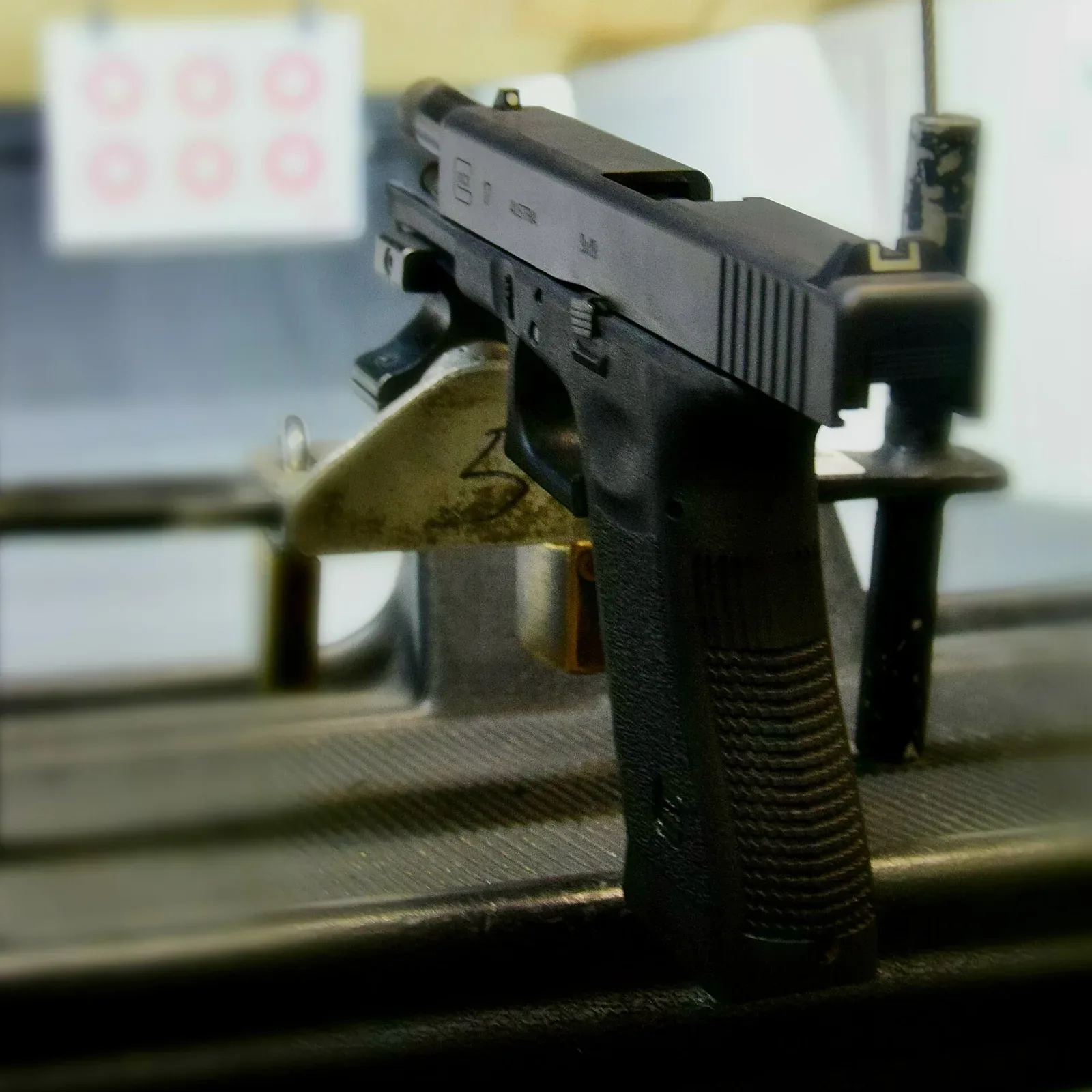
Budget vs. Race Gun Reality
You can start 3-Gun with $1,500 worth of gear if you buy smart. Basic AR-15, reliable pistol like a Glock or M&P, semi-auto shotgun like a Mossberg 930, competition belt, and holsters. That gets you shooting.
The rabbit hole goes deep though. I know guys with $4,000 race rifles, $2,500 pistols, and shotguns that cost more than my first car. They're not necessarily shooting better scores than the guy with the budget AR-15 and factory Glock.
| Category | Budget Option | Price | Race Gun Option | Price |
|---|---|---|---|---|
| Rifle | Basic AR-15 | $600 | Custom race rifle | $4,000 |
| Pistol | Glock/M&P | $500 | Open race gun | $2,500 |
| Shotgun | Mossberg 930 | $400 | Competition shotgun | $3,000+ |
| Belt/Holsters | Basic competition rig | $300 | Custom race setup | $800 |
| Total | $1,800 | $10,300 |
Essential vs. Optional Gear
What you actually need:
- Rifle that runs reliably with a decent trigger
- Pistol you can reload fast and shoot accurately
- Shotgun that cycles everything you feed it
- Belt setup that holds your gear securely
- Enough magazines to avoid mid-stage loading
What the gear snobs will tell you to buy:
- Everything else
Start basic, learn fundamentals, upgrade when specific equipment limitations hold you back. Most new shooters buy race guns before they can run a clean stage with basic equipment.
The Rules That Matteredit
Safety Rules
180-degree rule is non-negotiable -- break the imaginary line 90 degrees left or right of downrange and you're done for the day. Range Officers take this seriously because it's a safety issue.
Cold range means guns stay unloaded except when you're shooting a stage. Loading and unloading happens only under Range Officer supervision at designated areas. This isn't the place for casual gun handling.
Scoring and Strategy
Stage planning matters more than equipment. You get to walk through stages before shooting, figuring out shooting positions, reload points, and transitions. The guys who win aren't necessarily the fastest shooters -- they're the ones who plan efficient stage runs.
Penalties add up fast. Five seconds per miss, ten seconds for hitting a no-shoot target.
A clean 45-second stage run beats a sloppy 35-second run with penalties every time.
Getting Your Feet Wetedit
Finding Your First Match
Find local matches through USPSA.org or Facebook groups for your area. Most match directors are happy to explain equipment requirements and newcomer procedures.
Some clubs have loaner gear for first-time shooters.
Show up early for the safety briefing and equipment check. Range Officers inspect guns to make sure they meet division requirements and function safely. Tell them you're new -- good ROs provide extra guidance and patience.
First Match Expectations
Expect to finish near the bottom your first few matches. Focus on safe gun handling and completing stages without disqualification. Speed comes with experience, but safety habits need to be perfect from day one.
Realistic timeline for 3-Gun skill development and competitive progression
The learning curve is real. You're managing three platforms with different sight pictures, triggers, and manual of arms while moving and thinking tactically. Figure six months to feel comfortable, two years to be competitive locally.
The Money Talkedit
Match Costs
Local matches run $25-50 entry fees plus ammo costs. Figure 150 rifle rounds, 80 pistol, 80 shotgun per match. That's $60-100 in ammo depending on what you shoot.
| Expense Category | Local Match | Major Match | Annual Cost |
|---|---|---|---|
| Match Fees | $25-50 | $100-300 | $600-1,200 |
| Ammo per Match | $60-100 | $60-100 | $1,440-2,400 |
| Travel/Hotels | Minimal | $200-500 | $400-1,000 |
| Practice Ammo | - | - | $1,800-3,600 |
| Total Annual | $4,240-8,200 |
Practice and Equipment Expenses
Major matches cost more -- $100-300 entry fees, travel expenses, hotel costs. The big annual matches like Rocky Mountain 3-Gun or Texas Multi-Gun Championship are worth attending once you're hooked, but they're not beginner-friendly.
Practice ammo adds up if you take it seriously. Burning 500+ rounds monthly between range time and dry fire practice gets expensive. This isn't a budget hobby if you want to improve quickly.
Where to Startedit
USPSA membership ($60/year) gets you match insurance and access to the classification system. Most clubs require it for sanctioned matches. The classification system tracks your performance relative to other shooters, giving you measurable improvement goals.
3-Gun Nation membership offers discounts on major matches but isn't required for local competition. Save that money for ammo until you're competing regularly.
Look for clubs that offer new shooter orientations or equipment demos. The 3-Gun community is generally welcoming, especially to people who show up with the right attitude and focus on learning.
3-Gun rewards shooters who want to challenge themselves across multiple platforms while developing practical skills. The equipment barrier is real, the learning curve is steep, and the time investment is significant -- but it's the most comprehensive shooting sport you'll find.
If you enjoy problem-solving under pressure and don't mind spending money on a hobby that actually builds useful skills, 3-Gun delivers.
See Alsoedit
- USPSA Pistol Competition - Foundation skills for 3-Gun pistol work
- Competitive Shooting Equipment - Detailed gear selection guide
- Find Events
Last Updated: January 28, 2026
Loading comments...