Quick Reference
Airsoft Guide

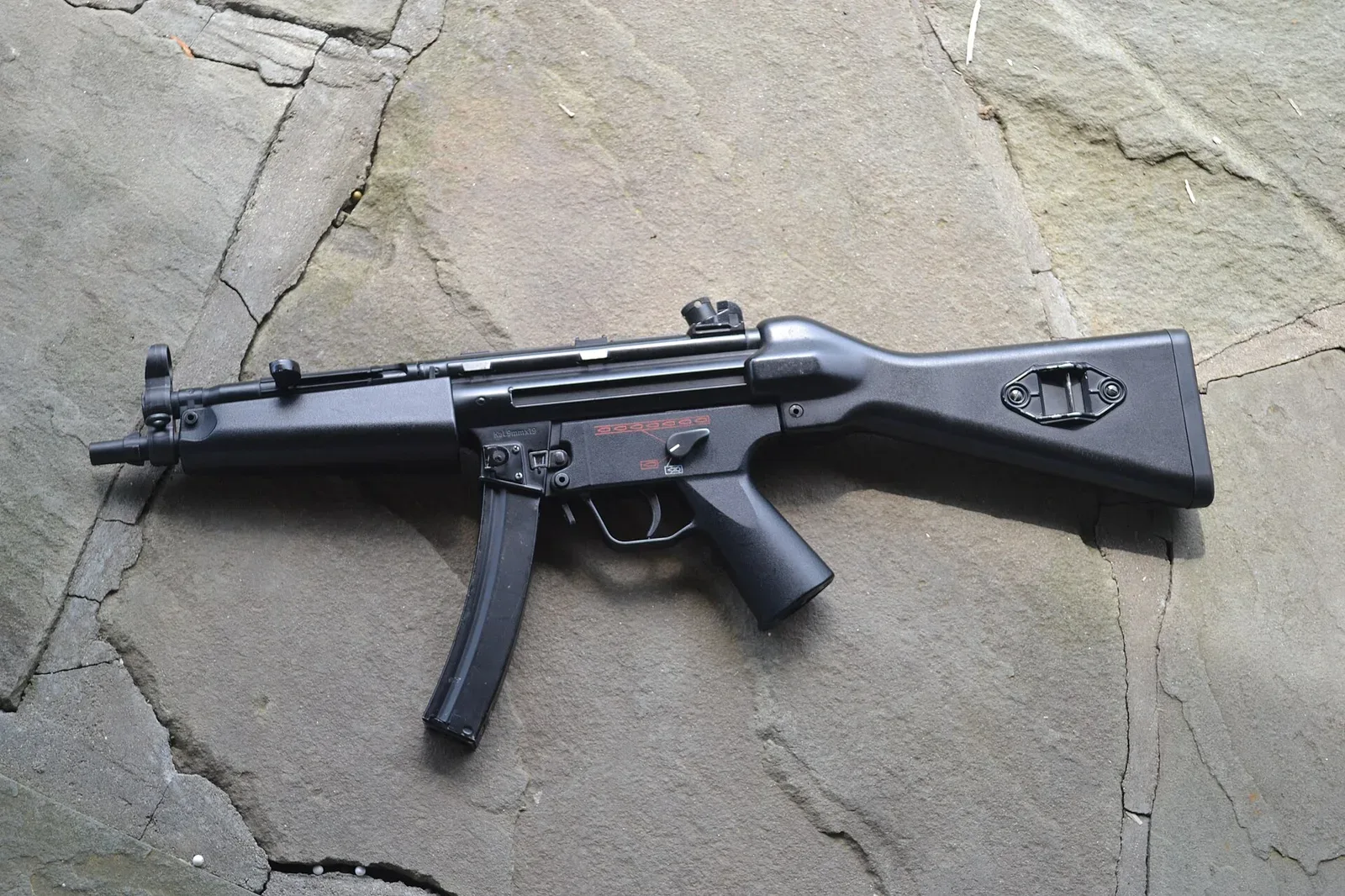
The Classic Army M15A4 SPC — a popular airsoft platform based on the M16 platform, typically firing 0.20–0.28g BBs via spring or AEG mechanisms.
English Wikipedia user AlecMoody (Public domain)
| Time & Effort | |
|---|---|
Read Time | 11 min read |
Equipment Needed | |
| |
Safety | |
| |
Key Takeaways | |
| |
| Divisions | |
SkirmishSpeedsoftMilsim (Military Simulation)CQB (Close Quarters Battle)Target CompetitionLARP Integration | |
Airsoft
Handbook article
From The Boise Gun Club Handbook
Airsoft gives you tactical training, team coordination, and trigger time without the cost of ammunition or the regulatory hassles of firearms--but don't mistake plastic BBs for real marksmanship development.
Recreation — No formal governing body
You're running replica guns that fire 6mm plastic BBs at other people who promise to call themselves out when hit. It sounds ridiculous until you're crawling through brush with your squad, coordinating flanking maneuvers over radio, and your heart rate spikes when someone starts laying down covering fire.
Airsoft emerged in 1970s Japan when civilian gun ownership was essentially banned. Smart manufacturers like Tokyo Marui figured out they could build incredibly detailed replica firearms that shot harmless plastic pellets. The sport spread globally through military communities and tactical enthusiasts who wanted realistic training scenarios.
How It Worksedit
Game Duration and Formats
Games range from quick 10-minute skirmishes to elaborate 48-hour military simulation events with storylines, objectives, and actual military command structure. You'll see everything from casual weekend warriors in jeans and t-shirts to hardcore milsim guys with thousands invested in authentic gear.
Evolution of airsoft from Japanese innovation to global phenomenon
Equipment and Power Systems
Spring-powered guns work for target shooting but you'll want electric (AEG) or gas-powered replicas for actual games. Velocities typically run 300-400 feet per second--enough to sting through clothing but rarely break skin. Most fields chronograph every gun to enforce safety limits.
The sport hit $2.2 billion globally in 2024 and keeps growing. Part of it's the gaming crossover appeal--tactical shooters translate surprisingly well to real movement and coordination. Part of it's accessibility--you can get meaningful tactical training without firearms licensing or live ammunition costs.
The honor system makes or breaks your airsoft experience--most players police themselves, but when someone doesn't call hits, there's no referee to appeal to.
Game Typesedit
Casual Play Options
Skirmish games dominate weekend play at most fields. Think capture the flag or team deathmatch with military flavor. These welcome all skill levels and gear types--perfect for beginners who show up in hiking boots and borrowed equipment.
CQB (Close Quarters Battle) happens in indoor arenas designed like building interiors. Room clearing, urban tactics, and engagement distances measured in feet rather than yards. Weather never matters.
Competitive Formats
Speedsoft appeals to competitive players seeking tournament-style play. Fast-paced indoor combat emphasizing speed and accuracy over realism. Lightweight gear, high-capacity magazines, and minimal military roleplay.
Milsim events attract serious enthusiasts willing to invest in authentic gear and follow military protocols. You might spend 24-48 hours in the field with strict uniform requirements, military rank structure, and complex mission objectives. Not for casual players.
| Game Type | Duration | Skill Level | Gear Requirements | Best For |
|---|---|---|---|---|
| Skirmish | 10-60 min | Beginner-friendly | Any gear acceptable | First-time players, casual fun |
| Speedsoft | 5-15 min | Competitive | Lightweight, tournament legal | Fast-paced competition |
| Milsim | 6-48 hours | Advanced | Authentic military gear | Realistic tactical training |
| CQB | 10-30 min | All levels | Indoor-optimized setup | Urban tactics, weather protection |
Choosing Your Style
Choose skirmish for casual fun, speedsoft for competition, milsim for realism. Most players eventually sample everything as their interests evolve.
Essential Gearedit
| Item | Budget Range | Notes |
|---|---|---|
| AEG Rifle | $100-300 | Avoid spring guns, electric gives consistent performance |
| Eye Protection | $15-50 | Must be ANSI Z87.1+ rated, full seal preferred |
| Face Protection | $10-40 | Required for under-18, smart for everyone |
| BBs (0.25g+) | $15/5000 | Heavier BBs for outdoor, lighter for CQB |
| Battery/Charger | $25-60 | LiPo batteries perform better than NiMH |
| Magazine Pouch | $20-80 | Chest rig or tactical vest to carry spares |
| Boots | $50-150 | Ankle protection crucial, hiking boots minimum |
Gear Priorities
Start with a reliable rifle, proper eye protection, and spare magazines before buying any tactical accessories.
Start with a reliable rifle and proper eye protection before buying tactical accessories--half the new guys look like Navy SEALs with guns that can't hit a barn door.
Rental vs Purchase
Most fields rent complete packages for $35-60 including gun, mask, and BBs. Try before you buy, especially if you're not sure the sport suits you.
Optional but useful:
- Sidearm pistol for close quarters engagement
- Red dot optic for faster target acquisition
- Tactical clothing for authentic experience
- Radio equipment for team communication
Play a few games first--you'll figure out what you actually need versus what looks cool.
Rules That Matteredit
Call your hits immediately and loudly. "Hit!" works fine, just make sure people hear you. Raise your weapon above your head and walk to respawn or exit the field. No arguments, no negotiations--if you felt the BB impact, you're out.
Minimum engagement distances prevent close-range injuries. Usually 10-20 feet for rifles, pistols can engage immediately. Velocity limits vary by field but typically cap around 400 FPS for rifles, 350 for pistols.
| Rule Category | Standard Requirement | Typical Penalties |
|---|---|---|
| Hit Calling | Immediate, audible "Hit!" | Warning, ejection for repeat offenses |
| Minimum Engagement | 10-20ft rifles, 0ft pistols | Ejection from current game |
| Velocity Limits | 400 FPS rifles, 350 FPS pistols | Re-chronograph or banned from play |
| Safety Zone | Weapons safe, mags out | Immediate ejection from facility |
| Dead Player Rules | No communication with live players | Game ejection, potential field ban |
Weapons stay on safety with magazines removed in safe zones. No exceptions. Don't handle other players' equipment without permission. Dead players can't provide intelligence to living teammates--that's called ghosting and fields will kick you out for it.
The honor system works because the community enforces it. Experienced players watch for cheaters and fields ban problem players. But expect occasional frustration--some people just don't get it.
Getting Startededit
Find local fields through Google or Facebook groups for your state. Most offer beginner-friendly game days with rental equipment and basic instruction. Call ahead--some fields require reservations or have age restrictions.
Watch YouTube videos about basic tactics and safety before your first game. Join local Facebook groups to ask questions and find welcoming player groups. Experienced players often enjoy mentoring newcomers and might let you try their equipment.
Step-by-step process for your first airsoft game session
Arrive early for safety briefings and weapon chronographing. Listen carefully to game rules and objectives--ask questions if anything's unclear. Bring water, snacks, and weather-appropriate clothing. Games can last all day.
Costsedit
Expect $300-500 to get started with decent equipment, then $20-35 per game session.
| Cost Category | Initial | Annual (Casual) | Annual (Serious) |
|---|---|---|---|
| Equipment | $300-500 | $50-100 | $200-500 |
| Game Fees | $20-35/session | $400-700 | $800-1500 |
| Ammunition/BBs | $30-50 | $100-200 | $300-600 |
| Maintenance | $25-50 | $100-200 | $200-400 |
| Travel | Variable | $200-500 | $500-1200 |
| Total | $375-635 | $850-1600 | $2000-4200 |
Hidden Expenses
Hidden costs add up--gun maintenance, gear addiction, transportation to distant fields, multiple weapons for different game types.
Budget carefully the first year since equipment costs front-load heavily.
Airsoft sits between casual gaming and competitive shooting sports financially. More expensive than video games, cheaper than precision rifle competition or racing.
Finding Fields and Eventsedit
Online Resources
AirsoftC3.com maintains a field directory for most regions. Indoor CQB facilities operate year-round in metropolitan areas, outdoor fields may be seasonal in northern climates.
Regional Facebook groups like "[Your State] Airsoft" list private games and events. Reddit's r/airsoft has regional threads for finding players and fields. Many paintball facilities host airsoft on designated days.
Premium Events
Larger milsim events happen at specialized venues--decommissioned military bases, private properties, purpose-built tactical facilities. Check MiR Tactical and major milsim organizers for these premium experiences.
Competition and Organizationsedit
NSL Sports and Competitive Speedsoft League organize tournaments with standardized rules and prize structures. Individual fields set their own rules for casual play since no central governing body exists nationwide.
This decentralization allows flexibility but creates confusion when rules differ between venues. Most casual players never join formal organizations--they connect through field communities and social media instead.
Membership in competitive leagues only matters if you plan tournament participation. Local field communities provide everything most players need.
Airsoft works if you enjoy tactical thinking and team coordination, but don't expect it to develop real marksmanship skills--that requires actual firearms and proper instruction.
Last Updated: January 28, 2026
Loading comments...