Quick Reference
How to Choose Your First Shotgun

The 10-gauge shell — largest waterfowl round in common use, delivering maximum shot payload but punishing recoil.
Surv1v4l1st (CC BY-SA 4.0)
| Time & Effort | |
|---|---|
Read Time | 5 min read |
Equipment Needed | |
| |
| Prerequisites | |
| |
Safety | |
| |
Key Takeaways | |
| |
Related Topics | |
| |
How to Choose Your First Shotgun: A Beginner's Complete Guide
Handbook article
From The Boise Gun Club Handbook
Your first shotgun sets the tone for everything that follows--get it right and you'll have a reliable tool for decades, get it wrong and you'll be shopping again in six months.
- Action type: Pump, semi-auto, or break-action each serve different purposes
- Gauge selection: 12 vs 20-gauge isn't just about power--it's about what fits you
- Fit and purpose: A home defense gun and a duck hunting gun are built differently for good reasons
Walking into a gun store as a first-time shotgun buyer can feel like everyone's speaking a foreign language. Gauge, choke, action--it's enough to make you want to point at something and say "that one." But spend thirty minutes understanding the basics and you'll make a choice you're happy with for years.
Understanding Shotgun Actionsedit
The action is how your shotgun cycles shells--think of it as the difference between a manual and automatic transmission.
The three main shotgun action types and their key characteristics
Pump-Action Reliability
Pump-action shotguns require you to work the forend back and forth to eject spent shells and chamber fresh ones. You've seen this in every action movie. They're dead reliable because you control every part of the cycling process.
If something goes wrong, you rack it harder.
Semi-Automatic Speed
Semi-automatic shotguns cycle themselves using gas pressure from the fired shell. Pull the trigger, gun fires, automatically ejects the empty and loads the next round. Faster follow-up shots, but more complexity means more potential failure points.
Break-Action Simplicity
Break-action shotguns open like a book. Single-shots hold one shell, over/unders stack two barrels. Simple as it gets--you load by hand, fire, open the action, repeat.
| Action Type | Pros | Cons | Best For |
|---|---|---|---|
| Pump-Action | Extremely reliable, inexpensive, simple maintenance | Slower follow-up shots, requires manual operation | Beginners, home defense, hunting |
| Semi-Automatic | Fast follow-up shots, easier to operate | More complex, higher cost, potential reliability issues | Competitive shooting, waterfowl hunting |
| Break-Action | Ultimate simplicity, very reliable, compact storage | Slowest reloading, limited capacity | Target shooting, simple hunting scenarios |
For most new shotgun owners, pump-action makes the most sense. Proven reliability, universal parts availability, and decades of field testing make them the smart first choice.
The Mossberg 500 and Remington 870 have been proving themselves for fifty years. Parts are everywhere, every gunsmith knows them, and they work when you need them to work.
Gauge: Size and Poweredit
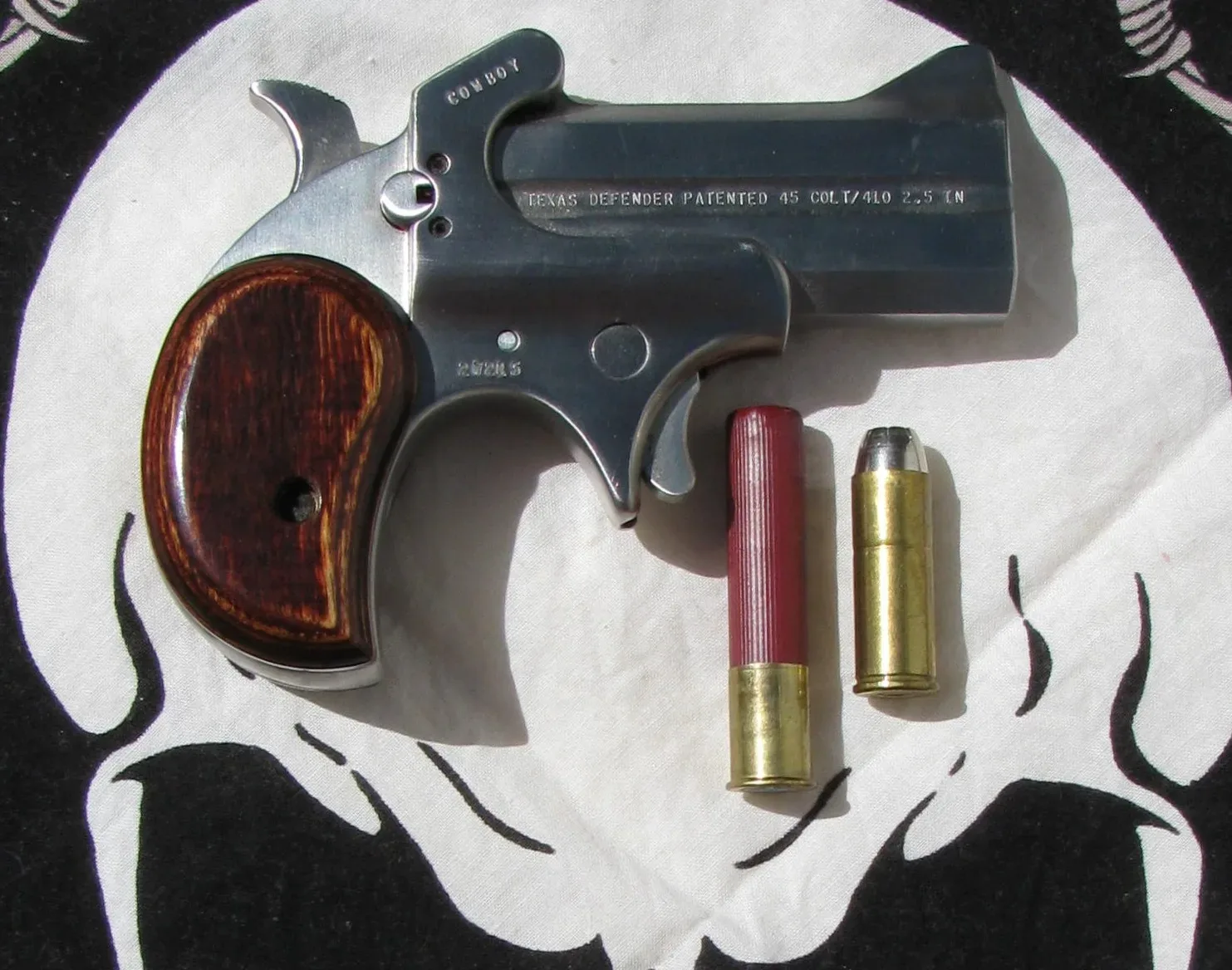
Here's where shotgun terminology gets backwards--smaller gauge numbers mean bigger bores. A 12-gauge has a larger diameter barrel than a 20-gauge.
The number originally represented how many lead balls of that bore diameter would equal one pound. Twelve lead balls for 12-gauge, twenty balls for 20-gauge. Bigger bore means more shot, more powder, more everything.
Understanding the Numbers
| Gauge | Bore Diameter | Shell Power | Recoil | Ammo Availability | Cost |
|---|---|---|---|---|---|
| 12-Gauge | 0.729" | High | Heavy | Excellent | Low |
| 20-Gauge | 0.615" | Moderate | Light | Good | Moderate |
| 16-Gauge | 0.663" | Moderate-High | Moderate | Limited | High |
| .410 Bore | 0.410" | Low | Very Light | Fair | High |
12-Gauge vs 20-Gauge
Most first-time buyers choose between 12-gauge and 20-gauge. The 12-gauge hits harder and offers more ammunition variety. Walk into any sporting goods store and you'll find 12-gauge shells for every purpose imaginable.
The 20-gauge kicks less and handles easier for smaller-framed shooters, but you'll have fewer ammunition choices and pay more for what you find.
If you're average-sized or larger and want maximum versatility, go 12-gauge. If recoil concerns you or you're primarily interested in upland birds, 20-gauge works fine.
Barrel Length and Chokesedit
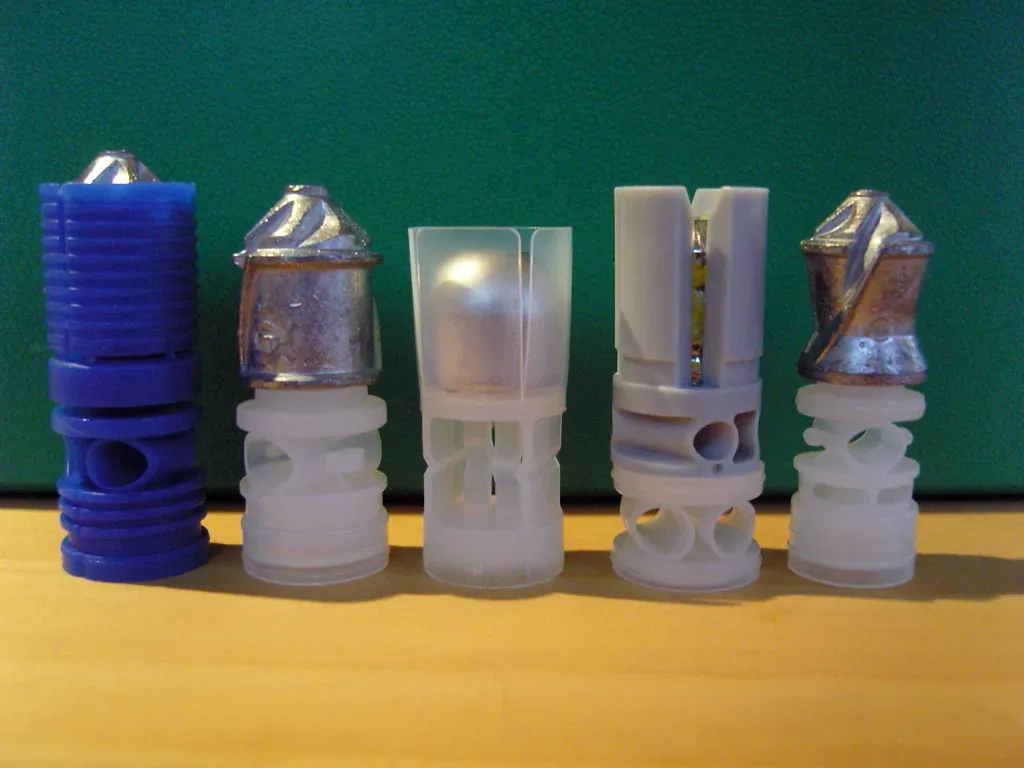
Barrel Length Trade-offs
Shorter barrels maneuver easier in tight spaces--think hallways and thick brush. Longer barrels swing smoother for moving targets and generally pattern better at distance. For a do-everything gun, something between 20-24 inches splits the difference.
Choke Basics
Chokes control how your shot spreads. Tighter chokes keep pellets together longer for distant targets. Open chokes spread shot wider for close, fast-moving targets. Many modern shotguns use interchangeable choke tubes, so you can adjust for different situations.
- Cylinder: No constriction, widest spread
- Improved Cylinder: Slight constriction for close targets
- Modified: Medium constriction for all-around use
- Full Choke: Tight constriction for distant targets
Don't overthink chokes initially. Most guns come with a modified choke that handles most tasks reasonably well.
Making Your Choiceedit
Define Your Purpose
Start by defining what you'll actually use this shotgun for. Home defense means different requirements than duck hunting or clay target shooting.
Be brutally honest about your primary purpose--it drives every other decision and prevents expensive mistakes.
Decision flowchart for selecting your first shotgun based on intended use
Budget Planning
Set a realistic budget that includes the gun, ammunition for practice, cleaning supplies, and safe storage. Figure $500-800 total for a quality starter setup including accessories.
Fit and Feel
Visit gun stores and handle different models. The gun needs to fit you properly--you should be able to reach all controls comfortably and shoulder it naturally. Length of pull (distance from trigger to buttstock end) matters more than most people realize.
Proven Models
| Model | Action | Gauge Options | Price Range | Best For |
|---|---|---|---|---|
| Mossberg 500 | Pump | 12, 20, .410 | $300-450 | All-around versatility |
| Remington 870 | Pump | 12, 20, 16, 28, .410 | $400-600 | Traditional reliability |
| Maverick 88 | Pump | 12, 20 | $200-300 | Budget-conscious buyers |
| Benelli SuperNova | Pump | 12, 20 | $500-700 | Premium performance |
Focus on proven models with good support networks. The Mossberg 500 series, Remington 870 (though recent quality control has been inconsistent), and Maverick 88 (Mossberg's budget line) dominate the beginner market for good reasons.
What Not to Doedit
- Don't buy based on appearance alone
- Don't assume more power is always better
- Don't skip professional training
- Don't load up on accessories immediately
That tactical-looking shotgun might photograph well, but if it doesn't fit your body or purpose, you'll regret it.
A 3.5-inch magnum 12-gauge sounds impressive until you're on the receiving end of the recoil. Start with standard 2.75-inch shells and work up if needed.
YouTube videos can't replace hands-on instruction from someone who knows what they're doing.
Learn to use the basic shotgun first, then add modifications if they solve actual problems you've identified.
Getting Startededit
Professional Training
Once you've made your purchase, your real education begins. Professional instruction is worth every penny--it's cheaper than developing bad habits you'll need to unlearn later.
Ammunition Selection
Start with lighter loads while you're learning. Standard velocity 2.75-inch shells are easier on your shoulder and wallet. Save the hot loads for when you actually need them.
Building Community
Join a local shooting club or find experienced shooters willing to mentor beginners. The shooting community generally welcomes new people who approach the sport with respect and a desire to learn.
Loading comments...