Quick Reference
Shotgun Chokes

| Time & Effort | |
|---|---|
Read Time | 6 min read |
Equipment Needed | |
| |
| Prerequisites | |
| |
Safety | |
| |
Key Takeaways | |
| |
Related Topics | |
| |
Understanding Shotgun Chokes: A Complete Beginner's Guide
Handbook article
From The Boise Gun Club Handbook
You're standing at the gun store looking at your first shotgun when the clerk asks "What choke do you want?" -- and if that made you panic a little, you're not alone.
- Think garden hose: Just like the nozzle controls water spray from wide mist to tight stream, chokes control how your shot pellets spread
- Get it right: You'll hit more clays and harvest game cleanly
- Get it wrong: You'll miss opportunities and waste shells
Most new shotgun owners feel overwhelmed by chokes, but they're actually pretty straightforward once you understand what they do.
What Chokes Actually Doedit
A choke is simply a constriction at the end of your shotgun barrel that squeezes the shot pellets together as they exit. Think of squeezing the end of a balloon as you let air out -- the tighter you squeeze, the more focused that air stream becomes.
Tighter chokes keep pellets together longer, giving you a denser pattern at longer distances. Looser chokes let pellets spread out quickly, covering more area up close.
How choke constriction affects shot pattern spread
The constriction gets measured in thousandths of an inch, typically ranging from no constriction (Cylinder) to about 0.040 inches (Full choke). A Full choke might squeeze your barrel from 0.729 inches down to 0.689 inches -- that tiny difference makes a huge impact.
Most modern shotguns use screw-in choke tubes, so you can swap them out for different situations. No more being stuck with whatever the factory gave you.
The Five Main Choke Typesedit
Each choke type serves specific purposes, and using the wrong one is like bringing a screwdriver to a hammer job.
| Choke Type | Constriction | Best Range | Primary Uses |
|---|---|---|---|
| Cylinder | 0.000" | Under 15 yards | Home defense, very close shots |
| Improved Cylinder | 0.010" | 15-25 yards | Fast-moving targets, quail, sporting clays |
| Modified | 0.020" | 20-35 yards | General hunting, most clay sports |
| Improved Modified | 0.025" | 30-40 yards | Longer duck shots |
| Full | 0.030-0.040" | 45+ yards | Turkey hunting, trap shooting |
You don't need to memorize those constriction measurements. Just understand that tighter chokes equal longer effective range but smaller hit area. If you're missing because your pattern is too tight, go looser. If you're hitting but not getting clean kills at distance, go tighter.
Choosing the Right Choke for Your Needsedit
Activity-Specific Recommendations
| Activity | Recommended Choke | Why |
|---|---|---|
| Home Defense | Improved Cylinder | Right spread/power balance at close range |
| Bird Hunting | Modified (general) | Versatile for most hunting distances |
| Waterfowl | Full | Longer shots, denser patterns |
| Upland Birds | Improved Cylinder | Close-flushing birds |
| Clay Sports | Modified | Most trap and sporting clays |
| Skeet | Skeet/Improved Cylinder | Close, fast targets |
| Turkey | Full/Extra Full | Maximum pellet density at 40+ yards |
Start with Modified choke for almost everything, then adjust based on what you're actually experiencing in the field.
Don't overthink your first choke choice. Modified choke handles about 80% of what most shooters do. Buy a Modified choke tube and shoot it for a few months before adding others. Pay attention to your actual shooting distances and results, not hypothetical scenarios.
Steel Shot Changes Everythingedit
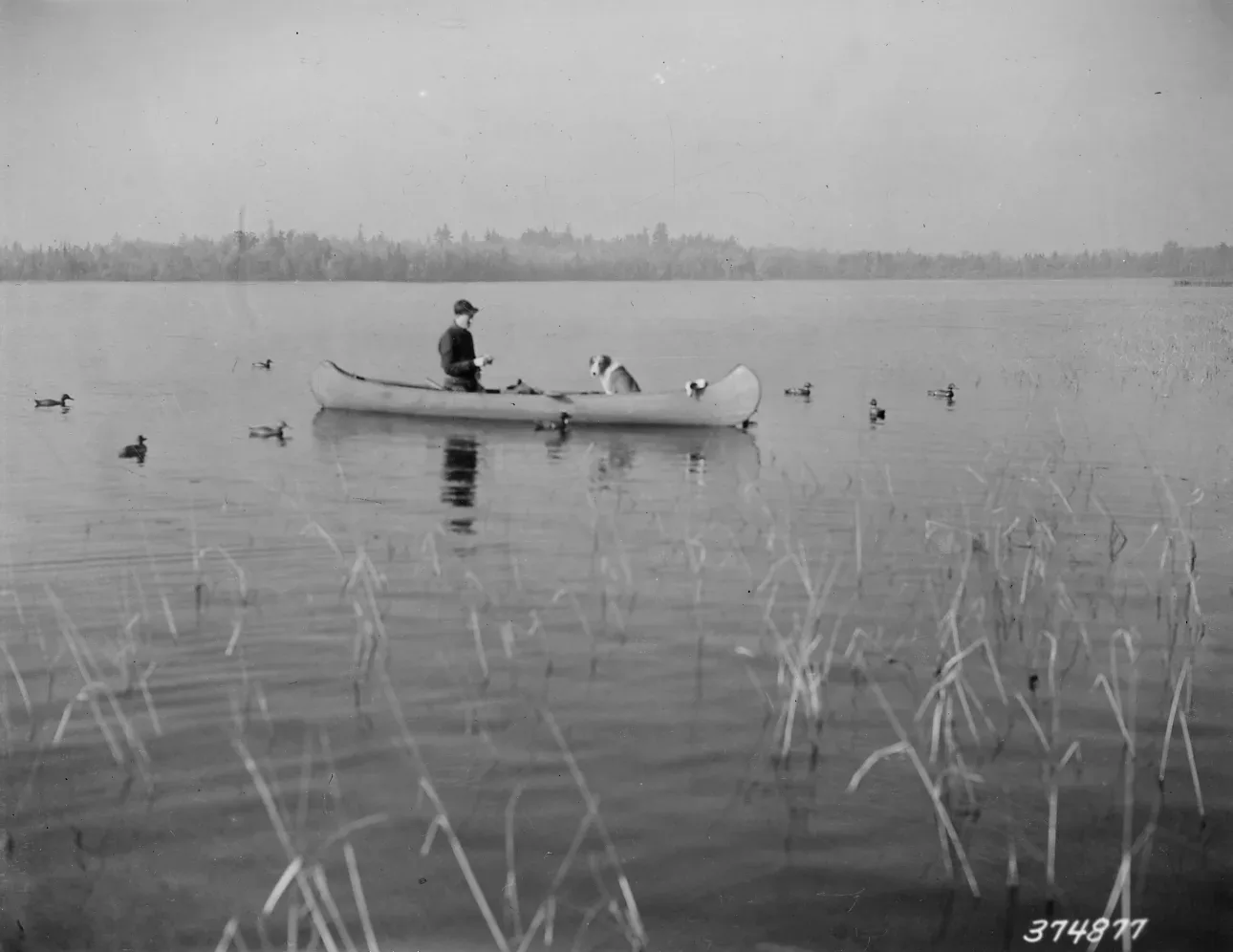
If you hunt waterfowl, you'll use steel shot instead of lead shot, and this completely changes how chokes work. This catches a lot of new hunters off guard.
| Shot Type | Choke Adjustment | Why |
|---|---|---|
| Lead Shot | Use as marked | Soft pellets compress through choke |
| Steel Shot | Drop down one choke size | Hard pellets don't compress, pattern tighter |
| Example | Modified → Improved Cylinder | Steel through Modified = Lead through Full |
Steel doesn't compress like lead, so it patterns tighter through the same choke. Your Modified choke will shoot steel shot like a Full choke would shoot lead. Many hunters drop down one choke size when using steel -- use Improved Cylinder instead of Modified choke.
Always pattern your specific gun/choke/shell combination before hunting. What works in your buddy's gun might not work in yours.
Installing and Maintaining Choke Tubesedit
Installation Process
Most choke tubes thread into the barrel with just your fingers plus a choke tube wrench for the final snug. Hand-tighten first, then use the wrench to snug it down -- don't overtighten or you'll have problems later.
Always check that your choke tube is properly tightened before shooting. A loose choke can damage your barrel or injure someone. If you feel any resistance when installing a choke, stop and check the threads.
Maintenance Tips
Remove and clean choke tubes after every few shooting sessions to prevent them from seizing. A tiny bit of anti-seize compound on the threads prevents stuck chokes that'll ruin your day.
Patterning Your Shotgunedit
Every gun shoots differently, so you need to see what your specific setup actually does on paper. Set up a large sheet of paper (or several taped together) at 25 yards. Fire at the center and count pellet holes in a 30-inch circle around your point of aim.
| Pattern Quality | Pellets in 30" Circle | What It Means |
|---|---|---|
| Excellent | 70%+ evenly distributed | Ideal performance |
| Good | 60-70% well distributed | Acceptable for most uses |
| Poor | Under 60% or gaps | Try different choke/ammo |
A good pattern puts about 70% of the pellets in that circle with even distribution. Patterning tells you your effective range and helps you pick the right choke for your gun.
If you're getting gaps in your pattern, try a different choke or shell brand. Keep notes on what combinations work in your gun -- you'll thank yourself later.
Common Beginner Mistakesedit
Most new shotgun owners make the same predictable errors with chokes.
Top Choke Mistakes
- Using Full choke for everything: You'll miss more close shots than you'll gain on long ones
- Never changing chokes: Different situations really do call for different tools
- Buying fancy chokes first: Master the basics with standard tubes before specialty chokes
- Ignoring gun fit: The fanciest choke won't help if your gun doesn't fit properly
Choke selection matters, but it's not magic. Proper gun fit, good shooting fundamentals, and practice matter much more. Focus on learning to shoot well with a Modified choke before worrying about fine-tuning.
A good shooter with the 'wrong' choke will outperform a poor shooter with the 'perfect' choke every time.
Building Your Choke Collectionedit
Recommended order for building your choke tube collection
First purchase: Modified choke (probably came with your gun). Second addition: Improved Cylinder for closer work. Third addition: Full choke if you plan to hunt turkeys or shoot trap. Later additions: Specialized chokes for specific games or hunting situations you actually do.
Don't fall for the gear trap. You can do a lot of shooting with just two or three choke tubes.
Loading comments...