Legal Details
Public Land Shooting in Idaho

The Susie Fire in Nevada's Adobe Range (2011) — a typical Great Basin wildfire driven by low moisture and sparse vegetation that define fire season conditions.
Famartin (CC BY-SA 3.0)
| Identification | |
|---|---|
| Jurisdiction | |
Territory | Idaho |
Administered By |
|
| Key Provisions | |
| |
| Applicability | |
| Applies To | All recreational target shooters on BLM and U.S. Forest Service lands in Idaho |
| Exemptions |
|
| Penalties | Citations and fines for violations including distance violations, fire restriction violations, and inadequate backstop usage |
Related Laws | |
Public Land Shooting in Idaho
Legal information and analysis
From The Boise Gun Club Handbook
Disclaimer: This is educational information only and not legal advice. Always consult current regulations and local authorities before shooting on public lands.
Idaho's got millions of acres where you can shoot without paying range fees or dealing with range officers hovering over your shoulder--but screw up the rules and you'll get slapped with federal citations that hurt your wallet.
- The reality: BLM and Forest Service lands welcome shooters, but rangers don't mess around with safety violations or fire restrictions
- Common mistakes: Guys shooting too close to roads or during fire bans face hefty fines
- State difference: Most states shut down public land shooting--Idaho keeps it open if you follow the rules
Distance Rules That Actually Get Enforcededit
Minimum Distance Requirements
Stay 150 yards from any building, campsite, or occupied area. Period.
Rangers patrol regularly and carry range finders—'it looked farther' doesn't work as an excuse.
| Distance Requirement | Applies To | Enforcement Reality |
|---|---|---|
| 150 yards minimum | Buildings, campsites, occupied areas | Rangers carry range finders |
| No shooting from/over roads | All vehicle routes including dirt tracks | Includes abandoned-looking paths |
| Adequate backstop required | All shooting locations | Natural hills or berms mandatory |
Even a .22 can travel way beyond that distance, and ricochets don't follow the physics you learned in high school.
Road Proximity Rules
No shooting from, over, or across any road. That includes those forgotten dirt tracks that look abandoned. Get well away from any vehicle route and watch for ricochet risks--bullets bounce in directions that'll surprise you.
Backstops and Safe Zonesedit
Natural Backstop Requirements
You need a natural hill or berm that'll actually stop your bullets. Flat desert with nothing behind your target is a citation waiting to happen, no matter how empty it looks out there.
Your rounds can travel for miles. I've seen too many guys think they're safe shooting into open country because "nobody's around."
That's not how ballistics work.
Restricted Areas Within Public Lands
Some zones within public lands ban shooting entirely--wilderness areas often prohibit target shooting, wildlife habitats have seasonal restrictions, and special management areas come with their own rules. Check before you drive out.
Fire Season Reality Checkedit
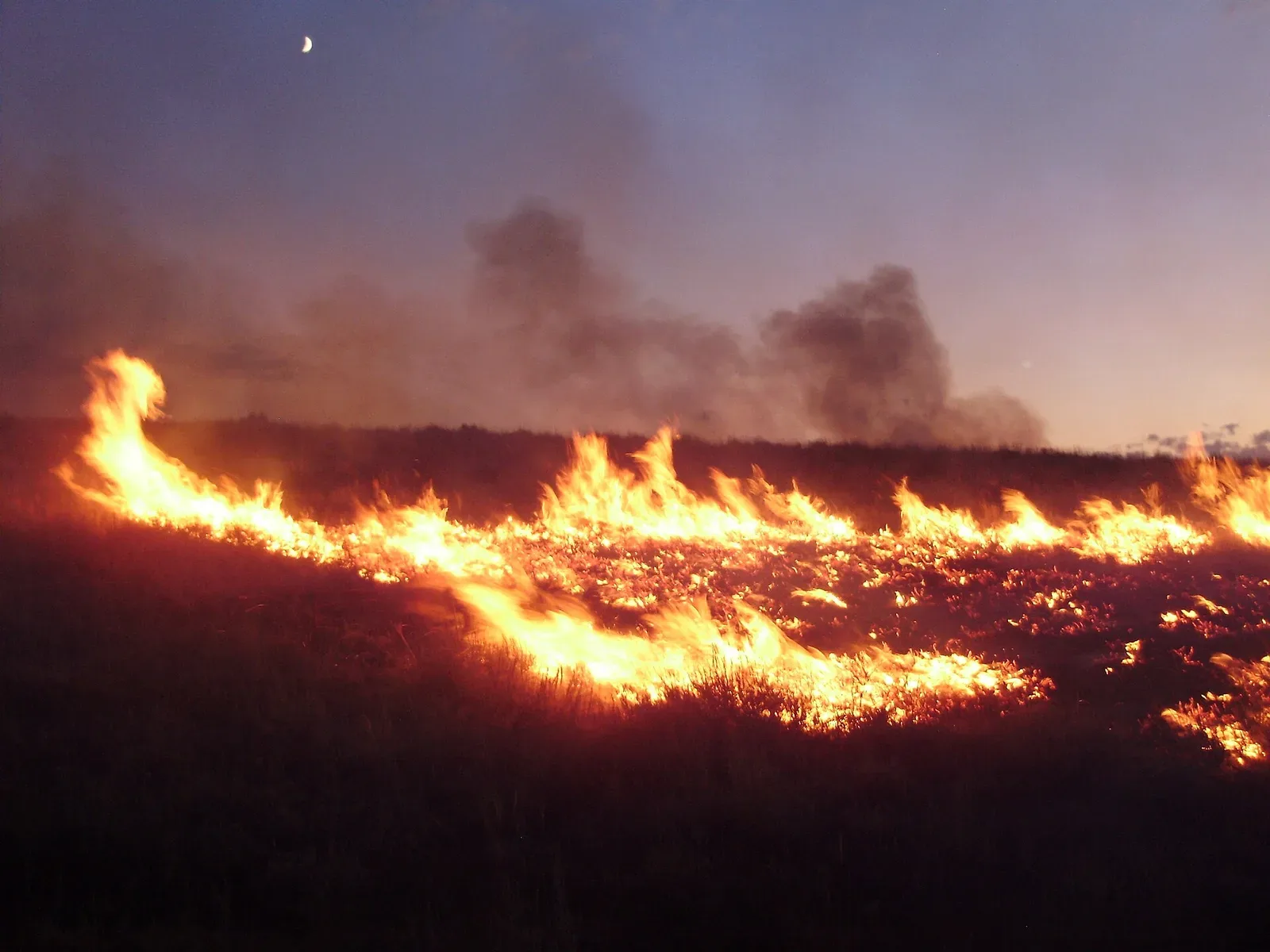
When fire danger spikes, shooting gets banned faster than you can load a magazine--and for damn good reason.
Fire Danger Levels
| Fire Restriction Level | Shooting Status | Ammunition Restrictions | Exceptions |
|---|---|---|---|
| Low fire danger | Generally permitted | Standard rules apply | None |
| Moderate danger | Restricted areas | No steel-jacketed rounds | May vary by location |
| High danger | Severely limited | Paper targets only | Hunter exemptions possible |
| Extreme/Total ban | Prohibited | All recreational shooting banned | Hunters may still be allowed |
- Steel-jacketed ammo: Sparks on rocks and starts fires instantly
- Ricochet dangers: Those sparks ignite dry vegetation in seconds
- Total fire bans: Often shut down all recreational shooting
- Hunter exceptions: Sometimes still allowed during complete bans
Enforcement Reality
Fire restrictions aren't suggestions—they're federal law with federal consequences.
I've watched entire hillsides burn from one careless shot. Fire restrictions aren't suggestions--they're federal law with federal consequences. Check current conditions before every single trip, not just during summer.
What You Can and Can't Shootedit
Prohibited Target Types
Leave the Tannerite at home--exploding targets are banned on BLM lands.
Stick with paper targets and clay pigeons. Shooting at metal objects or glass creates shrapnel hazards and fire risks. That old appliance someone dumped might look like fun, but it's dangerous and illegal.
- Paper targets (always acceptable)
- Clay pigeons (biodegradable)
- Metal objects (prohibited - shrapnel and fire risk)
- Glass containers (prohibited - dangerous fragments)
- Appliances or dumped items (illegal and hazardous)
Cleanup Requirements
Pack out everything you brought in, including spent brass. Bring a tarp to catch your cases--makes cleanup way easier and keeps rangers happy. Leave No Trace applies to shooters too.
Finding Good Spotsedit
Location Scouting Strategy
Drive until you can't see roads, then drive some more.
Look for natural berms or steep hillsides for backstops. Avoid rocky areas where ricochets multiply your problems. Summer means staying away from dry vegetation--one spark and you're explaining yourself to federal fire investigators.
Safety Verification Process
Site selection process for safe public land shooting locations
The practical approach works: scout during safe conditions, mark your GPS coordinates, and verify your backstop from multiple angles.
What looks safe from one direction might be wide open from another.
Citations That Cost Real Moneyedit
Distance violations happen because people guess instead of measure. "But it looked farther than 150 yards" gets you the same fine as someone who knew better.
Current fire conditions are your responsibility to check—rangers don't care that you didn't know.
| Violation Type | Common Excuse | Fine Reality | Prevention |
|---|---|---|---|
| Distance violations | "Looked farther than 150 yards" | Same fine regardless of intent | Measure, don't guess |
| Fire restriction ignorance | "Didn't know about the ban" | No reduction for ignorance | Check conditions every trip |
| Inadequate backstops | "Nobody was out there" | Physics don't care about occupancy | Verify from multiple angles |
Fire restrictions ignorance costs the same as willful violation. Current conditions are your responsibility to check--rangers don't care that you didn't know.
Inadequate backstops get cited even when "nobody's out there." Bullet physics don't change based on how empty the desert looks.
Before Every Tripedit
Call the local BLM or Forest Service office every time you head out. Fire restrictions change overnight, and what was legal yesterday might be banned today.
Pre-trip verification process for Idaho public land shooting
The bottom line: Idaho's public land shooting isn't going anywhere, but fire seasons keep getting longer and fire restrictions keep getting tighter--learn the rules now and follow them religiously, or risk losing these opportunities for everyone.
Last Updated: 2026-01-15
See Alsoedit
- Ace Hardware of Sandusky(Sandusky, MI)
- New Philly Sportsman Specialities(New Philadelphia, OH)
- Atwoods Ranch & Home #46(LACY LAKEVIEW, TX)
- G & P Distributors(McConnellsburg, PA)
This is not legal advice
This guide provides general information about federal and state firearms laws based on publicly available statutes. Laws change frequently and vary significantly by state. Always verify current laws in your jurisdiction. Consult a qualified attorney for legal advice on your specific situation. When in doubt, contact local law enforcement or state police.
Loading comments...