Quick Reference
Range Etiquette Basics

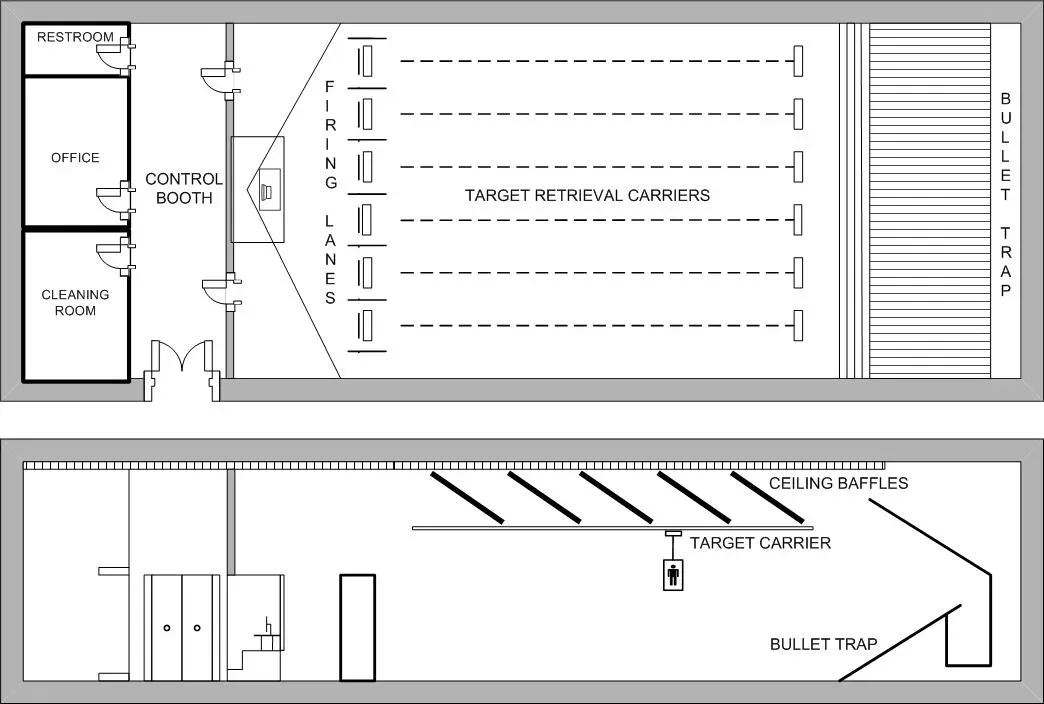
Outdoor range layout showing progressive distance markers — essential for shooters to understand range geometry and safe backstop placement before firing.
NIOSH (Public domain)
| Time & Effort | |
|---|---|
Read Time | 9 min read |
Equipment Needed | |
| |
| Prerequisites | |
| |
Safety | |
| |
Key Takeaways | |
| |
Related Topics | |
| |
Range Etiquette Basics
protocols that keep everyone safe and respected
From The Boise Gun Club Handbook
The four fundamental safety rules apply everywhere, but ranges add their own layer of protocols that'll get you ejected—or worse, blacklisted from Idaho's tight shooting community.
- Word travels fast: Break these unwritten rules and you'll find doors closed at ranges across the valley
- Experience matters: I've watched good shooters get banned from multiple ranges because they couldn't adapt their garage habits to shared space
Know Your Range Type Before You Loadedit
Cold vs Hot Range Protocols
Most public ranges operate cold—your gun stays unloaded until you're at the firing line, muzzle downrange, ready to shoot. You don't load your carry gun in the parking lot. You don't chamber a round walking to your lane.
Hot ranges are different. Private clubs or tactical facilities where you keep loaded guns in holsters. If you're not sure which you're visiting, assume cold and ask the Range Safety Officer before touching anything.
| Range Type | Loading Policy | Holster Rules | Target Changes |
|---|---|---|---|
| Cold Range | Unload before leaving firing line | No loaded holsters | All shooters step back, unload |
| Hot Range | Loaded holsters permitted | Qualified shooters only | Coordinated with RSO |
| Public Indoor | Always cold | No holsters typically | Controlled by range staff |
| Private Club | Varies by facility | Member-dependent | Club protocols apply |
Target Change Procedures
When someone calls the range cold for target changes, everyone steps back from the firing line. Guns get unloaded, actions open, magazines out. Don't touch your firearm until the RSO calls it hot again.
One Lane, One Shooter, Clear Communicationedit
What this means for you: Stick to your lane unless you've coordinated otherwise—and if you're teaching someone, you're responsible for everything they do wrong.
- Position yourself properly: Stand slightly behind and to the support side where you can pin their arms down instantly
- Maintain muzzle discipline: Downrange at all times, even during reloads or malfunction clearing
- Control the brass: Keep your cases to yourself—if your AR is flinging brass three lanes over, adjust position
Never go downrange without RSO approval. At unstaffed ranges, establish verbal contact with every shooter: "Going cold" or "Going downrange" shouted clearly, then wait for acknowledgment.
Gear That Keeps You Welcomeedit
Required Safety Equipment
| Essential Gear | Purpose | Notes |
|---|---|---|
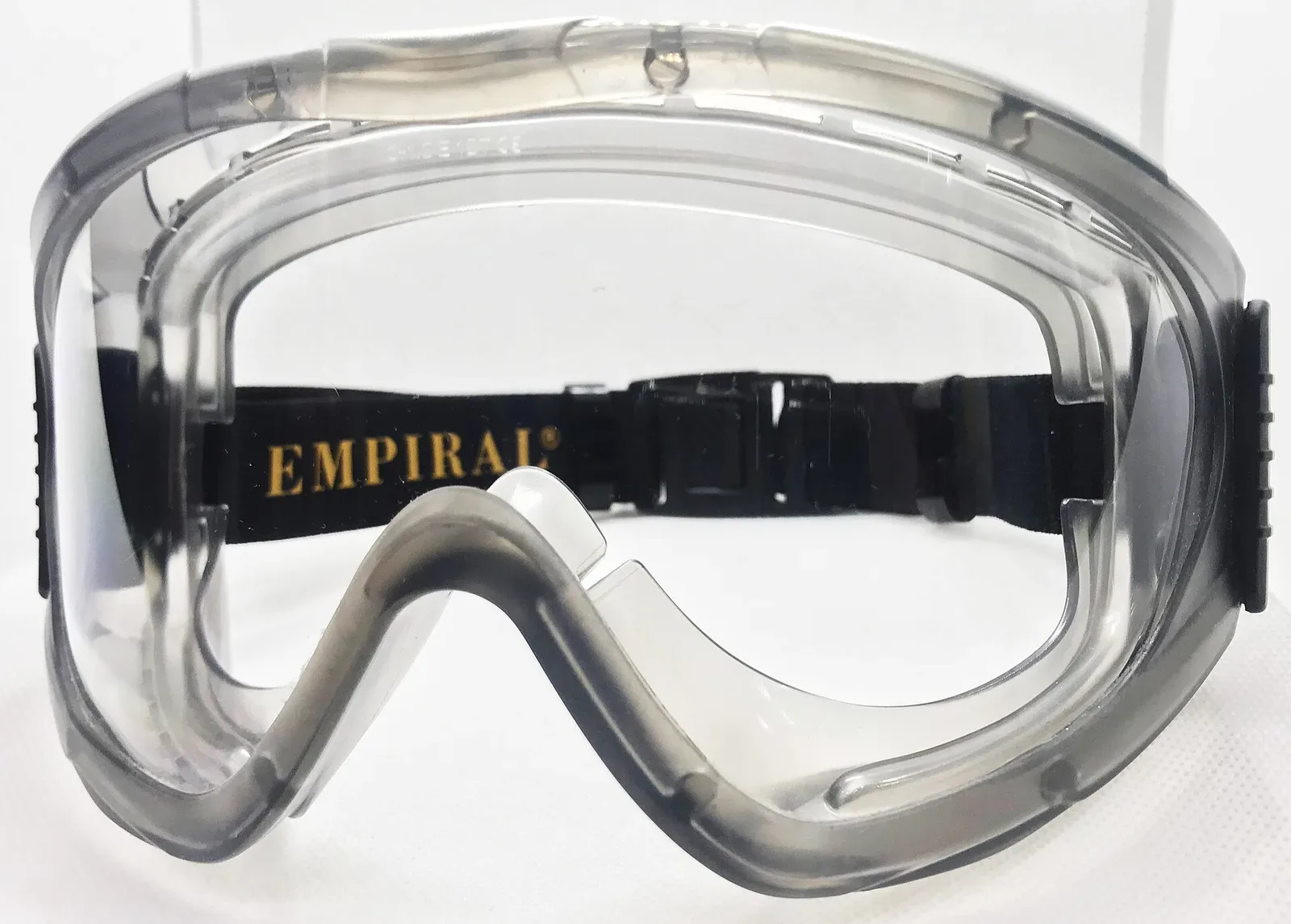
| Eye Protection | Required by all ranges | Safety glasses minimum, wrap-around preferred |
| Ear Protection | Required by all ranges | Foam plugs + muffs for magnum calibers |
| Extra Targets | Range courtesy | Bring more than needed |
| Staple Gun/Tape | Target mounting | Check if range provides |
| Basic Cleaning Kit | Obstruction clearing | Bore snake, cleaning rod |
| First Aid Kit | Emergency preparedness | Basic cuts and scrapes |
Eye and ear protection aren't suggestions—every range requires them even if Idaho law doesn't. Foam plugs under muffs if you're near magnum rifles or running your own gun hard.
Bring more targets than you think you'll need. Staple gun or tape. Target stands if the range doesn't provide them. Basic cleaning kit for clearing obstructions.
Range Hygiene and Contamination
Leave your phone in your pocket unless you're timing splits. Taking group photos during cold ranges is fine, but scrolling Instagram between strings while your loaded gun sits on the bench is how negligent discharges happen.
Don't bring food or drinks to the firing line. Lead contamination is real—treat your hands as contaminated from the moment you touch ammo until you wash them properly.
Emergency Commands Everyone Followsedit
Universal Stop Commands
"Cease fire" means exactly that—finger off trigger, gun pointed downrange, action open if possible, immediately. Don't ask why. Don't finish your magazine. Someone saw something unsafe.
"Cease fire" means exactly that—no exceptions, no finishing the magazine, no questions asked until the situation is resolved.
When to Intervene
Offering advice is tricky territory. If someone's muzzle is drifting or their finger's on the trigger while talking, intervene: "Hey, muzzle's drifting" or "Finger off the trigger." Direct, specific, immediate.
If they're just shooting poorly, keep quiet unless they ask. Nobody came for unsolicited coaching from strangers. Exception: genuinely lost new shooters where "First time here?" opens the door.
| Command | Immediate Action | Follow-up |
|---|---|---|
| "Cease Fire" | Stop shooting immediately | Gun downrange, action open |
| "Range Cold" | Step back from line | Unload completely |
| "Muzzle Drift" | Correct direction | Check surroundings |
| "Medical Emergency" | Stop all activity | Secure firearms, assist if trained |
Speed Limits and Movement Rulesedit
Public ranges typically prohibit:
- No holster draws at most public ranges
- Rapid fire restrictions vary by facility
- Movement drills typically prohibited
- Controlled pairs acceptable where rapid fire allowed
Where rapid fire is allowed, "rapid" doesn't mean mag-dumping. Controlled pairs with visible recovery between shots.
Some ranges define rapid fire as anything over one round per second. Others are more permissive. Check before running drills—definitions vary wildly between facilities.
The Social Contract Nobody Explainsedit
Police your brass if you're collecting, but understand the range policy first—some sell scrap brass to fund operations, making collection theft. Don't crowd other shooters when fifteen lanes are open.
Keep sessions reasonable when others are waiting. Shooting something unusual—black powder, magnum loads, that weird wildcat you loaded? Give nearby shooters a heads up. "About to touch off some magnums, might be loud" is courteous.
When Equipment Failsedit
Recognizing Malfunctions
Squib loads happen—you hear a pop instead of bang, or recoil feels wrong. Stop. Open the action. Do not fire another round. You likely have a bullet stuck in the barrel, and firing behind it can blow up your gun and your hand.
Hang fires are rare with modern ammo but possible. Trigger press with no response? Keep the gun downrange for thirty seconds before opening the action.
Malfunction response flowchart for range safety
Negligent Discharge Protocol
A negligent discharge is serious business. Round goes into the ground, ceiling, or bench? Stop immediately. Inform the RSO. Check for injuries and property damage. Learn from it, be honest—the shooter who says "it just went off" is the one nobody trusts.
A negligent discharge is serious business—honesty and learning matter more than excuses.
Teaching and Sharing Lanesedit
Lane Coordination
Sharing lanes with friends requires coordination—establish who's shooting when, one gun hot at a time unless you're both highly experienced and have shot together before.
Supervising New Shooters
Teaching new shooters demands complete attention. You're responsible for their safety and everyone else's. Kids need constant supervision, age-appropriate firearms, proper-fitting ear protection, and clear rule understanding before touching anything.
RSO Authority and Range Politicsedit
Range Safety Officers have absolute authority on their range. They can be wrong, but arguing while guns are out isn't the time. Comply, then discuss after the range is cold.
Proper response to Range Safety Officer authority
Most RSOs are volunteers or underpaid staff dealing with everyone from seasoned competitors to complete novices. If they correct you, say "understood" and adjust. Don't explain why you were doing it differently or cite other ranges.
Bad RSOs exist—power-trippers with arbitrary rules. Bring it up with management later. During your session, stay safe and leave early if needed.
Range Maintenance and Cleanupedit
Clean your area when you're done. Spent cases on the ground are normal, but targets left on frames, empty boxes, and trash aren't. Pack what you'll shoot that session—don't be the guy who brings fifty guns across three lanes.
Test your carry setup hard at the range. Malfunctions here are learning opportunities. Malfunctions during defensive use are fatal.
Range etiquette exists because firearms are unforgiving—every rule addresses something that has injured or killed someone somewhere.
See Alsoedit
- R&R Sports & Outdoors(Brandon, FL)
- Cash America Pawn(BRYAN, TX)
- Bi-mart - Yakima (Fruitvale Ave)(Yakima, WA)
- New Philly Sportsman Specialities(New Philadelphia, OH)
Loading comments...