Quick Reference
Magazine Capacity Laws by State: What You Need to Know Before You Travel

| Time & Effort | |
|---|---|
Read Time | 12 min read |
Magazine Capacity Laws by State: What You Need to Know Before You Travel
Handbook article
From The Boise Gun Club Handbook
You're driving from Idaho to visit family in New Jersey. You've got your EDC on your hip and a couple of standard-capacity magazines in your bag. Somewhere around Pennsylvania, you cross into a state where everything you're carrying is now a felony. This isn't a hypothetical -- it happens to people every year who assume the rules don't change at state lines.
Fourteen states and the District of Columbia have some form of magazine capacity restriction right now. The limits range from 7 rounds on the low end to 20 rounds on the high end, the definitions aren't consistent, and several of these laws are actively being contested in court. Here's what each of those states actually says -- and what you need to watch for.
The Big Picture: Who Restricts Whatedit
Before getting into state-by-state details, understand that these laws aren't uniform in what they restrict. Some states ban possession outright. Others only restrict sale, transfer, or purchase. Some have grandfather clauses for magazines you already owned before the law passed. Some have local ordinances that are stricter than the state law.
The threshold that triggers a restriction also varies:
| Threshold | States Using It |
|---|---|
| More than 10 rounds | CA, CT, DC, HI (handguns only), IL (rifles), MD, MA, NJ, NY, OR, RI, WA |
| More than 15 rounds | CO, IL (handguns), VT (handguns) |
| More than 17 rounds | DE |
| More than 20 rounds | VA (handguns, pending legislation) |
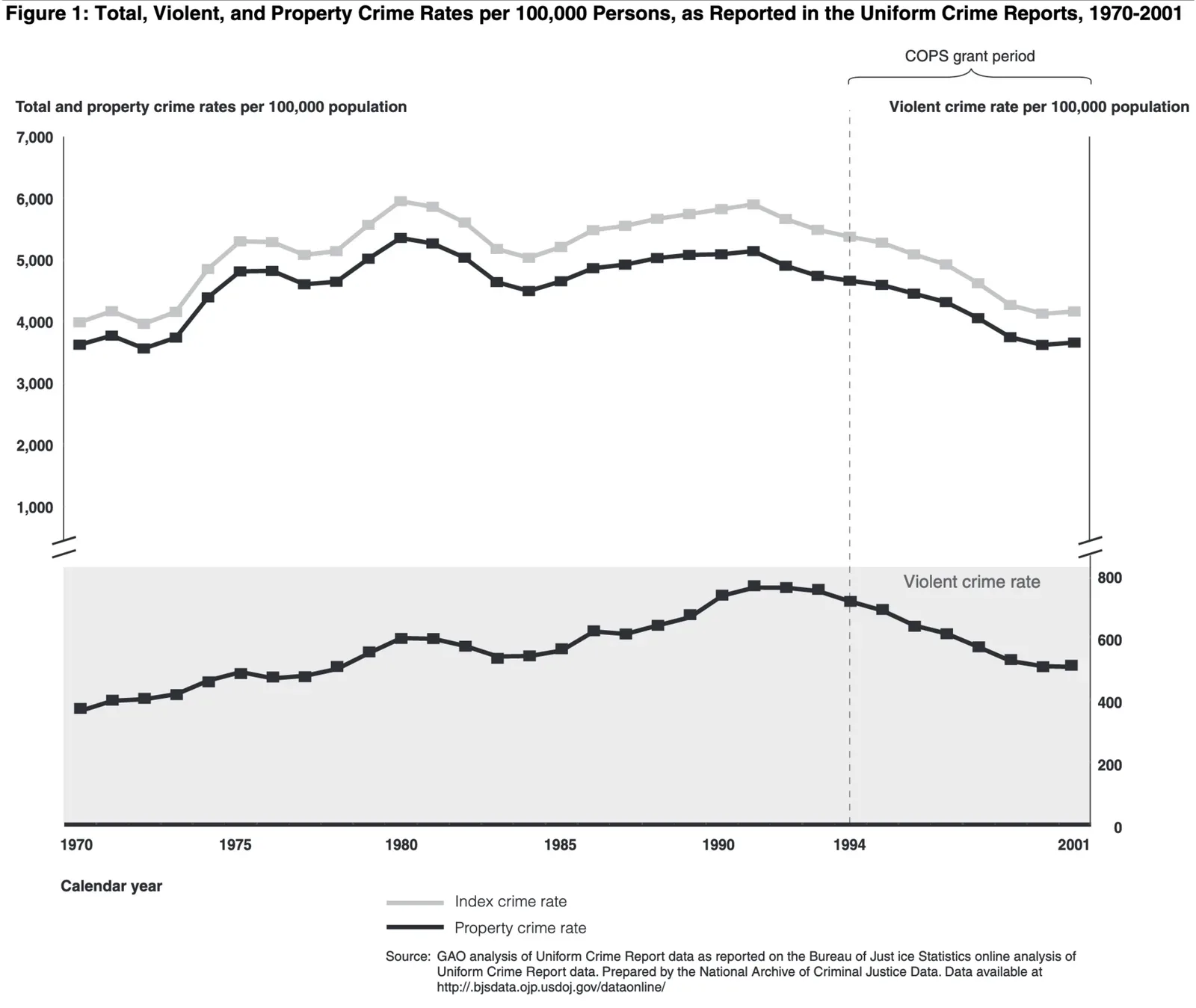
The federal Violent Crime Control and Law Enforcement Act set a 10-round threshold from 1994 to 2004, then expired. Since then, regulation has been left entirely to the states -- which is why the patchwork looks the way it does.
State-by-State Breakdownedit
California — 10-Round Limit
California's law under California Penal Code Section 32310 prohibits the possession, sale, purchase, import, transport, and manufacture of magazines holding more than 10 rounds. In September 2023, U.S. District Court Judge Roger Benitez ruled the ban unconstitutional under the Second Amendment. The 9th Circuit voted 7-4 in October 2023 to keep the ban in effect while California appeals.
As of the sources used here, the ban remains enforced. Don't bring standard-capacity magazines into California and expect the court ruling to protect you -- it won't.
Colorado — 15-Round Limit
Colorado prohibits the sale, transfer, or possession of magazines holding more than 15 rounds, with a grandfather clause for magazines owned continuously since before July 1, 2013. If you owned it before that date and can prove continuous possession, you're covered. If you can't prove that -- you're not.
Note that Boulder's Ordinance 5-8-2 goes further: the city limits magazines to 10 rounds, which is tighter than the state law. If you're passing through or visiting Boulder specifically, that matters.
Connecticut — 10-Round Limit
Connecticut bans the distribution, importation, sale, purchase, and keeping for sale of high-capacity magazines -- defined as holding more than 10 rounds. Violations carry a Class D felony. There's a grandfather clause for magazines possessed before January 1, 2014, and an exemption for permanently altered magazines that can't accept more than 10 rounds. People moving into the state have 90 days to render non-compliant magazines inoperable, sell them to a dealer, or remove them from the state.
Delaware — 17-Round Limit
Delaware implemented its restriction in 2022, prohibiting the manufacture, sale, purchase, receipt, transfer, or possession of magazines holding more than 17 rounds. Law enforcement, military, and individuals holding a concealed carry permit issued under Section 1441 are exempt.
District of Columbia — 10-Round Limit (Currently Enjoined)
This one is in active legal flux. DC defines "large capacity ammunition feeding device" as anything capable of holding more than 10 rounds.
On March 5, 2026, the DC Court of Appeals ruled in Benson v. United States that the District's magazine ban violates the Second Amendment. The court invalidated the ban, vacated the defendant's conviction, and found the law unconstitutional.
As of late March 2026, DC has not requested a stay, meaning the 10-round ban is not currently being enforced. However, DC still has the option to seek rehearing or appeal -- which could result in a stay being put back in place. Do not treat this as permanently resolved.
Hawaii — 10-Round Limit (Handguns Only)
Hawaii restricts detachable magazines with a capacity exceeding 10 rounds that are designed for or capable of use with a pistol. The law applies specifically to handgun magazines. There is no grandfather clause -- pre-owned magazines are not exempted.
Illinois — 10 Rounds (Rifles) / 15 Rounds (Handguns)
Illinois passed the Protect Illinois Communities Act (Public Act 102-1116), signed January 10, 2023, which prohibits the manufacture, delivery, sale, or purchase of rifle magazines holding more than 10 rounds and handgun magazines holding more than 15 rounds. Individuals who possessed non-compliant magazines before the law took effect were required to submit an endorsement affidavit through their FOID account by January 1, 2024.
Maryland — 10-Round Limit
Maryland prohibits the manufacture, sale, offer for sale, purchase, receipt, or transfer of any detachable magazine holding more than 10 rounds. Active and retired law enforcement officers are exempt.
Massachusetts — 10-Round Limit
Massachusetts defines "large-capacity feeding device" under Title XX, Chapter 140, Section 121 as any fixed or detachable magazine capable of accepting more than 10 rounds of ammunition or more than five shotgun shells. The law bans sale, transfer, and possession. A grandfather clause applies to magazines lawfully possessed before September 13, 1994. A 2024 law (H 4885) expanded restrictions further, including registration requirements for new and current residents.
New Jersey — 10-Round Limit
New Jersey prohibits magazines capable of holding more than 10 rounds for semi-automatic firearms. The current 10-round limit was reduced from 15 in 2018. A bill to remove the capacity limit (NJ S2488) was introduced in May 2022 and as of late 2024 remained pending in committee. Exemptions exist for authorized military and law enforcement, and for competitive shooters participating in matches sanctioned by the director of Civilian Marksmanship.
New York — 10-Round Limit
New York prohibits the manufacture, transportation, disposal, and possession of any magazine capable of accepting more than 10 rounds. The SAFE Act initially pushed the limit to seven rounds, but that provision was ruled unconstitutional and reverted to 10. The SAFE Act also removed the previous exemption for magazines manufactured before September 13, 1994, which matters if you thought older mags were grandfathered.
Oregon — 10-Round Limit (Recently Reinstated)
Oregon voters passed Ballot Measure 114 in November 2022, prohibiting the manufacture, importation, possession, use, purchase, sale, and transfer of magazines holding more than 10 rounds. A Harney County judge had put the law on hold, finding it violated the state constitution. On March 12, 2025, a three-judge panel with the Oregon Court of Appeals reversed that decision and reinstated Measure 114. The plaintiffs indicated they would appeal to the state Supreme Court, so this remains in motion.
Rhode Island — 10-Round Limit
Rhode Island passed its magazine ban in 2022. Current owners had until January 1, 2023 to modify, surrender, or transfer non-compliant magazines. Anyone still in possession of a prohibited magazine faces up to five years in prison and a $5,000 fine. A federal appeals court upheld the law in 2024. Rhode Island's new restrictions on "military-style weapons" and magazines over 10 rounds also came into effect in 2026.
Vermont — 10 Rounds (Long Guns) / 15 Rounds (Handguns)
Vermont enacted its restrictions in 2018, generally prohibiting the sale, purchase, possession, manufacture, and importation of magazines over 10 rounds for long guns and over 15 rounds for handguns. A grandfather clause covers magazines lawfully possessed on or before April 11, 2018. Exemptions exist for law enforcement, government officials, and competitive shooters. Non-residents may transport a high-capacity magazine into the state exclusively for use in an organized shooting competition sponsored by an entity registered with the secretary of state, provided the magazine is lawfully possessed under the laws of another state.
Virginia — Changes Coming July 1, 2026
Virginia currently has no law restricting magazine capacity for general possession, though its definition of "assault firearm" under existing law includes semi-automatic pistols equipped with magazines holding more than 20 rounds. However, legislation sent to the governor in early March 2026 -- which she was expected to sign -- would ban the sale, import, and manufacture of magazines over 15 rounds after July 1, 2026. Existing owners would be permitted to keep what they have.
If you're in Virginia and reading this before July 1, 2026, the window to purchase is still open. After that date, the sale and manufacture restriction kicks in.
Washington — 10-Round Limit
Washington has prohibited the manufacture, importation, distribution, selling, and offering for sale of rifle and pistol magazines holding more than 10 rounds since 2022. A lower court found the restriction unconstitutional in April 2024 based on Second Amendment grounds. The state Supreme Court ruled in July 2024 that the ban would remain in effect while further legal action continued. The Washington Supreme Court heard arguments on January 14, 2025 -- as of mid-March 2025, no decision had been issued.
The Grandfather Clause Problemedit
Several states have grandfather provisions, but they're not all the same -- and the burden is often on you to prove compliance.
| State | Grandfather Cutoff | What's Required |
|---|---|---|
| Colorado | July 1, 2013 | Continuous possession since that date |
| Connecticut | January 1, 2014 | Legal declaration required |
| Massachusetts | September 13, 1994 | Lawful possession before that date |
| New Jersey | N/A | No grandfather clause |
| New York | January 15, 2013 | Magazines obtained after this date are prohibited |
| Vermont | April 11, 2018 | Lawfully possessed on or before that date |
If you're relying on a grandfather clause, document it. Receipts, photos, anything dated before the cutoff date helps your case if you're ever questioned.
Local Ordinances: The Layer Under the Layeredit
State law isn't always the final word. Some cities have enacted restrictions that go beyond what their state requires -- or imposed restrictions in states that have no state-level ban at all.
- Boulder, Colorado — Ordinance 5-8-2 limits magazines to 10 rounds, tighter than the state's 15-round limit
- Columbus, Ohio — Ordinance 3176-2022 made possession of magazines holding 30 or more rounds illegal (Ohio has no state restriction); that ordinance is being challenged and will go before the state Supreme Court
Always check local ordinances, not just state law.
What Changes at State Lines When You Traveledit
If you're transporting firearms across state lines, the magazine restrictions of every state you pass through technically apply to you -- not just your destination. There is no federal safe harbor law that protects magazine possession in the same way the Firearm Owners Protection Act of 1986 provides some protection for firearm transport.
Safety Note: If you're driving through a restricted state with a non-compliant magazine, even locked in a case in your trunk, you could be in violation of state law. Ignorance of the law is not a defense.
Practical approach for travel through restricted states:
- Know the limit for every state on your route -- not just your destination
- Use 10-round magazines if your route crosses multiple restricted states
- Keep compliance magazines separate and accessible to demonstrate intent
- Store everything unloaded and secured during transit
What the Courts Are Doing Right Nowedit

This area of law is genuinely unsettled. Multiple cases are working through the federal court system, and the Bruen decision from the Supreme Court (2022) changed the constitutional test for evaluating these laws -- which is why you're seeing previously upheld laws getting struck down on remand.
| State/Jurisdiction | Status as of Sources |
|---|---|
| California | Ban in effect; Benitez ruling on appeal |
| DC | Ban struck down in Benson v. United States (March 2026); no stay requested |
| Oregon | Measure 114 reinstated by Court of Appeals (March 2025); plaintiffs appealing |
| Washington | Ban in effect pending state Supreme Court decision |
| Virginia | New 15-round cap on sales/manufacture pending, expected July 1, 2026 |
These cases can move quickly -- a ruling that drops on a Tuesday can change your compliance situation by Wednesday. Check the current status before you travel.
States Without Magazine Restrictionsedit
The majority of states impose no magazine capacity restrictions at the state level. According to Everytown Research, 36 states have not adopted high-capacity magazine prohibitions. This includes Idaho, Texas, Florida, Arizona, Pennsylvania, and most of the South and Mountain West.
That said, even in unrestricted states, individual cities may have local ordinances. Columbus, Ohio is the clearest example in the source material.
Practical Takeawaysedit
This isn't a set-it-and-forget-it topic. These laws change -- through legislation, through court rulings, and through local ordinances that don't always make national news.
- If you live in or travel to any of the 14 restricted states, know the specific limit and what acts are prohibited (possession vs. sale vs. manufacture)
- Grandfather clauses exist in several states but require you to prove pre-existing ownership
- DC's ban is currently enjoined as of March 2026 -- but that can change
- Virginia's new restrictions on sale and manufacture of magazines over 15 rounds are expected to take effect July 1, 2026
- Oregon's Measure 114 is reinstated but still being litigated
- Local ordinances can be stricter than state law -- check both
For legal advice specific to your situation, talk to an attorney who practices firearms law in the relevant state. The law in this area is moving fast enough that any resource you read -- including this one -- should be treated as a starting point, not the final word. Last Updated: March 30, 2026
Loading comments...