Quick Reference
When to See a Gunsmith

Checkering a rifle stock — a precision hand skill that improves grip texture and demonstrates traditional gunsmith craftsmanship.
TeamZissou (CC BY-SA 4.0)
| Time & Effort | |
|---|---|
Read Time | 9 min read |
| Frequency | As needed when problems arise beyond routine maintenance capability |
Equipment Needed | |
| |
| Prerequisites | |
| |
Safety | |
| |
Key Takeaways | |
| |
Organization | |
| American Gunsmithing Association | |
Related Topics | |
| |
When to See a Gunsmith
know when professional intervention becomes necessary
From The Boise Gun Club Handbook
That line between "I can fix this myself" and "I need a professional" isn't just about skill—it's about turning a $150 repair into a $600 disaster with one wrong move.
Your rifle's throwing patterns like a drunk at last call, and your 1911's cycling about as reliably as Boise traffic predictions. Before you fire up YouTube at 2 AM with a Dremel in hand, understand something: crossing that DIY line wrong is how functioning guns become expensive lessons.
What You Can Actually Handleedit
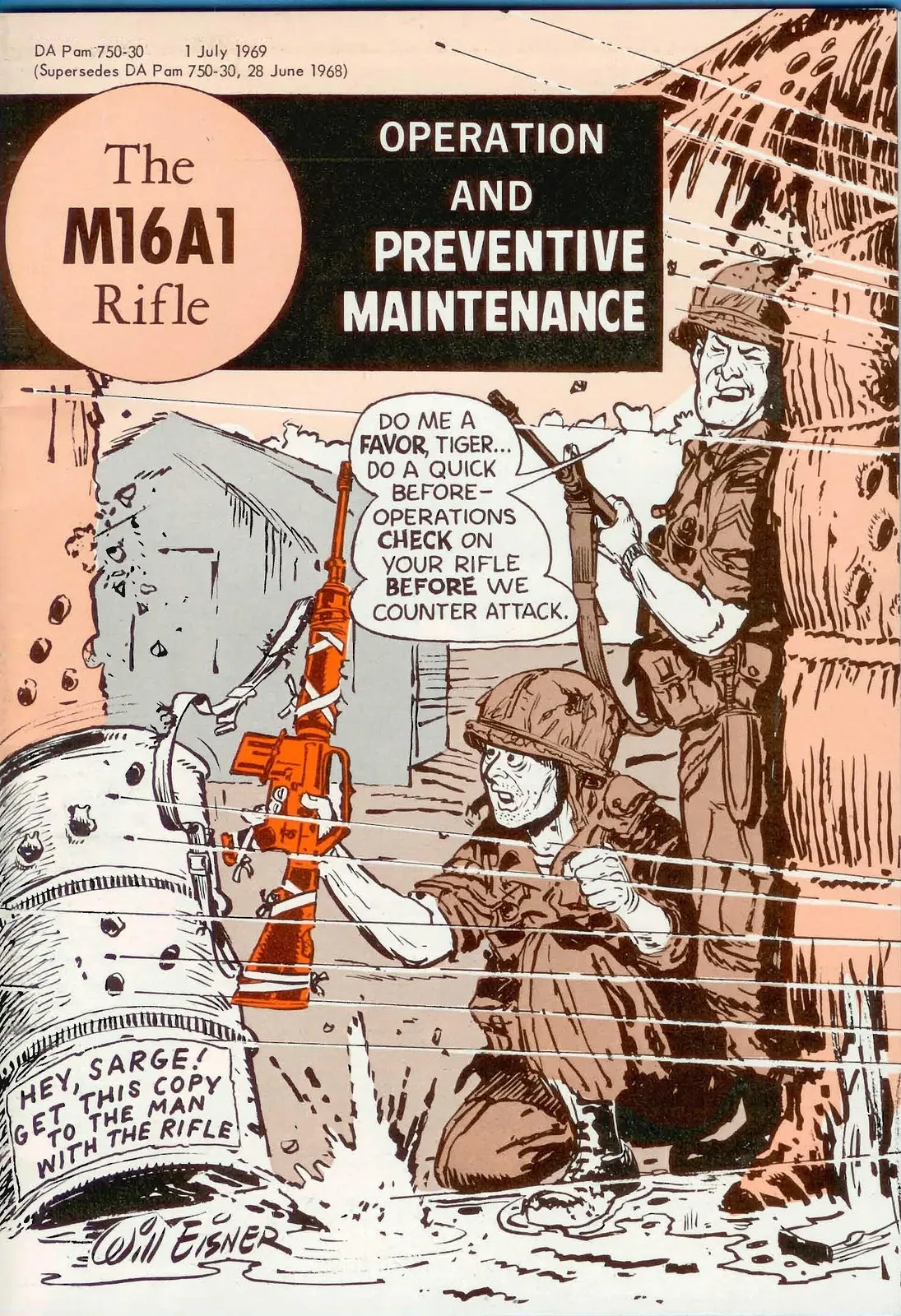
Basic Maintenance vs. Gunsmithing
If the manufacturer put it in the owner's manual, you can probably do it yourself without professional help.
Basic maintenance isn't gunsmithing—it's gun ownership. Field strips, cleaning, lubrication, and swapping obviously worn springs are your responsibility, not specialty work.
Safe DIY Territory
You're good to go with:
- Complete teardown and cleaning per manual
- Spring swaps like extractors and recoil springs
- Drop-in furniture that doesn't need fitting
- Basic trigger installs designed for home use
- Sight adjustments with provided tools
- Magazine maintenance
| You Can Handle | Leave to Professionals |
|---|---|
| Field strip per manual | Headspace adjustments |
| Basic cleaning/lubrication | Barrel fitting/threading |
| Drop-in springs (extractor, recoil) | Trigger sear engagement work |
| Drop-in furniture (no fitting) | Crown repair/replacement |
| User-designed trigger installs | Slide-to-frame fitting |
| Sight adjustments with provided tools | Action timing repairs |
| Magazine maintenance | Chamber work |
If it's designed for user replacement and you've got instructions, you're generally safe. Idaho's packed with shooters who've never needed a gunsmith for routine stuff.
When Something's Actually Brokenedit
Diagnosing Accuracy Problems
What this means for you: Accuracy problems come in two flavors—you screwed up, or the gun did. Rule yourself out first.
Before blaming the rifle, shoot from a solid rest with sandbags. Take your ego out of it. If you're suddenly grouping 4 MOA with a rifle that shot 1 MOA last season, and three different shooters confirm it, something mechanical changed.
Decision flowchart for diagnosing gun problems
Function Failures
Time to see a professional when function problems persist after proper cleaning. Light primer strikes, extraction failures, feeding issues—these scream timing problems or worn parts you can't diagnose without proper measurement tools.
Don't start filing because some forum hero said it worked for him.
Accuracy tanked without explanation? Crown damage, throat erosion, loose scope bases, action screw problems—diagnosis needs experience and tools you probably don't own.
Headspace and Timing Issues
Anything involving headspace means barrel work, bolt modifications, chambering issues. Too tight and factory ammo won't chamber. Too loose and you're risking case separation and a face full of brass.
This isn't YouTube territory.
Complex Mechanical Work
Trigger work beyond drop-ins requires understanding sear engagement, contact surface work, and factory trigger modifications. Mess up and you've got either a dangerous gun or one that won't fire. There's a reason gunsmiths carry liability insurance.
Slide-to-frame or barrel fitting, especially 1911s, needs professional work. If it requires lapping, filing, or precise material removal for proper lockup, that's skilled work requiring years of experience.
The Money Realityedit
Understanding Professional Rates
Good gunsmiths charge $75-100/hour around Idaho because they're worth it—still cheaper than replacing guns you've destroyed trying to save money.
Getting Accurate Estimates
Get written estimates before scheduling work. "Fails to extract every third round with Federal 180-grain" gives them actual information. "Doesn't work right" tells them nothing useful.
When Repair Isn't Worth It
Some repairs aren't economical. That $300 hunting rifle needing $400 in action work? Buy a better rifle.
Good gunsmiths will tell you this—they'd rather do interesting work than polish turds.
| Service Type | Typical Idaho Cost | Timeframe |
|---|---|---|
| Sight installation | $40-80 | 1-2 weeks |
| Trigger jobs | $100-200 | 2-4 weeks |
| Barrel threading | $100-150 | 2-3 weeks |
| Action bedding | $150-300 | 3-6 weeks |
| Rebarreling | $400-800+ | 2-4 months |
| Custom builds | $1,500+ labor | 4-12 months |
Finding Someone Competentedit
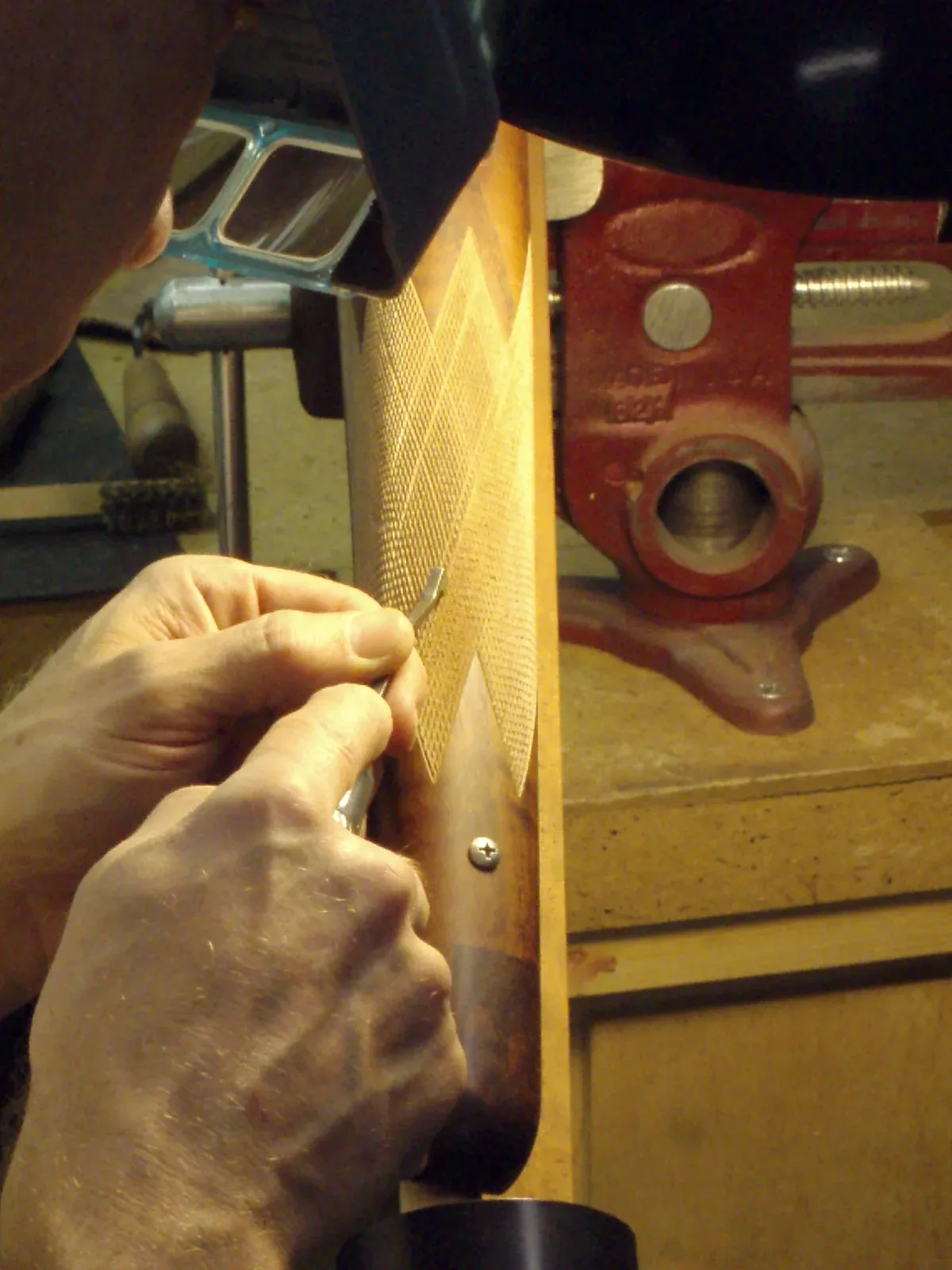
Experience vs. Equipment
The guy with a new lathe and fresh shingle isn't the same as someone with a decade of actual work behind them.
What to Look For
Look for specific experience with your platform type, proper shop with real machining equipment, references from shooters you trust, professional memberships like American Gunsmithing Association, clear communication about timelines and costs, and willingness to explain what's wrong and why.
| Green Flags | Red Flags |
|---|---|
| Platform-specific experience | No written estimates |
| Professional shop with real equipment | Works from truck/shows |
| References from trusted shooters | Can't explain problems clearly |
| Professional memberships (AGA) | Badmouths all competitors |
| Clear timeline/cost communication | No liability insurance |
| Willingness to explain issues | Finds "new problems" constantly |
Reputation Research
Ask around your local range. Good gunsmiths stay busy through word-of-mouth. If nobody's heard of them, there's probably a reason.
The Waiting Gameedit
Timeline Expectations
Gunsmith timelines operate on geological time, not human urgency. Three months for routine work isn't unusual. Six months for custom stuff is normal.
Planning for Delays
Plan accordingly. Don't drop off your only elk rifle in September expecting it back for October season.
What this means for you: For deadline work, call six months ahead, get deadlines in writing, have backup plans anyway, and don't call weekly for updates—it doesn't speed anything up. Rush jobs cost extra because you're jumping ahead of people who planned better.
What to Bring, What to Sayedit
Show up with the unloaded, cased gun plus any parts you've tried replacing. Bring ammo that demonstrates the problem if applicable. Write down symptoms and what you've already attempted.
Preparation checklist for gunsmith visit
Don't show up with a filthy gun expecting them to diagnose if it's fouling or mechanical issues. Clean it first—they fix problems, not neglect.
Be specific. "Shoots low and left" is actionable information. "Doesn't feel right" isn't. For intermittent problems, describe frequency and conditions. Three failures in 100 rounds tells a different story than three in ten.
Red Flags Worth Avoidingedit
Walk away if they:
- Won't provide written estimates
- Keep finding "additional problems" that inflate costs
- Can't explain clearly what's wrong
- Don't carry liability insurance
- Work from their truck at gun shows
- Guarantee specific accuracy without seeing the gun
- Badmouth every competitor in town
Also concerning: getting guns back with new problems they didn't arrive with. Professional shops check their work.
When NOT to Goedit
Some problems aren't gun problems—they're shooter problems, and no gunsmith can fix your fundamentals.
Skip the gunsmith if you're shooting like garbage. The gun's probably fine. Your flinch and inconsistent fundamentals aren't mechanical issues. Get coaching before blaming equipment.
You want Instagram modifications? Just because some influencer has seventeen custom Glock mods doesn't mean you need them. Most guns work better stock.
Everything functions fine but you're bored? Tinkering for its own sake turns working guns into projects. If it works, shoot more instead of modifying.
Don't mine free information to avoid paying them—that's how you make their "difficult customer" list.
The YouTube Temptationedit
Watching someone do a trigger job in twelve minutes doesn't give you their ten years of experience knowing when something's going wrong.
Maybe you can handle it. But understand the difference between watching and having the muscle memory, tools, and backup knowledge for when plans go sideways. Those videos don't show the experience that immediately recognizes when parts aren't fitting right.
Start simple. Graduate slowly. Have proper workspace, tools, and backup plans. Know when you're over your head before turning minor issues into expensive education.
The guys rebuilding 1911s in their garages didn't start there—they started with field strips and cleaning, then moved to spring replacement over years. Skipping steps doesn't build competence faster; it just creates stories gunsmiths tell about repairs gone wrong.
Getting Your Money's Worthedit
When paying for professional work, follow their maintenance recommendations, keep records of work performed, ask questions about problems and solutions, and learn warning signs to watch for.
Good gunsmiths don't just fix immediate problems—they teach you what to monitor going forward. That knowledge prevents future issues and helps distinguish real problems from normal wear.
A $150 inspection every few years beats a $600 repair from neglect. Professional eyes catch small problems before they become expensive ones.
The relationship with a competent gunsmith pays dividends. They learn your guns, shooting style, and standards. That familiarity makes future work faster and more accurate.
See Alsoedit
- R&R Sports & Outdoors(Brandon, FL)
- Cash America Pawn(BRYAN, TX)
- Bi-mart - Yakima (Fruitvale Ave)(Yakima, WA)
- Gls Guns(Sumner, IA)
Loading comments...