Quick Reference
Clearing Malfunctions: Tap-Rack-Bang and Beyond
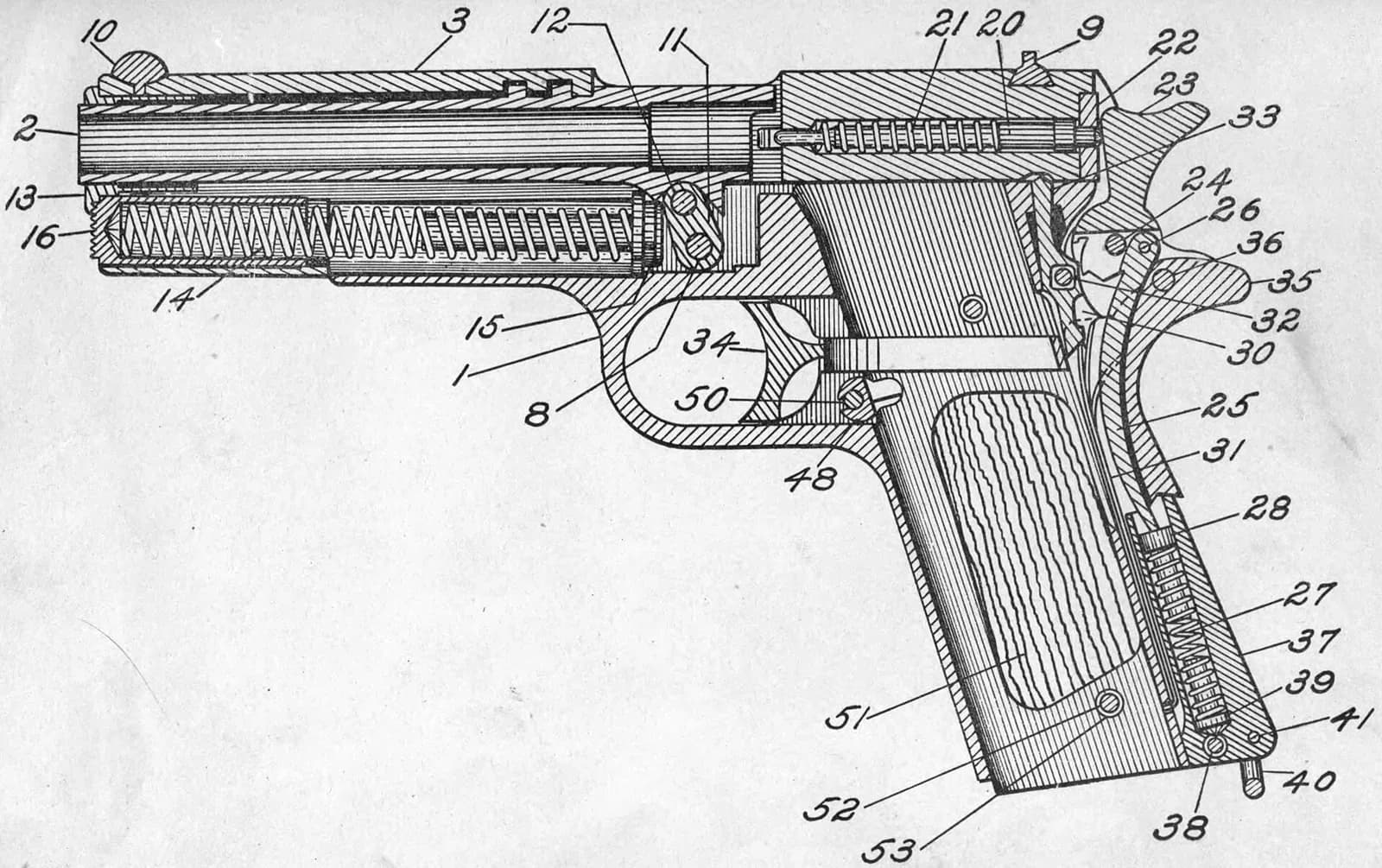
The SIG Pro (P226) — a modern locked-breech semi-automatic favored by law enforcement, with accessible slide and ejection port for malfunction clearing.
Augustas Didžgalvi s (CC BY-SA 3.0)
| Time & Effort | |
|---|---|
Read Time | 11 min read |
Equipment Needed | |
| |
| Prerequisites | |
| |
Safety | |
| |
Key Takeaways | |
| |
Related Topics | |
| |
Clearing Malfunctions: Tap-Rack-Bang and Beyond
essential skills every shooter must master
From The Boise Gun Club Handbook
Your gun will jam eventually—even the good ones do. The difference between getting back in the fight and fumbling around like it's your first day at the range comes down to muscle memory and knowing what you're actually looking at when things go sideways.
I've seen $3,000 custom 1911s choke on premium ammo, and I've watched beat-up Glocks eat anything you feed them for 10,000 rounds before hiccupping. The gun doesn't care what you paid for it when Murphy's Law shows up.
Know Your Enemy: The Three Typesedit
Every malfunction falls into one of three buckets, and using the wrong fix can turn a simple problem into a real mess.
| Type | Name | Symptoms | Typical Causes |
|---|---|---|---|
| Type 1 | Failure to Fire | Click instead of bang, slide hasn't moved | Unseated magazine, dud round, firing pin failure |
| Type 2 | Stovepipe | Spent case stuck in ejection port, slide out of battery | Weak grip, insufficient lubrication, worn extractor |
| Type 3 | Double Feed | Case/round stuck in chamber while another tries to feed | Magazine issue, weak spring tension, user error |
Tap-Rack-Bang: Your First Moveedit
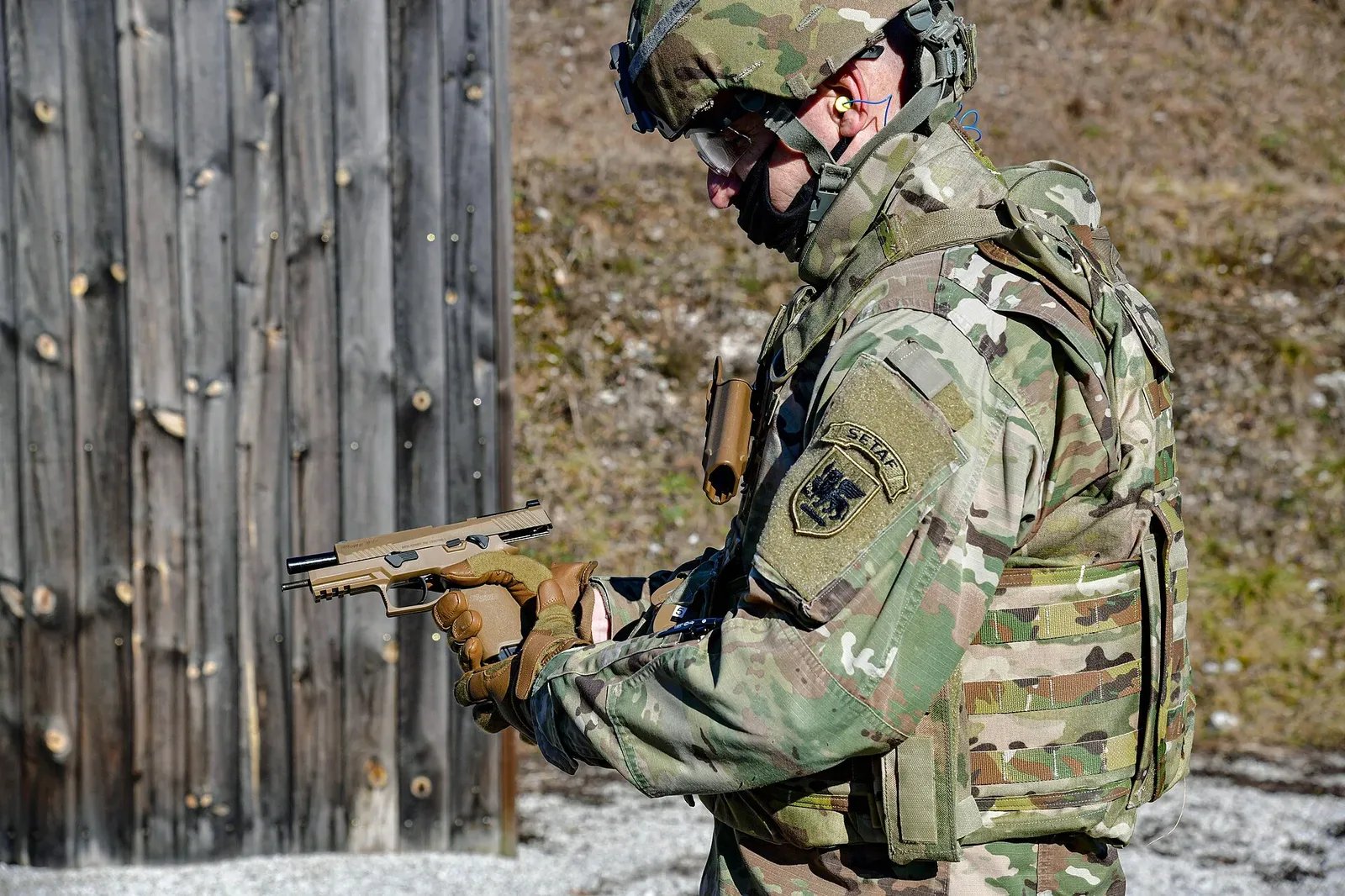
This drill handles Type 1 malfunctions and maybe some Type 2s if you're lucky. Practice it until your hands do it while your brain is still figuring out what happened.
The Tap-Rack-Bang sequence for Type 1 malfunctions
Here's the sequence, done in about two seconds:
- Tap: Strike magazine base with support hand palm
- Rack: Pull slide fully to rear, release under spring tension
- Bang/Assess: Acquire sight picture or verify function
Keep that muzzle pointed somewhere safe the entire time. This isn't the moment to bring the gun up to your face for a detailed inspection.
When Simple Doesn't Workedit
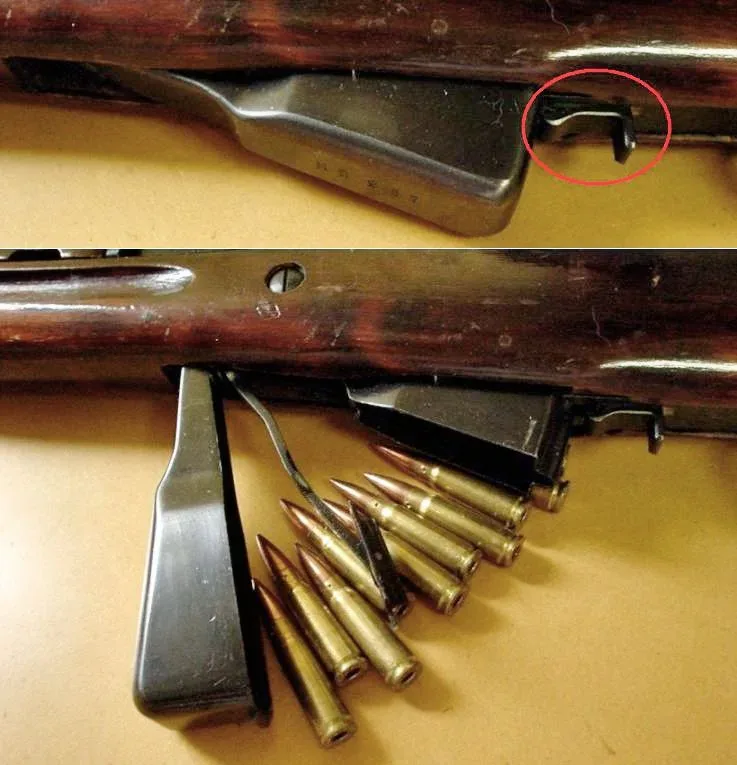
Between the lines: If Tap-Rack didn't fix it, you've got real work ahead of you. This is where most people start making things worse by rushing.
You're looking at a Type 3 malfunction or something more complex. A quick glance at the ejection port—muzzle pointed safely—tells you what you're dealing with.
| Step | Action | Purpose | Key Points |
|---|---|---|---|
| Lock | Slide locked to rear | Access chamber and ejection port | May need to strip mag first |
| Rip | Strip magazine aggressively | Stop feeding new rounds | Use whole hand, not fingertips |
| Rack | Cycle slide 3-4 times | Clear stuck brass/rounds | Let gravity help, be aggressive |
| Reload | Insert fresh magazine | Prepare to chamber new round | Skip if no spare available |
| Rack | Chamber fresh round | Ready to fire | Check chamber visually |
| Assess | Verify function | Confirm malfunction cleared | 6-8 seconds total with practice |
The Full Monty: Remedial Action
Some call it "Lock-Rip-Rack-Rack-Rack," others have different mnemonics. The goal is the same—get everything out of the gun so you can start fresh.
Lock: Get that slide locked to the rear. If the magazine is preventing this—common with double feeds—you might need to rip the mag first. I teach trying to lock first, but don't fight it if it won't cooperate.
Rip: Strip that magazine out aggressively. Use your whole hand, not just fingertips. The magazine is feeding new ammo into your problem—removing it stops the party.
Rack: Cycle the slide three to four times with violence. Once won't cut it. Twice might not either. Three times and gravity usually wins the argument. Let the brass fall where it wants.
Reload: Fresh magazine if you've got one. If not, you're about to discover what your malfunction drill is for an empty gun—it's called reloading, and you should've done it sooner.
Rack: Chamber a round from the fresh magazine.
Assess: Are you actually fixed? Do you still need to be shooting?
This takes six to eight seconds with practice—an eternity when things are serious. Prevention beats cure every time.
Rifle Problems: Different Gun, Same Problemsedit
ARs have their own personality when they jam, but the principles stay the same. The manual of arms just changes.
Immediate Action for Black Rifles
Tap: Seat that magazine properly. Some people slap the forward assist here, though that's controversial territory. It'll seat a round that's 95% there, but it'll also force a problem round deeper into trouble.
Rack: Pull the charging handle fully back and let it go. Don't ride it forward like you're being polite—let spring tension do the work.
Assess: Try to shoot. If it works, get back to business.
When ARs Need More Convincing
If immediate action failed, time for the full treatment:
AR-15 remedial action sequence for complex malfunctions
Lock: Bolt to the rear using the bolt catch.
Remove: Drop the magazine. Let gravity help if you're in a hurry.
Observe: Actually look into the chamber from the magazine well. What are you dealing with? Double feed? Stuck case? Something broken?
Clear: Rack that charging handle multiple times while canting the rifle to let brass fall out both ends.
Load: Fresh magazine.
Chamber: Release the bolt or charge it to chamber a round.
Assess: Ready to rock, or still having problems?
The Quiet Killer: Squib Loadsedit
A squib loads event occurs when a round fires but doesn't have enough juice to push the bullet out of the barrel. You hear a pop instead of a bang, recoil feels wrong, and the gun might not cycle.
Stop immediately. Do not fire another round.
Critical: Never fire a second round if you suspect a squib. A stuck bullet turns your barrel into a pipe bomb.
If you send a second round down a barrel with a bullet stuck in it, you're about to learn what catastrophic failure means in very personal terms. Unload completely, lock it open, and check the barrel from the rear. No light coming through means you've got an obstruction.
This needs a cleaning rod and patience, or a trip to someone who knows what they're doing. Squib loads are rare with factory ammo but more common with reloads. Usually caused by insufficient powder or—rarely—no powder at all, just the primer doing its job.
Why Guns Stop Workingedit
Understanding the root causes helps you prevent problems instead of just reacting to them.
The three categories of malfunction causes
| Cause | Frequency | Prevention | Signs |
|---|---|---|---|
| Magazines | Most common | Replace worn mags, rotate stock | Feed lip damage, weak springs |
| Ammunition | Common | Quality ammo, proper storage | Misfires, extraction issues |
| Limp-wristing | Common (new shooters) | Proper grip training | FTE/FTF with compacts |
| Maintenance | Moderate | Regular cleaning/lubrication | Increased malfunctions |
| User Error | Variable | Training and practice | Consistent problems |
Magazines: The number one troublemaker. Springs fatigue, feed lips bend, followers crack. If one magazine keeps giving you grief, mark it and throw it away. Magazines cost less than your time and frustration.
Ammunition: Cheap ammo acts cheap. Old ammo acts old. Even expensive factory ammo can have a bad round in the box.
Limp-wristing: Semi-autos need resistance to function. If your grip is loose, especially with compact guns, the frame moves backward with the slide instead of staying put. This robs energy and causes failures. Solution is a firmer grip and locked wrists.
Maintenance Issues: Too much oil collects dirt. Too little oil causes friction and wear. Extractors lose tension. Springs weaken. Parts break. This is normal wear, not a character flaw.
User Error: Riding the slide, not seating magazines, thumbs on slide stops, poor grip—plenty of ways to cause your own problems. Training matters.
Training the Skillsedit
Most people practice shooting, but hardly anyone practices fixing their gun when it breaks. That's backwards thinking.
- Dummy Round Drills: Load snap caps randomly in magazines
- Manual Malfunctions: Create problems at range with unloaded gun
- Time Yourself: Work toward sub-8 second clearances
- Add Complexity: Practice while moving, kneeling, backing up
What Not to Doedit
- Don't stare into ejection port while racking slide
- Don't manually pry at live rounds with tools
- Don't keep clicking on empty chambers
- Don't forget to assess situation after clearing malfunction
The bottom line: Malfunctions happen to everyone eventually. Quality gear and good technique reduce frequency, but practice is what separates smooth from confused.
See Also:
- R&R Sports & Outdoors(Brandon, FL)
- Bi-mart - Yakima (Fruitvale Ave)(Yakima, WA)
- Cash America Pawn(BRYAN, TX)
- New Philly Sportsman Specialities(New Philadelphia, OH)
Loading comments...