—————
7 min read · Updated May 25, 2026
01 // OVERVIEW
#01
Walther Arms at a Glance
Market presence and reach
Products In Stock
0
Retailers
0
Categories
0
02 // PRODUCTS
#02
Walther Arms Products
Top products compared across 14 retailers

Wlt MAG Ppq 40SW 10RD
$35– $44
4 retailers
magazines

Wlt Tac R1C Rifle Tung 22LR 10
$629– $689
4 retailers
firearms

Wlt MAG Ppq 40SW 10RD
$39– $52
3 retailers
magazines

Wlt MAG Ppq M2 40 10RD
$38– $52
3 retailers
magazines
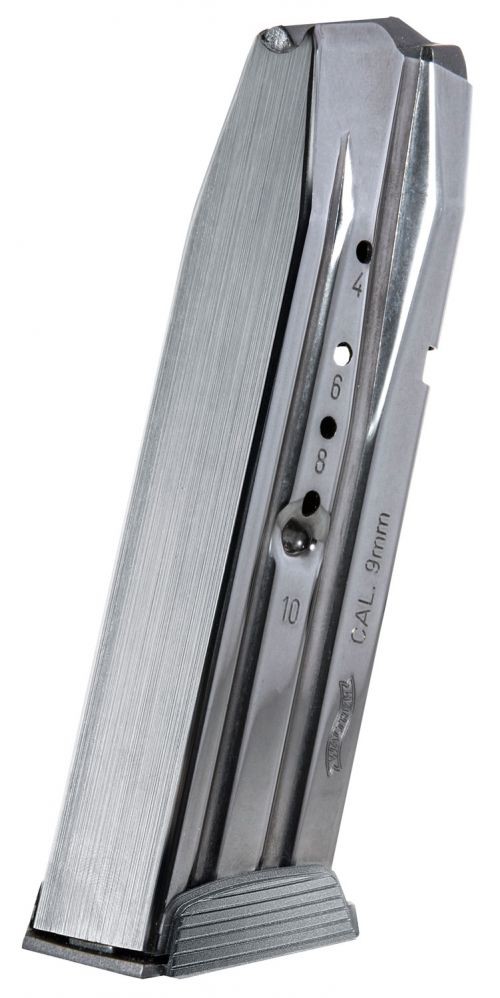
Wlt MAG Creed 9MM 10RD
$35– $52
3 retailers
magazines

Wlt Tac R1 22LR Rifle 20RD
$594– $652
3 retailers
firearms

Wlt Ccp M2 380 3.54 Tt 8RD
$409– $489
2 retailers
firearms

Wlt PD380 380ACP Angel Blue 9R
$285– $314
2 retailers
firearms
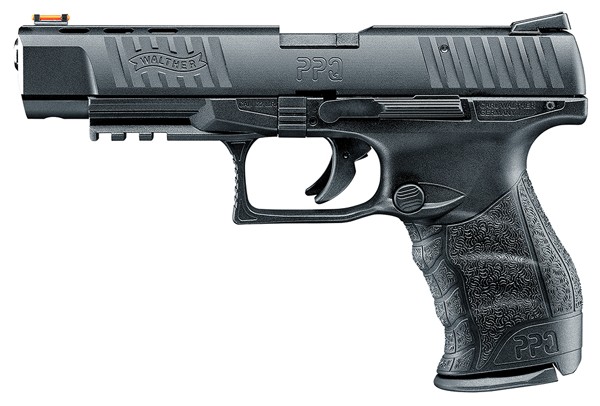
Wlt Ppq M2 22LR 5 BLK 12RD
$388– $426
2 retailers
firearms
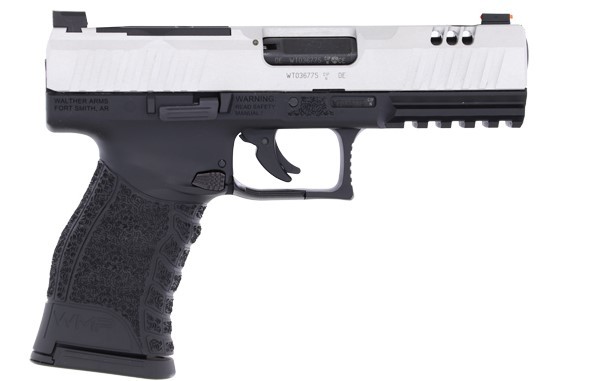
Wlt Wmp Silver 22WMR 15RD
$503– $551
2 retailers
firearms
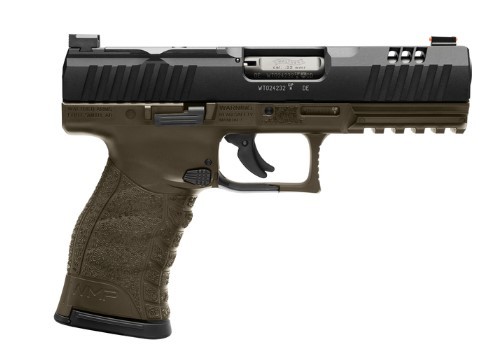
Wlt Wmp Military 22WMR 15RD
$503– $551
2 retailers
firearms
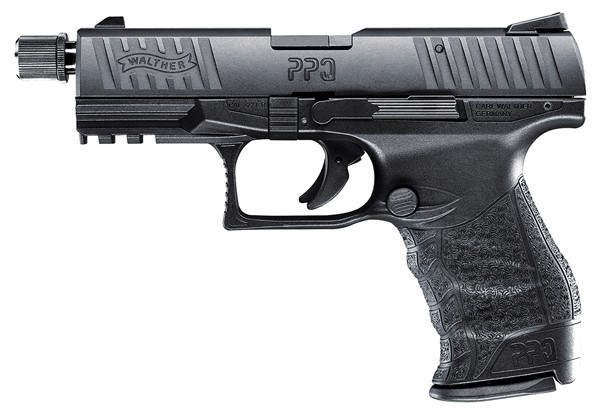
Wlt Ppq Tact M2 22 4 BLK 10RD
$359
2 retailers
firearms
03 // # WALTHER
#03
# Walther Arms
Walther Arms — # walther arms
Walther Arms is a German firearms manufacturer that's been around since 1886, now operating through its American subsidiary in Fort Smith, Arkansas. You know them from the PPK -- James Bond's gun -- and if you've been paying attention, their modern PDP series with what most folks consider the cleanest factory trigger in a striker-fired pistol.
The company started when Carl Walther set up shop in Zella-Mehlis, Germany. They made their mark in 1929 with the Polizei Pistol, the first really successful double-action auto pistol. Two years later came the PPK -- smaller, handier, and destined to become the most famous handgun in movie history once Sean Connery started carrying one.
World War II complicated things, as it did for most German companies. Walther re-established in Ulm, Germany in 1953 and kept building on their reputation. The Umarex Group bought them in 1993, and they've been steady ever since. In 1997 they jumped into striker-fired pistols with the P99, and in 2021 they launched the PDP series that finally gives Glock some real trigger competition.
04 // CURRENT PR
#04
Current Product Lines
Walther Arms — current product lines
- •Why this matters: Walther makes pistols that often outperform their more popular competitors, but you have to know what to look for.
- •Key milestones in Walther's 140-year history
The PDP series is their current flagship, and for good reason. The Performance Duty Trigger lives up to its name -- crisp break around 5.5 pounds with minimal overtravel and a short, positive reset. It's the trigger that makes you wonder why anyone buys aftermarket triggers for their Glock when they could just buy a Walther.
#01
PDP Series Lineup
- •Full-Size: 18+1 capacity, duty/range use
- •Compact: 15+1 capacity, carry-friendly size
- •F-Series: Reduced grip circumference for smaller hands
All run around $600-700, which puts them right in the sweet spot against Glock and M&P pricing. The Pro models add competition features -- longer barrels, optics-ready setups, flared magwells. The Pro-X comes with a PMM compensator if you're serious about competitive shooting.
| Model | Type | Capacity | MSRP | Key Features |
|---|---|---|---|---|
| PDP Full-Size | Striker-fired | 18+1 | $600-700 | Performance Duty Trigger, 5" barrel |
| PDP Compact | Striker-fired | 15+1 | $600-700 | Carry-friendly, same trigger |
| PDP F-Series | Striker-fired | 15+1 | $650-750 | Reduced grip circumference |
| PDP Pro | Competition | 18+1 | $800-900 | Optics-ready, flared magwell |
| PDP Pro-X | Competition | 18+1 | $1000+ | PMM compensator included |
| PPK/s | DA/SA | 7+1 | $700-800 | .380 ACP, classic design |
| Q5 Match Steel | Competition | 15+1 | $1200-1400 | Steel frame, match trigger |
| CCP M2 | Striker-fired | 8+1 | $500-600 | SoftCoil gas-delayed system |
#02
Classic and Specialty Models
The classic models are still around too. The PPK/s carries on the Bond tradition in .380 ACP, though at $700-800 it's expensive for what you get compared to modern micro-compacts. The Q5 Match series targets competition shooters, with the Steel Frame version being a legitimate race gun that'll run you $1,200-1,400.
Don't overlook the CCP M2 if you're recoil-sensitive. Walther's SoftCoil gas-delayed blowback system genuinely reduces felt recoil, though it makes cleaning more involved than a typical pistol.
05 // HOW THEY S
#05
How They Stack Up
Walther Arms — how they stack up
#01
Performance Comparison
Put a PDP next to a Glock 19, Sig P320, or Smith M&P and most people notice the trigger difference immediately. The Walther breaks cleaner, resets shorter, and just feels more refined. The ergonomics are solid too -- low bore axis, natural point, aggressive texturing where you want it.
| Feature | **Walther PDP** | **Glock 19** | **Sig P320** | **S&W M&P** |
|---|---|---|---|---|
| Trigger Quality | Excellent (5.5lbs, clean break) | Good (requires upgrade) | Good | Good |
| Ergonomics | Excellent | Good | Excellent | Very Good |
| Aftermarket | Limited | Extensive | Extensive | Very Good |
| Holster Options | Moderate | Unlimited | Extensive | Extensive |
| LE Adoption | Minimal | Dominant | Growing | Significant |
| Price Point | $600-700 | $500-600 | $600-700 | $400-500 |
#02
Market Position Reality
The problem isn't the gun -- it's everything else. Glock has thousands of holster options, aftermarket triggers, barrels, sights, and every other widget you can imagine. Walk into any gun store and they'll have Glock stuff on the shelf. Walther? You might find a decent selection of holsters and that's about it.
Law enforcement adoption tells the story. Glock owns that market not because their trigger is cleaner or their ergonomics are more refined, but because they got there first and stayed consistent. Agencies buy what they know, train with what they buy, and stick with what works. Walther makes objectively finer pistols that fewer people carry professionally.
- •Limited aftermarket support compared to Glock
- •Fewer holster options available
- •Minimal law enforcement adoption
- •Superior trigger quality out of box
If you judge purely on the gun itself -- trigger, accuracy, ergonomics, build quality -- Walther often wins. If you factor in ecosystem, aftermarket support, and real-world adoption, Glock and its peers pull ahead.
- •The bottom line: It's the classic paradox of a superior product with inferior market position.
06 // WHAT SHOOT
#06
What Shooters Actually Say
Walther Arms — what shooters actually say
#01
Competition Feedback
Competition guys who've tried the Q5 Match Steel Frame generally come away impressed. The steel frame tames recoil, the match trigger is crisp, and the whole package feels serious. It costs serious money too, but if you're running USPSA or similar matches, it'll do the work.
#02
Carry Community Perspective
Carry folks appreciate the PDP Compact's trigger but often end up going with something smaller. At 15+1 it's competitive, but the micro-compact market has moved toward guns like the P365 and Hellcat. The PDP is a great gun that's slightly out of step with current carry trends.
The PPK/s gets bought mostly by collectors and Bond fans these days. It's a beautiful pistol with real history, but $750 for a .380 is tough to justify when you can get a Shield Plus for half that price and twice the capacity.
07 // BUYING ADV
#07
Buying Advice
Walther Arms — buying advice
- •What this means for you: Walther rewards shooters who prioritize trigger quality and ergonomics over aftermarket selection and brand recognition.
#01
Primary Recommendations
If you want the cleanest factory striker trigger available, get a PDP. Full-size if you're running it as a duty gun or range pistol, compact if you're carrying. Both run around $600 and both have that excellent trigger. You'll give up some aftermarket options compared to more popular platforms, but you'll gain trigger quality that's genuinely a step above.
For competition, the Q5 Match Steel Frame is worth considering if you've got the budget. It's a purpose-built match gun that'll run with anything in its class. The regular Q5 Match costs less and still delivers solid competition performance.
- •Decision tree for selecting the right Walther model
#02
Specialty Considerations
Skip the PPK/s unless you really want the Bond connection or you're collecting classics. Modern micro-compacts give you more capacity, easier shooting, and lower cost. The CCP M2 makes sense if recoil is a real issue -- that SoftCoil system works -- but most shooters are fine with standard recoil patterns.
The honest truth? Try a PDP before you buy your next striker-fired pistol. Handle it, dry-fire it if the store allows, see what that trigger feels like.
Try a PDP before you buy your next striker-fired pistol. You might find yourself wondering why anyone settles for a grittier break when they don't have to.
08 // THE BGC TA
#08
The BGC Take
Walther Arms — the bgc take
Walther occupies a frustrating position in the American market -- they make genuinely excellent pistols that most shooters never consider. The PDP trigger is legitimately the cleanest factory striker trigger you can buy. The ergonomics are outstanding. The build quality reflects 140 years of experience making firearms.
And yet they sell a fraction of what Glock moves. It's not a quality problem -- it's an ecosystem problem. When you buy a Glock, you're buying into a universe of holsters, parts, accessories, and support. When you buy a Walther, you're buying a excellent pistol with decent but limited aftermarket options.
The PPK connection to Bond movies is both blessing and curse. It brings name recognition but also locks them into "that classic gun company" thinking. Meanwhile, their modern striker-fired pistols are genuinely competitive with anything on the market.
If trigger quality matters to you -- really matters -- the PDP should be on your short list. If you want maximum customization options and don't mind paying extra for aftermarket triggers to fix what Walther gets right from the factory, stick with the popular platforms. Both approaches work, but know what you're choosing.
09 // STANDARDS
#09
Industry Standards
SAAMI membership and compliance
SAAMI Member
Walther Arms is a member of SAAMI (Sporting Arms and Ammunition Manufacturers' Institute), the organization that creates and publishes industry standards for safety, interchangeability, reliability, and quality. SAAMI membership indicates compliance with voluntary industry standards for firearms and ammunition manufacturing.
Loading comments...