Quick Reference
Archery Guide

Archery remains Bhutan's national sport, practiced across all social levels with traditional equipment and methods still dominant in competitions.
Footlooseinme (CC BY-SA 4.0)
| Time & Effort | |
|---|---|
Read Time | 11 min read |
Equipment Needed | |
| |
Safety | |
| |
Key Takeaways | |
| |
Organization | |
| USA Archery | |
| Divisions | |
RecurveCompoundTraditional/Barebow | |
Related Topics | |
| |
Archery
Handbook article
From The Boise Gun Club Handbook
Archery gives you skills that transfer directly to bowhunting while offering year-round practice that doesn't depend on ammo availability or range fees--but success comes down to your ability to repeat the same shot under pressure.
- Equipment flexibility: Start with a $400 setup and upgrade components as your skills develop
- Mental training: Builds the kind of focus and breathing control that helps with any shooting discipline
- Practical application: Idaho's bowhunting opportunities make these skills worth having
Modern competitive archery grew out of military training, but what we shoot today bears little resemblance to medieval warfare. The National Archery Association formed back in 1879--making it older than most gun organizations--and standardized the targets and distances we still use.
The sport splits into camps that rarely mix. Traditional archers shoot wooden bows with minimal gear, chasing that historical connection. Olympic recurve shooters use sophisticated sights and stabilizers to chase mathematical precision. Compound archers employ cams and pulleys for mechanical advantage. Each style attracts different personalities, though bowhunters often cross-train between disciplines.
Disciplines That Matteredit
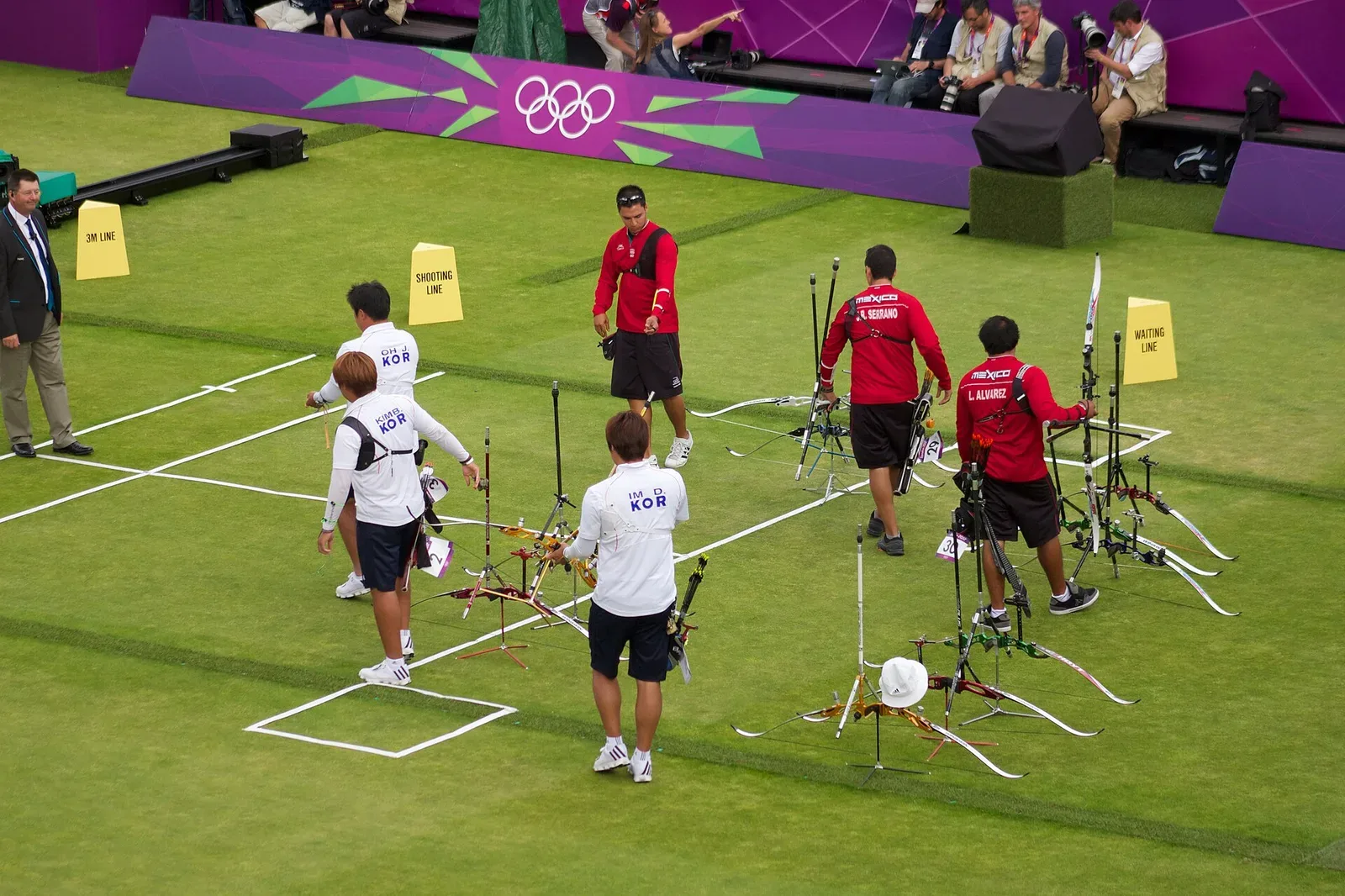
Archery discipline decision tree and key characteristics
Target Archery
Target archery dominates competitive participation because your scores don't lie--you either hit the 10-ring or you don't. Standard distances run from 18 meters indoors up to 90 meters for men's outdoor competition.
The gold center measures just 12.2cm on full-size targets, about the size of a softball.
Field Disciplines
3D archery puts foam animal targets in woodland courses at unmarked distances. This simulates hunting conditions better than anything else, though the varied terrain and guessing games frustrate precision-minded shooters. ASA and IBO run most of the major competitions.
Field archery mixes known and unmarked distances over varied terrain. It's more technical than 3D but less predictable than target archery--a middle ground that appeals to outdoor shooters who want some consistency.
Traditional archery means wooden longbows or recurves without sights, stabilizers, or mechanical aids. The learning curve without modern equipment deters many newcomers, but the simplicity appeals to those seeking historical authenticity.
| Discipline | Target Type | Distance | Skills Developed | Best For |
|---|---|---|---|---|
| Target Archery | Standard 122cm face | 18m-90m | Form consistency, precision | Beginners, competitive shooting |
| 3D Archery | Foam animals | Unmarked varied | Range estimation, field conditions | Bowhunters, outdoor enthusiasts |
| Field Archery | Various faces | Known/unknown | Technical skills, adaptability | Mixed discipline shooters |
| Traditional Archery | Standard targets | Varies | Historical form, instinctive shooting | Purists, historical interest |
Most archers eventually specialize. Bowhunters typically focus on 3D for realistic practice, while competitive shooters gravitate toward target archery where form flaws show up immediately.
Equipment Reality Checkedit
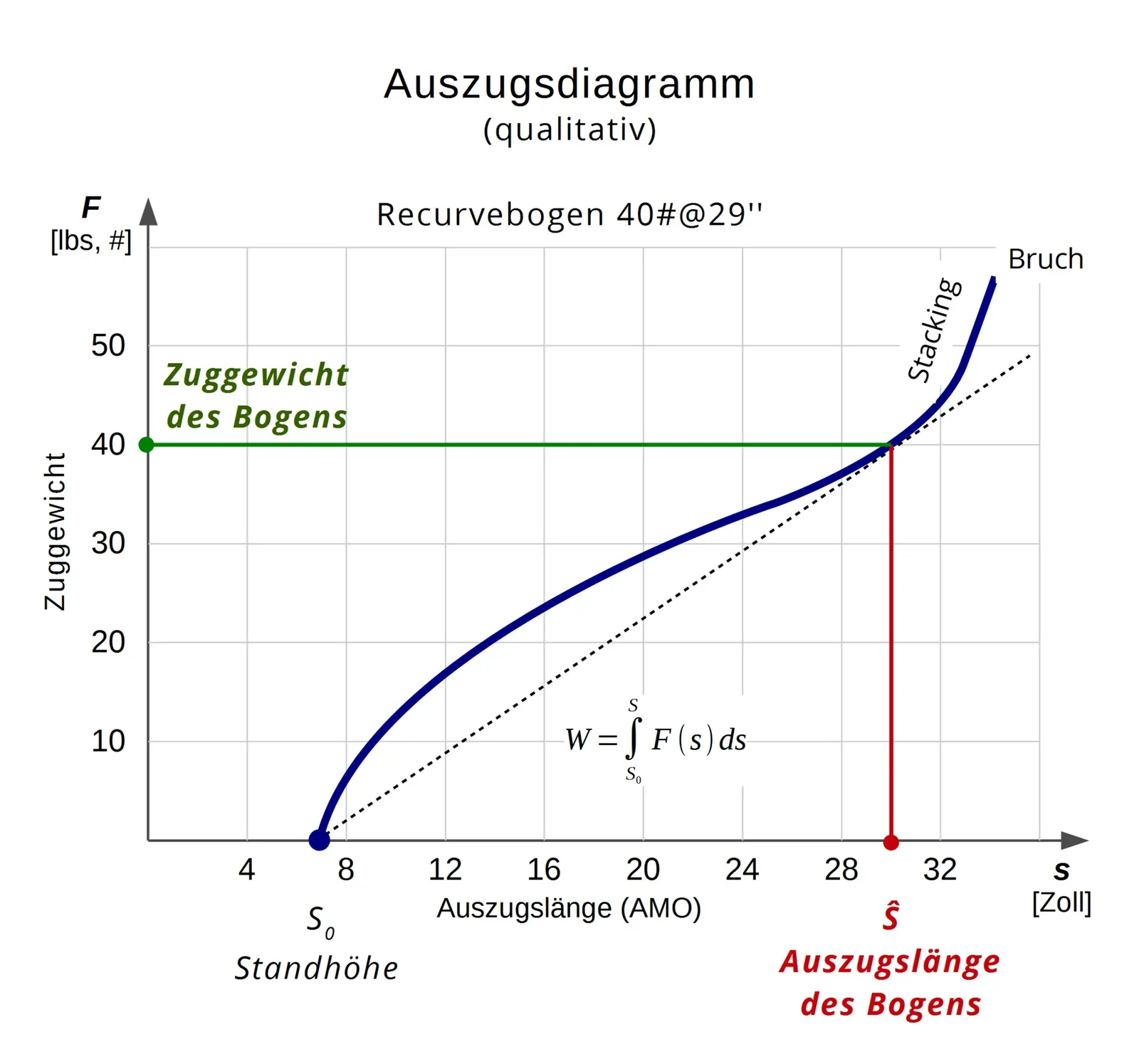
You'll spend $400-600 for a decent starter setup from a pro shop--avoid big-box store bows that lack proper adjustment capability. The most common mistake is buying excessive draw weight.
Start lighter than you think you need and focus on form development.
Bow Selection
A basic recurve setup includes the bow ($150-300), arrows ($60-100 per dozen), finger tab, arm guard, and basic sight. Compound setups cost more upfront ($300-500 for the bow) but include the release aid and adjustable rest necessary for proper function.
| Setup Type | Bow Cost | Total Initial Cost | Key Components | Pros | Cons |
|---|---|---|---|---|---|
| Basic Recurve | $150-300 | $400-500 | Bow, arrows, tab, guard, sight | Lower cost, simple maintenance | Requires more strength, slower learning |
| Compound | $300-500 | $500-700 | Bow, arrows, release, rest, sight | Easier to hold at draw, more accurate | Complex setup, higher initial cost |
Arrow Matching
Arrows matter more than most beginners realize. Arrow spine must match your bow weight and draw length, or they'll fly erratically regardless of your form. Carbon arrows offer better consistency than aluminum arrows, though they cost more to replace when you inevitably lose or break them.
Professional Setup
Professional setup is worth the cost. Cam timing on compound bows, proper arrow spine selection, and sight alignment affect accuracy more than most equipment upgrades.
Find a pro shop that will work with your budget rather than pushing expensive gear you don't need yet.
How Scoring Worksedit
Scoring System
Target archery uses a 10-ring system--10 points for the center gold, down to 1 point for the outer white ring. A perfect score depends on the round format, but 1440 rounds (144 arrows) offer a maximum 1440 points.
| Ring Color | Point Value | Ring Size | Difficulty |
|---|---|---|---|
| Gold (Inner) | 10 | 6.1cm | Expert level |
| Gold (Outer) | 9 | 12.2cm | Advanced |
| Red (Inner) | 8 | 18.3cm | Intermediate |
| Red (Outer) | 7 | 24.4cm | Intermediate |
| Blue (Inner) | 6 | 30.5cm | Beginner |
| Blue (Outer) | 5 | 36.6cm | Beginner |
| Black (Inner) | 4 | 42.7cm | Novice |
| Black (Outer) | 3 | 48.8cm | Novice |
| White (Inner) | 2 | 54.9cm | Novice |
| White (Outer) | 1 | 61cm | Novice |
Competition Rules
Time limits add pressure that separates recreational archers from competitors. You get 2 minutes to shoot 3 arrows, or 4 minutes for 6 arrows. Equipment failures during competition mean tough luck--if your release breaks or sight shifts, you're shooting with broken gear.
Key rules that trip up newcomers:
- Equipment inspection happens before competition--non-compliant gear means disqualification
- You can't retrieve arrows until everyone on the line finishes shooting
- Damaged arrows only get re-shot if they hit another arrow or target damage causes deflection
- Range commands are absolute--"hold" means stop immediately and point your bow down
Classifications rank archers by average scores from Archer (lowest) through Master Bowman (highest). These help match competitors of similar ability and provide advancement goals that keep you motivated.
Getting Started Rightedit
Recommended progression path for new archers
Contact local pro shops or archery clubs instead of trying to learn from YouTube. Most facilities offer introductory lessons with rental equipment, letting you try different bow styles before buying anything. USA Archery's club finder at usarchery.org locates certified instructors in your area.
Initial lessons focus entirely on safety and basic form--accuracy comes much later. Range protocols ensure safety with multiple shooters, and crossing the shooting line while others are drawing violates fundamental safety rules. Learn the commands and follow them exactly.
Your first competition will feel overwhelming. The formal atmosphere, time pressure, and scoring procedures differ significantly from casual practice. Focus on shooting your normal routine rather than trying harder--tension destroys accuracy. Most competitions welcome beginners and include novice divisions with reduced distances or larger targets.
What You'll Spendedit
Initial Investment
| Cost Category | Beginner | Intermediate | Competitive |
|---|---|---|---|
| Initial Equipment | $350-600 | $800-1,200 | $1,500-3,000 |
| Annual Practice | $200-400 | $400-600 | $600-1,000 |
| Competition Entry | $100-300 | $300-800 | $800-2,000+ |
| Arrow Replacement | $100-150 | $150-250 | $250-500 |
| Travel (if competing) | $0-500 | $500-1,500 | $1,500-6,000 |
Ongoing Costs
Unlike firearms sports, ongoing costs stay relatively low. No ammunition expenses beyond arrow replacement, and practice costs remain constant regardless of shooting volume.
However, the equipment upgrade path gets expensive as precision demands increase. High-end arrows cost $25-30 each, and losing a few during practice stings. Competition costs vary widely. Local tournaments run $15-30 entry fees, while traveling to major competitions can hit $2,000-8,000 annually including travel and lodging. The biggest hidden cost is arrow replacement--budget $100-200 per year for arrows lost or damaged during outdoor practice.
Where to Practiceedit
USA Archery's club finder provides the most comprehensive database of certified programs. Many clubs operate from schools or community centers rather than dedicated ranges. Indoor ranges offer year-round shooting but limited distances, while outdoor clubs provide full-distance practice when weather cooperates.
Many states allow backyard practice with proper safety precautions and adequate backstops. Check local ordinances first--some municipalities restrict archery within city limits regardless of safety measures.
For 3D archery, ASA maintains club directories at asaarchery.com covering 37 states. The NFAA at nfaausa.com handles field archery and alternative scoring systems.
Archery rewards obsessive personalities who enjoy measurable improvement through systematic practice--but expect months of regular shooting before achieving consistent accuracy, and don't underestimate the mental game that separates competitors from casual shooters.
See Alsoedit
- Bowhunting Preparation - Training specifically for hunting applications
- Find Archery Events - Upcoming competitions and club activities
- Youth Shooting Sports - Getting kids started in archery
Last Updated: January 28, 2026
Loading comments...