Organization Info
USA Archery

| Overview | |
|---|---|
Founded | 1879 |
Headquarters | Colorado Springs, CO |
Disciplines | archery |
Membership | |
Cost | $70/year (Adult All-Access); Family from $150/year; Lifetime $900-$1,800 |
Links | |
| usarchery.org | |
USA Archery
Reference article
From The Boise Gun Club Handbook
USA Archery is the national governing body (NGB) for the Olympic sport of archery in the United States. Headquartered in Colorado Springs, Colorado, it holds recognition from the U.S. Olympic and Paralympic Committee (USOPC) as the sole NGB for archery and is the American member federation of World Archery — the international body that governs Olympic and Paralympic archery worldwide. The organization oversees everything from backyard club programs to the athletes representing the U.S. at the Olympics.
History & Foundingedit
Origins as NAA
The organization that became USA Archery traces back to 1879, when it was chartered as the National Archery Association of the United States (NAA) — making it one of the oldest national sports governing bodies in the country, predating most of the major American sports leagues. It was formed specifically to foster and promote archery as both a competitive sport and a recreational pursuit.
The NAA operated under that name for well over a century before rebranding to USA Archery to align with the naming conventions of other USOPC-recognized NGBs. The rebrand reflected a deliberate effort to modernize the organization's public identity and signal its role on the international stage more clearly.
| Year | Organization Name | Key Milestone |
|---|---|---|
| 1879 | National Archery Association (NAA) | Original charter - one of oldest US sports governing bodies |
| 1900 | NAA | Archery debuts in modern Olympics |
| 1972 | NAA | Archery becomes continuous Olympic fixture |
| 1980s-1990s | NAA | Modern high-performance infrastructure developed |
| 2000s | USA Archery | Rebrand to align with USOPC naming conventions |
Modern Olympic Era
Archery has been part of the modern Olympic Games since 1900, with interruptions, and has been a continuous Olympic fixture since the 1972 Munich Games. USA Archery's modern high-performance infrastructure largely developed around that Olympic continuity — building out selection procedures, residency programs, and international competition pipelines that didn't exist in the NAA's early decades.
Mission & Purposeedit
USA Archery operates under a dual mandate that's common to NGBs:
- Develop elite athletes capable of competing internationally
- Grow participation at the grassroots level
- Navigate structural tensions between elite and recreational focus
Those two goals don't always point the same direction, and the tension between them shapes a lot of the organization's structural decisions.
Elite Development
On the elite side, USA Archery selects and supports the United States Archery Team, manages international team selection procedures, and coordinates with World Archery on Olympic and Paralympic qualification. On the participation side, it sanctions clubs, certifies coaches and judges, runs youth development programs, and provides the liability insurance framework that most affiliated clubs depend on to operate.
SafeSport Integration
SafeSport compliance is woven into every level of the organization — background screening for coaches and judges, mandatory training, and a formal reporting structure for misconduct. This isn't window dressing; USOPC-recognized NGBs are required to meet SafeSport standards, and USA Archery has had that framework embedded in its certification and membership processes.
Programs & Competitionsedit
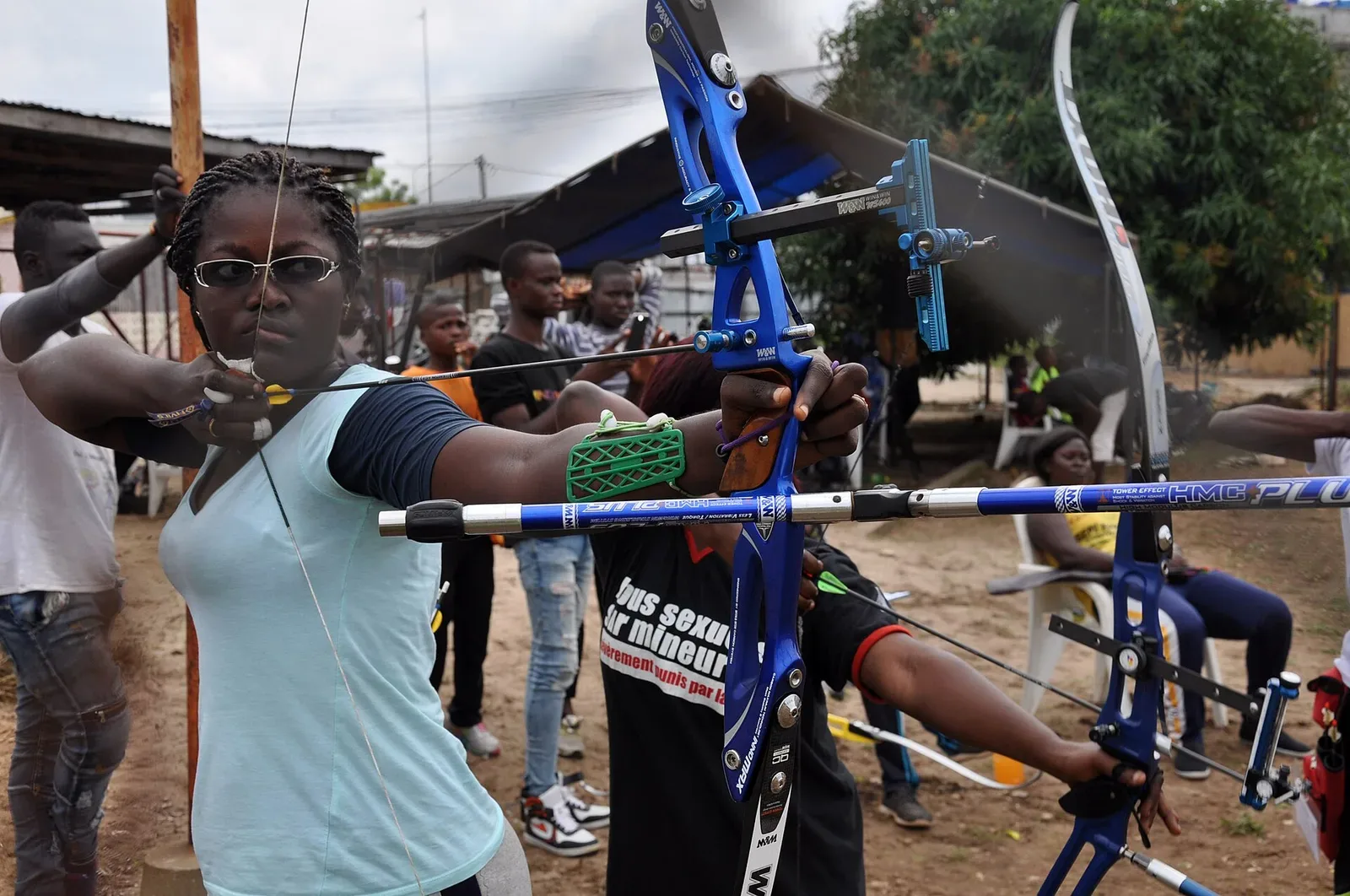
USA Archery runs a layered competition structure that starts at local club events and scales up through state, regional, and national championships. The organization sanctions events at all those levels, which is what gives affiliated clubs access to USA Archery's liability and event insurance.
USA Archery Competition Pathway Structure
Youth Development Programs
The Junior Olympic Archery Development Program (JOAD) is the primary youth pathway. JOAD serves archers ages 8–20 across barebow, recurve, compound, and basic compound disciplines. It's structured around achievement awards at the club level, with a competition track that feeds into national-level events.
Youth clubs pay $175 annually for a JOAD club membership.
| Program | Age Range | Annual Club Fee | Disciplines Available |
|---|---|---|---|
| JOAD | 8-20 years | $175 | Barebow, Recurve, Compound, Basic Compound |
| Collegiate | College students | $125 | Recurve, Compound, Barebow, Fixed Pins |
| Adult | 21+ years | $175 | All competitive divisions |
| OAS | Middle/High School | $150 | School-based programs |
| Adaptive | All ages | Varies | Paralympic pathway + recreational |
Adult and Collegiate Programs
The Collegiate Archery Program serves students enrolled in colleges and universities, offering recurve, compound, barebow, and fixed pins divisions. Collegiate club memberships run $125 annually. USA Archery has been building this segment out as a structured competitive tier — not just recreation — with varsity and club sport pathways.
The Adult Archery Program mirrors the JOAD structure for archers 21 and older, emphasizing both recreational participation and competitive development. Adult club memberships also run $175 annually.
Olympic Archery in Schools (OAS) is a middle and high school program that brings archery into the academic setting. Originally founded by Easton Foundations in 2007, OAS transferred to USA Archery management and now operates its own competition track, achievement awards, and club structure. OAS club memberships cost $150 annually.
Adaptive Archery falls under USA Archery's umbrella as well, covering the Paralympic pipeline and recreational adaptive programs. The organization manages the selection process and support structure for U.S. Paralympic Archery Team athletes in parallel with the Olympic side.
National Competition Structure
National-level competitions include the USA Archery Indoor Nationals — a multi-week rolling competition held at venues across the country — along with outdoor nationals, 3D championships, and field archery events. USA Archery also manages the process for athletes qualifying for World Archery international events and the selection procedures for Olympic and Paralympic team spots.
Virtual tournaments are available to members at lower tiers, giving recreational members a competitive outlet without requiring travel.
Membership & Benefitsedit
USA Archery's membership structure runs from free trial memberships to lifetime commitments, with most active competitors sitting in the annual all-access tiers.
Membership Tiers
| Membership Type | Annual Cost | Competition Eligibility | National Ranking | Insurance | Voting Rights |
|---|---|---|---|---|---|
| Adult All-Access | $70 | Full | ✓ | ✓ | ✓ |
| Youth All-Access | Contact for pricing | JOAD/Collegiate | ✓ | ✓ | ✗ |
| Collegiate All-Access | Contact for pricing | Varsity/Club sport | ✓ | ✓ | ✓ |
| Family All-Access | $150+ | Full family | ✓ | ✓ | ✓ |
| Recreational | Contact for pricing | Virtual only | ✗ | ✓ | ✗ |
| Lifetime (56+) | $900 | Full | ✓ | ✓ | ✓ |
| Lifetime (18-55) | $1,800 | Full | ✓ | ✓ | ✓ |
| Trial Youth | Free | Full (introductory) | ✓ | ✓ | ✗ |
Additional membership categories include:
- NFAA Youth — Annual. For current youth National Field Archery Association (NFAA) members who want JOAD or USA Archery event access.
- Adult-Partner All-Access — Annual. Available only to current NFAA members who also hold a USA Archery instructor or coach certification.
- Temporary Membership — Per-event. Lets someone shoot a single local or state event without a full annual membership. A separate version exists for foreign nationals competing in national-level events.
Insurance and Practical Benefits
All full-access individual memberships include liability and excess accident insurance — which matters practically, because many ranges and facilities require proof of that coverage. The national ranking eligibility is what makes membership non-optional for anyone trying to qualify for national events or make a U.S. team.
Notable Achievementsedit
The United States Archery Team (USAT) was formally established in 1982 and has since produced consistent Olympic and Paralympic representation. U.S. archers have earned medals across multiple Olympic cycles, with recurve and compound athletes regularly reaching podium positions at World Archery championships and World Cup events.
Major organizational milestones and achievements
The Indoor Nationals has grown into a multi-venue, multi-week competition drawing high participation numbers nationally:
- Multi-venue, multi-week Indoor Nationals competition format
- 57th consecutive running in 2026 demonstrates longevity
- One of America's longest-running archery championships
USA Archery's coach certification program is one of the more structured in American archery, tiering coaches from introductory instructor levels up through national-level coaching credentials. The certification carries genuine weight internationally because it's aligned with World Archery's coaching education framework.
In February 2026, USA Archery announced a three-year partnership with Bluestone Equity Partners, specifically positioned around the buildup to the 2028 Los Angeles Olympic and Paralympic Games — a significant financial relationship for an NGB of its size.
Structure & Governanceedit
Legal Framework
USA Archery operates as a nonprofit NGB under the framework established by the Ted Stevens Olympic and Amateur Sports Act, which defines the rights and responsibilities of USOPC-recognized governing bodies. That framework gives USA Archery exclusive authority to select athletes for international competition in archery — and in exchange, it's required to meet athlete representation, SafeSport, and anti-doping standards.
Governance runs through a board of directors with bylaws, a code of ethics, and standing committees covering areas like athlete safety, diversity and inclusion, and competitive standards. Voting-eligible members — adults and families with all-access memberships — have formal representation in the governance structure, though how much practical influence individual members exercise is a fair question for any NGB of this size.
Regional Organization
USA Archery Governance Structure
State associations operate as a regional layer between local clubs and the national organization, handling state-level event sanctions and serving as the connective tissue between clubs and USA Archery's national programs.
The organization shares its Colorado Springs address with other NGBs — 210 USA Cycling Point is part of the broader U.S. Olympic and Paralympic Training Center campus ecosystem in Colorado Springs, which has long been the hub for American Olympic sport infrastructure.
Relationship to Other Organizationsedit
International Relationships
USA Archery's most significant external relationship is with World Archery, the Lausanne-based international federation that governs Olympic and Paralympic archery globally. USA Archery's rule sets for sanctioned competition align with World Archery standards, and the pathway to Olympic and Paralympic selection runs entirely through World Archery's ranking and qualification systems.
Domestic Partnerships
The relationship with the NFAA is more complicated. The National Field Archery Association (NFAA) is the other major national archery organization in the U.S., with its own membership base, competitions, and field archery focus.
The two organizations aren't direct competitors in the Olympic space — USA Archery owns that lane as the USOPC-recognized NGB — but their memberships overlap significantly at the club and recreational level. USA Archery has created specific crossover membership tiers (the NFAA Youth and Adult-Partner memberships) to reduce friction for archers who participate in both organizations' events.
| Organization | Relationship Type | Key Functions |
|---|---|---|
| World Archery | International federation | Olympic/Paralympic qualification, rule standardization |
| USOPC | National Olympic committee | NGB recognition, athlete support, SafeSport compliance |
| NFAA | Parallel national org | Crossover memberships, field archery focus |
| USADA | Anti-doping agency | Drug testing, compliance monitoring |
| Easton Foundations | Corporate sponsor | OAS program support, event sponsorship |
| Bluestone Equity | Financial partner | 2028 Olympics buildout funding |
Commercial Relationships
Easton Foundations, the philanthropic arm connected to the archery equipment manufacturer, has a longstanding relationship with USA Archery — most visibly through the OAS program transfer and ongoing event sponsorship. That relationship is worth noting because Easton is also a major equipment supplier to competitive archers, which creates a proximity between the NGB and a commercial equipment interest that's common in Olympic sports but worth flagging.
USA Archery coordinates with the USOPC on athlete support programs, anti-doping compliance through USADA, and the U.S. Center for SafeSport on misconduct reporting and resolution.
The BGC Takeedit
For most competitive archers in the U.S., USA Archery membership isn't really optional — it's the cost of entry.
For most competitive archers in the U.S., USA Archery membership isn't really optional — it's the cost of entry.
If you want to shoot in sanctioned events, build a national ranking, or have any realistic shot at making a U.S. team, you need the card. At $70 a year for adults, that's not a painful number, and the liability insurance alone is worth something to anyone who's tried to rent range time without proof of coverage.
The youth programs are genuinely functional. JOAD has a long track record of producing competitive archers, and OAS has grown into a real school-based pathway with its own competition structure. If you're a parent trying to figure out how to get your kid into competitive archery, USA Archery's club network is the right starting point.
Where things get murkier is at the high-performance end. Olympic and Paralympic team selection processes are always contentious in any NGB — the procedures are published and World Archery's ranking system provides some objectivity, but athletes and coaches don't always agree that the system produces the right outcomes. That's not unique to USA Archery, but it's real.
The NFAA crossover situation is genuinely confusing for new archers who don't understand why there are two major national organizations. USA Archery is the right home for anyone oriented toward Olympic-style target archery and international competition.
If your interest runs more toward field archery, 3D, or bowhunting-adjacent disciplines, the NFAA may be the more natural fit — though USA Archery has been expanding its own 3D and field programming.
The Bluestone Equity Partners partnership announced ahead of the 2028 Games is worth watching. Bringing private equity money into an NGB's structure can mean more resources for athlete development, or it can mean pressure to prioritize visibility and revenue over the programs that serve the middle of the membership pyramid. Time will tell which way that runs.
Bottom line: if you're shooting competitively in the U.S. at any level above casual club sessions, USA Archery membership is table stakes.
If you're shooting competitively in the U.S. at any level above casual club sessions, USA Archery membership is table stakes. The programs work, the insurance matters, and the national competition structure is real. Recreational archers who just want to shoot with their club have cheaper options — but even then, a lot of affiliated clubs require it anyway.
Referencesedit
- USA Archery. "About Us." usarchery.org/about/about-us
- USA Archery. "Become a Member." usarchery.org/memberships/become-a-member
- USA Archery. "Club Memberships." usarchery.org/memberships/club-memberships
- USA Archery. "United States Archery Team." usarchery.org/high-performance/united-states-archery-team
- USA Archery. "Membership Benefits Comparison." usarchery.org/memberships/membership-benefits-comparison
- USA Archery Club Handbook (PDF). usarchery.org/resources
Last Updated: February 24, 2026
- Quail Creek Plantation(Okeechobee, FL)
- 2aHawaii(Honolulu, HI)
- Boston Firearms(Everett, MA)
- Safeshoot(Kingston, NY)
Loading comments...