Quick Reference
Black Powder/Muzzleloader Shooting

Muzzleloader cross-section reveals the four-stage loading sequence — priming charge, main powder charge, wadding, and ball — essential for understanding ignition and projectile dynamics.
Lestat (Jan Mehlich) (CC BY-SA 2.5)
| Time & Effort | |
|---|---|
Read Time | 11 min read |
Equipment Needed | |
| |
| Prerequisites | |
| |
Safety | |
| |
Key Takeaways | |
| |
Organization | |
| National Muzzle Loading Rifle Association (NMLRA) | |
| Divisions | |
Traditional MuzzleloaderModern InlineBlack Powder CartridgePrimitive/FlintlockSmoothboreBench Rest | |
Related Topics | |
| |
Black Powder/Muzzleloader
Handbook article
From The Boise Gun Club Handbook
Black powder shooting connects you to 300 years of American firearms tradition while testing your patience, precision, and ability to think like a chemist -- all while producing enough smoke to alert the fire department.
You're loading from the muzzle with loose powder, patch, and ball just like your great-great-grandfather did. It's part marksmanship, part chemistry experiment, and entirely different from anything you'll experience with modern firearms.
How It Worksedit
The National Muzzle Loading Rifle Association (NMLRA) started organized muzzleloading competition back in 1933. These folks decided that shooting had gotten too easy with cartridges and set out to preserve the old ways.
The Loading Process
Every shot requires a ritual: measure powder, start the ball, ram it home, cap the nipple, aim, fire, and hope your powder stayed dry. You can't rapid-fire through a string -- each shot takes 30-60 seconds of careful loading.
The muzzleloading process - each shot requires this complete sequence
This creates a deliberate pace that either becomes meditative or drives you completely insane.
Who It Attracts
The sport attracts history buffs, precision shooters who want a real challenge, and people who think modern firearms are too complicated. Which is ironic, considering muzzleloading requires you to master metallurgy, ballistics, and 18th-century manufacturing techniques just to hit paper consistently.
What keeps people hooked isn't convenience -- it's the satisfaction of mastering a skill your ancestors needed to survive. Plus, special hunting seasons give muzzleloader hunters extra opportunities most rifle hunters don't get.
Competition Typesedit
Development of muzzleloading competition categories over time
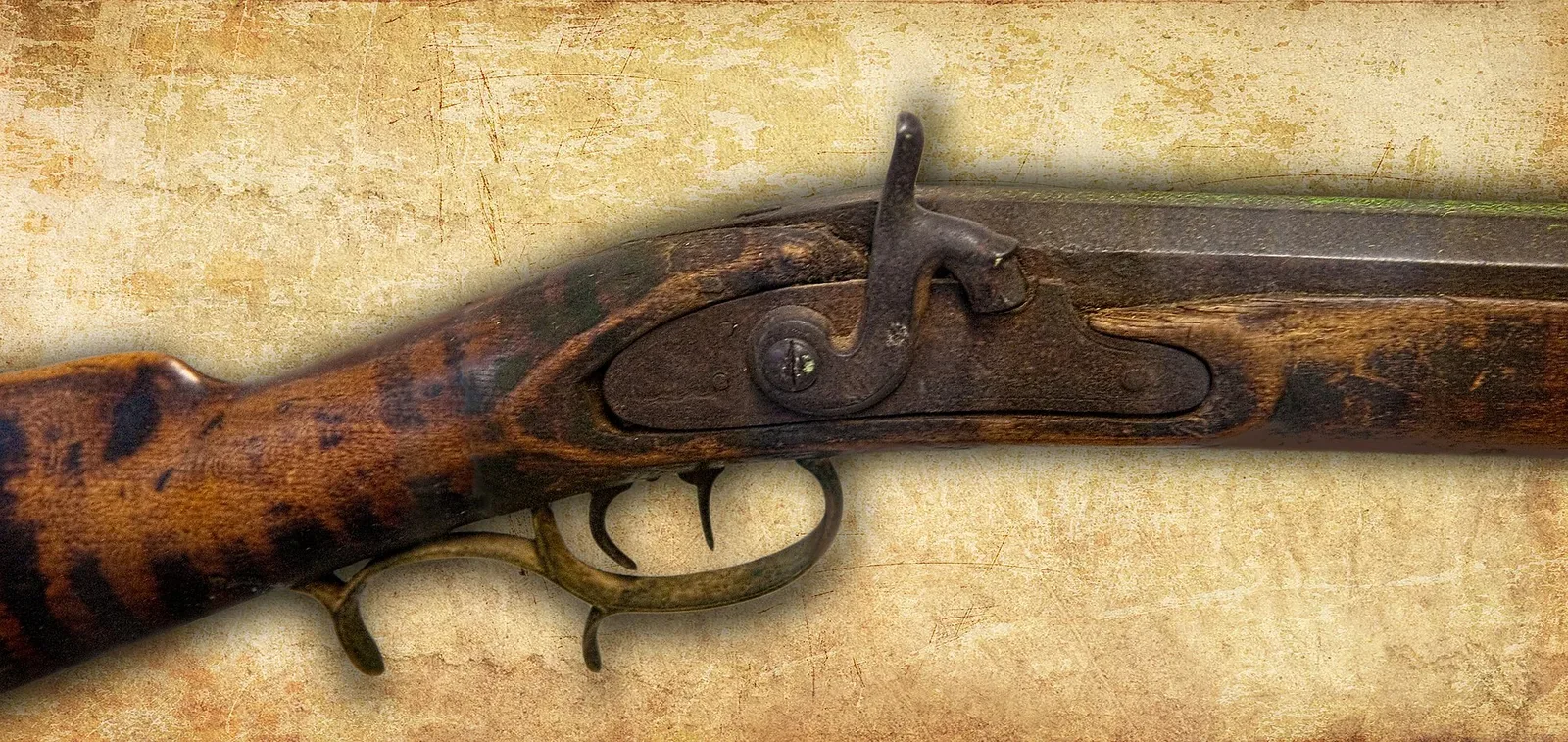
Traditional muzzleloading dominates organized competition -- think percussion cap rifles with iron sights shooting patched round balls. This is where you prove you can shoot like Daniel Boone, assuming Daniel had access to precision-cast lead balls and Swiss black powder.
Modern inlines rule the hunting world. These use 209 primers, accept scopes, and shoot saboted bullets for maximum accuracy. Traditional shooters look down on them, but they'll consistently outshoot historical designs.
Black Powder Cartridge Rifle (BPCR) splits the difference -- single-shot rifles firing cartridges loaded with black powder. You get the smoke and boom without measuring powder for every shot. Popular cartridges include .45-70 and .40-65, rounds that were knocking down buffalo when your great-grandfather was young.
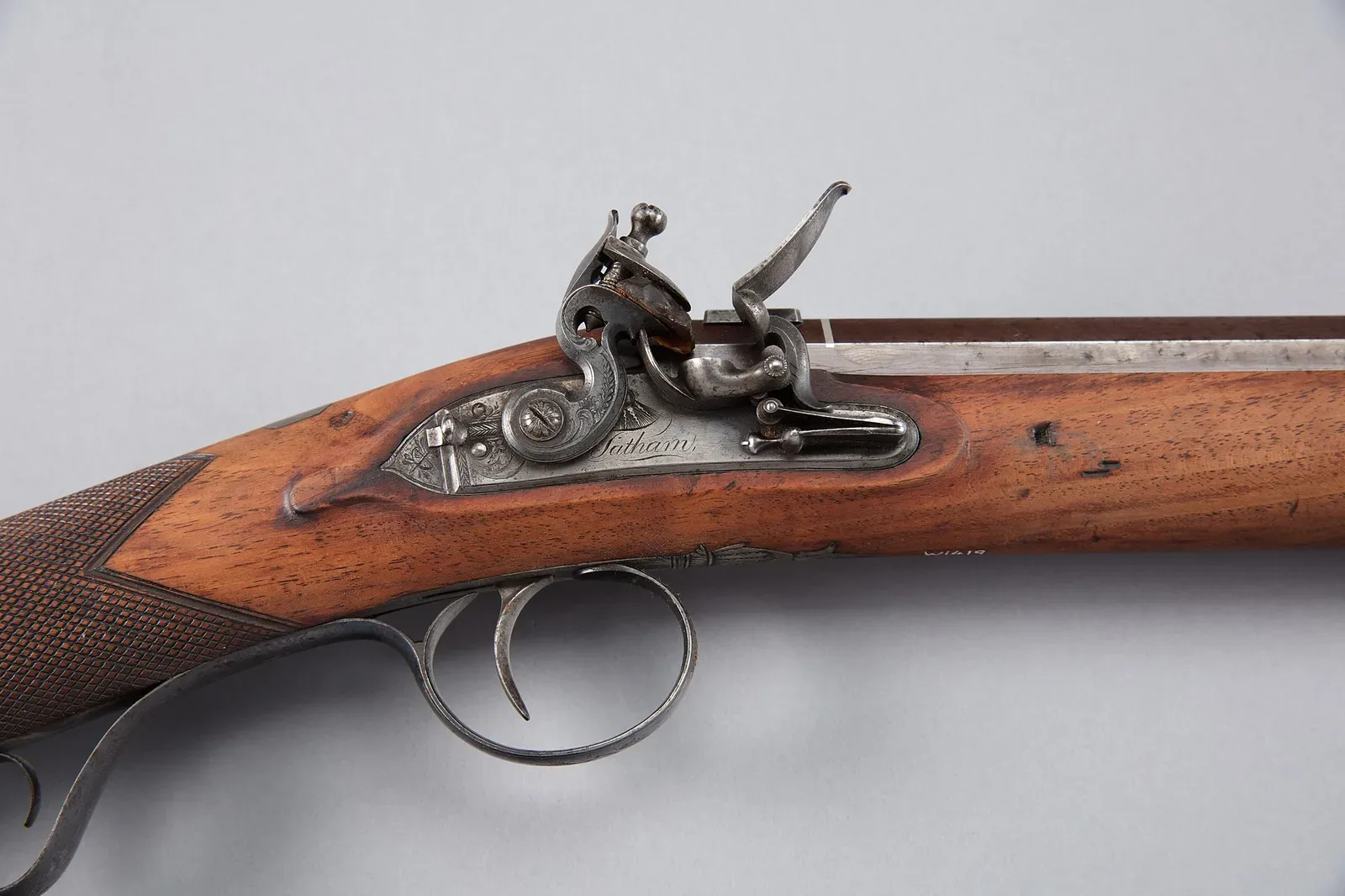
Flintlock represents the ultimate challenge. You're igniting powder with sparks from flint striking steel, just like Colonial militiamen. When it works, you feel like a revolutionary war hero. When it doesn't -- which happens often -- you remember why percussion caps were invented.
Smoothbore matches use muskets without rifling. These test your ability to hit anything with a gun that's inherently inaccurate. Think of it as muzzleloading on hard mode.
| Competition Type | Ignition System | Sights | Projectile | Typical Caliber | Difficulty |
|---|---|---|---|---|---|
| Traditional Percussion | Percussion cap | Iron sights | Patched round ball | .50, .54 | Moderate |
| Modern Inline | 209 primer | Scopes allowed | Saboted bullets | .50 | Easy |
| Black Powder Cartridge | Cartridge-based | Iron/Tang sights | Cast bullets | .45-70, .40-65 | Moderate |
| Flintlock | Flint & steel | Iron sights | Patched round ball | .50, .54 | Hard |
| Smoothbore | Various | Iron sights | Round ball | .75 musket | Very Hard |
Essential Gearedit
Core Equipment
Start with a percussion rifle from Traditions or CVA in the $300-500 range. Avoid the absolute cheapest options -- reliable ignition matters more than perfect accuracy when you're learning.
Most beginners underestimate powder consumption and buy those tiny bottles. Buy real black powder by the pound -- expect $30-35 per pound plus hazmat shipping fees.
| Essential Item | Purpose | Cost Range | Notes |
|---|---|---|---|
| Percussion rifle | Primary firearm | $300-500 | Traditions or CVA for beginners |
| Black powder | Propellant | $30-35/lb | Plus hazmat shipping |
| Round balls | Projectiles | $15-25/100 | Must match bore size |
| Patches | Seal/accuracy | $10-15/pack | Pre-cut cloth strips |
| Percussion caps | Ignition | $8-12/100 | #11 most common |
| Powder measure | Consistent charges | $25-40 | Better than flask |
| Steel range rod | Loading/cleaning | $40-60 | Wood rods break |
Accessories and Tools
You'll need round balls sized to your bore, cloth patches, percussion caps (#11 most common), and a proper powder measure. The wooden ramrod that comes with your rifle will break at exactly the wrong moment, so buy a good steel or fiberglass range rod immediately.
A ball starter helps seat tight-fitting balls without destroying your short starter. Get one with hardwood and brass fittings -- the plastic ones break. You'll also need a bullet puller for removing stuck loads, which will happen more often than you'd like.
Modern conveniences like powder flasks look traditional but adjustable measures work better for consistent charges. Pre-measured charges in small containers eliminate variables during timed competition.
Maintenance Requirements
Black powder residue is corrosive -- ignore cleaning and watch your rifle turn into an expensive rust sculpture. Plan on thorough cleaning within 24 hours of shooting, every time.
Rules You Need to Knowedit
Safety Fundamentals
Never use smokeless powder. This isn't a suggestion -- smokeless powder will destroy your muzzleloader and possibly you along with it.
The pressure curves are completely different, and rifles designed for black powder can't handle modern propellants.
- Load one charge at a time, period
- Keep powder containers closed except when measuring
- Load only at designated areas, never at the firing line
Match Regulations
Traditional matches limit powder charges to roughly 1.5 grains per caliber -- a .50 caliber rifle gets 75 grains maximum. Some matches specify real black powder only, rejecting substitutes like Pyrodex or Triple Seven.
Scoring follows standard target principles with X-rings breaking ties. Most matches use decimal scoring for precision. Time limits vary but expect 2-3 minutes per shot for precision events.
Classifications run on percentage systems: Master shooters hit 95%+ of possible points, Experts manage 90-94%, and so on down to Novice level below 80%. Don't expect to start anywhere near Expert -- the learning curve is steep.
Getting Startededit
Find your local NMLRA charter club through their website directory. Contact the match director before showing up -- they'll often pair you with an experienced shooter who can save you from explosive mistakes.
Attend practice sessions before competition. Bring factory ammunition if available because your first load development attempts will produce mediocre results. Take an NRA-NMLRA safety course if offered -- black powder has unique safety considerations you won't encounter with cartridge guns.
Arrive early to matches and introduce yourself as new. Muzzleloader shooters generally enjoy helping newcomers, probably because misery loves company. Set up at the designated loading area and follow range commands religiously -- procedures differ from conventional ranges due to loading complexity.
Mark your ramrod at proper seating depth for consistent loading. Keep caps in a capper or small container -- loose caps disappear faster than your patience during a hangfire. Expect to shoot poorly while learning proper technique.
What It Costsedit
Initial Investment
Initial setup runs $500-800 for basic gear, $1,500-3,000 for competitive equipment. Per-session costs hit $15-25 for casual shooting, $25-40 for serious practice.
Annual expenses including powder, balls, caps, and match fees run $300-500 for recreational shooting, $800-1,200 for competitive participation.
| Category | Basic Setup | Competitive Setup | Annual Costs |
|---|---|---|---|
| Initial Equipment | $500-800 | $1,500-3,000 | - |
| Per Session | $15-25 | $25-40 | - |
| Recreational Annual | - | - | $300-500 |
| Competitive Annual | - | - | $800-1,200 |
| Black Powder | $30-35/lb + shipping | $30-35/lb + shipping | $150-300 |
| Match Fees | $10-15/match | $15-25/match | $100-400 |
Hidden Expenses
Black powder is expensive and requires hazmat shipping -- add $30+ to online orders. Custom bullet moulds for casting your own projectiles run $60-150. Period-correct accessories for traditional matches cost extra. Cleaning supplies and rust prevention products are mandatory, not optional.
The higher per-shot cost is offset by slower shooting pace -- you'll fire fewer rounds per session than with conventional firearms. But those rounds cost more in time and money.
Where to Shootedit
Start with NMLRA charter clubs -- their website lists clubs by state. Many clubs shoot at private ranges designed for muzzleloading, with covered loading areas and appropriate distances. Some conventional ranges accommodate black powder during specific times, but call ahead.
Friendship, Indiana hosts NMLRA National Championships twice yearly. Attending as a spectator provides excellent exposure to serious competition. Regional territorial matches offer intermediate-level competition between nationals.
The Muzzleloading Forum provides technical advice and match calendars. Facebook groups for specific organizations post results and events. Don't overlook state organizations -- many host annual championships with novice divisions.
Organizationsedit
NMLRA serves as the primary sanctioning body for traditional muzzleloader competition. Membership runs $45 annually and includes their magazine, rule book, and match eligibility. Their classification system is recognized nationwide.
Black Powder Cartridge Rifle organizations vary by region but follow similar rules. The American Single Shot Rifle Association includes muzzleloading divisions. NRA sanctions some matches and provides instructor programs but isn't required for most competition.
Muzzleloading rewards patience and precision over speed and firepower -- if you enjoy the ritual of traditional firearms and don't mind learning chemistry along with marksmanship, you'll find a passionate community and challenges that modern cartridge guns simply can't provide.
See Alsoedit
- Precision Rifle - Modern accuracy without the history lesson
- Cowboy Action Shooting - Period firearms with faster pace
- Find Events
Last Updated: January 28, 2026
Loading comments...