Specifications
Colt CZ - Synthesia Nitrocellulose Acquisition

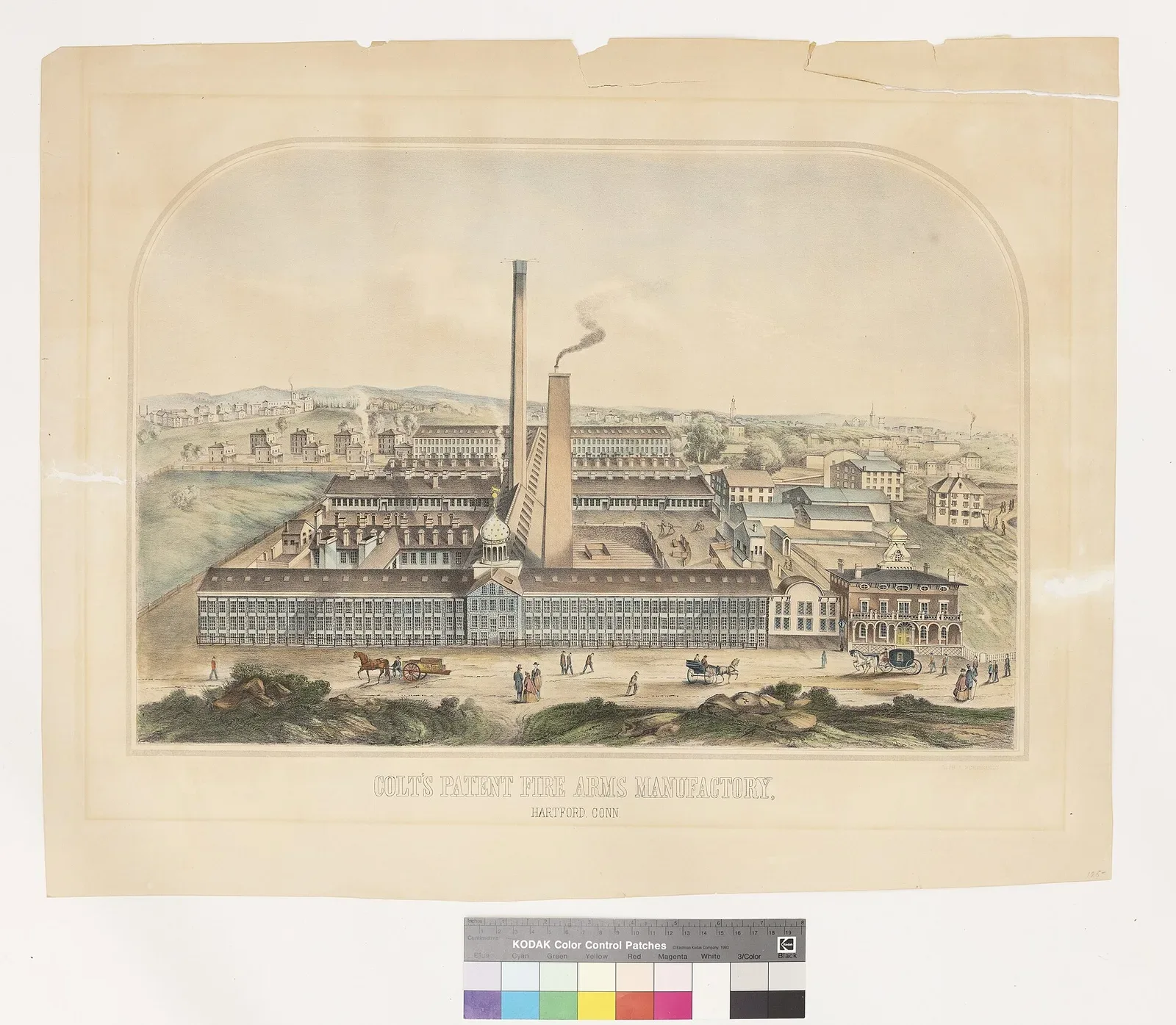
The original Colt Armory in Hartford (1857) — the institutional foundation that made Colt a dominant American firearms manufacturer for over 160 years.
Original engraver unknown. (Public domain)
| Manufacturer | |
|---|---|
| Made By | Colt CZ Group SE |
| Origin | Czech Republic |
| Specifications | |
| Caliber | |
| Production | |
| In Production | 2025 |
| Unit Cost | CZK 22 billion ($1.05 billion USD) |
| Variants | |
| |
| Service Use | |
Ammunition manufacturersMilitary contractorsCommercial ammunition producers | |
| Cultural Note | |
| Largest firearms industry acquisition focusing on ammunition supply chain control | |
Colt CZ Group Acquires Synthesia Nitrocellulose
Firearms encyclopedia article
From The Boise Gun Club Handbook
In August 2025, Czech firearms giant Colt CZ Group dropped $1.05 billion to buy a controlling stake in Synthesia Nitrocellulose. If you're wondering why a gun company would spend that kind of money on a chemical manufacturer, you need to understand what nitrocellulose is—it's the stuff that makes smokeless powder work.
This isn't just another corporate acquisition. This is Colt CZ saying they're tired of begging for powder components like the rest of us have been doing since 2020.
What Nitrocellulose Actually Isedit
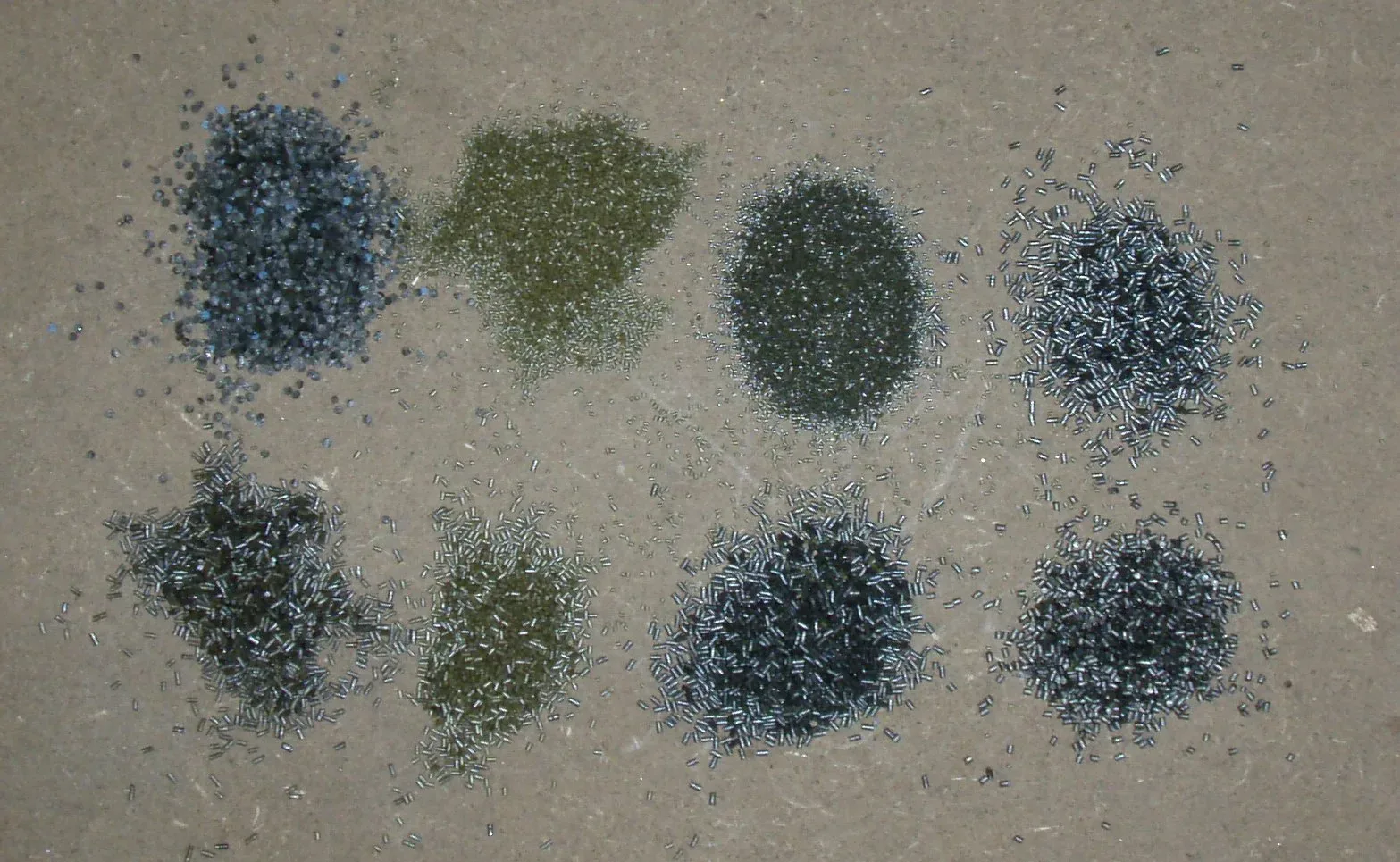
Nitrocellulose is the backbone of every cartridge you've loaded in the past century. Take cotton or wood pulp, treat it with nitric acid, and you get the base material for smokeless powder. Without it, we'd all be shooting black powder and dealing with the smoke clouds our great-grandfathers dealt with.
Nitrocellulose production chain and vulnerability points
Production Challenges
The problem is there aren't many companies that make this stuff. It's dangerous to produce, heavily regulated, and requires serious industrial infrastructure. When supply gets tight—which happens more than you'd think—ammunition manufacturers start scrambling.
| Property | Details |
|---|---|
| Raw Materials | Cotton or wood pulp treated with nitric acid |
| Primary Use | Base material for smokeless powder production |
| Regulatory Status | Heavily regulated due to explosive nature |
| Production Requirements | Specialized industrial infrastructure |
| Global Suppliers | Limited number of manufacturers worldwide |
| End Products | Military and commercial-grade smokeless powder |
Strategic Importance
Synthesia Nitrocellulose sits in the Czech Republic and produces both military and commercial-grade material. They supply ammunition manufacturers across Europe and beyond, making them exactly the kind of strategic asset you'd want to own if you're in the ammo business.
Why This Deal Happenededit
Strategic Rationale
Ammunition supply chains have been a mess for years, and smart companies are buying their way out of dependence on outside suppliers. Colt CZ just made the biggest bet yet on vertical integration.
Strategic rationale for vertical integration
- Supply security: Own your powder supply, never get caught short again
- Cost control: No more paying markup to third-party suppliers
- Competitive advantage: Your rivals still have to buy what you now make yourself
Financial Structure
The CZK 22 billion price tag (about $1.05 billion) represents 51% ownership with options to buy the rest later. They structured it as cash plus Colt CZ stock, which keeps some powder dry while giving Synthesia's owners a stake in the combined operation.
| Deal Structure | Value |
|---|---|
| Total Price | CZK 22 billion (~$1.05 billion USD) |
| Ownership Stake | 51% (controlling interest) |
| Payment Method | Cash plus Colt CZ stock |
| Future Options | Rights to acquire remaining 49% |
| Legal Counsel | White & Case |
| Colt CZ Q1 2025 EBITDA | CZK 1.2 billion (148% increase) |
Colt CZ's financials show they can handle this kind of acquisition—their adjusted EBITDA jumped 148% in Q1 2025 to CZK 1.2 billion. That's a company with serious cash flow betting on supply chain control as their path to market dominance.
What This Means for Everyone Elseedit
Competitive Implications
If you're another ammunition manufacturer, you just watched one of your suppliers become your competitor. Colt CZ says they'll keep selling nitrocellulose to other companies, but when push comes to shove and supply gets tight, who do you think gets priority—paying customers or Colt CZ's own ammunition plants?
When push comes to shove and supply gets tight, who gets priority--paying customers or Colt CZ's own ammunition plants?
This puts pressure on other major players to lock up their own supply chains. Expect more acquisitions in the ammunition components space as companies realize they can't afford to be dependent on competitors for critical materials.
Geographic Advantages
The Czech Republic location gives Colt CZ logistical advantages for serving European markets while maintaining access to global customers. It's also worth noting that White & Case handled the legal work—when you're spending over a billion dollars, you don't hire budget lawyers.
The Risksedit
Operational Risks
Buying a chemical plant isn't like buying another firearms manufacturer. You're dealing with different regulatory frameworks, different safety requirements, and different operational expertise. Chemical manufacturing requires constant capital investment and carries inherent risks that firearms assembly doesn't.
| Risk Category | Specific Concerns |
|---|---|
| Operational | Different expertise required for chemical vs. firearms manufacturing |
| Regulatory | Complex chemical manufacturing compliance frameworks |
| Safety | Inherent hazards of nitrocellulose production |
| Financial | Continuous capital investment requirements |
| Integration | Managing dual business models simultaneously |
| Market | Potential decline in external customer base |
The integration challenges are real. Colt CZ needs to learn how to manage chemical production while maintaining their core firearms business. The regulatory environment for chemical manufacturing is completely different from what they're used to.
Market Risks
There's also the question of what happens to nitrocellulose demand beyond Colt CZ's internal needs. If competitors start sourcing elsewhere or develop alternative suppliers, Synthesia's external sales could decline.
Market Impactedit
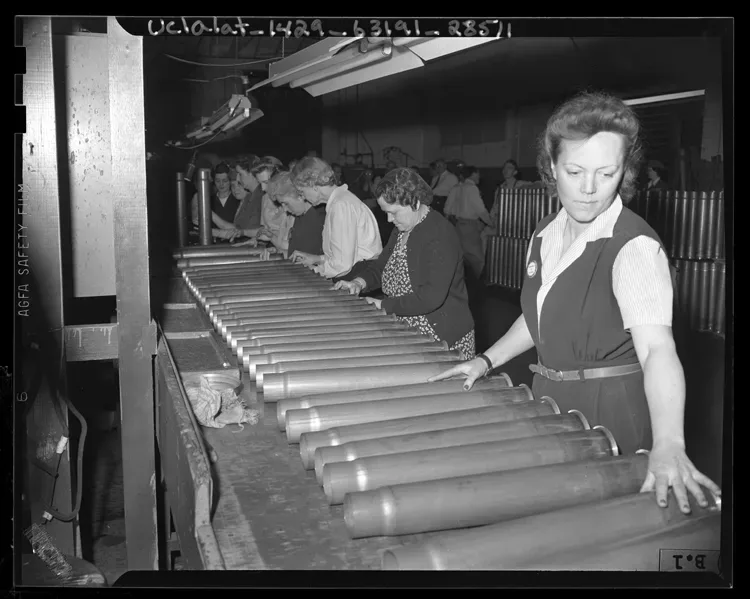
This acquisition creates one of the few truly vertically integrated ammunition manufacturers with control over primary powder production. For civilian shooters, this could mean more stable ammunition availability from Colt CZ brands during shortage periods—though you'll probably pay for that stability as the company recovers its acquisition costs.
Evolution toward vertical integration in the ammunition industry
The deal signals that the ammunition industry is moving toward consolidation and vertical integration as companies seek protection from supply chain disruptions. If you're planning long-term ammunition purchases, pay attention to which manufacturers control their own supply chains and which ones are still dependent on outside suppliers.
The BGC Takeedit
This is what it looks like when a firearms company decides to stop playing defense on supply chains and start playing offense. Colt CZ spent a billion dollars to never again sit around waiting for someone else to make the powder components they need.
This is what it looks like when a firearms company decides to stop playing defense on supply chains and start playing offense.
Is it smart? Probably. The ammunition shortage taught everyone that supply chain control is worth paying for. Will it work? That depends on whether Colt CZ can actually manage chemical manufacturing without screwing it up.
For the rest of us, it means watching ammunition availability and pricing from Colt CZ brands versus competitors who are still buying their nitrocellulose on the open market. When the next shortage hits—and there will be a next shortage—we'll see if this billion-dollar bet pays off.
- Gls Guns(Sumner, IA)
- Bi-mart - Yakima (Fruitvale Ave)(Yakima, WA)
- New Philly Sportsman Specialities(New Philadelphia, OH)
- R&R Sports & Outdoors(Brandon, FL)
Loading comments...