Quick Reference
Dry Fire Practice Fundamentals

The Grand Power K100 — a modern striker-fired design popular for practice due to its consistent trigger and safe dry-fire capability.
Grand Power Ltd., Slovakia (CC BY-SA 1.0)
| Time & Effort | |
|---|---|
Read Time | 9 min read |
| Practice Time | 5-10 minutes daily, progressing over 4+ weeks |
| Frequency | Daily 5-10 minute sessions recommended |
Equipment Needed | |
| |
Safety | |
| |
Key Takeaways | |
| |
Related Topics | |
| |
Dry Fire Practice Fundamentals
master your technique without burning through ammo
From The Boise Gun Club Handbook
Most accuracy problems get solved in your living room, not at the range. Dry fire builds muscle memory and fixes bad habits without burning through your ammunition budget.
- The math: Range time costs money and eats your Saturday. Dry fire costs nothing after setup
- The reality: Ten minutes daily beats monthly range trips for skill development
- The reason: You're isolating variables--no recoil, no noise, no distractions
Safety Protocol That Actually Worksedit
Remove all ammunition from the room. Not just the magazine--everything goes to a different room entirely. I've seen too many "unloaded" guns that weren't.
Chamber Verification Protocol
Check the chamber twice. Look with your eyes, feel with your finger. Check it again when you pick up the gun after setting it down, even for thirty seconds.
One negligent discharge erases a lifetime of safe handling. The "it was unloaded" defense doesn't work in court or at funerals.
My verification routine: remove ammo from room, drop magazine, lock slide back, visual check, physical check, release slide, function check in safe direction, begin practice. Create yours and stick to it religiously.
Complete dry fire safety verification protocol - never skip steps
Environmental Setup
Pick one dedicated direction--exterior wall, basement toward concrete and dirt. Idaho houses have thin interior walls that won't stop much of anything. No phone, no TV, no distractions during practice.
Equipment That Actually Mattersedit
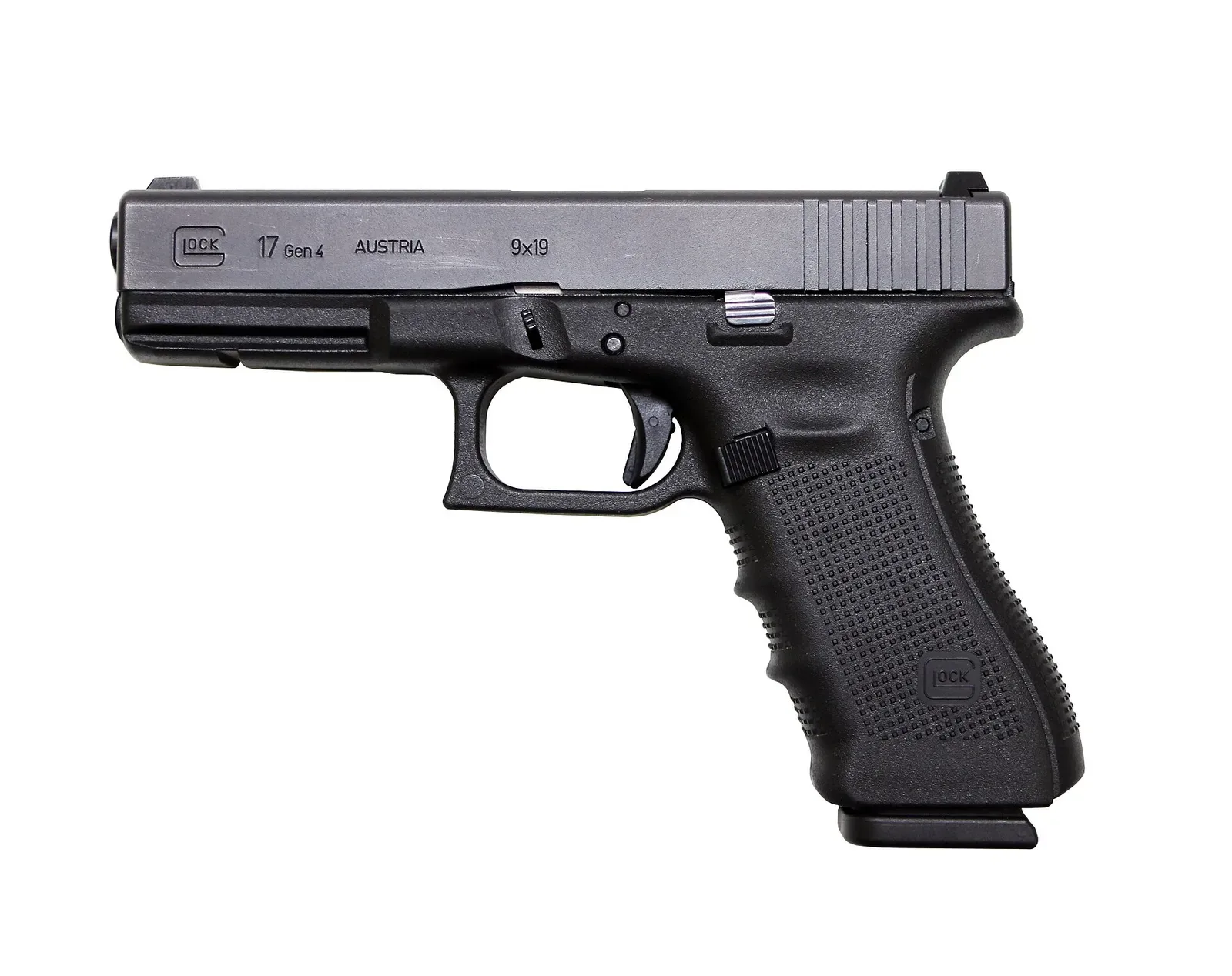
Essential Gear Only
You need less than the industry wants to sell you. Start with your carry gun, a target spot on the wall, and commitment. That's a complete system.
Snap caps protect firing pins on rimfire guns and older designs, but modern striker-fired pistols--Glock, M&P, most current designs--handle dry fire just fine. Check your manual to be sure.
Laser training cartridges show exactly where the gun points when the trigger breaks. This immediate feedback accelerates learning faster than anything else I've tried. Budget $40-200 depending on features.
A shot timer changes everything because you can't manage what you don't measure. Par times force honest assessment of speed versus accuracy. Free phone apps work fine--IPSC Shot Timer or Splits.
| Equipment | Purpose | Cost Range | Necessity |
|---|---|---|---|
| Carry gun | Primary training platform | $300-800 | Essential |
| Target spot | Aiming reference | Free | Essential |
| Snap caps | Firing pin protection | $10-20 | Rimfire only |
| Laser cartridge | Immediate feedback | $40-200 | High value |
| Shot timer | Performance measurement | Free-$150 | Critical for progress |
| Paper plate (8") | Center mass target | $3 | Essential |
| Index cards (3x5) | Precision zone target | $2 | Essential |
| Dot torture targets | Skill isolation | Free online | Recommended |
Target Selection
Use real targets at real distances. Most gunfights happen under 7 yards. Practice there, not at 25.
- 8-inch paper plate: Center mass representation
- 3x5 index card: High center chest zone
- Dot torture targets: Free online, isolate specific skills
Building Your Fundamentalsedit
Grip Foundation
Grip establishes everything else. Firing hand sits high on the backstrap, support hand fills remaining space with forward pressure. In dry fire, your knuckles should turn white from grip pressure--if they don't, you're not gripping hard enough for recoil management.
Build proper grip with the gun on target, not during the draw. Speed comes from repetition, not rushing.
Sight Alignment
Sight alignment means front sight centered in rear notch, equal light gaps, tops level. Your eye focuses on the front sight--target and rear sight blur slightly.
This feels wrong because we want to look at the threat, but train your eyes to stay on that front sight through the trigger press. What this means for you: Front sight sits where you want the bullet to impact. Perfect alignment for precision, "good enough" for defensive distances--you're making center mass hits, not threading needles.
Trigger Control
Trigger control makes or breaks the shot. Press straight back smoothly without disturbing sight alignment. The break should surprise you slightly. If you anticipate it, you'll flinch.
Watch your front sight during dry fire. If it moves during the press, you're jerking the trigger. The sight should stay on target through the click--harder than it sounds and exactly why this practice matters.
Practice Routine That Worksedit
Session Structure
Start with five minutes. Set a timer. When it goes off, stop. Daily short sessions beat weekly marathons for building neural pathways.
Begin every session with fundamentals check: grip, stance, sight alignment, trigger press. Five reps of perfect technique establish your baseline. Start sloppy, practice mistakes.
Progressive Training
- Week 1: Static fire, single target, trigger control only
- Week 2: Add draw from concealment
- Week 3: Multiple targets, transitions
- Week 4: Add movement--step and shoot, shoot and move
Progressive skill development - master each week before advancing
Performance Tracking
Track your work in a notebook. Date, time, drills performed, what worked, what didn't. When you plateau--and you will--review notes to identify patterns.
Draw Stroke Developmentedit
The draw stroke happens in phases. Practice each separately before combining them.
| Phase | Action | Key Points | Common Errors |
|---|---|---|---|
| 1 - Grip | Achieve firing grip on holstered gun | Same spot every time, no looking | Loose grip, inconsistent hand placement |
| 2 - Clear | Gun straight up, clear of holster | Muzzle points down | Angling gun during clearance |
| 3 - Rotate | Gun rotates toward target | Support hand meets at chest | Premature extension |
| 4 - Extension | Both hands drive gun forward | Whole upper body movement | Arms-only extension |
| 5 - Fire | Full extension, sight alignment | Trigger press begins | Firing before full extension |
Smooth equals fast. Jerky movements add time and kill accuracy.
Video yourself--your phone catches things you miss.
Fixing Common Problemsedit
Recoil Anticipation
Anticipating recoil shows as front sight dipping before trigger break. Mix snap caps randomly in magazines--when you prep for recoil that doesn't come, the flinch becomes obvious.
Trigger Technique Issues
Slapping the trigger jerks the gun down and right for righties. Slow down, focus on smooth press straight back. Ball-and-dummy drills expose this instantly.
Peeking over sights to see hits kills your sight picture. Keep focus on front sight through trigger break and follow-through. Call your shots before checking--know where they'll land.
Support Hand Problems
Death grip with support thumb on frame side creates lateral pressure. Keep that thumb high and forward, not wrapped around. Support elbow comes down and slightly forward--gun sits in front of you, not arms splayed wide.
| Problem | Symptom | Dry Fire Fix | Validation Method |
|---|---|---|---|
| Anticipating recoil | Front sight dips before break | Focus on surprise break | Ball and dummy drill |
| Slapping trigger | Shots low and right (RH shooter) | Slow, smooth press straight back | Watch front sight movement |
| Peeking over sights | Inconsistent sight picture | Focus on front sight through break | Call shots before checking |
| Death grip support thumb | Shots pulled left/right | Thumb high and forward | Group analysis at range |
Making It Realedit
Realistic Conditions
Practice in clothes you actually wear--flannel shirt, Carhartt jacket, winter layers all affect your draw. Use your actual carry setup: holster, belt, gun, magazine placement.
Training with different gear wastes time.
Stress Inoculation
Add stress gradually. Physical exercise before dry fire elevates heart rate. Decision-making elements force processing under pressure--not necessary for beginners but crucial for intermediate shooters.
Most defensive situations happen when lighting isn't perfect. Turn off the lights, use a flashlight, learn what you can't see and why that changes everything.
Live Fire Validationedit
Dry fire multiplies ammunition effectiveness but doesn't replace it. Validate progress every two weeks minimum. Skills should transfer directly--if they don't, something's wrong with your dry fire technique.
Film both dry fire and live fire sessions. Watch them side by side.
Your live fire should look identical to dry fire, just with recoil. Different technique indicates you're compensating instead of managing recoil.
Use the same drills at the range you practice at home. Measure results--times should improve, groups tighten, transitions smooth out.
See Alsoedit
- R&R Sports & Outdoors(Brandon, FL)
- Bi-mart - Yakima (Fruitvale Ave)(Yakima, WA)
- Cash America Pawn(BRYAN, TX)
- New Philly Sportsman Specialities(New Philadelphia, OH)
Loading comments...