Quick Reference
High Power Rifle Competition Guide

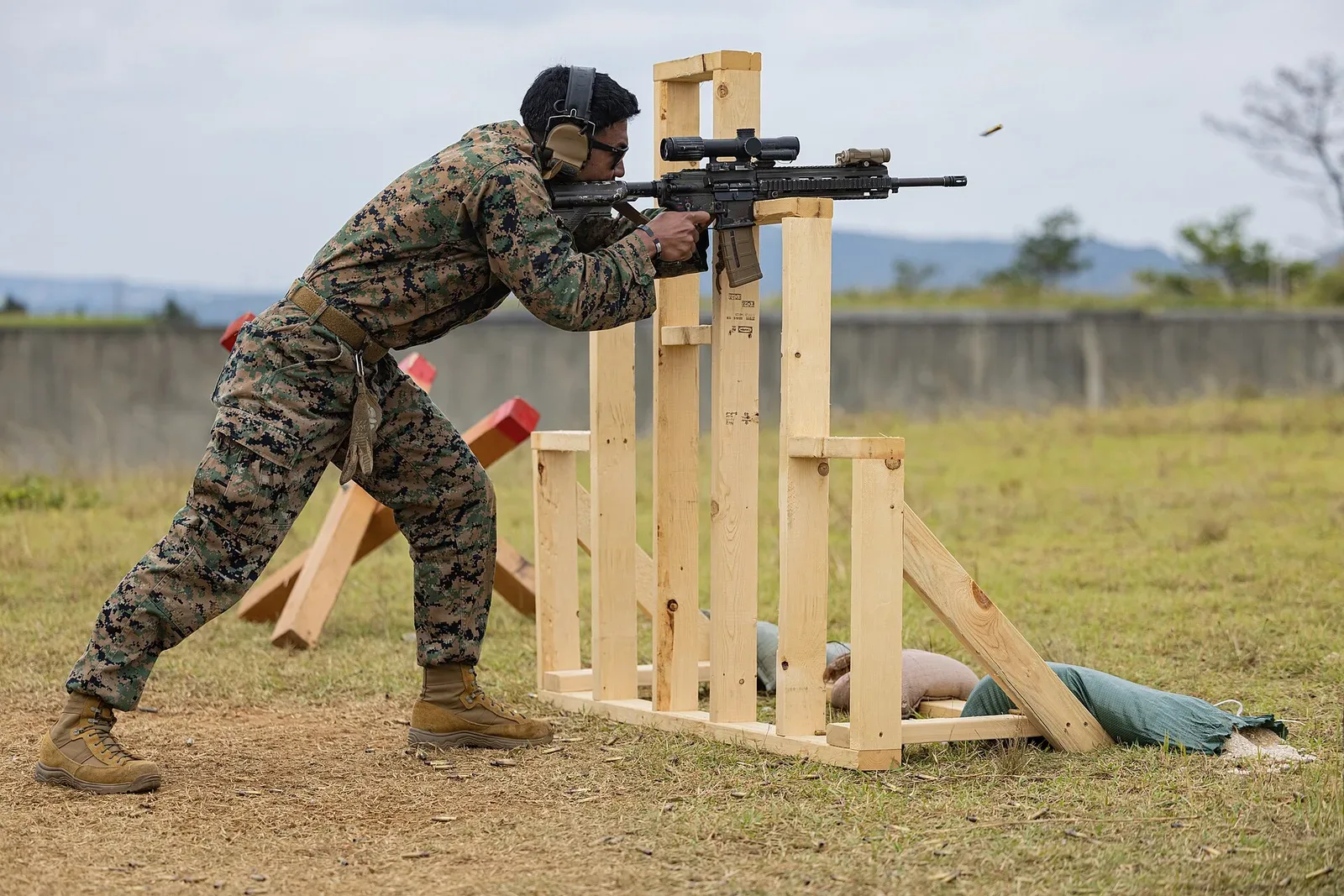
Photo: U.S. Marine Corps photo by Cpl. Joshua Barker (Public Domain (U.S. Gov))
| Time & Effort | |
|---|---|
Read Time | 11 min read |
Equipment Needed | |
| |
| Prerequisites | |
| |
Safety | |
| |
Key Takeaways | |
| |
Organization | |
| National Rifle Association (NRA) ↗ | |
| Divisions | |
Service RifleMatch RifleF-Class OpenF-Class TRPalmaLong Range | |
Related Topics | |
| |
High Power Rifle
Handbook article
From The Boise Gun Club Handbook
High Power Rifle is precision shooting stripped down to what actually makes you a better marksman--standing, sitting, and prone positions with iron sights at distances that separate the shooters from the plinkers.
- Traditional format: Four stages, 50 shots total, distances from 200 to 600 yards
- Real skills: No bipods, no bags, just you and a sling like your grandfather used
- Mental game: Rapid-fire stages under time pressure separate the wheat from the chaff
This is where military marksmanship meets competitive shooting. Been around since the early 1900s when the NRA figured out that if you wanted good riflemen, you better start training them. Camp Perry's National Matches brought together civilian shooters and military personnel using service rifles--same basic format we use today.
A typical match runs four stages totaling 500 points if you're perfect. You start standing at 200 yards for 10 shots, move to sitting rapid-fire at 200 (10 shots in 60 seconds), then prone rapid-fire at 300 yards (10 shots in 70 seconds), finishing with prone slow-fire at 600 yards for 20 shots. At 600 yards, that 10-ring is only 12 inches--the X-ring inside it is 6 inches. Miss by much and you're watching your score tank.
What makes High Power Rifle different from other precision disciplines is the minimal support gear. While F-Class guys use bipods and rear bags, and PRS shooters have every prop imaginable, High Power Rifle relies on a military sling and solid fundamentals. Skills that actually transfer to hunting or when things get serious.
About 15,000 active competitors nationwide keep this sport alive, mostly concentrated around military installations and areas where traditional shooting still matters.
Disciplines & Variationsedit
| Variation | Description | Equipment Rules | Typical Distances |
|---|---|---|---|
| Service Rifle | AR-15 or M1 Garand, military specs, iron sights only | No modifications beyond basic accuracy work | 200-600 yards |
| Match Rifle | Precision rifles with scopes up to 4.5x | Specialized stocks and triggers allowed | 200-600 yards |
| F-Class Open | Any caliber, bipods and rear bags, high-power scopes | Equipment race--bring your wallet | 300-1000 yards |
| F-Class TR | .223 or .308 only, bipods allowed, weight limits | More reasonable equipment costs | 300-1000 yards |
| Palma | 800, 900, 1000 yards with iron sights | International competition format | 800-1000 yards |
| Long Range | 800-1000 yard matches | Specialized for extreme distance | 800-1000 yards |
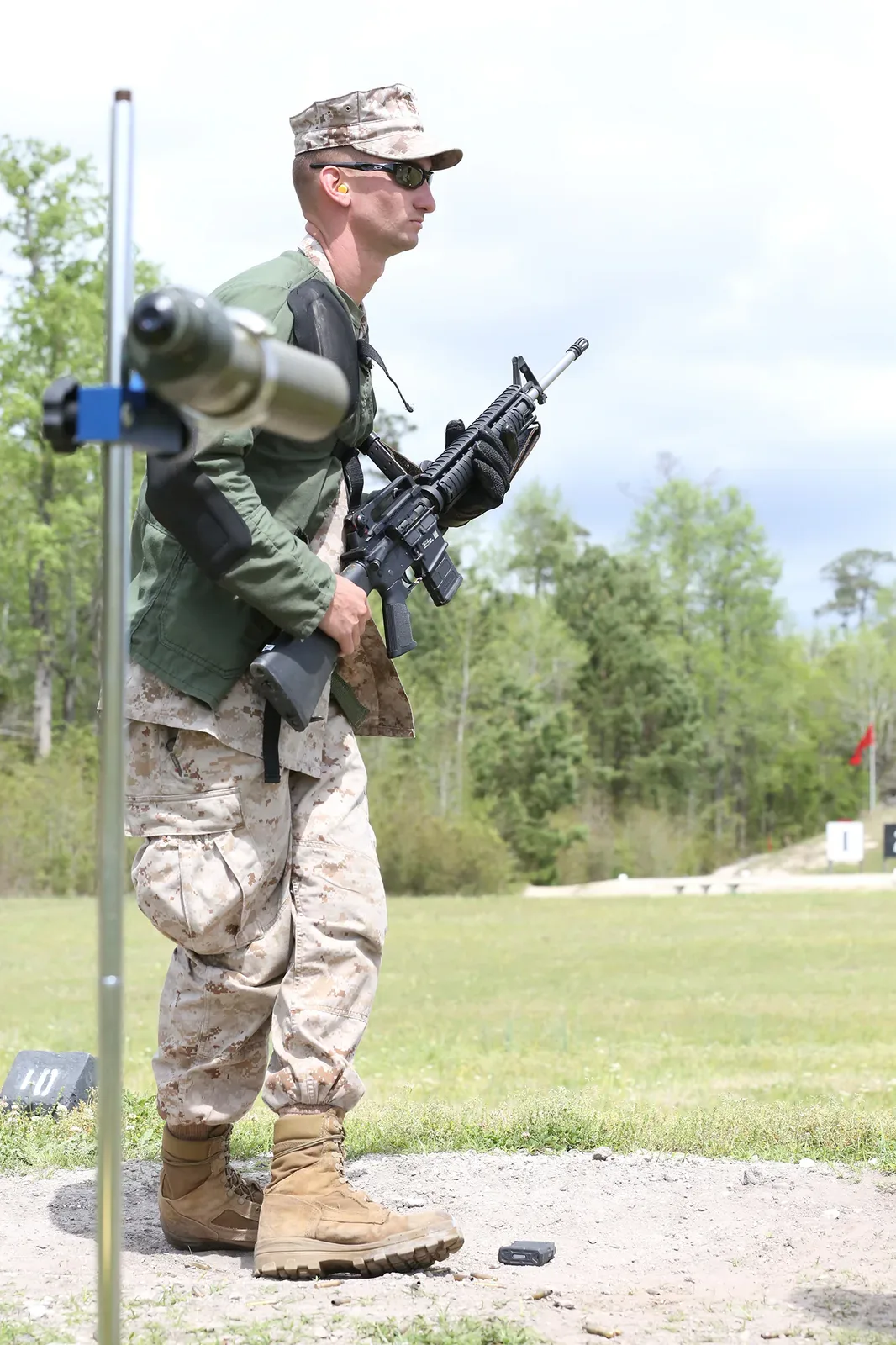
Service Rifle stays truest to the military roots--AR-15 or M1 Garand variants with iron sights. Match Rifle lets you run low-power scopes, which helps if your eyes aren't what they used to be.
Service Rifle stays truest to the military roots--skills that transfer directly to serious applications without the equipment arms race.
F-Class exploded in popularity because it allows bipods and bags. Makes the sport accessible to older shooters or anyone with physical limitations.
The TR variant keeps it reasonable by limiting you to .223 or .308--you can actually afford to feed these rifles.
High Power Rifle discipline family tree and equipment pathways
Equipment That Actually Mattersedit
Essential Starting Equipment
| Item | Budget Route | Serious Money | Reality Check |
|---|---|---|---|
| Rifle | $800-1200 | $2500+ | Service rifles cost less than Match rifles |
| Ammunition | $1.50/round | $3+/round | Cheap ammo = cheap scores |
| Shooting Jacket | $150-250 | $400-600 | Proper fit matters more than price |
| Shooting Glove | $25-40 | $60-100 | Left hand support, prevents sling cuts |
| Sling | $40-80 | $120-200 | Turner or military-style with good adjustability |
| Spotting Scope | $300-500 | $800-2000 | Need 20x minimum to see holes at 600 |
| Scope (Match) | $400-800 | $1200+ | Fixed power 2.5x-4.5x, skip the variables |
| Score Book | $15-25 | $15-25 | Track your progress, required for classification |
Start with a decent rifle and a properly fitted shooting jacket--these two items will affect your scores more than any other gear.
Start with a decent rifle and properly fitted shooting jacket--these two items affect your scores more than any other gear.
The jacket provides consistent support and eliminates the variables that come from wearing different clothes to matches.
Ammunition and Accessories
A quality spotting scope comes next for reading your shots and wind conditions at distance. Too many new shooters blow money on expensive accessories while shooting in poorly-fitting jackets or with bargain ammunition that groups like a shotgun pattern.
Your shooting stool becomes invaluable during long matches--somewhere to sit between stages and organize your gear. A good rifle case protects your investment when traveling to matches. One-piece cleaning rod with a bore guide keeps your rifle shooting accurately through the season.
Kneeling roll supports the kneeling position and saves your knees on rough concrete. Personal wind flags help you read conditions, especially at the longer ranges where a slight breeze moves your shots significantly.
Rules and How Scoring Actually Worksedit
Scoring System Breakdown
Fifty shots for a possible 500 points, with X-ring hits breaking ties. Each shot scores 0-10 points based on where the bullet hits. The scoring rings vary by distance--10-ring is 7 inches at 200 and 300 yards, opens up to 12 inches at 600 yards. The X-ring sits inside the 10-ring and counts for tie-breaking. Nineteen X's beats eighteen X's even with identical scores.
| Distance | 10-Ring Size | X-Ring Size | Time Limit | Position |
|---|---|---|---|---|
| 200 yards | 7 inches | 3 inches | 1 min/shot (standing) | Standing slow-fire |
| 200 yards | 7 inches | 3 inches | 60 seconds/10 shots | Sitting rapid-fire |
| 300 yards | 7 inches | 3 inches | 70 seconds/10 shots | Prone rapid-fire |
| 600 yards | 12 inches | 6 inches | 20 min/20 shots | Prone slow-fire |
Time limits create real pressure. Standing slow-fire gives you a minute per shot--plenty of time to think yourself into trouble. Rapid-fire stages demand 10 shots in 60-70 seconds including magazine changes. You load 8 rounds, fire them, reload 2 more, and finish while the clock runs down.
Classification Levels
The NRA Classification System ranks shooters by average scores:
| Classification | Score Percentage | Average Score (500 possible) | Approximate Skill Level |
|---|---|---|---|
| Marksman | Below 84% | Below 420 | Beginner |
| Sharpshooter | 84-88.99% | 420-445 | Intermediate |
| Expert | 89-93.99% | 445-470 | Advanced |
| Master | 94-97.99% | 470-490 | Highly skilled |
| High Master | 98%+ | 490+ | Elite level |
Getting to High Master means averaging 495 out of 500--missing the 10-ring only five times across 50 shots.
Common Rule Violations
Key rules that trip up newcomers: Sling use is mandatory and regulated--only military configurations allowed. No coaching once firing begins--you solve your own problems. Equipment modifications have strict limits, especially in Service Rifle. Safety violations get you disqualified immediately with no second chances.
Standard High Power match sequence and scoring flow
Getting Your Feet Wetedit
Finding Your First Match
Find local clubs through the NRA or CMP club locators. Most matches welcome newcomers if you contact the match director beforehand. They'll often pair you with an experienced shooter who can explain the process and lend basic gear.
Go watch a match first. High Power Rifle has more complexity than most shooting sports--multiple firing lines, position changes, time limits.
Many clubs loan basic equipment to first-timers, though you'll need to bring your own ammunition.
Consider attending an Appleseed shoot or CMP clinic for basic marksmanship instruction. High Power Rifle demands solid fundamentals across multiple positions--problems that barely matter shooting prone with a bipod become huge issues standing or in rapid-fire.
High Power Rifle maintains formal range protocols. Range officers control all shooting with specific commands:
- "Commence Fire" means go
- "Cease Fire" means stop immediately
- Muzzles stay pointed downrange at all times
- Actions open when not shooting
- Stay quiet during others' strings
- Offer help when asked but don't be pushy
Practice sessions focus on position work and natural point of aim. Success depends on building repeatable positions that require minimal muscle tension. Spend time with an empty rifle perfecting your stance, grip, and sight picture before burning expensive match ammunition.
Match Day Preparation
Typical progression path for new High Power shooters
- Registration opens weeks ahead through Practiscore or club websites
- Entry fees run $25-60 depending on match length
- Show up early for equipment inspection and squad assignments
- Bring 30% more ammunition than required for alibis and sighters
You'll struggle initially. Rapid-fire stages intimidate everyone at first, and reading wind conditions takes years to develop. Scores in the 300s are normal for beginners--breaking 400 marks real progress.
Focus on safety and learning process rather than winning anything.
What This Actually Costsedit
| Category | Getting Started | Getting Serious |
|---|---|---|
| Initial Gear | $1500-2500 | $4000-8000 |
| Match Entries | $25-60 each | $25-60 each |
| Annual Total | $2000-3000 | $4000-6000 |
Hidden Expenses
The hidden costs add up faster than you expect. Match ammunition runs $1.50-3.00 per round, and serious competitors fire 3000+ rounds annually. Major matches require hotel stays--Camp Perry runs a full week. Most competitive shooters end up reloading for consistency, which means another $800-1500 in equipment.
Equipment upgrades never stop. Rifles, scopes, and accessories constantly improve, making your gear feel outdated. Professional instruction costs $200-500 but speeds up the learning curve significantly.
Where to Actually Shootedit
The CMP club locator at thecmp.org lists affiliated clubs nationwide. Strongest concentrations are around Camp Perry, Ohio; California's Central Valley; Texas; and the Northeast corridor. Many clubs share facilities with other disciplines but dedicate specific days to High Power Rifle.
Military bases often host civilian matches, though you'll need background checks for access. Online communities like HighPowerRifle.com and Facebook groups provide match calendars and gear advice.
Regional championships happen quarterly, with the National Matches at Camp Perry each July representing the sport's pinnacle. State associations coordinate travel groups and equipment sharing for major events.
Who Runs This Showedit
| Organization | What They Do | Why You Care |
|---|---|---|
| NRA | Makes rules, sanctions matches, tracks classifications | Need membership for match eligibility |
| CMP | Promotes marksmanship, runs Camp Perry, sells surplus rifles | Membership gets equipment discounts |
| FCUSA | Governs F-Class competition | Only matters if you shoot F-Class |
| PALMA | International Palma matches | Relevant for international competition |
NRA membership ($45 annually) gets you match eligibility and classification tracking. CMP membership ($25) offers discounts and priority for rifle sales--valuable if you want an M1 Garand or other surplus rifles.
See Alsoedit
- F-Class Rifle - Related precision discipline with equipment aids
- Service Rifle - Military-heritage division within High Power
- Precision Rifle Series - Modern tactical precision alternative
- Find Events
Last Updated: January 28, 2026
Loading comments...