Specifications

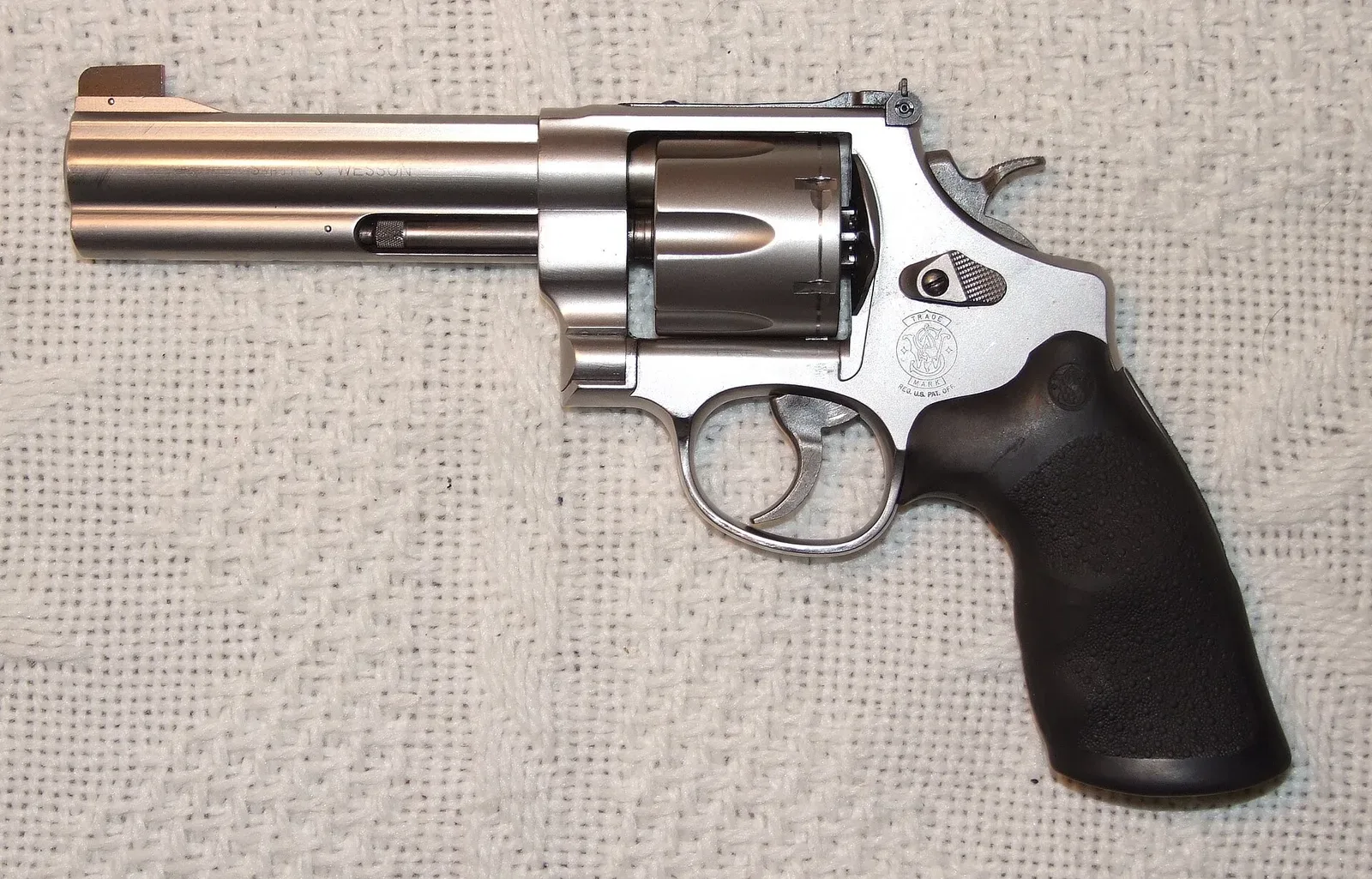
The Smith & Wesson 625 is a modern N-frame revolver chambered in .45 ACP — bridging revolver tradition with semi-automatic ammunition.
Hrd10 (Public domain)
| Manufacturer | |
|---|---|
| Made By | |
| Origin | |
| Specifications | |
| Caliber | |
How to Choose Your First Handgun: A Complete Beginner's Guide
Firearms encyclopedia article
From The Boise Gun Club Handbook
Your first handgun purchase sets the foundation for everything that comes after--your training, your confidence, and your relationship with firearms. Get it right and you'll have a reliable tool you can learn on for years. Get it wrong and you might end up with an expensive paperweight that collects dust.
You don't need to become an expert before buying your first handgun, but you do need to understand the basics. Every gun guy has an opinion about what you should buy, and half of them contradict each other. The truth is simpler--there's no perfect first handgun, but there's definitely one that's right for your situation.
The Handgun Landscapeedit
Revolver vs. Semi-Automatic
Two main types of handguns exist: revolvers and semi-automatics. Revolvers are the pickup trucks of the handgun world--simple, reliable, and you can see exactly what's going on. The cylinder holds 5-8 rounds, and when you pull the trigger, it either goes bang or it doesn't. No magazines to fumble with, no slides that might jam.
| Type | Capacity | Reliability | Learning Curve | Best For |
|---|---|---|---|---|
| Revolver | 5-8 rounds | Very High | Low | New shooters, home defense |
| Semi-automatic | 10-17 rounds | High | Medium | Concealed carry, range training |
Semi-automatic pistols are more like modern cars--more complex but offering advantages in capacity and speed. They use detachable magazines that typically hold 10-17 rounds. The trade-off is more things can go wrong, and you need to understand how they function to run them properly.
Caliber Considerations
For most new shooters, I lean toward semi-autos in 9mm. The ammunition is everywhere, it's relatively cheap, and the recoil is manageable while still being effective for defense. If the idea of learning how a semi-auto works intimidates you, a .38 Special revolver will serve you well.
| Caliber | Cost | Recoil | Availability | Recommended For |
|---|---|---|---|---|
| .22 LR | Very Low | Very Low | High | Training, target shooting |
| 9mm | Low | Moderate | Very High | General use, defense |
| .38 Special | Moderate | Moderate | High | Revolvers, new shooters |
Size Classifications
Size affects everything about how you'll use the gun. Full-size handguns are easier to shoot accurately and hold more rounds, but they're harder to conceal. Compact guns split the difference--easier to carry than full-size but still manageable to shoot. Subcompact and micro guns disappear under clothing but can be snappy and harder to control.
| Size Category | Barrel Length | Weight | Capacity | Pros | Cons |
|---|---|---|---|---|---|
| Full-size | 4-5 inches | 25-30 oz | 15-17 rounds | Easy to shoot, high capacity | Hard to conceal |
| Compact | 3-4 inches | 20-25 oz | 12-15 rounds | Balanced size/capacity | Compromise choice |
| Subcompact | 2.5-3.5 inches | 15-20 oz | 8-12 rounds | Easy to carry | Harder to shoot accurately |
| Micro | 2-3 inches | 10-15 oz | 6-10 rounds | Very concealable | Snappy recoil, limited capacity |
Your Mission Drives Your Choiceedit
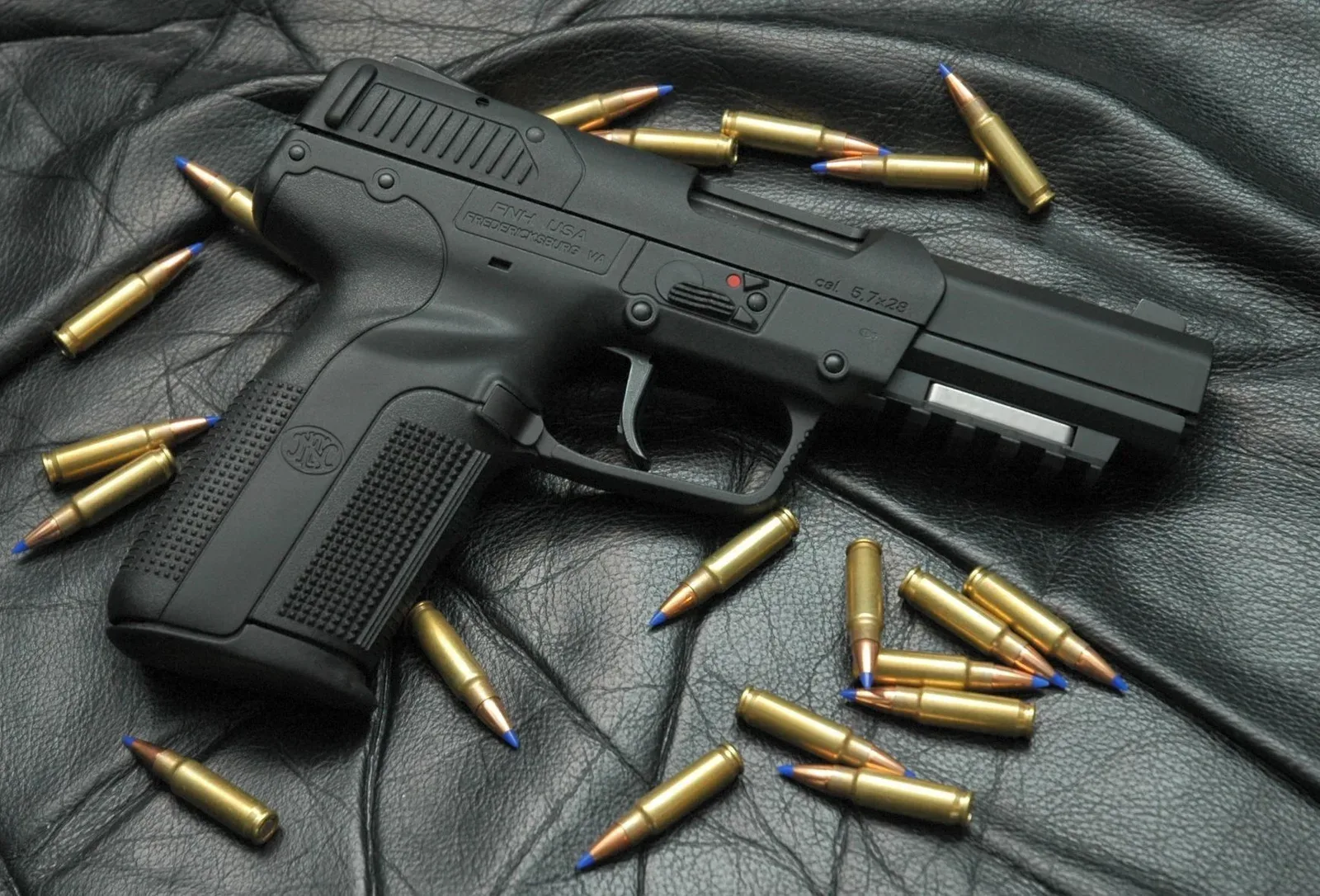
Everything else flows from what you plan to do with this handgun. Your mission determines the optimal size, capacity, and features you need.
| Primary Mission | Recommended Size | Suggested Models | Key Considerations |
|---|---|---|---|
| Home Defense | Full-size/Compact | Glock 17/19, M&P 2.0 | Capacity, easy to shoot under stress |
| Concealed Carry | Compact/Subcompact | Sig P365, S&W Shield | Size vs. capacity trade-off |
| Target Shooting | Full-size | .22 LR pistols, Ruger Mark IV | Low cost ammunition, accuracy |
| General Learning | Compact | Glock 19, M&P 2.0 Compact | Versatile, widely supported |
Mission-Specific Requirements
Home defense gives you the most options since you don't need to hide the gun under your clothes. A full-size or compact pistol like a Glock 19 or Smith & Wesson M&P makes sense--easier to shoot under stress and holds plenty of rounds.
Concealed carry constrains your choices more. You need something you'll actually carry every day, which usually means compact or smaller. The Sig P365 and Smith & Wesson Shield have dominated this space because they pack a lot of capability into a small package.
Target shooting and learning open up different possibilities. A .22 LR pistol like the Ruger Mark IV costs almost nothing to feed and teaches fundamentals without developing a flinch from recoil.
Mission-driven handgun selection flowchart
Avoid the "One Gun" Trap
Don't try to find one gun that does everything perfectly. Pick your primary mission and optimize for that.
The Shopping Processedit
Budget Planning
Start with your budget, and be realistic about the total cost. A quality handgun runs $300-800, but that's just the beginning. You need ammunition for practice, secure storage, and training. Figure 60% for the gun itself and 40% for everything else.
| Budget Component | Percentage | Typical Cost Range | Examples |
|---|---|---|---|
| Handgun | 60% | $300-800 | Gun, basic accessories |
| Ammunition | 15% | $100-200 | 500-1000 rounds for training |
| Storage | 15% | $50-300 | Gun safe, lock box, trigger locks |
| Training | 10% | $100-500 | Classes, range time, instruction |
Research and Shortlisting
Research creates your shortlist--3 to 5 handguns that fit your mission and budget. For beginners, the usual suspects keep appearing for good reasons:
- Glock 19 - reliable and simple operation
- Smith & Wesson M&P 2.0 - excellent ergonomics
- Sig P365 - concealed carry favorite
- Smith & Wesson 642 - .38 Special revolver option
Hands-On Evaluation
Visit multiple gun stores and handle everything on your list. This matters more than you think--a gun that looks perfect online might feel wrong in your hands.
Can you reach all the controls? Does the grip fit? Can you see the sights clearly?
The systematic handgun shopping process
Try before you buy if possible. Many ranges rent handguns, and some offer beginner classes where you can try different guns with proper instruction. Twenty minutes of range time will teach you more than twenty hours of internet research.
What Not to Doedit
New gun buyers make predictable mistakes. Don't buy based on what looks cool in movies--Hollywood uses guns that look good on camera, not ones that work well in real life.
Don't go too small right away--tiny guns are harder to shoot accurately and can be unforgiving of mistakes.
- Don't buy based on movie appearances
- Don't go too small for your first gun
- Don't make price your only consideration
- Don't ignore hand fit and ergonomics
- Don't modify before mastering the basics
A reliable $500 gun beats an unreliable $300 gun when your safety might depend on it. But expensive doesn't automatically mean better for your needs either.
Hand fit matters more than most people realize. If you can't grip the gun properly or reach the controls easily, you'll struggle to shoot it well. Don't let anyone talk you into a gun that doesn't fit your hands.
Skip the modifications until you can shoot the gun well as it comes from the factory. Learn the fundamentals first, then worry about upgrades.
Making It Officialedit
The Purchase
Buy from a licensed dealer who knows their business. They'll handle the background check paperwork and can answer questions about your state's laws. Many good gun stores also provide basic instruction on cleaning and maintenance.
Immediate Preparations
Plan your storage before you bring the gun home. A gun safe, lock box, or at minimum a trigger lock--whatever fits your situation, but have something ready. Unsecured firearms are a liability and a tragedy waiting to happen.
Storage options include:
- Gun safe for long-term storage
- Lock box for quick access
- Trigger lock as minimum security
- Cable lock for additional safety
Schedule training within your first few weeks of ownership. Your education starts with the purchase, it doesn't end there. Look for NRA Basic Pistol courses, concealed carry classes if that's your goal, or private instruction from a certified trainer.
The Real Work Beginsedit
Choosing your first handgun is just the entry fee--the real work is learning to use it safely and effectively. The specific model matters less than your commitment to proper training.
Building Skills and Community
Build a relationship with a local range or gun club. The community aspect helps with ongoing education and keeps you motivated to practice. Dry fire practice at home (safely, with an unloaded gun) costs nothing and improves your fundamentals between range trips.
Keep records of your purchase, training, and any work done on the gun. Some states require this, but it's good practice everywhere for legal and insurance purposes.
Long-term Considerations
Most importantly, remember that owning a firearm comes with serious responsibilities. Take them seriously, get proper training, and never stop learning. The gun community generally welcomes new shooters who approach firearms with the respect they deserve.
Your first handgun won't be your last, but it'll always be the one you learned on. Choose thoughtfully, train properly, and you'll have started down a path that can provide decades of safe shooting and effective personal protection.
- Gls Guns(Sumner, IA)
- Bi-mart - Yakima (Fruitvale Ave)(Yakima, WA)
- New Philly Sportsman Specialities(New Philadelphia, OH)
- R&R Sports & Outdoors(Brandon, FL)
Loading comments...