Legal Details
Legislation

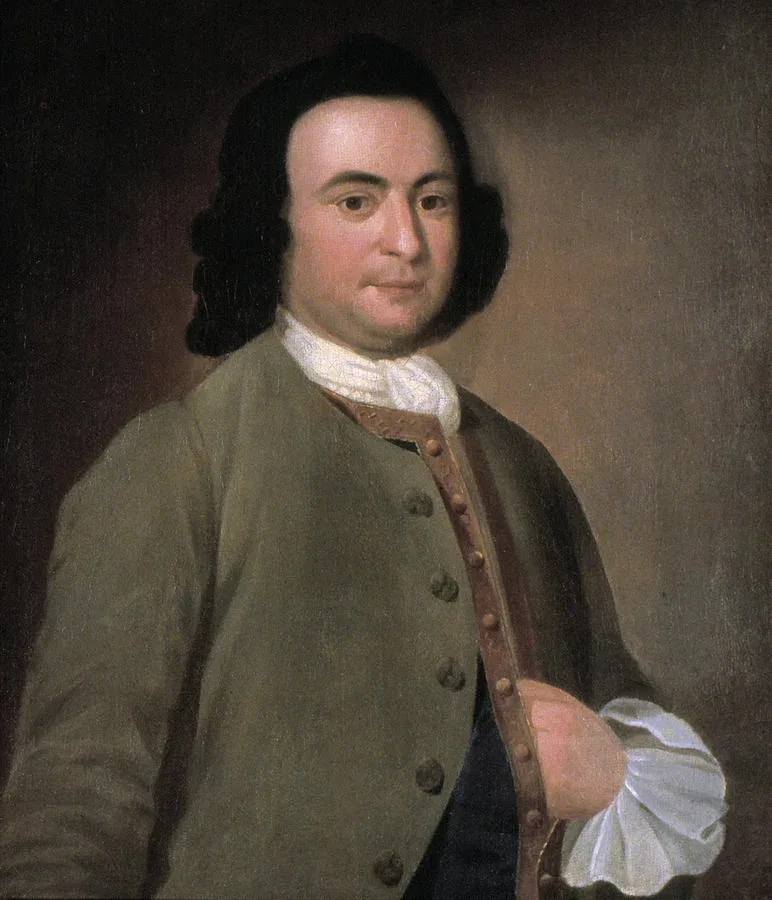
George Mason authored Virginia's Declaration of Rights (1776), which directly inspired the Bill of Rights and Second Amendment language.
After John Hesselius (Public domain)
| Identification | |
|---|---|
| Jurisdiction | |
Territory | Idaho |
Idaho Open Carry Laws: The Complete 2026 Legal Reference
Legal information and analysis
From The Boise Gun Club Handbook
This is educational information, not legal advice. Laws change. Consult an attorney for your specific situation.
Idaho gives gun owners more legal room than almost any other state — but open carry, constitutional carry, and vehicle carry all operate under specific statutes, and the gaps between state law, federal law, and prohibited places are exactly where people get jammed up.
The Constitutional Foundationedit
Idaho Constitution, Article I, Section 11 is unusually direct. It reads:
The people have the right to keep and bear arms, which right shall not be abridged. No law may impose licensure, registration or special taxation on the ownership or possession of firearms or ammunition.
It goes further still — no law may permit confiscation of firearms except those actually used in the commission of a felony. That language isn't boilerplate. It directly shapes what the legislature can and can't do, which is why you'll find no permit-to-purchase requirement, no registration scheme, and no ammunition background check in this state. The constitution prohibits them by name.
The legislature reinforced that last point in 2023. Idaho Code § 18-3326A(2) now explicitly prohibits any state or local government entity from maintaining
any list, record, or registry of privately owned firearms or any list, record, or registry of the owners of those firearms
with narrow exceptions only for active criminal investigations. Per the Boise Gun Club's 2026 guide, the 2023 statute codified what the constitution already implied — no local workaround is available.
Open Carry in Idahoedit
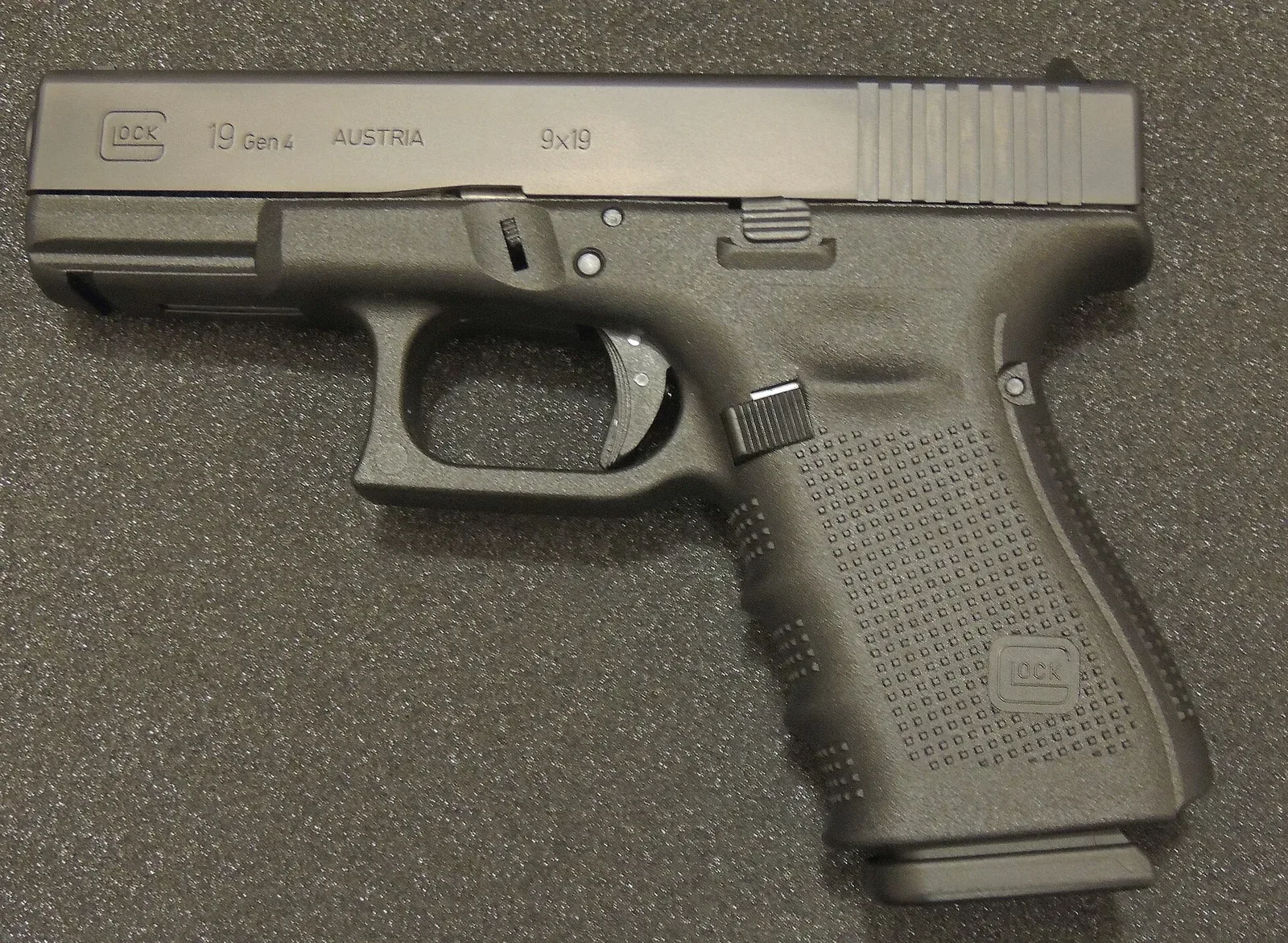
Open carry is legal statewide without a permit. Per Idaho Code § 18-3302(4)(a) and (b), the concealed weapons statute explicitly excludes:
- Any deadly weapon located in plain view
- Any lawfully possessed shotgun or rifle
Handguns, rifles, and shotguns can all be carried openly in public. No license, no registration, no notification required. According to Giffords Law Center, Idaho also permits the carrying of long guns in public under the same framework.
The minimum age for open carry of a handgun is 18. There is no permit requirement for any age-eligible person who is not otherwise legally prohibited from possessing a firearm.
Key Point: Open carry and concealed carry are treated almost identically in Idaho from a permit standpoint — neither requires a license for eligible individuals. The practical distinction matters more for how you carry than for whether you can.
The "Body of Men" Provision
One narrow restriction worth knowing: according to Giffords, Idaho generally prohibits a "body of men" — except as recognized and provided for by state and federal law — from parading in public with firearms in any city or town. Exceptions exist for:
- Associations wholly composed of honorably discharged soldiers, members of the Sons of Veterans, or Boy Scouts, on Memorial Day and certain other occasions
- Students at educational institutions where military science is taught, with the governor's consent, under teacher supervision
This applies to organized armed public marching, not to individuals carrying firearms in public. The statute (per Giffords, citing Idaho Code Ann. § 46-802) does not restrict individual open carry.
Constitutional Carry (Permitless Concealed Carry)edit
Idaho enacted permitless carry for residents in 2016 and extended it to non-residents in 2020. The eligibility framework under Idaho Code § 18-3302(3) and (4) is straightforward:
| Requirement | Details |
|---|---|
| Age | 18 or older |
| Citizenship | U.S. citizen or current U.S. Armed Forces member |
| Legal Status | Not disqualified under state or federal law |
| Residency | None required |
That's it. If you check those boxes, you can carry concealed in Idaho without any permit — inside city limits or out. The old restriction that limited permitless carry to areas outside city limits was eliminated with the 2020 expansion, per the Boise Gun Club's guide to Idaho Code § 18-3302.
Non-residents follow the same rules as residents since the 2020 amendment. According to Alien Gear Holsters' concealed carry guide, any U.S. citizen age 18 or older who isn't federally or state-prohibited may carry concealed in Idaho without obtaining any Idaho permit or relying on a home-state permit.
Vehicle Carryedit
Vehicle carry in Idaho is about as permissive as it gets. Loaded or unloaded, handgun or long gun, open or concealed, in the cab or in a case — all of it is legal for eligible individuals. Per the Boise Gun Club's guide, there's no requirement to lock firearms in a case or store them separately from ammunition while in your vehicle in Idaho.
Key Point: The one place this collapses is school property. A loaded firearm in your vehicle in a school parking lot creates exposure under both state law and the federal Gun-Free School Zones Act (18 U.S.C. § 922(q)), which applies within 1,000 feet of a school. Idaho Enhanced Concealed Weapons License holders have an exemption from the federal GFSZA provision — standard permitless carriers do not.
Concealed Weapons Licenses (Optional)edit
You don't need a license to carry in Idaho. You might want one anyway — primarily for reciprocity when traveling out of state, and for the NICS purchase exemption the enhanced license provides.
Idaho is a shall-issue jurisdiction. County sheriffs have no discretionary authority to deny a qualified applicant.
License Types at a Glance
| License Type | Min Age | Background Check | Training Required | Approx. Reciprocity |
|---|---|---|---|---|
| Standard License | 21 | State database | Familiarity demo | ~15 states |
| Enhanced License | 21 | FBI fingerprint | 8-hour course + live fire | ~38 states |
| Provisional License | 18–20 | FBI fingerprint | Enhanced requirements | Same as enhanced |
| Temporary Emergency | Varies | State | None (immediate need) | Varies |
| Retired LEO License | Varies | FBI fingerprint | LEOSA qualifying | Federal LEOSA |
Standard License — Idaho Code § 18-3302(7)
The standard license costs $20 at application, with sheriffs permitted to add fingerprint processing costs (Alien Gear Holsters notes total costs typically range $30–60 depending on county). It's valid for five years, renewable with a new application and background check. Sheriffs may require a demonstration of firearms familiarity — accepted proof includes NRA courses, hunter education, law enforcement training, military service, or competitive shooting experience. No written test is required.
Enhanced License — Idaho Code § 18-3302K
The enhanced permit requires substantially more than the standard:
- Minimum age 21
- Six months consecutive Idaho residency immediately before application (active-duty military are exempt from this requirement)
- An 8-hour face-to-face handgun course conducted by a state-certified instructor, covering Idaho firearms law, safety principles, use of force and self-defense law, and 98 rounds of live-fire training
- FBI fingerprint-based background check
- $20 for residents, $100 for non-residents
In exchange, the enhanced license provides reciprocity in roughly 38 states — significantly broader than the standard license. Per the Boise Gun Club's guide, enhanced license holders are also exempt from the NICS background check at the point of purchase under the Brady Handgun Violence Prevention Act, because the ATF recognizes the enhanced Idaho license as a qualifying alternative. Enhanced license holders may also carry on public university campuses under Idaho's campus carry law.
Provisional License — Idaho Code § 18-3302(20)
For persons aged 18 to 20 who otherwise meet all enhanced license requirements. This gives younger adults access to a carry credential before they reach the standard minimum age of 21.
Temporary Emergency License — Idaho Code § 18-3302(6)
Issued pending a full five-year application when an applicant can demonstrate immediate need. Reviewed and approved by the sheriff.
Qualified Retired LEO License — Idaho Code § 18-3302H
For officers who separated in good standing after 10 or more years of service, meeting the conditions of the Law Enforcement Officers Safety Act (LEOSA).
Licenses can be revoked for fraud in obtaining the license, misuse, commission of a disqualifying crime, or any violation of Idaho Code § 18-3302. Campus carry violations carry an automatic three-year license revocation.
Purchasing Firearmsedit
Idaho has no state-level permit-to-purchase requirement, no waiting period, no registration, and no background check required for private sales. The state constitution prohibits several of these by name.
Federal Dealer Requirements
When buying from a federally licensed dealer, standard federal rules apply:
| Firearm Type | Minimum Age | Background Check |
|---|---|---|
| Handgun | 21 (federal: 18 U.S.C. § 922(b)(1)) | NICS required |
| Long gun (rifle/shotgun) | 18 | NICS required |
Enhanced Idaho license holders are exempt from the NICS call at the counter, though some dealers run the check anyway as company policy — that's their prerogative.
Private Sales
Private sales between Idaho residents require no paperwork, no background check, and no record-keeping under state law. The transaction is legal. The federal caveat: selling to someone you know or reasonably should know is prohibited from possessing firearms creates liability under 18 U.S.C. § 922(d).
What Idaho Does Not Restrict
Per the Boise Gun Club's guide citing NRA-ILA, Idaho imposes no restrictions on:
- Assault weapons or so-called "assault-style" rifles
- Magazine capacity
- Bump stocks (note: federal status of bump stocks is in flux following Garland v. Cargill, 2024 — see NFA section)
- Forced reset triggers
- Unserialized privately made firearms (note: federal ATF rules on PMFs remain subject to ongoing litigation)
Ammunition
No background check, no restriction on ammunition purchases in Idaho. The one carve-out: selling or giving gunpowder, shells, or fixed ammunition to any minor under 16 is a violation under Idaho Code § 18-3308, with exceptions for .22 rimfire and shotgun shells, and for purchases with written parental consent.
Prohibited Personsedit
State and federal prohibited person categories both apply in Idaho. Under state law, Idaho Code § 18-3316 independently prohibits possession by anyone with a felony conviction in any jurisdiction — excluding convictions that have been expunged, pardoned, set aside, or otherwise nullified, or where firearms rights have been restored under Idaho law.
Additionally:
- Persons under 18 — possession of any firearm without written parental permission or parental accompaniment is a misdemeanor under Idaho Code § 18-3302E
- Persons under 18 — possession of a handgun, sawed-off rifle, sawed-off shotgun, or fully automatic weapon is separately criminalized under Idaho Code § 18-3302F
- Intoxicated persons — carrying a concealed weapon while under the influence of alcohol or drugs is a criminal offense under Idaho Code § 18-3302B
Federal prohibitions under 18 U.S.C. § 922(g) stack on top of these: domestic violence misdemeanor convictions, active restraining orders, fugitive status, unlawful drug users, adjudicated mental defectives, and others. Per the Boise Gun Club's guide, the Idaho AG's office states explicitly that a state concealed weapons license is not a defense to a federal prosecution.
Prohibited Placesedit
Constitutional carry doesn't override all location restrictions. Here's the full picture:
| Location | Restriction | Statute | Notes |
|---|---|---|---|
| K–12 Schools | Prohibited | Idaho Code § 18-3302C | Written school board permission theoretically possible; rarely granted |
| Courthouses | Prohibited | Idaho Code § 18-3302D | Authorized personnel excepted |
| Jails and correctional facilities | Prohibited | Idaho Code § 18-3302D | No civilian exceptions |
| Juvenile detention facilities | Prohibited | Idaho Code § 18-3302D | Authorized personnel excepted |
| Public universities/colleges | Enhanced license required | Campus carry law | Standard permitless carry not covered |
| Federal buildings | Prohibited | 18 U.S.C. § 930 | Federal law controls |
| Posted private property | Owner discretion | Trespass law | Violation = trespass, not firearms offense |
K–12 schools are prohibited zones — buildings, grounds, and school-sponsored events — under Idaho Code § 18-3302C. School employees with explicit employer permission represent the main exception.
Public universities and colleges: Enhanced Concealed Weapons License holders must be permitted to carry on public college and university campuses. Standard permitless carriers are not covered by this mandate. Community colleges and private institutions set their own policies.
Federal facilities — post offices, VA hospitals, military installations, federal courthouses — are governed by federal law (18 U.S.C. § 930), not Idaho law. The public areas of commercial airports are not federal zones; TSA security checkpoints are. Per the Boise Gun Club's guide, the Idaho AG's office notes that federal law may impose additional restrictions on places like federal courthouses and airports beyond what state law addresses.
Private property: Property owners can prohibit carry on their premises. In Idaho, violating that prohibition doesn't create a separate firearms offense — it creates potential trespass exposure. There are no signage-specific criminal penalties in Idaho law the way some other states have them. Per Alien Gear Holsters' guide, the 2024 amendment to Idaho Code § 18-3302(25) clarified that private property restrictions apply when permission is not granted — property owners need not post signs. Verbal prohibition is sufficient.
A 2026 bill, H 621, proposes allowing concealed carry in county courthouse areas outside courtrooms and jails. As of February 2026, that legislation remains pending.
Non-Residents and Open Carryedit
Non-residents can open carry in Idaho without a permit. Per BattlBox's carry guide, Idaho law allows the open carry of handguns, rifles, and shotguns for non-residents as long as firearms are visible and the carrier meets age and legal requirements.
For concealed carry, the picture changed significantly in 2020. Since the 2020 amendments, non-residents follow identical permitless carry rules as Idaho residents. Any U.S. citizen age 18 or older who is not federally or state-prohibited may carry concealed in Idaho without any permit — no Idaho permit needed, and no home-state permit required. Per Alien Gear Holsters' guide, Idaho imposes no residency requirement for permitless carry.
Out-of-state visitors who choose to carry on their home state's permit rather than relying on permitless carry must carry that permit on their person at all times — Idaho Code § 18-3302(5)(g) requires physical possession.
Self-Defense: Castle Doctrine and Stand Your Groundedit
Idaho has both, and they operate differently.
Castle Doctrine: When someone forces entry into your occupied home, Idaho law creates a legal presumption that you faced a deadly threat. You don't have to prove you were afraid — the forced entry itself establishes the presumption. You can use deadly force in defense of yourself or others in that situation.
Stand Your Ground: Idaho has no duty to retreat anywhere you have a legal right to be. This applies outside the home as well. The relevant statutes are Idaho Code §§ 18-4009 (justifiable homicide) and 18-901 (assault provisions), read alongside case law establishing Idaho's no-duty-to-retreat standard.
The legal standard for deadly force is a reasonable fear of imminent death, serious bodily injury, or forcible felony. Imminent matters — the threat has to be happening or about to happen, not a future concern. You can use force to defend third parties under the same framework.
You lose self-defense protection if you were the initial aggressor. Picking a fight and shooting your way out of it isn't self-defense under Idaho law.
The practical reality: a justified shooting will still be investigated. Detectives will show up regardless of how clearly justified you were. Per the Boise Gun Club's guide, the post-incident legal process is where legally correct outcomes can still go sideways without proper counsel. Get legal representation before making any statement beyond basic identification.
NFA Itemsedit
Idaho imposes no state-level restrictions beyond federal law on NFA items. Suppressors, short-barreled rifles (SBRs), short-barreled shotguns (SBSs), machine guns, and any other weapons (AOWs) are all legal to own in Idaho — provided you complete the federal process.
| NFA Item | Federal Tax Stamp | Form Required | Idaho Restriction |
|---|---|---|---|
| Suppressors | $200 | Form 1 or Form 4 | None |
| Short-Barreled Rifles | $200 | Form 1 or Form 4 | None |
| Short-Barreled Shotguns | $200 | Form 1 or Form 4 | None |
| Machine Guns (pre-1986) | $200 | Form 4 | None |
| Any Other Weapons (AOWs) | $5 | Form 1 or Form 4 | None |
Machine guns manufactured after May 19, 1986 cannot be transferred to civilians under federal law — the Hughes Amendment to the Firearm Owners Protection Act closed the registry. Idaho has no state suppressor permit, no state registration requirement, and no additional paperwork beyond the federal ATF process.
On bump stocks: they were federally banned under an ATF rule, but the Supreme Court's 2024 ruling in Garland v. Cargill vacated that ATF rule. The federal legal status of bump stocks is in flux as of early 2026 — consult current ATF guidance or an attorney before acquiring one. Per the Boise Gun Club's guide, Idaho has no state-level ban on unserialized firearms, but the federal ATF rule on privately made firearms remains subject to ongoing litigation.
Red Flag Laws / Extreme Risk Protection Ordersedit
Idaho has no Red Flag law and no ERPO (Extreme Risk Protection Order) statute as of 2026. Bills have been introduced in previous legislative sessions and failed. Per the Boise Gun Club's guide, as of the 2025–2026 legislative session, no ERPO legislation has passed.
Federal law still has teeth here. Under 18 U.S.C. § 922(g)(8), a civil protection order entered in Idaho or any other state that meets the federal criteria can result in a federal firearms prohibition — even without any state ERPO law. If you're subject to a qualifying domestic violence protective order, federal law requires firearm surrender regardless of what Idaho's statutes say.
State Preemptionedit
Idaho has full state preemption of local firearms ordinances under Idaho Code § 18-3302J. Cities, counties, special districts, and other political subdivisions cannot enact firearms laws more restrictive than state law. Some older municipal ordinances remain on the books as unenforceable relics — state law wins any conflict.
The one area of genuine local authority: municipalities can regulate the discharge of firearms within city limits. A city can prohibit firing a gun inside town without running afoul of preemption — that's regulating discharge, not possession or carry. The distinction matters in practice.
The 2023 registry prohibition statute extended preemption principles to the registration question. No local government entity may maintain a firearms registry under Idaho Code § 18-3326A(2).
Transport: Vehicles, FOPA, and State Linesedit
Idaho Vehicle Carry
In Idaho, vehicle carry is straightforward. Loaded or unloaded, handgun or long gun, openly or concealed, in the cab or in the trunk — all of it is legal as long as you meet the standard age and eligibility requirements. No requirement to lock firearms in a case or separate ammunition.
The school property exception applies here too. A loaded firearm in your car in a school parking lot creates exposure under the federal Gun-Free School Zones Act (18 U.S.C. § 922(q)), which applies within 1,000 feet of a school. Enhanced Idaho license holders have a GFSZA exemption. Standard permitless carriers do not.
Federal FOPA Safe Passage
Traveling through other states is where things get complicated. The Firearm Owners Protection Act (FOPA), 18 U.S.C. § 926A provides federal safe passage protection when traveling through states with more restrictive laws, provided:
- The firearm is legal at both origin and destination
- The firearm is unloaded
- The firearm is not directly accessible from the passenger compartment (locked in trunk, or locked container if no trunk)
- Ammunition is stored separately
Key Point: FOPA safe passage is a defense in federal court — it's not a guarantee you won't be arrested. New York and New Jersey have arrested travelers in documented cases despite FOPA. Extended stops can undermine the "in transit" argument. If your route takes you through either state, plan accordingly.
Reciprocityedit
Idaho's reciprocity framework operates on two levels: what Idaho recognizes coming in, and what other states recognize going out.
Inbound Recognition
Per Idaho Code § 18-3302(5)(g), Idaho recognizes valid concealed carry permits from all other U.S. states. This includes both resident and non-resident permits from other jurisdictions. Idaho does not evaluate whether other states' permitting requirements meet specific standards — any valid permit from any U.S. state grants carry privileges in Idaho. Out-of-state permit holders must carry the permit physically on their person.
Outbound Recognition
Which license you hold determines where you can go. Per the Boise Gun Club's reciprocity data:
| Recognition Level | States |
|---|---|
| Enhanced License Only | Delaware, Minnesota, Nevada, Washington, Wisconsin |
| Resident Permits Only | Colorado, Florida, Maine, Michigan, New Hampshire, North Dakota |
| No Recognition | California, New York, New Jersey, Illinois, Maryland, Hawaii, Oregon |
| Full Recognition | Most other states |
Reciprocity agreements shift. The Idaho State Police Bureau of Criminal Identification maintains current agreements — verify there before traveling, not a third-party map from six months ago. When another state honors your Idaho permit, their laws govern while you're there — their magazine limits, duty-to-notify rules, and prohibited places all still apply.
Per Idaho Code § 18-3302(23), the Idaho Attorney General is required to negotiate reciprocal agreements with other states.
Recent and Pending Legislative Changesedit
Timeline of Major Changes
| Year | Change | Statute |
|---|---|---|
| 2016 | Permitless concealed carry enacted for Idaho residents | Idaho Code § 18-3302 |
| 2019 | Minimum age for permitless carry lowered from 21 to 18 (H 206) | Idaho Code § 18-3302(4)(f) |
| 2020 | Permitless carry extended to non-residents; city-limits restriction eliminated | Idaho Code § 18-3302 |
| 2023 | Firearms registry ban codified at statutory level | Idaho Code § 18-3326A(2) |
| 2024 | Private property carry restrictions clarified | Idaho Code § 18-3302(25) |
2026 Pending Bills
H 573 (introduced February 2026): Proposes amending Idaho Code § 18-3302K to expand the pool of authorized Enhanced Concealed Weapons License instructors. This is an administrative change — it would not alter training requirements, only increase training availability. Status: pending as of February 2026.
H 621 (introduced February 2026): Would allow concealed carry in county courthouse areas excluding courtrooms and jails. Status: pending as of February 2026.
Monitor the Idaho Legislature's website (legislature.idaho.gov) for bills introduced in the current session — the session typically runs January through March or April.
Federal Restrictions That Still Applyedit
Idaho's permitless carry laws do not override federal firearms restrictions. Per the Boise Gun Club's guide:
Federal buildings: Concealed carry is prohibited in federal courthouses, federal office buildings, VA facilities, Social Security offices, and similar federal government buildings under 18 U.S.C. § 930. Federal law controls access to federal property regardless of state permits or permitless carry status.
Post offices: U.S. Postal Service facilities prohibit firearms on postal property, including parking lots in some jurisdictions. Federal law supersedes Idaho's vehicle carry protections on federal postal property.
Military installations: Military bases, recruiting stations, and Reserve/Guard facilities prohibit firearms except when specifically authorized by base commanders. Idaho permits provide no access to federal military installations.
National Parks and Wildlife Refuges: Federal law allows carry in national parks and wildlife refuges for individuals who may legally carry in the state where the park is located. Idaho's permitless carry extends to federal lands within Idaho for eligible individuals. Federal buildings within parks (visitor centers, ranger stations, administrative offices) still prohibit firearms.
Stun Guns, Tasers, and Other Weaponsedit
Stun guns and Tasers are legal to purchase and possess without any license in Idaho. Pepper spray is legal for self-defense with no restrictions on size or concentration. Per the Boise Gun Club's guide citing the Attorney General's guidance on Idaho Code § 18-3302, Idaho's concealed weapons license covers more than just firearms — the statute defines a concealed weapon to include
any dirk, dirk knife, bowie knife, dagger, pistol, revolver or any other deadly or dangerous weapon.
Practical Notes for Carriersedit
Idaho doesn't require you to notify law enforcement that you're armed during a traffic stop. That said, volunteering the information — hands visible, calm statement — generally makes the encounter go smoother. Officer discretion exists, and cooperation costs you nothing.
If you're going to get a license at all, get the Enhanced. The reciprocity gap between standard and enhanced is significant — roughly 15 states versus 38. The NICS exemption at the counter saves time when you're buying. The 8 hours and $20 are worth it if you travel or buy guns with any regularity.
Processing times vary significantly by county. Rural sheriffs tend to move faster than the Ada County (Boise) office. Call ahead to get a realistic timeline.
Alcohol and carry don't mix under Idaho law — Idaho Code § 18-3302B is clear on that. Beyond the legal issue, impairment degrades both judgment and defensive capability. In any self-defense situation, whether your response was reasonable is part of the legal analysis, and being drunk makes that harder to establish.
The bottom line: Idaho's open carry and constitutional carry laws give you more legal latitude than almost any other state — but federal law, prohibited places, and eligibility requirements still apply, and the gaps between state and federal authority are exactly where legal problems develop.
Resourcesedit
- Idaho Code Title 18, Chapter 33 (all firearms statutes): https://legislature.idaho.gov/statutesrules/idstat/Title18/T18CH33/
- Idaho Attorney General — Concealed Weapons FAQ: https://www.ag.idaho.gov/office-resources/concealed-weapons/
- Idaho State Police Bureau of Criminal Identification (reciprocity, licensing): https://isp.idaho.gov/bci/
- NRA-ILA Idaho Gun Laws: https://www.nraila.org/gun-laws/state-gun-laws/idaho/
- USCCA Idaho CCW & Reciprocity Map: https://www.usconcealedcarry.com/resources/ccw_reciprocity_map/id-gun-laws/
- ATF NFA information: https://www.atf.gov/rules-and-regulations/national-firearms-act
- Federal FOPA safe passage (18 U.S.C. § 926A): https://uscode.house.gov/view.xhtml?req=granuleid:USC-prelim-title18-section926A
- Idaho Legislature bill tracking: https://legislature.idaho.gov/
- Boise Gun Club — Idaho Gun Laws Complete 2026 Guide: https://boisegunclub.com/handbook/idaho-gun-laws-complete-2026-guide
- Alien Gear Holsters — Idaho Concealed Carry Laws: https://aliengearholsters.com/blogs/news/idaho-concealed-carry
- Giffords Law Center — Open Carry in Idaho: https://giffords.org/lawcenter/state-laws/open-carry-in-idaho/
- BattlBox — Non-Resident Open Carry in Idaho: https://www.battlbox.com/blogs/carry-laws/can-a-non-resident-open-carry-in-idaho-understanding-the-laws-and-regulations
Last Updated: March 05, 2026
- Ace Hardware of Sandusky(Sandusky, MI)
- New Philly Sportsman Specialities(New Philadelphia, OH)
- Atwoods Ranch & Home #46(LACY LAKEVIEW, TX)
- G & P Distributors(McConnellsburg, PA)
This is not legal advice
This guide provides general information about federal and state firearms laws based on publicly available statutes. Laws change frequently and vary significantly by state. Always verify current laws in your jurisdiction. Consult a qualified attorney for legal advice on your specific situation. When in doubt, contact local law enforcement or state police.
Loading comments...