Legal Details
Armor-Piercing Ammunition Restrictions

Modern riot gear demonstrates layered protective systems designed to stop projectiles — the threat armor-piercing ammunition was developed to defeat.
Jamelle Bouie (CC BY 2.0)
| Identification | |
|---|---|
Citation | 18 U.S.C. § 921(a)(17) |
| Code Sections |
|
| Jurisdiction | |
Territory | United States (Federal) |
Enacted By | United States Congress |
Administered By | Bureau of Alcohol, Tobacco, Firearms and Explosives (ATF) |
| Timeline | |
Signed | 1968 |
| Key Provisions | |
| |
| Applicability | |
| Applies To | Licensed manufacturers, importers, and dealers of ammunition designed and intended for handgun use that meets the technical definition of armor-piercing |
| Exemptions |
|
Related Laws | |
| |
Legislative History | |
1968Gun Control Act of 1968 enacted including ammunition restrictions | |
Armor-Piercing Ammunition Restrictions
Legal information and analysis
From The Boise Gun Club Handbook
Disclaimer: This article is for educational purposes only and does not constitute legal advice. Always consult with a qualified attorney for specific legal questions.
The feds have specific rules about armor-piercing ammo, but they're not what most gun owners think—and getting it wrong can land you in serious legal trouble.
- The catch: Federal law under 18 U.S.C. § 921(a)(17) only restricts AP rounds "designed and intended to be used in a handgun"
- Your .30-06: Punches through vests all day but stays perfectly legal—it's rifle ammo
- The real target: Concealable handguns firing vest-defeating rounds, not your hunting rifle
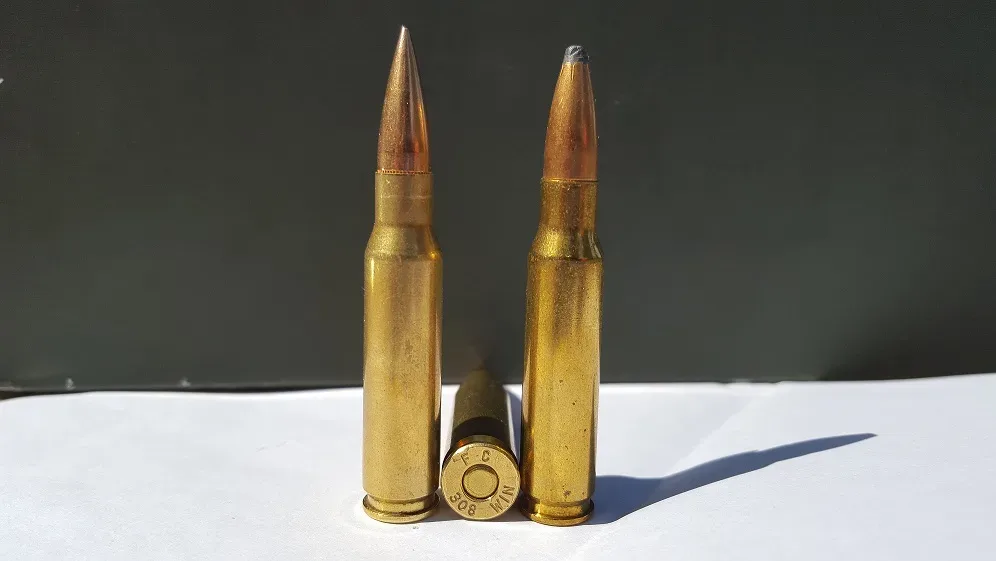
I've watched too many shooters panic about this stuff at gun shows. That .308 that'll zip through soft armor? Not even close to being illegal. The Gun Control Act of 1968 cares about construction and intent, not just whether it penetrates body armor.
The whole framework exists because lawmakers figured out they couldn't ban every cartridge that goes through kevlar—that would wipe out half the deer rifles in America. So they went after the specific problem: someone shoving armor-piercing rounds into a concealed pistol.
How the Feds Actually Define Itedit
The legal reality: Two ways to hit the restricted list—projectiles made entirely from hard materials like tungsten or steel cores, OR bullets with jackets over 25% of total weight, when designed for handgun use.
Federal armor-piercing ammunition classification flowchart
The Handgun Test
That handgun part trips people up constantly. Your .308 penetrates soft armor but it's rifle ammo—the ATF doesn't care. They care about vest-defeating rounds in something you can stick under your jacket.
The handgun part trips people up constantly. Your .308 penetrates soft armor but it's rifle ammo—the ATF doesn't care. They care about vest-defeating rounds in something you can stick under your jacket.
Here's where it gets interesting—cartridges like .45-70 or .500 S&W work in both rifles and handguns. The manufacturer's stated intent and primary market determine how it gets classified, not just what chamber it happens to fit.
Construction Standards
Some examples that confuse people:
- .223/5.56: Rifle cartridge, legal even though AR pistols exist
- M855 "green tip": Not classified as armor-piercing despite internet panic
- Actual tungsten core handgun rounds: This is what the law actually targets
| Cartridge Type | Armor Penetration | Legal Status | Why |
|---|---|---|---|
| .308 Winchester | High | Legal | Rifle cartridge |
| .223/5.56 | Moderate | Legal | Primary rifle use |
| M855 "Green Tip" | Moderate | Legal | Not classified as AP |
| Tungsten core handgun | High | Restricted | Meets AP definition |
| .45-70 | High | Legal | Rifle cartridge despite handgun availability |
What Actually Gets Restrictededit
The federal restrictions hit three main chokepoints:
How federal restrictions choke off civilian AP ammunition supply
Supply Chain Chokepoints
Import restrictions block it at the border. Can't bring restricted AP ammo into the country for civilian sale.
Manufacturing limits mean licensed manufacturers can make it, but they're selling primarily to government customers. The paperwork and liability aren't worth civilian sales.
| Control Method | Target | How It Works | Impact |
|---|---|---|---|
| Import Restrictions | Border entry | Block civilian imports | Limited foreign supply |
| Manufacturing Limits | Production | License requirements | Gov't sales only |
| Distribution Controls | Retail sales | Dealer restrictions | Not on store shelves |
Distribution controls stop dealers from selling restricted AP ammo to regular folks. Your local gun store isn't stocking it because they can't move it legally.
The system works by choking off supply, not chasing individual owners around. Most shooters will never encounter truly restricted armor-piercing ammunition because it's not on the shelves.
Exceptions That Matteredit
- Shotgun ammo: Environmental regs require non-lead shot in many hunting areas, so the feds carved out an exception under 18 U.S.C. § 921(a)(17)(C) for shotgun ammo made from hard materials
- Law enforcement: State and local cops can obtain restricted ammo for legitimate operations through proper licensing
- Military surplus: Gets complicated fast - some old military ammo might be legal to own if acquired legally, but impossible to replace
State Laws Pile Onedit
States can add their own restrictions beyond federal law. Connecticut specifically banned .50 BMG ammo—not because of federal AP rules, but because they wanted to ban .50 BMG ammo.
| State | Additional Restrictions | Beyond Federal Law |
|---|---|---|
| California | Own AP definitions | Yes |
| Connecticut | .50 BMG ban | Yes |
| New York | AP restrictions | Yes |
| Texas | Federal only | No |
| Florida | Federal only | No |
California has their own AP ammunition restrictions that don't match federal definitions. New York does too. Always check your state laws alongside federal requirements because they might be stricter.
Some states also restrict "large capacity ammunition feeding devices" or other ammo-related items that have nothing to do with armor-piercing projectiles.
How Enforcement Actually Worksedit
What this means for you: Enforcement focuses on the commercial side—manufacturers and dealers—not individual gun owners walking around with a few rounds in their pocket.
The ATF regulates who can make and sell this stuff. Individual prosecutions usually involve other criminal activity where AP ammo becomes just one more charge on a long list.
Most "armor-piercing" scares you see online involve ammunition that isn't actually restricted under current law.
Most "armor-piercing" scares you see online involve ammunition that isn't actually restricted under current law.
Remember when everyone freaked out about M855? Still legal, still available, despite what the forums claimed.
Common Myths That Need Killingedit
I hear these at every gun show:
- "All armor-piercing ammo is banned" — Only handgun AP ammo meeting specific technical definitions gets restricted
- "My hunting rifle ammo is illegal" — Rifle cartridges that penetrate armor remain legal federally, full stop
- "You can't own any AP ammunition" — Federal law doesn't explicitly prohibit possession of legally acquired AP ammo
- "Every state has the same rules" — States pile on their own restrictions all the time
The Reality Check
The reality is simpler than the internet makes it sound. For typical gun owners doing normal things—hunting, target shooting, collecting—these restrictions barely register. Standard ammunition stays widely available and legal.
What This Means Day-to-Dayedit
If you're buying from reputable dealers, they handle compliance for you. They won't sell restricted stuff because they can't get it in the first place.
But understand what you're buying, especially with military surplus or exotic cartridges.
Buy from dealers who know their business, understand that rifle ammo stays legal even when it penetrates armor, and don't believe every panic post on gun forums.
The bottom line: If you're genuinely unsure about specific ammunition's legal status, ask knowledgeable dealers or consult legal counsel—the consequences of screwing this up aren't worth guessing.
Resourcesedit
- ATF official guidance on armor-piercing ammunition: https://www.atf.gov/firearms/docs/general-notice/armor-piercing-ammunition
- Federal definition under 18 U.S.C. § 921(a)(17): https://www.law.cornell.edu/definitions/uscode.php
- Gun Control Act of 1968 provisions on ammunition restrictions
- State-specific ammunition laws through local government resources
- Licensed firearms dealers for compliance guidance on specific ammunition types
Last Updated: 2026-01-15
See Alsoedit
- Ace Hardware of Sandusky(Sandusky, MI)
- New Philly Sportsman Specialities(New Philadelphia, OH)
- Atwoods Ranch & Home #46(LACY LAKEVIEW, TX)
- G & P Distributors(McConnellsburg, PA)
This is not legal advice
This guide provides general information about federal and state firearms laws based on publicly available statutes. Laws change frequently and vary significantly by state. Always verify current laws in your jurisdiction. Consult a qualified attorney for legal advice on your specific situation. When in doubt, contact local law enforcement or state police.
Loading comments...