Legal Details
Oregon 2026 Hunting Regulations: What Changed

| Identification | |
|---|---|
| Jurisdiction | |
Territory | United States (Federal) |
Oregon 2026 Hunting Regulations: What Changed
Legal information and analysis
From The Boise Gun Club Handbook
This is educational information, not legal advice. Laws change. Consult an attorney or ODFW directly for your specific situation.
Oregon's 2026 big game regulations carry the most significant structural change to eastern Oregon deer hunting in years — the complete overhaul of mule deer hunt boundaries — alongside new fair chase rules, elk tag reductions, and a fee increase that applies across the board. The Oregon Fish and Wildlife Commission approved these changes at its September 12 meeting in Ontario, per Oregon Hunters Association. If you hunted eastern Oregon deer last year, do not assume your old unit maps still apply.
The Mule Deer Overhaul: Wildlife Management Units Are Goneedit
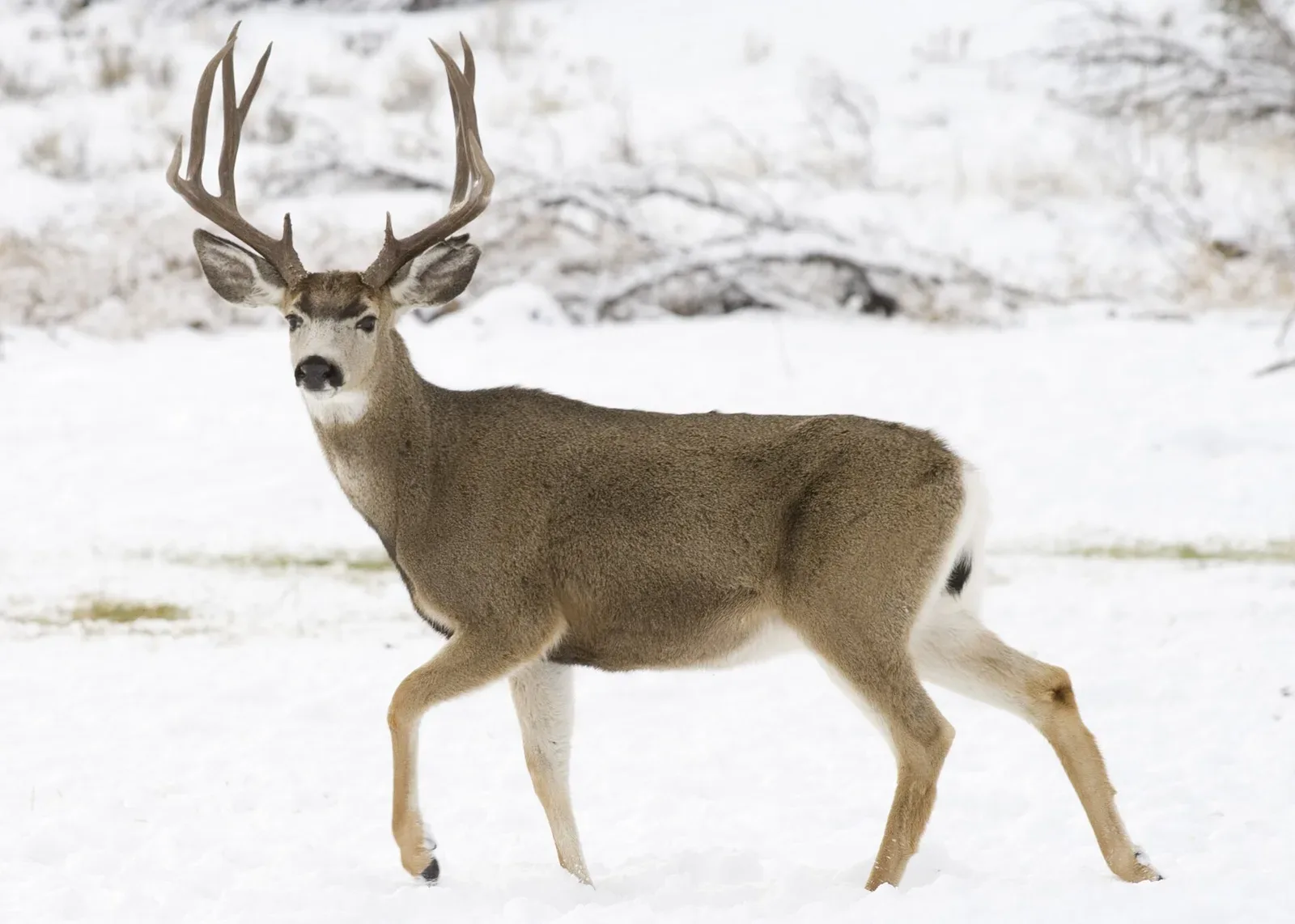
The biggest change of 2026 is the replacement of eastern Oregon's Wildlife Management Units (WMUs) with 22 new Deer Hunt Areas for mule deer. This is not a cosmetic rename — it's a fundamental restructuring of how ODFW manages and hunts mule deer populations.
According to Oregon Hunters Association, ODFW spent several years conducting field research that included capturing and GPS-collaring more than 1,400 deer to track their seasonal movements. That work identified 22 distinct herd ranges across eastern Oregon — areas that specific deer herds use over the course of a full year. The old WMU boundaries were, by ODFW's own assessment, somewhat arbitrary relative to how deer actually move on the landscape.
The new Deer Hunt Areas are built around those documented herd ranges. Some areas encompass an entire herd's year-round territory. Others have been subdivided based on habitat type, land use, fire history, and where animals move across different terrain. The practical result is that many former herd ranges are now split into multiple hunt areas — which means hunt names, hunt numbers, and boundaries have all changed.
Key Point: ODFW essentially deleted most previous mule deer hunts and replaced them with new ones. If you are planning to apply for the same area you hunted in 2025, you need to verify the new hunt that covers your preferred ground before the application deadline. ODFW has published an interactive map at myodfw.com/articles/eastern-oregon-deer-hunts specifically for this purpose.
Per Huntin' Fool, some hunt units in northeast Oregon were also reclassified as either muzzleloader-only or white-tailed deer-only tags — another reason to read the new tables carefully rather than assuming continuity from prior years.
Mule Deer Tag Numbers
The restructuring also came with tag reductions that reflect the ongoing fragile state of Oregon's mule deer herd. According to Oregon Hunters Association:
- 9 percent fewer mule deer tags for 100-series buck deer hunts throughout eastern Oregon
- 8 percent reduction in 600-series antlerless deer tags statewide
The population context matters here. ODFW's 2025 mule deer estimate puts the statewide population at approximately 171,700 animals — an increase of less than one-tenth of a percent from 2024, and 1 percent from 2023. Of the 22 identified herds, 14 are classified as "extreme concern" and 5 at "very high concern." Tag numbers reflect that reality.
Black-Tailed Deer
No changes for black-tailed deer in 2026. Oregon Hunters Association notes there is no specific population estimate or management objective for black-tailed deer, but recent monitoring methods indicate the population is no longer declining.
Elk: Tag Cuts and Hunt Deletionsedit
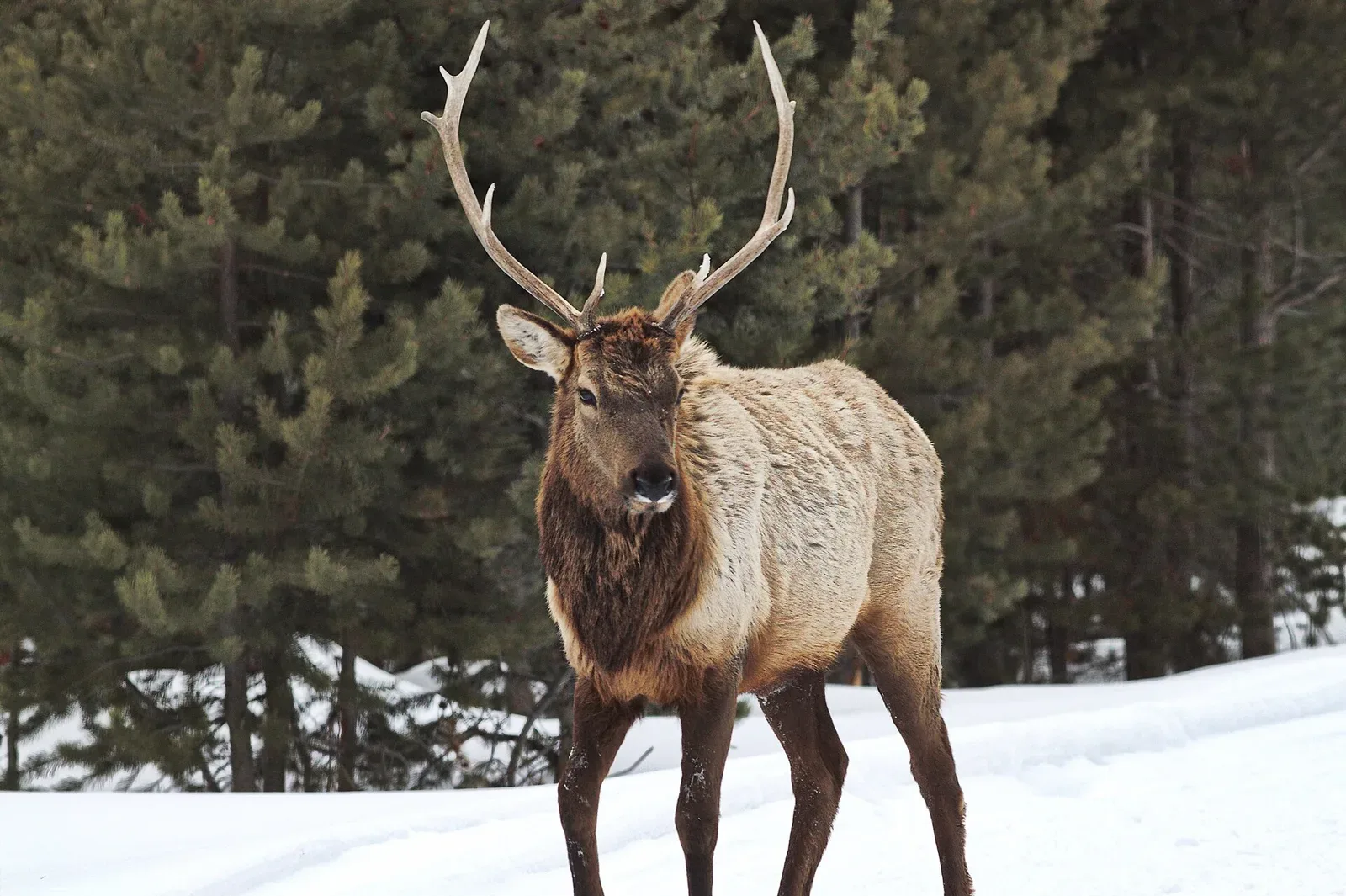
Elk changes for 2026 are less dramatic than the deer overhaul but still meaningful, particularly for western Oregon hunters. Per Oregon Hunters Association, five western Oregon cow elk hunts were deleted entirely:
- Pengra
- Mosby
- Santiam Late Bow
- McKenzie Late Bow
- North Indigo Late Bow
The NW Santiam cow hunt (Hunt 216) was cut significantly — from 50 tags down to 22 tags — due to population concerns and a decrease in elk-human conflicts. Overall, available elk tags decreased by 1 percent for 2026.
Two eastern Oregon hunts were also deleted: North Wagontire and Umatilla Youth. Three new hunts were added to partially offset those deletions: Ukiah Youth, Walla Walla Youth, and The Dalles Watershed Bow.
The population picture is sharply split by geography. Rocky Mountain elk in eastern Oregon are doing well — ODFW estimates 70,600 animals, with 24 of 35 units at or near population objectives and 14 units running more than 110 percent above objective. Western Oregon Roosevelt elk are a different story: an estimated 52,507 animals, which is only 74 percent of the 70,850 management objective. Only 6 of 19 western units are near or above their targets.
New Fair Chase Rules: Thermal Devices and Highway Crossingsedit
Two new rules tightened up what's legal in the field, both effective for the 2026 season.
Thermal Imaging Prohibition
The previous rule prohibited hunting, locating, or scouting with "infrared or other night vision sight or equipment except trail cameras." That language left some ambiguity around thermal devices specifically.
The 2026 regulations close that gap. Per Oregon Hunters Association, the updated rule now explicitly prohibits use of infrared, including thermal, or any other night vision sight or equipment for hunting, locating, or scouting wildlife. The regulation specifically includes any thermal device that is attached to or incorporated into a scope or firearm while hunting — even if the thermal device is turned off.
This change was driven by documented abuse. According to Oregon Hunters Association, Oregon State Police received increasing reports of poachers using thermal devices to locate wildlife at night. In December 2024, OSP arrested 13 individuals in Clackamas County for allegedly poaching deer, elk, and other big game. Fourteen thermal imaging devices were seized in that bust.
It is unlawful to hunt, locate, or scout, for the purpose of hunting any wildlife with infrared, including thermal, or any other "night vision" sight or equipment except trail cameras.
If you run a thermal on your rifle for predator hunting, be aware: that equipment cannot be on a firearm or scope while you are big game hunting, regardless of whether it's powered on.
500-Foot Wildlife Crossing Buffer
Hunting within 500 feet of the mouth of designated wildlife crossing structures on US Highways 20 and 97 is now prohibited. Per Oregon Hunters Association, this rule mirrors existing trapping regulations that already prohibited setting traps within 500 feet of those same structures. The rule was added in response to public comments submitted during the 2026 Big Game Regulations development process.
Pronghornedit
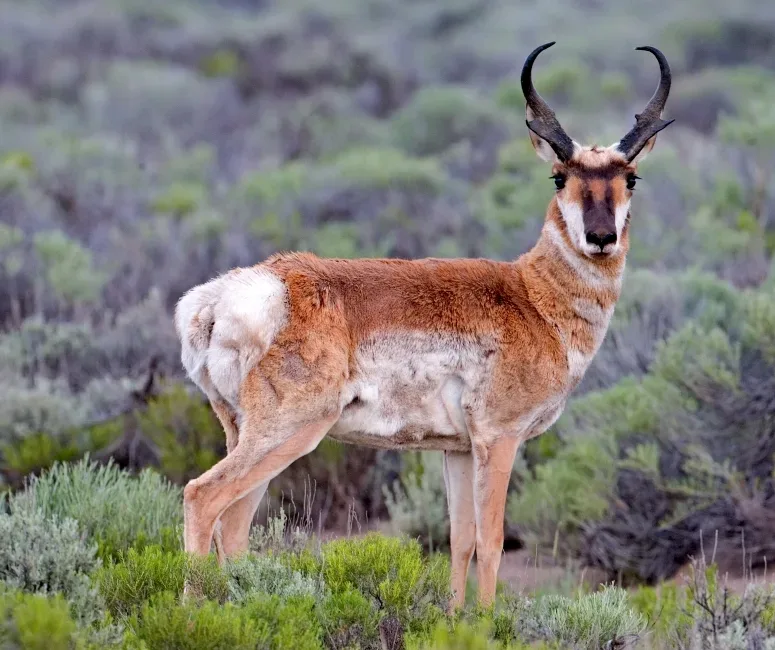
Minor change here — the only adjustment for 2026 pronghorn season is 12 additional tags, bringing the total to 2,059 tags across 52 hunts. The Oregon pronghorn population remains stable at an estimated 16,000 to 19,000 animals, per Oregon Hunters Association.
Bighorn Sheepedit
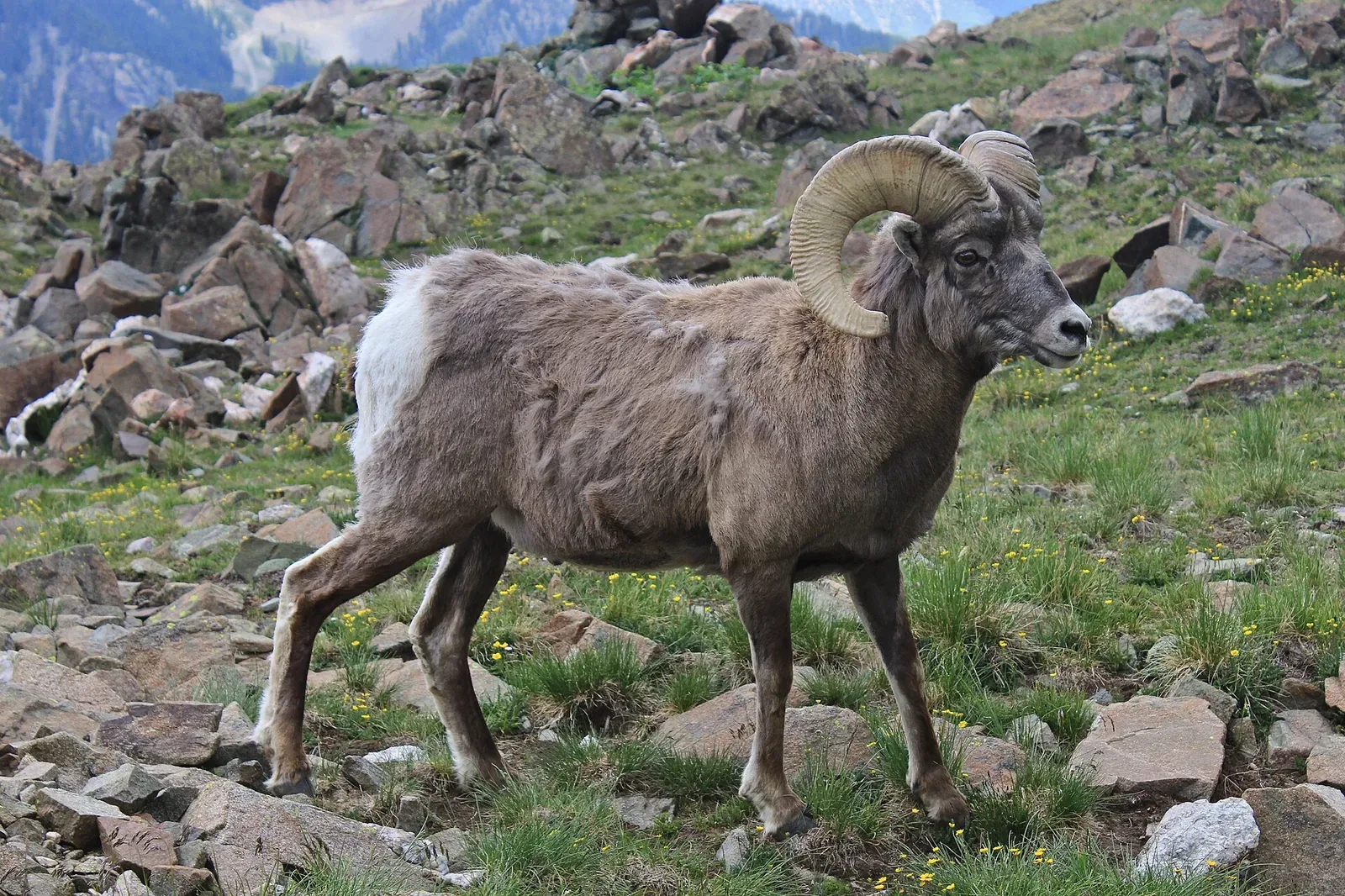
Oregon will offer 136 bighorn sheep tags in 2026: 81 California ram tags, 50 California ewe tags, and 5 Rocky Mountain ram tags across 27 California bighorn hunts and three Rocky Mountain bighorn hunts. Six ram tags and three ewe tags are available to non-resident hunters.
One notable rotation: the tag for the 556 Wenaha Rocky Mountain bighorn hunt rotates between Oregon, Washington, and the Confederated Tribes of the Umatilla Indian Reservation. Oregon held that hunt in 2025, so it will not be offered to Oregon hunters in 2026, per Oregon Hunters Association.
Current population estimates: 4,000 to 4,200 California bighorn in 32 herds, and 800 to 1,000 Rocky Mountain bighorn in 11 herds.
Rocky Mountain Goatsedit
21 Rocky Mountain goat tags are available in 12 hunts, with two tags allocated for non-resident hunters. The goat population is estimated at 1,100 to 1,300 animals and has been stable or increasing in recent years, per Oregon Hunters Association.
Bear and Cougaredit
Spring bear gets a modest tag increase for 2026. ODFW will offer 11,067 tags in 19 hunts — 70 more than last season. The additional tags are concentrated in two hunt areas with strong bear numbers: the 731A South Central Hunt (605 tags) and the 754A Mt. Emily-Walla Walla hunt (242 tags). No changes for fall bear season.
Oregon's statewide black bear population is estimated at approximately 43,000 animals.
Cougar regulations are unchanged from 2025. The population is estimated at 7,060 animals.
Fee Increasesedit
Controlled hunt application fees increased by $2 for 2026, raising the cost to $10 per species. Per Oregon Hunters Association, additional increases are already scheduled: $1 more in 2028 and $1 more in 2030. Application deadlines are unchanged.
Per Huntin' Fool, the non-resident adult hunting license runs $193.00 for 2026. Post-draw tag fees for non-residents are:
| Species | Non-Resident Tag Fee |
|---|---|
| Bighorn Sheep | $1,695.00 |
| Mountain Goat | $1,695.00 |
| Elk (controlled or general) | $660.00 |
| Deer (controlled or general) | $500.00 |
| Antelope | $443.00 |
| Black Bear | $16.50 |
| Cougar | $16.50 |
Source: Huntin' Fool, 2026 Oregon non-resident fee schedule
Application Deadlines and Draw Detailsedit
| Deadline / Date | Detail |
|---|---|
| February 10 | Black bear application deadline |
| May 15 (11:59 p.m. PST) | All other big game application deadline |
| May 25 | Last day to modify an online application |
| June 12 | Draw results available |
| July 1 | Leftover big game tags available (10 a.m.) |
| March 15 | Leftover black bear tags available (10 a.m.) |
Sources: Huntin' Fool, onX Maps
Per Huntin' Fool, 75 percent of controlled draw permits go to applicants with the most preference points. The remaining 25 percent go to the general pool with no regard to points. There are no waiting periods for deer, elk, or antelope. Bighorn sheep and mountain goat tags are limited to one per lifetime.
If you draw your second through fifth choice, you gain a point and still receive the tag. Drawing your first choice resets your points to zero — whether or not you purchase the tag.
Season Dates at a Glanceedit
Per HuntWise (updated March 30, 2026), key season windows for 2026 big game:
| Species / Weapon | Season Window |
|---|---|
| Buck Deer – General Archery (Western) | August 29 – September 27, 2026 |
| Buck Deer – Any Legal Weapon (Western General) | October 3 – November 6, 2026 |
| Buck Deer – Controlled 100 Series (Any Legal Weapon, Eastern) | September 12 – December 6, 2026 |
| Buck Deer – Muzzleloader Controlled 100 Series | October 3 – December 15, 2026 |
| Elk – Any Legal Weapon (Western, varies by unit) | November 7 – 27, 2026 |
| Elk – Any Legal Weapon (Eastern, select units) | November 7 – 15, 2026 |
| Elk – General Archery (All Open Units) | August 29 – September 27, 2026 |
| Antelope – Any Legal Weapon Controlled | August 15 – October 25, 2026 |
| Black Bear (Statewide) | August 1 – December 31, 2026 |
| Cougar (Statewide) | January 1 – December 31, 2026 |
| Spring Turkey | April 15 – May 31, 2026 |
| Premium Hunt Seasons (Elk, Deer, Antelope) | August 1 – November 30, 2026 |
Unit-specific dates vary. Always verify against the official 2026 Oregon Big Game Hunting Regulations booklet.
Hunter Orange, Age, and Youth Rulesedit
A few baseline rules worth having in one place, per Huntin' Fool:
Hunter orange is not required for adults in Oregon. However, any hunter under 18 using a firearm or muzzleloader must wear a fluorescent orange hat or other exterior garment visible from all sides while hunting any game mammal or upland game bird (turkey excluded).
Youth applications: Hunters 12 through 17 may apply for big game tags and must hold a juvenile hunting license. A youth can be 11 at the time of application but must be 12 by the time the hunt opens. Youth ages 9 through 11 may apply for preference points only.
Mentored Youth Hunter Program: Youth ages 9 through 15 can hunt without a hunter education certificate or license under this program, provided they hunt with a supervisor who is at least 21. Under this program, a youth may fill their supervisor's tags if the supervisor chooses to donate them.
Harvest reporting: Hunters who failed to report their 2025 deer or elk tags by the deadline will face a 25 percent fee penalty applied at the time they purchase a 2026 hunting license, per Huntin' Fool.
Electronic vs. Paper Tagsedit
Oregon offers two tagging options, per Huntin' Fool. You choose at the time of purchase:
- Paper tags — traditional format
- Electronic tags — validated via the ODFW electronic licensing app by pressing the "Validate" button; a confirmation number becomes visible upon validation
With electronic tags, you must also write your name, date of birth, ODFW ID number, harvest date, and confirmation number in ink on a material of your choice (flagging, duct tape, paper in a protective plastic bag) and attach it securely to the animal in plain sight.
Wolf Statusedit
Gray wolves remain fully protected statewide — no hunting allowed. Per Huntin' Fool, the current wolf population is estimated at over 200 animals, with the actual count likely higher than that minimum estimate.
What This Means for Youedit
If you hunted eastern Oregon mule deer before 2026, your old unit no longer exists. Pull up the ODFW interactive map, find the new Deer Hunt Area that covers your ground, and confirm the hunt number before you submit your application. The deadline is May 15 — that's not much runway to sort out boundary confusion.
The thermal imaging rule is worth reading carefully if you run any night-vision or thermal gear for predator control. Having that equipment mounted on your rifle during a big game hunt — even with it off — puts you in violation. Keep it in your pack or leave it at home on big game days.
The bottom line: Fewer tags, new boundaries, stricter tech rules, and higher fees. The changes aren't punitive — the mule deer restructuring in particular is a serious long-term management investment. But 2026 is the year that rewards hunters who actually read the regulations before they apply.
Resourcesedit
- Oregon Hunting Seasons & Rules – eRegulations
- Oregon Big Game Changes for 2026 – Oregon Hunters Association
- ODFW – Eastern Oregon Deer Hunts
- ODFW – What's New for 2026
- Oregon Hunting 2026 – Huntin' Fool
- Oregon 2026 Hunting Application Details – onX Maps
- Oregon Hunting Seasons 2026 – HuntWise
- ODFW Controlled Hunt Navigation
- ODFW Facebook – 2026 Big Game Regulations Announcement
Last Updated: April 03, 2026
- Ace Hardware of Sandusky(Sandusky, MI)
- New Philly Sportsman Specialities(New Philadelphia, OH)
- Atwoods Ranch & Home #46(LACY LAKEVIEW, TX)
- G & P Distributors(McConnellsburg, PA)
This is not legal advice
This guide provides general information about federal and state firearms laws based on publicly available statutes. Laws change frequently and vary significantly by state. Always verify current laws in your jurisdiction. Consult a qualified attorney for legal advice on your specific situation. When in doubt, contact local law enforcement or state police.
Loading comments...