Quick Reference
Long-Term Firearm Storage
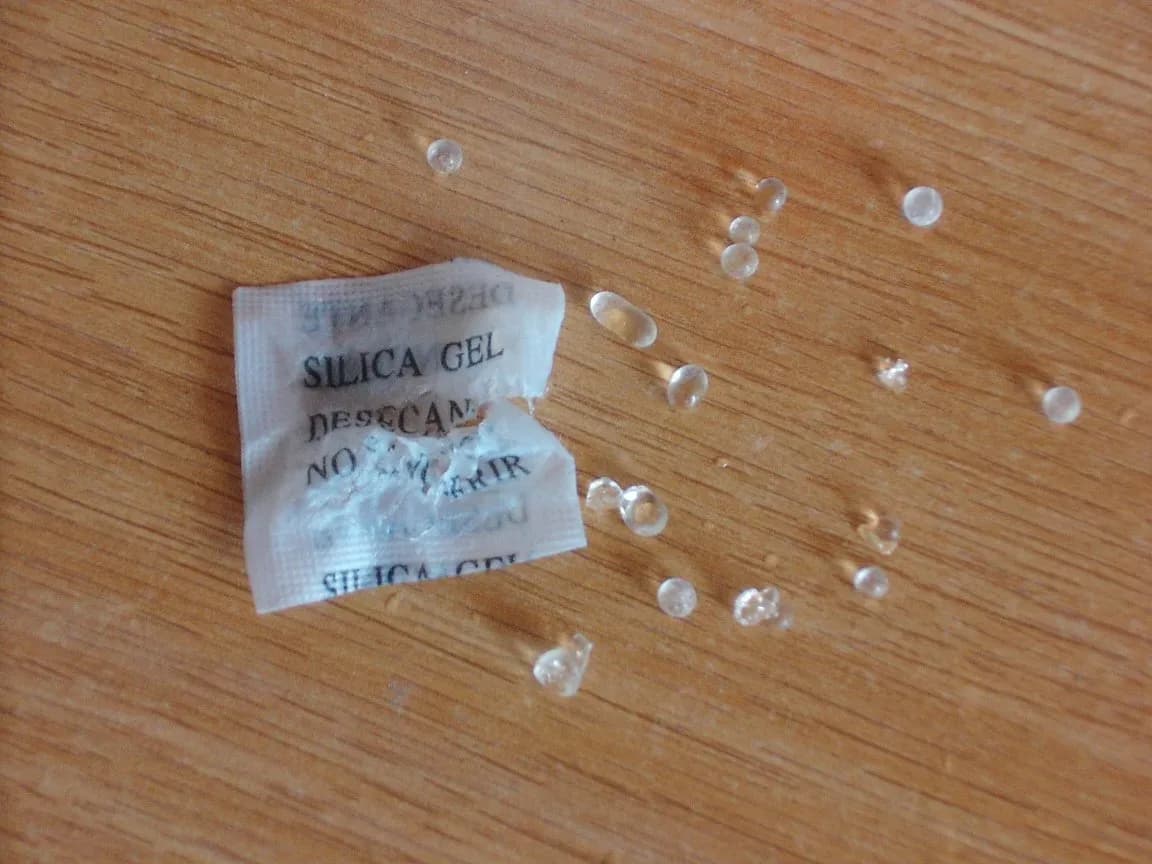
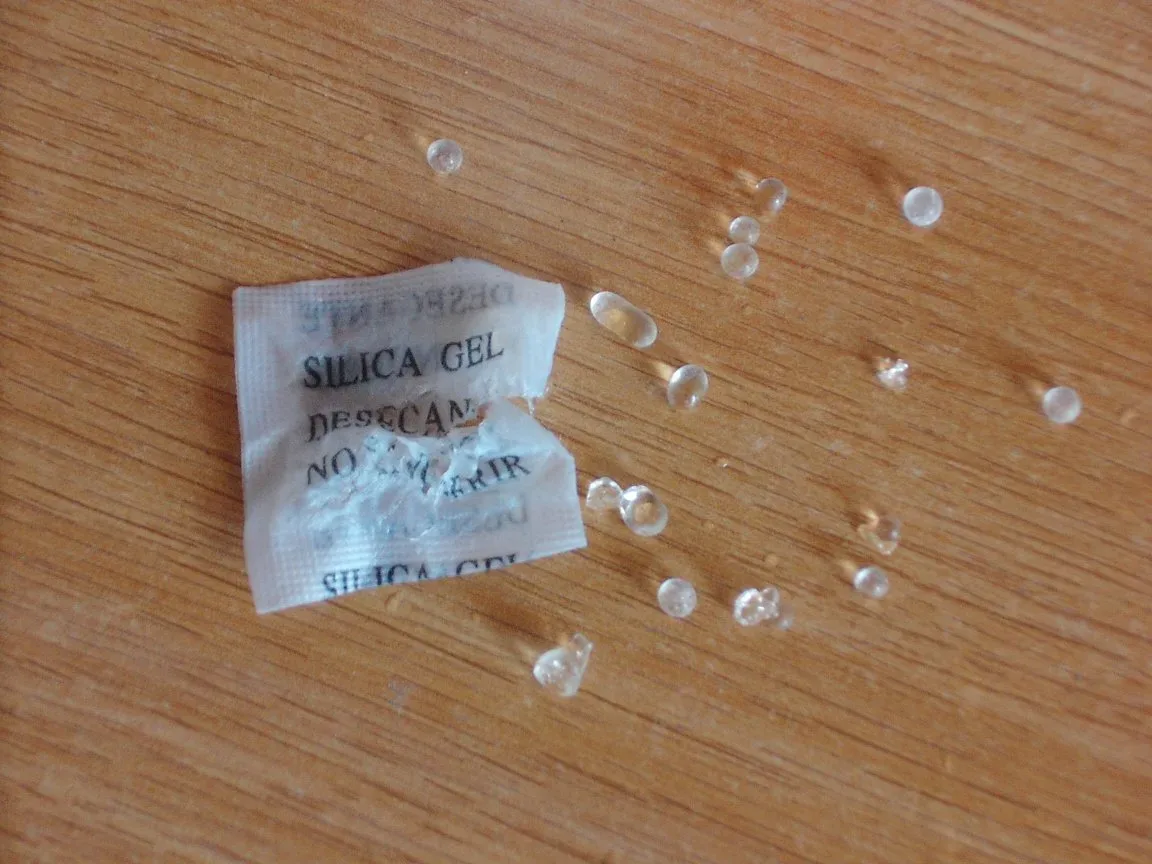
Silica gel desiccant beads in their typical sachet form — the standard humidity control medium for long-term firearm storage.
No machine-readable author provided. Clemente assumed (based on copyright claims). (Public domain)
| Time & Effort | |
|---|---|
Read Time | 11 min read |
| Frequency | Inspect every 3-6 months; reapply rust preventative annually or as needed |
Equipment Needed | |
| |
| Prerequisites | |
| |
Safety | |
| |
Key Takeaways | |
| |
Related Topics | |
| |
Long-Term Firearm Storage
protecting your investment from environmental damage
From The Boise Gun Club Handbook
When you're not touching these guns for months or years—deployment, moving, downsizing, inheritance—three enemies will destroy them: rust, seized actions, and thieves. Get this right and your guns emerge ready to shoot. Get it wrong and you're looking at corrosion, non-functioning parts, or empty safes.
Clean Everything Firstedit
Store a dirty gun and you're storing moisture, powder residue, and copper fouling that'll eat your metal while you're away. That quick range-day wipe-down won't cut it.
Disassembly Standards
Strip everything completely. Semi-autos get field stripped minimum. Revolvers need cylinders out. Bolt guns need bolts removed. I've seen too many "stored clean" rifles come out with chambers that look like they were stored in a salt mine.
Run dry patches until they're spotless, then apply real rust preventative—not your everyday CLP. Standard gun oils dry out or migrate off over time.
Complete firearm preparation process for long-term storage
Rust Preventative Selection
Cosmoline is military standard for decades-long storage because it works, even though it's messy as hell and needs mineral spirits to remove. For civilian storage where you might want these guns in a few years, Barricade or Break-Free Collector are more user-friendly.
Coat every metal surface—inside and outside on blued guns. Don't skip stainless because it still rusts. Light coat on wood stocks too, especially where wood meets metal. Water loves those junctions.
Fight the Humidityedit
Rust starts above 50% relative humidity. Keep storage below that and you're winning.
Idaho's dry climate helps, but basements, garages, and storage units still trap moisture.
Gun safes create their own problems—they restrict airflow so moisture gets in and stays in. A safe in a basement is basically a humidity trap unless you fight it actively.
Safe Humidity Management
Dehumidification Systems
Golden Rod dehumidifiers work because they're simple—electric heating elements that raise safe temperature a few degrees and keep air moving. Run them continuously. They use about as much power as a nightlight.
For desiccants, silica gel works for small spaces. Eva-Dry or Dry-Packs handle safes—rechargeable and hold more water. Get the indicating types that change color when saturated. Avoid foam desiccants in cheap cases—they're worthless.
| Dehumidifier Type | Coverage | Power Usage | Maintenance | Best For |
|---|---|---|---|---|
| Golden Rod | Up to 200 cu ft | 8-18 watts | None | Safes with power |
| Eva-Dry E-333 | Up to 333 cu ft | Rechargeable | Monthly recharge | Medium safes |
| Silica Gel Packs | Small containers | None | Replace when saturated | Gun cases |
| Dry-Packs | Variable sizes | None | Microwave regeneration | Any size space |
Stick a digital hygrometer in your safe and actually check it. If humidity's climbing above 50%, your system isn't keeping up.
Climate-controlled storage beats everything. A heated room in your house maintains stable conditions year-round. Unheated outbuildings swing with weather and seasons.
Storage Containers That Workedit

Safe Selection Criteria
Fire ratings matter for safes—not because guns survive house fires, but because higher fire protection means thicker walls and tighter seals. Bolt it down so it doesn't move and break those seals.
Don't pack it tight. Air needs to circulate. Those organizers claiming to fit 24 rifles in a 12-gun safe are setting you up for rust where metal touches metal. Store muzzle-down when possible—oil and moisture run downward, better out the barrel than pooling in the action.
Container Alternatives
Hard cases with foam trap moisture against metal. Foam absorbs humidity and holds it exactly where you don't want it. For long-term storage, ditch the foam cases.
Gun socks and silicone-treated cloths work well—they wick moisture away and many have rust inhibitors. Change them annually.
Storage container decision matrix and best practices
The most reliable container is no container—guns standing in a safe with air flowing around them, protected by dehumidification and good rust preventative.
Off-Site Storage Realityedit
Storing firearms in commercial units is legal in Idaho but creates problems. Temperature swings are brutal—daily heat and cold cycles create condensation inside units and safes.
You can't run electrical dehumidifiers in most standard units since they lack power. That leaves desiccants that need regular changing, which means regular visits.
Security is just a padlock on most units. Anyone storing firearms off-site needs a quality gun safe inside the storage unit, bolted down if the facility allows it. Some prohibit floor bolting—check first.
Friends with decent conditions often beat commercial storage. A relative's basement gun room beats a metal shed cooking in summer sun.
Ammunition Storageedit
Stored ammo lasts decades if kept dry and stable. Same humidity control protecting firearms protects ammunition—below 50% humidity, room temperature or cooler, out of sunlight.
Keep ammo in original boxes when possible. Cardboard actually buffers humidity changes. Plastic cans with rubber seals work if you add desiccant packs.
| Storage Method | Humidity Protection | Temperature Stability | Accessibility | Longevity |
|---|---|---|---|---|
| Original Boxes | Good (cardboard buffers) | Good | Excellent | 20+ years |
| Plastic Ammo Cans | Excellent (with desiccant) | Excellent | Good | 30+ years |
| Metal Surplus Cans | Good (if sealed properly) | Good | Fair | 20+ years |
| Cardboard Cases | Fair | Poor | Excellent | 10+ years |
Don't store ammo in magazines long-term. Springs weaken and loaded magazines create legal complications even in Idaho.
Legal Considerationsedit
Idaho doesn't require specific storage methods for your firearms on your property. That changes with kids in the home—you're liable if a child accesses your gun and causes harm.
Off-site storage brings different rules. Storage facility contracts often prohibit firearms or require disclosure. Read the contract—some facilities are fine with it, some ban it, some require notification. Getting caught means eviction and legal problems.
Crossing state lines to store guns means following that state's laws. Washington and Oregon have more restrictive requirements than Idaho.
Estate planning matters. Someone needs to know where your guns are and how to access them legally if something happens to you. NFA items especially need proper documentation.
Maintenance Scheduleedit
| Storage Conditions | Check Frequency | What to Inspect | Action Required |
|---|---|---|---|
| Climate-controlled | Annually | Humidity, metal surfaces | Light re-oiling if needed |
| Unheated buildings | Every 3 months | Condensation, rust spots | Full inspection, re-treatment |
| Storage units | Every 3 months | Temperature damage, security | Desiccant change, rust check |
| Quality safe, heated | Every 6 months | General condition | Cycle actions, verify seals |
Inspection Protocols
When checking, verify humidity first. Look for condensation inside safe doors. Smell for mustiness—that means water's getting in somewhere.
Pull a few firearms and inspect for rust, especially corners and crevices. Check wood for cracking or swelling. Cycle actions to redistribute lubricant and prevent seizing.
Pre-Use Preparation
Don't fire stored guns without proper inspection first. Old oil turns to varnish, rust builds in barrels, springs weaken. A five-year stored gun needs inspection and possibly re-lubrication before you run ammo through it.
Mistakes That'll Cost Youedit
- Leather storage traps moisture and tannins corrode metal
- Storing dirty guns because fouling attracts moisture
- Leaving batteries in optics—they leak and corrode
- Heavy oil coats attract dust that turns abrasive
Don't assume stainless is maintenance-free—it still corrodes. Always test inherited or used guns before storage.
Store hammers down and slides forward. Even 1911s designed for cocked-and-locked can be stored hammer-down.
Coming Out of Storageedit
Inspect everything carefully—rust, pitting, discoloration, wood cracks, mechanical function. Clean off storage lubricants completely. Cosmoline especially needs mineral spirits removal before firing.
Re-lubricate for use, not storage. Heavy preservatives gum up actions. Function-check everything—safeties, magazine fit, cycling.
Take it slow at the range first time out. Follow this sequence:
- Fire a few rounds slowly
- Inspect brass ejection patterns
- Check cycling and feeding
- Verify accuracy groups are normal
Stored guns deserve careful break-in sessions, not hard training days.
The BGC Takeedit
The work before storage determines what you get back. Do it right in Idaho's climate and your guns will outlast you.
I've pulled guns out of storage after years that looked factory-fresh because someone took the time to clean properly and control humidity. I've also seen $2,000 rifles turned into rust buckets because "it was only going to be six months."
Your future self will thank you for doing this right the first time.
See Alsoedit
- Cash America Pawn(BRYAN, TX)
- Bi-mart - Yakima (Fruitvale Ave)(Yakima, WA)
- New Philly Sportsman Specialities(New Philadelphia, OH)
- R&R Sports & Outdoors(Brandon, FL)
Loading comments...