Legal Details
Legislation

A mule deer buck in typical Western rangeland habitat. Montana's 2026 changes affect both bucks and does across multiple hunting districts.
Oregon Department of Fish & Wildlife (CC BY-SA 2.0)
| Identification | |
|---|---|
| Jurisdiction | |
Territory | Montana |
| Timeline | |
| Effective | March 1, 2026 |
| Applicability | |
| Penalties | Fines and loss of hunting tags for non-compliance with regulations |
Montana 2026 Hunting Regulations: What Changed
Legal information and analysis
From The Boise Gun Club Handbook
This is educational information, not legal advice. Laws change — including mid-season. Verify current regulations at fwp.mt.gov before you head out.
Montana's 2026 hunting season looks meaningfully different from last year — the 2025 Legislature passed several new laws, the Montana Fish and Wildlife Commission set new regulations in December 2025, and the way you buy your license has changed from the ground up. If you hunted Montana last year and assume the rules are the same, you're going to be wrong in ways that could cost you a tag or a fine.
How the License Year Works Nowedit
The 2026 license year started March 1. That's the day you can purchase new hunting and fishing licenses, apply for special draw permits, and renew your conservation license. Nothing unusual there — but how you buy that license is different.
Montana FWP has replaced its old point-of-sale systems with a new License Ambassador Program. Instead of a dedicated terminal at a sporting goods counter, participating businesses now use their own equipment — a tablet or computer — connected to Montana's online licensing system. FWP says this lets them bring in more vendors and ditch hardware that was outdated and couldn't be replaced.
The catch: not every business that used to sell licenses is participating. According to FWP Director Christy Clark, the goal is to ultimately expand the number of places you can buy in person — but right now, your usual spot might be out of the game. Cash is no longer accepted for license purchases.
"By moving to a web-based model that uses a business's own equipment, FWP can reduce administrative costs, focus resources on streamlining operations, and allow new businesses to sell licenses." — FWP License Ambassador Program webpage
You can still buy online at fwp.mt.gov, at any FWP regional office, or at a participating License Ambassador business. FWP also has a map of participating vendors at https://fwp.mt.gov/buyandapply/licenseproviders. The FWP app with a digital wallet for storing tags and licenses hasn't changed — use it to validate harvests in the field.
What changed in licensing: A follow-up report from the Daily Montanan in late March noted legislators were already pointing to problems with the new system. If you run into trouble buying in person, go online or head to an FWP office.
Deer: The Biggest Changesedit
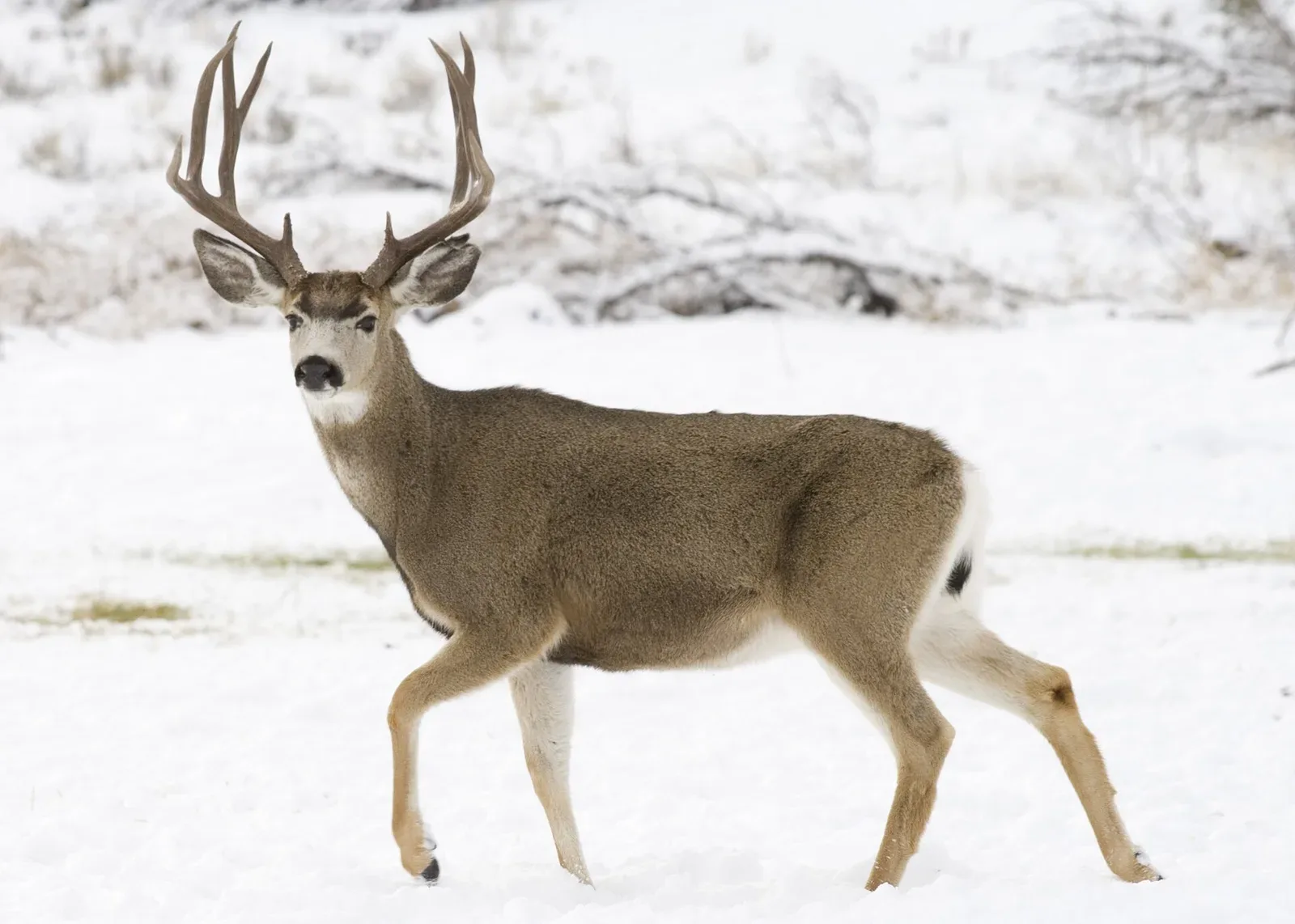
Deer regulations got the most significant overhaul, driven by declining mule deer numbers — particularly in eastern Montana — and growing frustration over hunting pressure.
Resident deer license cap dropped from eight to three. The Montana Fish and Wildlife Commission reduced the total number of deer licenses a resident can hold to three, including their General Deer License. That's down from a previous cap of eight. According to RMEF's coverage of the December 4 commission meeting, this was a deliberate conservation move.
"It's true, some of these changes will reduce revenue coming to FWP from license sales, but when it comes down to it, this is about protecting the resource, not revenue." — FWP Director Christy Clark
Most Mule Deer B licenses are now private-land only for 2026 and 2027. The commission set this restriction specifically to reduce pressure on mule deer in public-land areas where declines have been most severe. Per the RMEF news release covering the December 4 commission meeting, this applies to most — not all — Mule Deer B licenses. Check your specific hunting district before assuming anything.
Nonresidents remain limited to one Deer B License, a rule that dates back to changes the 2023 Legislature made. The exception: a nonresident holding a combo license can possess two deer B licenses.
Nonresident license cap — the broader context. The commission also approved an amendment that caps the sale of a specific nonresident deer license, which according to RMEF effectively cuts the number of those licenses available to nonresidents by approximately 2,500. Commission Chair Lesley Robinson framed it plainly at the December meeting: "Something has to be done. We have a lot of overcrowding."
| Deer License Rule | Previous | 2026 |
|---|---|---|
| Max deer licenses a resident can hold | 8 | 3 (including General Deer) |
| Nonresident Deer B limit | 1 (since 2023 Legislature) | 1 (unchanged) |
| Nonresident with combo license | 2 | 2 (unchanged) |
| Most Mule Deer B licenses | Public + private land valid | Private land only (2026–2027) |
Key Point: Before you go out, verify your specific hunting district's rules. The commission made district-specific changes in December, and "most" Mule Deer B licenses being private-land only doesn't mean all of them are.
Elk: Quotas and Regional Restrictionsedit
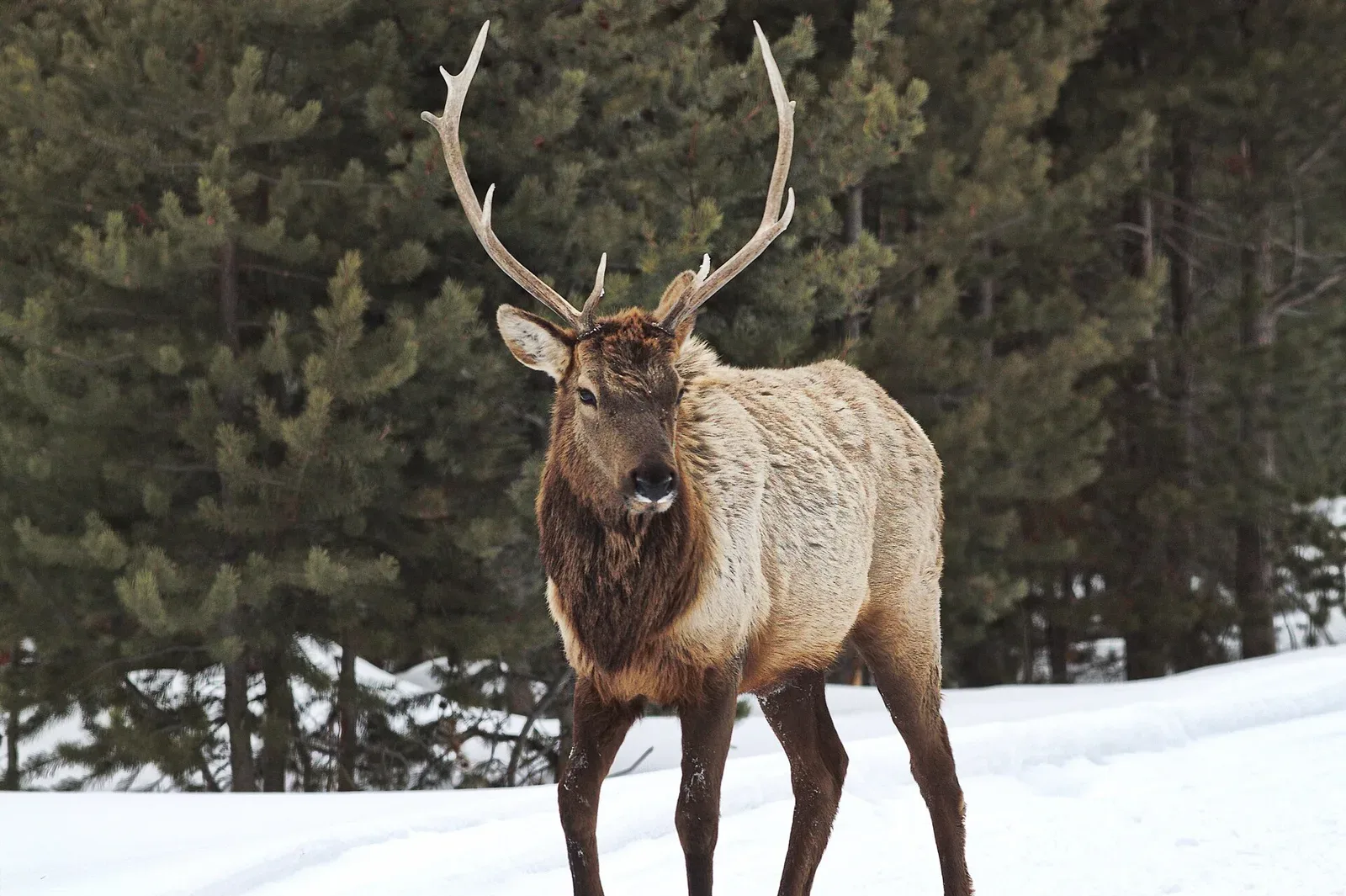
Elk regulations saw targeted adjustments, not a wholesale overhaul — but the regional restriction on Region 1 is significant if you hunt northwestern Montana.
All Region 1 Elk B licenses are now valid only on private land. This mirrors the approach taken with mule deer — redirecting hunting pressure off public land in areas of concern. Additionally, all antlerless elk archery opportunity in Region 1 has been eliminated, per the RMEF commission summary.
The 799-20 Elk License quota increased to 325, up from 280 previously. This is a limited, high-quality elk hunting area near Ekalaka in southeastern Montana. A second antlerless Elk B license will be available to holders of an elk permit in hunting districts 702, 704, or 705, subject to the same time, area, and limitation restrictions as the original permit.
| Elk Change | Detail |
|---|---|
| Region 1 Elk B licenses | Private land only |
| Antlerless elk archery, Region 1 | Eliminated |
| 799-20 Elk License quota | Raised from 280 to 325 |
| Second antlerless Elk B (HDs 702/704/705) | Available to permit holders, same restrictions apply |
Key Point: Region 1 covers the northwest corner of the state. If your elk spot is on public land up there, you need to draw a different permit or redirect your plans.
Black Bear: New Permits in Region 5edit
The commission established Black Bear Permits in two bear management units in FWP Region 5 (south-central Montana). The application deadline for those permits was April 1, so if you're reading this after that date, look ahead to the 2027 draw.
Several other black bear regulation changes were adopted at the December commission meeting:
- Hunters can now purchase and accrue bonus points for any limited black bear permits.
- The archery black bear fall sub-quota percentage increased from 20 to 30 percent of the total fall quota.
- Hound hunting season was extended to June 15 to match the end of hound training season.
- In Region 2, the boundary for hound hunting was adjusted to mirror the occupied grizzly bear polygon.
Antelope: Quota and Pool Adjustmentsedit
Archery antelope got a structural change at the December commission meeting. The quota for 900-20 licenses (archery antelope) was set at 5,600 — the commission actually bumped that up from FWP's original proposal of 5,100. However, Region 3 was pulled out of this bundle entirely and placed in its own separate pool with 500 licenses. Those Region 3 archery antelope licenses are now designated 399-20.
If you've been applying for 900-20 archery antelope and your unit is in Region 3, you're applying for the wrong license in 2026.
Bighorn Sheep: Drawing Only for Unlimited Districtsedit
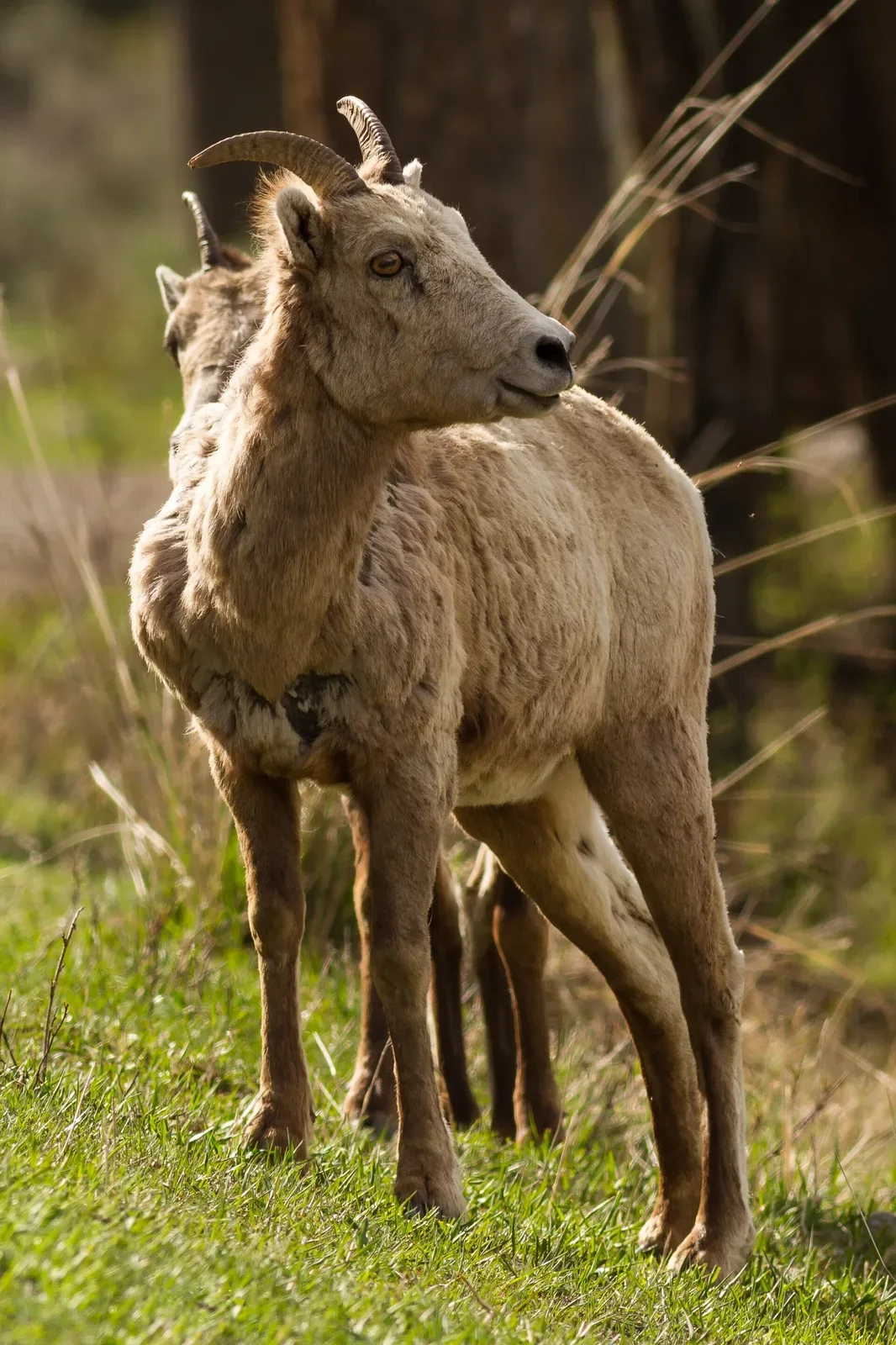
Montana has five unlimited bighorn sheep hunting districts. In 2026, licenses for those districts will only be issued through a drawing — hunters will no longer be able to purchase them over the counter.
Key Point: The bonus point program no longer applies to unlimited bighorn sheep opportunity. Hunters applying for those unlimited draws won't spend their bonus points — which means your accumulated points stay intact for limited draws. Per the RMEF summary, the commission also changed all either-sex bighorn sheep districts to "any ram" for limited opportunity drawings, and adopted specific quotas: one license each for 250-20 (any ram), 680-30 (adult ewe), and 680-31 (adult ewe).
Mountain Lion: Simplified License Structureedit
The commission streamlined mountain lion licensing. A single license is now all that's required to hunt mountain lions in open areas — the special limited and unlimited licenses were eliminated as recommended by FWP. Quotas will be established in June.
Winter season dates changed to December 1 through May 25. Mountain lion hunting with hounds is prohibited in occupied grizzly bear habitat after April 14.
Archery Regulations: Let-Off Removededit
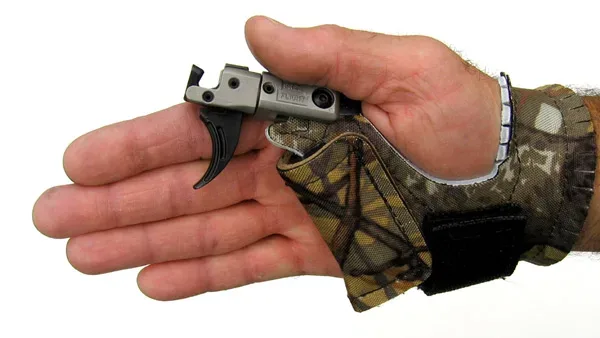
One change that cuts across species: the let-off limit for hunting bows has been removed. Previously, compound bows used for hunting were capped at 80 percent let-off. That cap is gone. Any legal bow is now valid — the archery regulations no longer restrict let-off percentage.
Shed Hunting: New Rules for Nonresidentsedit
The nonresident shed hunting situation got legislative attention after a widely-covered incident involving the Montana National Guard allegedly landing a helicopter on private land to collect antlers without permission. The 2025 Legislature responded.
Nonresidents now need a $50 Shed Hunting License to pick up antlers on state Wildlife Management Areas (WMAs). Beyond the license requirement, nonresidents are prohibited from picking up antlers on WMAs during the first seven days those areas are open to the public in the spring. According to the Western News, most WMAs open at 12 p.m. on May 15 — but some have different opening dates, so check the specific WMA regulations before you go.
There are no changes for resident shed hunters. This is entirely a nonresident regulation.
The 2025 Montana Legislature passed a law that implements a Nonresident Shed Hunting License for Montana's Wildlife Management Areas (WMA). Additionally, this new law prohibits nonresidents from picking up antlers on WMAs for the first seven days they are open to the public in the spring. — Western News, March 17, 2026
Upland Birds: Nonresidents Hunt Lateredit
The 2025 Legislature passed a law restricting when nonresidents can start hunting upland game birds. In 2026, nonresidents hunting on public lands and lands enrolled in hunting access programs start 10 days later than residents for all upland species — except mountain grouse.
Mountain grouse is exempt from this delay. Everything else — pheasant, Hungarian partridge, sharp-tailed grouse, and other upland species — nonresidents wait 10 days on public and block management ground. Private land with landowner permission is a different matter; the restriction applies to public and access-program lands.
Migratory Birds and Crane/Swan Licensesedit
Fee changes hit migratory bird hunters as well, driven by the 2025 Legislature's license fee adjustments.
Resident Migratory Bird License increased from $5.50 to $10.
Crane and Swan licenses now cost $10 for residents and $75 for nonresidents. There's also a separate application fee: $10 for residents and $50 for nonresidents.
License Fees: What Everything Costs Nowedit
The 2025 Legislature passed across-the-board fee increases. Here's the full picture from sources:
Nonresident Fee Changes
| License / Fee | Previous | 2026 |
|---|---|---|
| Base Hunting License | $15 | $50 |
| Upland Bird (season) | $110 | $127 |
| Upland Bird (three-day) | $50 | $60 |
| Big Game Combo | — | $1,312 |
| Elk Combo | — | $1,112 |
| Deer Combo | — | $760 |
| Crane and Swan License | — | $75 |
| Swan/Crane application fee | — | $50 |
| Shed Hunting License | N/A (new) | $50 |
Resident Fee Changes
| License / Fee | Previous | 2026 |
|---|---|---|
| Upland Bird combo | $7.50 | $10 |
| Sportsman without Bear | $62 | $64.50 |
| Sportsman with Bear | $77 | $79.50 |
| Migratory Bird License | $5.50 | $10 |
| Crane and Swan License | — | $10 |
| Swan/Crane application fee | — | $10 |
Key Point: The nonresident base hunting license fee tripling — from $15 to $50 — hits every nonresident who buys any license, before they add any species-specific tag on top of it. On top of that, nonresident combo packages have been reset to new price points that aren't simply incremental increases from last year's figures.
The Bigger Pictureedit
Most of these changes trace back to two problems FWP and the commission have been grappling with for several seasons: declining mule deer numbers in eastern Montana, and growing frustration among residents and landowners about nonresident hunting pressure. The December 4 commission meeting was described by RMEF as the culmination of a process that started the previous summer with public meetings across the state.
FWP Director Clark acknowledged directly that some of these changes — particularly the deer license cuts — will reduce license revenue. The commission's position is that conservation of the resource takes priority.
Whether these measures stabilize mule deer populations or just reshuffle where hunting pressure goes remains to be seen. The regulations for mule deer B licenses are specifically set for 2026 and 2027, suggesting the commission intends to reassess after two seasons of data.
Resourcesedit
- https://dailymontanan.com/2026/03/12/streamlined-system-highlights-fwp-changes-to-hunting-fishing-regs/
- https://thewesternnews.com/news/2026/mar/17/state-makes-several-changes-for-next-hunting-season/
- https://www.rmef.org/media/montana-makes-changes-to-address-hunting-pressure-mule-deer-numbers/
- https://www.facebook.com/MontanaFWP/videos/license-year-2026/1984590085423134/
- https://www.facebook.com/MontanaFWP/posts/its-planning-season-the-2026-deer-elk-antelope-and-moose-sheep-goat-bison-huntin/1211591431116606/
- https://fwp.mt.gov/binaries/content/assets/fwp/hunt/regulations/2026/2026-dea-regulations-final-with-low-resolution-maps-for-web.pdf
- https://www.montanaoutdoor.com/2026/03/montanas-2026-elk-regulations-changed-what-to-know-before-drawing-deadlines/
- https://www.montanarightnow.com/montana/montanas-new-hunting-and-fishing-rules-start-march-1/article_1d27a89c-7fd2-4f83-b681-cffd7245c362.html
- https://www.montanarightnow.com/montana/montanas-new-hunting-and-fishing-rules-start-march-1/article_1d27a89c-7fd2-4f83-b681-cffd7245c362.html
Last Updated: April 03, 2026
- Ace Hardware of Sandusky(Sandusky, MI)
- New Philly Sportsman Specialities(New Philadelphia, OH)
- Atwoods Ranch & Home #46(LACY LAKEVIEW, TX)
- G & P Distributors(McConnellsburg, PA)
This is not legal advice
This guide provides general information about federal and state firearms laws based on publicly available statutes. Laws change frequently and vary significantly by state. Always verify current laws in your jurisdiction. Consult a qualified attorney for legal advice on your specific situation. When in doubt, contact local law enforcement or state police.
Loading comments...