Organization Info
DU
Ducks Unlimited

| Overview | |
|---|---|
Founded | 1937 |
Headquarters | Memphis, TN |
Disciplines | hunter education |
Membership | |
Cost | $35/year base; Life Membership available |
Links | |
| www.ducks.org | |
Ducks Unlimited (DU)
Reference article
From The Boise Gun Club Handbook
Ducks Unlimited (DU) is a nonprofit conservation organization headquartered in Memphis, Tennessee, focused on the protection, restoration, and management of wetland habitats across North America. Founded in 1937, DU has grown into the largest private waterfowl and wetlands conservation organization on the continent, with more than 715,000 contributing members and over 1 million total supporters as of fiscal year 2025. Since its founding, the organization has conserved or restored more than 19 million acres of habitat.
History & Foundingedit
The Conservation Crisis of the 1930s
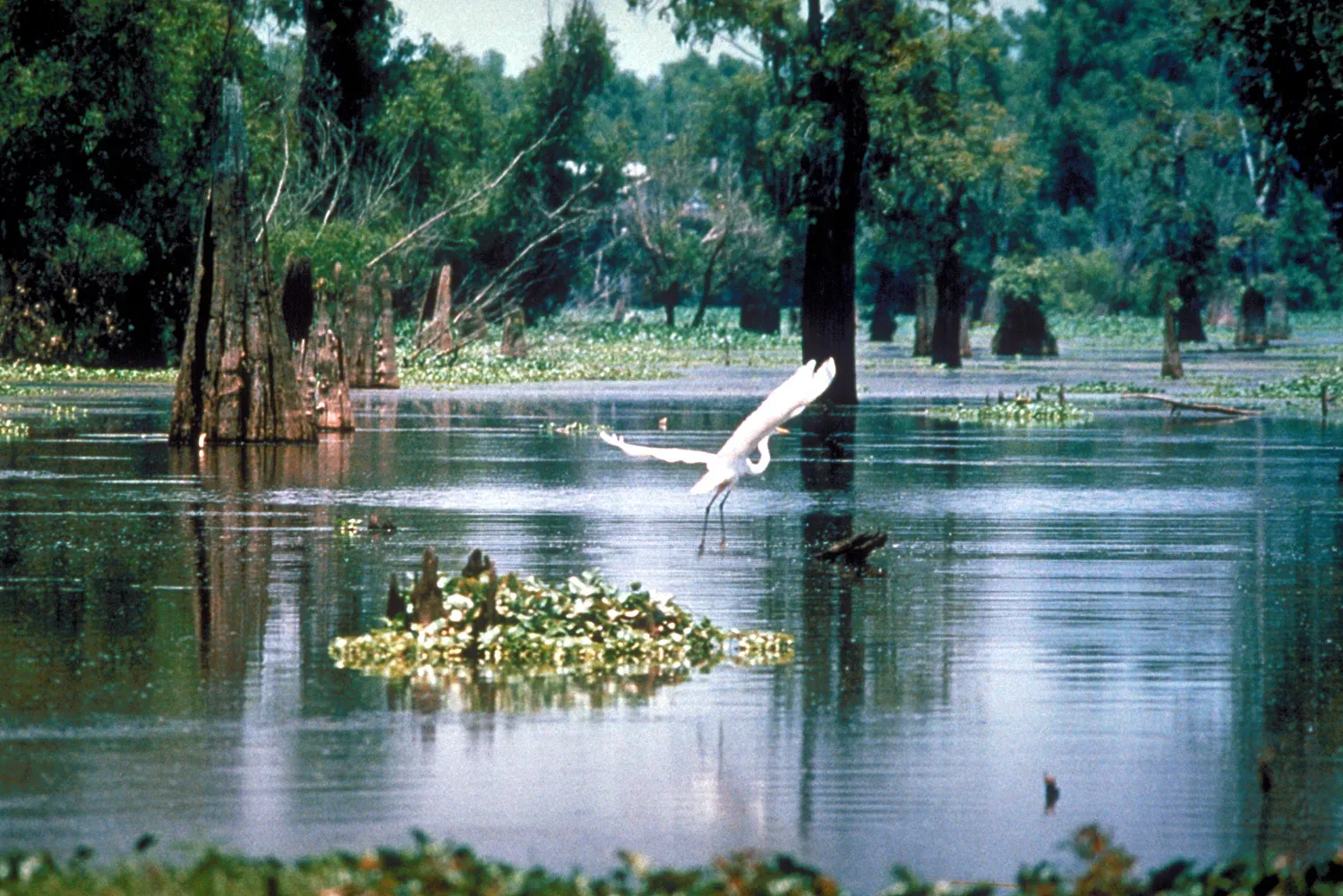
By the mid-1930s, North American duck and goose populations were in serious trouble. A combination of market hunting pressure in prior decades, widespread drainage of prairie wetlands for agriculture, and the catastrophic drought conditions of the Dust Bowl had collapsed waterfowl numbers to historic lows. Hunters who had watched flyways thin out over a generation weren't waiting for a government fix.
| Factor | Impact on Waterfowl | Timeline |
|---|---|---|
| Market Hunting | Massive population pressure | 1800s-1930s |
| Prairie Wetland Drainage | Loss of breeding habitat | 1920s-1930s |
| Dust Bowl Drought | Catastrophic habitat conditions | 1930-1936 |
| DU Founding Response | Private conservation initiative | 1937 |
Cross-Border Innovation
In 1937, a group of American hunter-conservationists formally established Ducks Unlimited. The founding logic was straightforward: most North American waterfowl breed in Canada, and the breeding habitat — the wetland-rich Prairie Pothole Region stretching across the northern Great Plains and into the Canadian provinces — was being lost faster than anyone was acting to protect it. DU set out to raise money in the United States, then put it to work restoring and protecting breeding habitat north of the border.
DU's original cross-border conservation model: American funding for Canadian habitat
That cross-border model defined DU for decades. American hunters wrote checks; Canadian wetlands got restored. The arrangement was unconventional for a conservation organization at the time, but it worked. By the time the organization celebrated its 50th anniversary in 1987, it had already established a track record that made it the organizational template for private-sector conservation fundraising in North America.
The Ithaca Model 37 — one of DU's early Gun of the Year selections — shares an origin year with the organization itself. Ithaca introduced that pump in 1937, the same year DU was founded, a coincidence the gun world occasionally notes.
Mission & Purposeedit
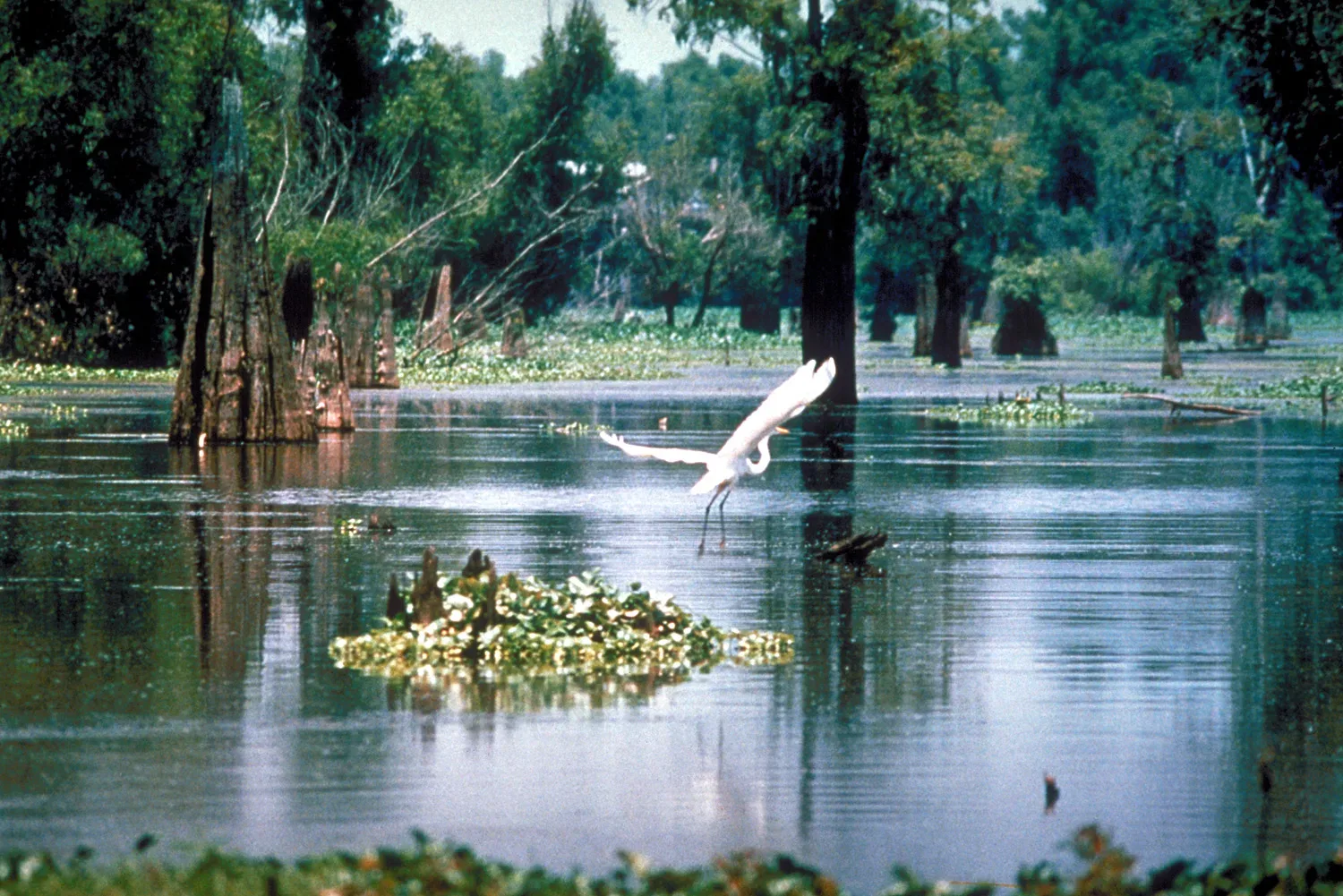
DU's stated mission is the conservation of wetlands and associated habitats for North America's waterfowl. In practice, that means:
- Acquiring critical wetland habitats
- Restoring degraded marshes and grasslands
- Improving existing conservation areas
- Protecting coastal wintering areas
- Maintaining migration stopover points
The organization is explicit that hunting is central to its identity and its funding model. Without hunters buying licenses and paying the federal excise taxes on sporting arms and ammunition that flow through the Pittman-Robertson Act, DU's public-sector funding partners wouldn't have the revenue to co-fund conservation projects. DU has published a formal statement supporting the right to bear arms and linking firearm ownership and hunting directly to the financial architecture of wildlife conservation in North America.
Conservation without money is just conversation — DU's operational philosophy distilled to its essence.
Programs & Competitionsedit
The Chapter Banquet Model
Banquet and Event Fundraising is the engine that built DU. The local chapter dinner model — where volunteers organize fundraising events featuring auctions, raffles, and sponsored items — generates a substantial share of DU's unrestricted revenue. In FY2025, 31,500 volunteers hosted more than 5,775 events, pulling in $65.7 million in event income.
In FY2024, a slightly larger volunteer base of 30,000 hosted 5,200 events generating $99.5 million. The variance between years reflects event mix, local conditions, and auction item performance — the kind of variability any volunteer-driven fundraising network will see.
DU's volunteer-driven fundraising engine converts local events into conservation dollars
Gun of the Year Legacy
The Gun of the Year program, launched in 1973 with a limited-edition Remington Model 1100, is DU's most recognizable firearms-related initiative. Each year, DU selects a shotgun — typically a production model from a major manufacturer — and works with that manufacturer to produce a limited run of engraved, upgraded collector's versions available exclusively through DU events.
| Gun of the Year Models | Manufacturer | Era | Notable Features |
|---|---|---|---|
| Remington Model 1100 | Remington | 1973 (inaugural) | Semi-automatic, first DU gun |
| Remington 870 | Remington | Multiple years | Pump-action workhorse |
| Winchester Model 12 | Winchester | Various | Classic pump design |
| Browning Auto-5 | Browning | Multiple years | Long-recoil semi-auto |
| Browning BPS | Browning | Various | Bottom-eject pump |
| Beretta A303/A390 | Beretta | 1980s-1990s | Gas-operated semi-auto |
The program has raised more than $250 million for wetlands conservation over its 50-year run. The guns chosen have tracked the history of American waterfowl shotguns: the Remington 870, Winchester Model 12, Browning Auto-5, Browning BPS, Beretta A303, Beretta A390, Browning Maxus, and others have all carried DU serial numbers at various points. Some of these guns live in gun safes as collectibles; others have spent seasons in duck blinds, which is exactly what most of them were built for.
Major Fundraising Campaigns
The Conservation for a Continent campaign is DU's most ambitious fundraising effort to date, with a stated goal of $3 billion by 2026. As of FY2025, the campaign had secured $2.73 billion in commitments. The campaign's largest single commitment came from Cox Enterprises, which established a $100 million fund in honor of Jim Kennedy, DU's most prominent individual supporter and a 50-year volunteer with the organization.
Youth Development Programs
DU's youth and education programs include the Greenwing program for young conservationists, the Varsity program for college-age members, and a scholarship program that distributed more than 60 scholarships to high school seniors in FY2025, including the Susie Konkel Ducks Unlimited National Scholarship, a $10,000 award. These programs are aimed at building the next generation of DU supporters and waterfowl hunters.
Membership & Benefitsedit
DU membership starts at $35 per year, which includes a subscription to Ducks Unlimited magazine, access to local chapter events, and eligibility for member-exclusive programs. The organization does not structure itself primarily around member benefits the way a club would — it's a fundraising and conservation delivery operation, and members are participants in that mission more than they are customers receiving a service package.
| Membership Level | Annual Cost | Core Benefits | Target Audience |
|---|---|---|---|
| Basic Member | $35 | Magazine, chapter events, Gun of the Year access | Entry-level supporters |
| Life Member | Variable | Permanent status, enhanced access | Long-term committed members |
| Chapter Volunteer | $35+ | Event organization, local leadership | Active community participants |
| Youth (Greenwing) | Reduced | Education programs, mentorship | Next generation hunters |
The real value most active members get is through local chapter involvement: chapter banquet tickets, access to Gun of the Year auction items, and the social network of waterfowlers in their area. Members who want to go deeper can become Life Members, participate in the Greenwing youth programs as sponsors or organizers, or engage with DU's policy and advocacy work.
As of FY2025, DU counted more than 715,000 contributing members, up from 678,000 in FY2024. The distinction between "contributing members" and "1 million supporters" reflects a broader base of people who donate or engage with DU beyond formal membership — a number the organization uses in its public reporting.
Notable Achievementsedit
Million-Acre Milestones
The single largest milestone in DU's recent history is acreage delivery. In FY2024, for the first time in the organization's 87-year history, DU delivered more than 1 million acres of conservation in a single fiscal year — roughly the land area of Rhode Island. In FY2025, that number climbed to 1.2 million acres, marking back-to-back years above the million-acre threshold.
| Metric | FY2024 | FY2025 | Growth |
|---|---|---|---|
| Annual Acres Conserved | 1.0M+ | 1.2M | +20% |
| Total Revenue | Not specified | $421M | - |
| Habitat Delivery Funds | Not specified | $219M | $42M over budget |
| Contributing Members | 678,000 | 715,000+ | +37,000 |
| Volunteer Events | 5,200 | 5,775 | +575 |
| Event Income | $99.5M | $65.7M | -34% |
Since founding, the cumulative total exceeds 19 million acres.
Financial Performance
FY2025 financials represent a significant jump in scale: total revenue reached $421 million, with habitat-delivery funds from government reimbursements and partnerships totaling $219 million — $42 million above budget.
Operating efficiency held at 87 percent of expenditures going toward conservation and education, a figure DU tracks carefully and reports publicly.
Program Longevity
The Gun of the Year program crossed 50 years of operation in 2023, having raised more than $250 million in that span. The program's average contribution to DU's revenue runs more than $2 million annually through chapter dinner auctions and sales.
Wetlands America Trust, DU's land trust arm, saw its endowment exceed $100 million in FY2025 — a threshold that represents long-term financial sustainability independent of annual fundraising cycles. Additional major milestones include:
- Wetlands America Trust endowment exceeded $100 million
- Gun of the Year program crossed 50-year milestone
- Conservation for a Continent campaign reached $2.73 billion
- Cox Enterprises committed $100 million in honor of Jim Kennedy
International Expansion
Ducks Unlimited de México (DUMAC) celebrated its 50th anniversary in 2024, having completed 643 projects and conserved more than 2.2 million acres of waterfowl habitat in Mexico over that period.
Structure & Governanceedit
Corporate Structure
DU operates as a nonprofit under two primary entities: Ducks Unlimited Inc., the main operating organization, and Wetlands America Trust, its land trust subsidiary. The organization is led by a CEO — currently Adam Putnam, a former U.S. congressman and Florida Commissioner of Agriculture who took the role in recent years — and governed by a board of directors.
The field operation includes agronomists, water scientists, agriculture specialists, and sustainability scientists who execute on-the-ground habitat projects. DU's staff has grown in recent years to meet expanded conservation delivery commitments, with additional hires in development, event fundraising, and policy advocacy.
Volunteer Network
DU's organizational structure combines professional staff with volunteer grassroots network
The chapter structure is the grassroots backbone. Local chapters organize banquets, recruit members, and funnel event revenue up to the national organization, which allocates it — along with government grants and major gift revenue — to conservation projects across the continent. The chapter volunteer network is substantial: 31,500 volunteers in FY2025 alone.
Relationship to Other Organizationsedit
International Affiliates
DU operates within a broader network of North American conservation and wildlife organizations, with formal affiliate relationships in two other countries.
Ducks Unlimited Canada is DU's Canadian affiliate, focused on protecting and restoring breeding habitat on the Canadian prairies and in the Western Boreal Forest. In FY2025, DU Canada conserved over 147,000 acres, exceeding its annual goal by more than 37,000 acres. Cox Enterprises has directed funding specifically to DU Canada's prairie breeding habitat work.
Ducks Unlimited de México (DUMAC) is the Mexican affiliate, celebrating its 50th anniversary in 2024. DUMAC focuses on wintering habitat along Mexico's Pacific and Gulf coasts, areas that are critical to waterfowl that breed in the United States and Canada.
Government Partnerships
DU has longstanding cooperative relationships with the U.S. Fish and Wildlife Service, the Natural Resources Conservation Service (NRCS), state wildlife agencies, and a range of private agricultural interests. A substantial portion of DU's annual conservation revenue — $219 million in FY2025 — flows through government reimbursement and partnership agreements, meaning DU functions as both a private fundraiser and a delivery vehicle for public conservation dollars.
Conservation Community
The National Rifle Association and DU occupy adjacent but distinct lanes. DU's focus is habitat conservation and the long-term viability of waterfowling, not Second Amendment advocacy. DU's published firearms statement supports the right to bear arms and acknowledges the conservation funding role of Pittman-Robertson excise taxes, but DU does not engage in gun-rights lobbying. The NRA's publication American Hunter has covered DU's conservation milestones, and the two organizations share a significant member overlap.
DU is frequently mentioned alongside Pheasants Forever, National Wild Turkey Federation (NWTF), and Rocky Mountain Elk Foundation as examples of the hunter-funded conservation model — organizations where membership and event fundraising translate directly into habitat work.
The BGC Takeedit
If you're a waterfowler, joining DU is pretty close to a no-brainer at the $35 base level. The magazine alone covers the cost, the local chapter events are genuinely fun if you have one near you, and the money actually goes somewhere you can track.
The 87-percent operational efficiency figure is real — DU publishes audited financials, and they hold up. For a national nonprofit, that ratio is legitimately good.
The Gun of the Year program is worth understanding if you're into shotgun collecting or just like seeing what shows up at banquet auctions. Some of those guns — the Beretta A303, the Auto-5, the BPS runs — are legitimately desirable shotguns under the fancy wood and engraving, not just commemorative shelf queens. If you hunt with a DU Gun of the Year, nobody at the blind is going to look at you sideways.
The honest tension with DU is scale versus outcomes. DU now moves $421 million a year and is mid-campaign on a $3 billion fundraising push.
At that level, the organization increasingly looks like a conservation corporation with a volunteer fundraising arm rather than a grassroots hunter organization with a professional staff. That's not necessarily bad — scale is how you conserve 1.2 million acres in a year — but members who join expecting a tight-knit local club sometimes find that the national organization feels distant from their chapter experience.
The other thing worth knowing: a significant chunk of DU's conservation work is in Canada and Mexico, which is where the ducks actually breed and winter. If you're the type who wants your conservation dollar to stay in your state, DU may not scratch that itch.
If you understand the flyway and know that protecting Prairie Pothole wetlands in Saskatchewan is what keeps birds over your decoys in November, then DU's cross-border model makes complete sense.
Who benefits most? Active chapter volunteers get the most out of membership — the events, the community, the chance to actually move conservation forward locally. Passive $35-a-year members get a magazine and the knowledge that their money is going somewhere legitimate. That's a reasonable deal either way.
Referencesedit
- Ducks Unlimited. FY2025 Annual Report. ducks.org, November 2025.
- Ducks Unlimited. FY2024 Annual Report. ducks.org, November 2024.
- Ducks Unlimited. FY2023 Annual Report. ducks.org.
- Ducks Unlimited. "DU Statement on Firearms." ducks.org.
- Bourjaily, Phil. "Modern Classics." Ducks Unlimited, September 2023.
- Herman, David. "DU Surpasses Conservation Milestone." American Hunter, June 3, 2024.
- NRA Women. "Happy 85th, Ducks Unlimited! Love, Winchester." nrawomen.com.
- Ducks Unlimited. "Ducks Unlimited Celebrates 89 Years of Conservation." ducks.org/newsroom.
Last Updated: February 24, 2026
- Quail Creek Plantation(Okeechobee, FL)
- 2aHawaii(Honolulu, HI)
- Boston Firearms(Everett, MA)
- Safeshoot(Kingston, NY)
Loading comments...