Legal Details
Private Firearm Sales in Texas

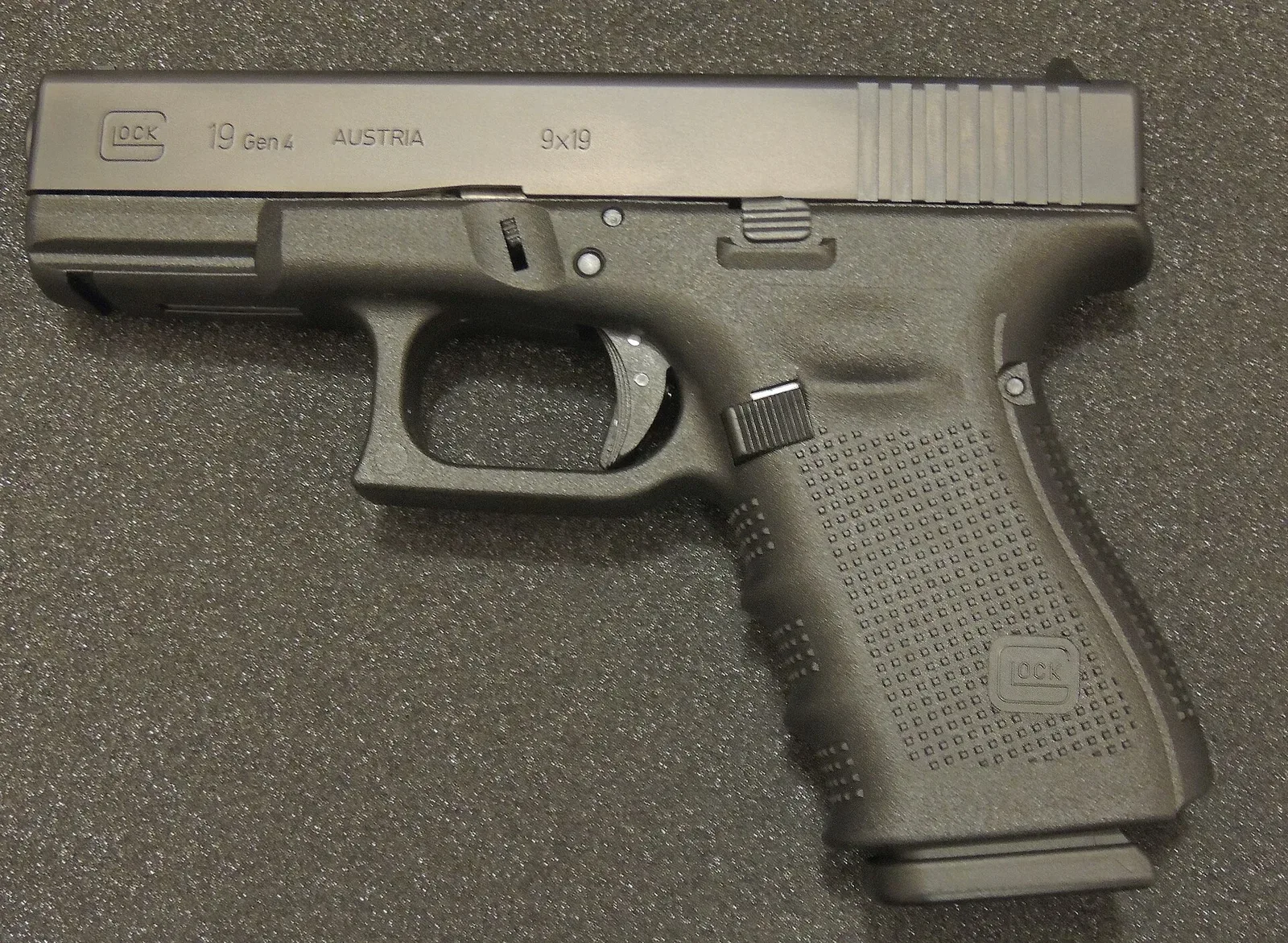
The Glock 19 Gen 5 — the world's most widely adopted polymer-frame pistol, used by civilians, law enforcement, and militaries globally.
Martin1998cz (CC BY-SA 3.0)
| Identification | |
|---|---|
| Jurisdiction | |
Territory | Texas |
| Key Provisions | |
| |
| Applicability | |
| Applies To | Private firearm sellers in Texas who are not federally licensed dealers (FFLs) |
| Exemptions |
|
Related Laws | |
Private Firearm Sales in Texas
Legal information and analysis
From The Boise Gun Club Handbook
Disclaimer: This information is for educational purposes only and does not constitute legal advice. Always consult with a qualified attorney for specific legal questions.
Texas lets you sell firearms from your personal collection without government paperwork--no background checks, no waiting periods, no state forms to file. You can treat your guns like actual property you own instead of jumping through regulatory hoops every time you want to make a sale.
- Private sellers: Can sell directly to other Texas residents with just a handshake
- No state requirements: Texas doesn't mandate background checks for private sales
- Federal rules still apply: You can't knowingly sell to prohibited persons
This puts Texas in good company with most states that haven't gone down the universal background check rabbit hole. Your rifle collection stays your business.
The Legal Frameworkedit
Transfer Methods Overview
Three ways to transfer a gun you own to someone else. Private sale to another Texan--cash and carry. Use an FFL anyway if you want the paper trail. Or go through a dealer if you're selling to someone out of state.
Federal law kicks in on that last one. Sell to your buddy in Oklahoma and that transaction has to go through an FFL in his state, period. Interstate transfers always require a dealer.
| Transfer Type | Buyer Location | FFL Required | Background Check |
|---|---|---|---|
| Private Sale | Texas Resident | No | No |
| Private Sale | Out-of-State | Yes | Yes |
| Through Dealer | Any State | Yes | Yes |
Age and Identity Requirements
Age limits work the same as dealer sales. Handgun buyers need to be 21, long gun buyers 18. No wiggle room on this--it's federal law whether you're buying from Academy or some guy on TexasGunTrader.
| Age Requirements | Handguns | Long Guns |
|---|---|---|
| Minimum Age | 21 years | 18 years |
| ID Required | Yes | Yes |
| Applies To | All sales (private & dealer) | All sales (private & dealer) |
Only licensed dealers must run NICS checks. Private sellers operate under different rules—you're not required to verify a buyer's eligibility through the government system, but you still can't legally sell to someone you know is prohibited.
Where Things Get Complicatededit
Gun Show Sales
Gun shows throw some people off because individual table holders might still be FFLs. If someone's got a business license displayed, they're running background checks regardless of venue. Private sellers at shows work under the same rules as anywhere else.
Some show promoters add their own requirements even though state law doesn't require them. Their property, their rules. You might find shows that mandate background checks for all sales on premises.
Gun Show Sale Requirements
Interstate Complications
Out-of-state sales flip everything. Doesn't matter if the buyer drives to Texas to meet you--if they live somewhere else, federal law requires the transfer to go through an FFL in their home state.
Texas Private Firearm Sale Decision Tree
Informal Verification Methods
Many experienced sellers ask to see a License to Carry as informal proof the buyer's clean. LTC holders already passed a background check, so it's decent verification without being legally required.
Smart Documentation Practicesedit
Why Document Private Sales
You're not required to keep records, but smart sellers do it anyway. I've seen guys get tangled up in investigations because they couldn't prove when they sold what to whom.
Basic paperwork beats legal headaches later. Get the buyer's name, address, and driver's license number. Have them sign something simple like "I certify I'm legally eligible to purchase this firearm." Take a quick photo of their ID for your files.
| Documentation Item | Purpose | Legal Requirement |
|---|---|---|
| Buyer's Name | Identity verification | Not required |
| Address | Contact information | Not required |
| Driver's License # | Government ID verification | Not required |
| Signed Statement | Buyer eligibility certification | Not required |
| Photo of ID | Records backup | Not required |
| Date of Sale | Timeline documentation | Not required |
What to Record
Keep documentation simple but thorough:
- Buyer's name and address
- Driver's license number
- Signed eligibility statement
- Photo of buyer's ID
- Date and time of sale
If a gun you sold years ago turns up in a criminal investigation, having records keeps you from becoming a person of interest. Paper trail trumps memory every time.
Safe Meeting Practices
Meet somewhere public and well-lit. Consider these locations:
- Police station parking lots (cameras and official presence)
- Gun store parking lots (security and appropriate venue)
- Well-lit public areas with good visibility
- Avoid private residences or isolated locations
Common Pitfallsedit
Legal Misconceptions
Don't assume private sales exist in some legal gray area. Federal prohibited persons laws still apply--you just don't have a formal system checking compliance for you.
Location doesn't change the law. Whether you're meeting in a gun store parking lot, at a gun show, or in your driveway, the same federal and state rules apply. The venue might add requirements, but the baseline legal framework stays the same.
Buyer Red Flags
Trust your instincts about buyers. If someone seems sketchy or pushes back hard when you ask basic questions, walk away. No sale is worth potential legal complications down the road.
Texas treats this as a property rights issue. You own it, you should be able to sell it without asking government permission. But they're not naive about it--federal restrictions on prohibited persons still bite, and those apply whether you're buying from a big box store or Craigslist.
When to Use an FFL Anywayedit
Plenty of gun owners run private sales through dealers despite not being required to. Adds maybe $25-50 to the transaction, but you get professional documentation and the buyer gets verified through NICS.
| Scenario | FFL Cost | Benefits | When to Consider |
|---|---|---|---|
| High-value firearm | $25-50 | Professional documentation | Expensive guns ($1000+) |
| Unknown buyer | $25-50 | NICS verification | Strangers from internet |
| Buyer preference | $25-50 | Peace of mind | Buyer requests it |
| Legal protection | $25-50 | Complete paper trail | Want maximum CYA |
Makes particular sense for expensive firearms or sales to complete strangers. The transfer fee becomes insurance against future problems.
Some buyers actually prefer going through an FFL even for private sales. Shows they're serious and legitimately eligible. Consider it a red flag if someone pushes back hard when you suggest using a dealer.
Texas keeps private sales simple—sell to residents directly, use an FFL for out-of-state buyers, and remember that federal law still prohibits selling to people who can't legally own guns.
Last Updated: 2026-01-15
See Alsoedit
- Ace Hardware of Sandusky(Sandusky, MI)
- New Philly Sportsman Specialities(New Philadelphia, OH)
- Atwoods Ranch & Home #46(LACY LAKEVIEW, TX)
- G & P Distributors(McConnellsburg, PA)
This is not legal advice
This guide provides general information about federal and state firearms laws based on publicly available statutes. Laws change frequently and vary significantly by state. Always verify current laws in your jurisdiction. Consult a qualified attorney for legal advice on your specific situation. When in doubt, contact local law enforcement or state police.
Loading comments...