Legal Details
Legislation

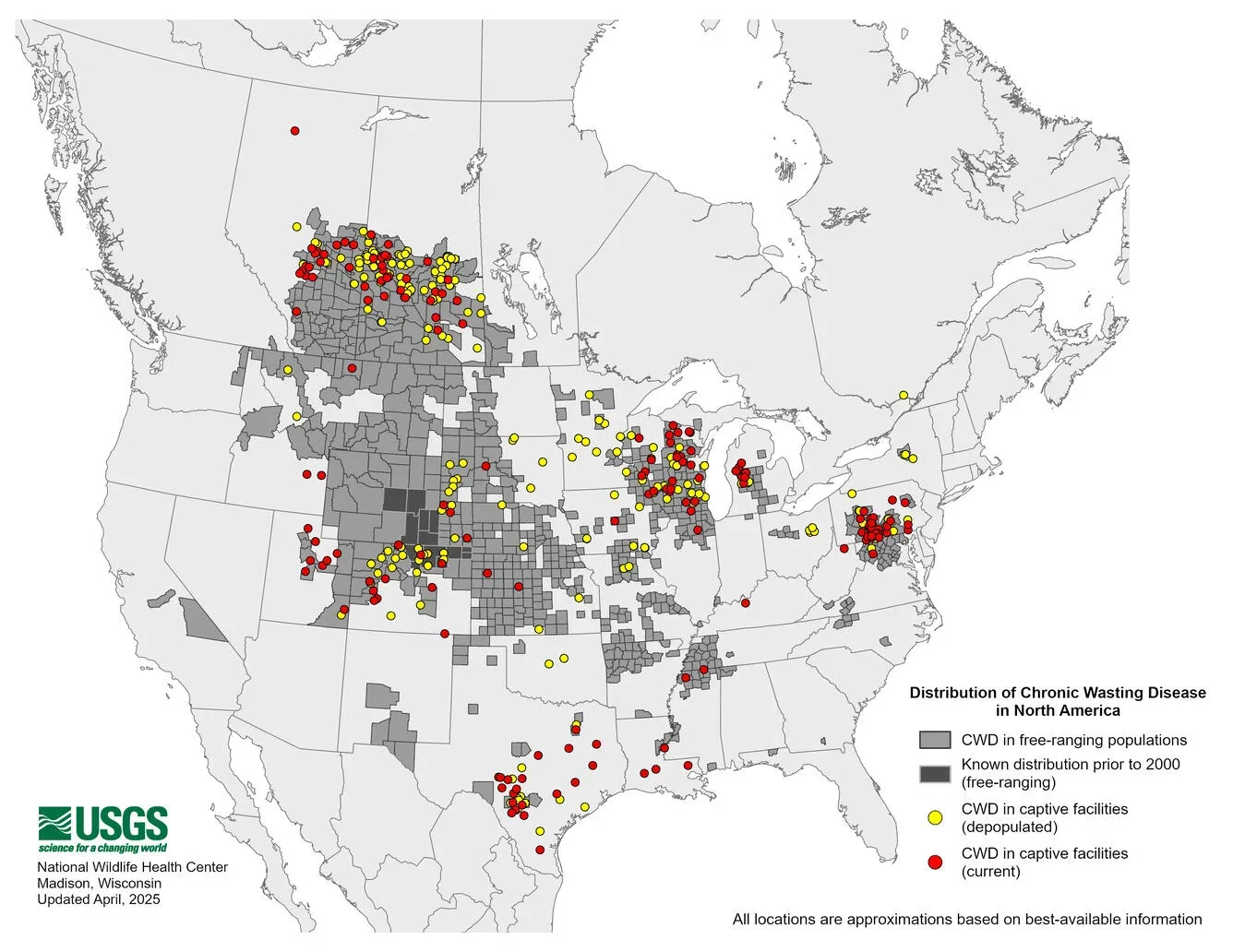
CWD distribution across North America as of April 2025 — the disease now spans multiple states and Canadian provinces, driving wildlife management policy changes.
Unknown authorUnknown author (Public domain)
| Identification | |
|---|---|
| Jurisdiction | |
Territory | Wisconsin |
Wisconsin 2026 Hunting Regulations: What Changed
Legal information and analysis
From The Boise Gun Club Handbook
This is educational information, not legal advice. Laws change. Consult an attorney or the Wisconsin DNR for your specific situation.
Wisconsin's 2026 hunting seasons are largely familiar in structure, but the CWD situation continues to reshape where and how you can deer hunt — with baiting bans now covering the majority of the state's counties and at least one new ban added heading into 2026. If you hunted here last year, verify your county's baiting status before you do anything else.
2026 Deer Season Datesedit
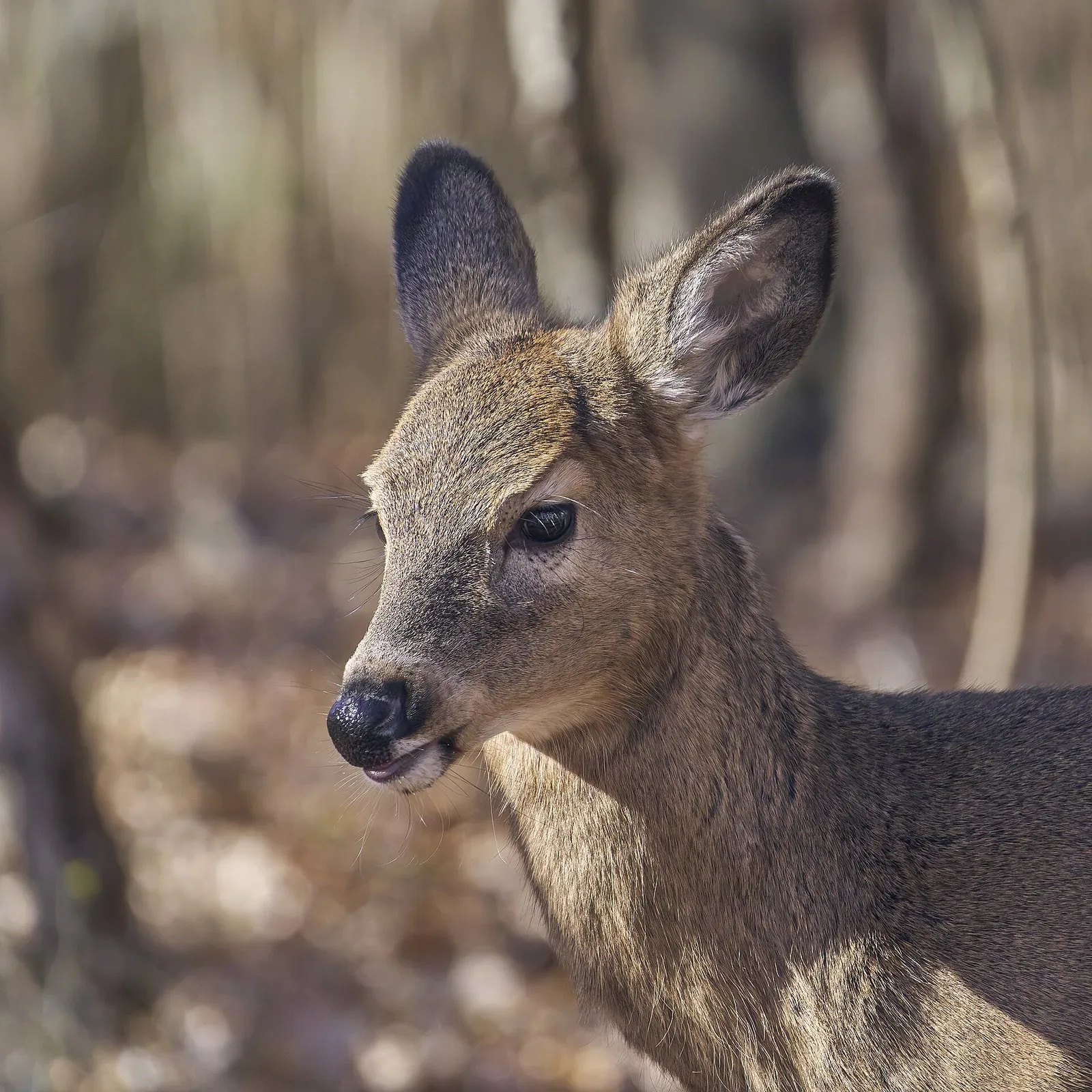
The core season structure holds for 2026, with the Wisconsin DNR maintaining the same general framework hunters have come to expect. Here's the full breakdown per the DNR:
| Season | Dates |
|---|---|
| Archery and Crossbow | Sept. 12 – Jan. 3, 2027 |
| Archery/Crossbow (Metro subunits & extended counties) | Sept. 12 – Jan. 31, 2027 |
| Gun Hunt for Hunters with Disabilities | Oct. 3 – 11 (not statewide) |
| Youth/Disabled Gun Deer Hunt | Oct. 10 – 11 |
| Gun Deer Season | Nov. 21 – 29 |
| Gun in Metro Subunits only | Nov. 21 – Dec. 9 |
| Muzzleloader | Nov. 30 – Dec. 9 |
| Statewide Antlerless-Only Hunt | Dec. 10 – 13 |
| Antlerless-Only Holiday Hunt | Dec. 24 – Jan. 1, 2027 (select Farmland Zone counties only) |
According to the Wisconsin DNR, the archery/crossbow extension through January 31, 2027, applies to Metro subunits and select Farmland counties — check the DNR's county map to confirm whether your location qualifies.
The Youth Deer Hunt allows hunters under 16 to hunt deer with a gun in all Deer Management Units except state parks and non-quota units. A gun deer hunting license is required if hunting with a firearm.
The Antlerless-Only Holiday Hunt is not statewide. It's open only in select DMUs — check page 12 of the combined hunting regulations or the DNR's regulations page for the valid counties.
Key Point: All dates are subject to change through rulemaking or a legislative process. Always verify against the current Wisconsin Hunting Regulations before you head out.
Antlerless Harvest Authorizationsedit
Bonus antlerless harvest authorizations go on sale starting August 18 through the Go Wild app or any license sale location, on a first-come, first-served basis. Per the DNR, pricing is:
| Hunter Type | Price per Authorization |
|---|---|
| Resident | $12 |
| Nonresident | $20 |
| Youth (under 12) | $5 |
These authorizations can be filled with any legal weapon during the appropriate season, but they must be filled in the zone, unit, and land type (public or private) designated on each authorization.
For Farmland Zone hunters, one to five additional Farmland antlerless harvest authorizations are included with each deer hunting license depending on your unit of choice — this was noted by the DNR for 2025 and the 2026 structure follows the same framework.
The CWD Baiting and Feeding Situation — The Biggest Practical Changeedit
This is where things get complicated fast, and this is the part you need to check before every season.
As of November 14, 2025, baiting deer was prohibited in 60 of Wisconsin's 72 counties and legal in only 12, according to the DNR via the Milwaukee Journal Sentinel. That ratio has been shifting in the wrong direction for hunters who prefer to bait, and new positives keep pushing it further.
Early in 2026, the DNR confirmed a new CWD case in La Crosse County, which triggered a new deer baiting and feeding ban effective at the start of 2026, according to reporting from MIX 108.
What the law actually says: Under Wis. Stat. 29.336, the DNR is required to enact a baiting and feeding ban in any county within 10 miles of a captive or free-roaming deer that tests positive for CWD or Bovine Tuberculosis. Per the Vernon Reporter and CWD-Info.org:
- A three-year ban kicks in for any county where a wild or farm-raised deer tests positive within the county.
- A two-year ban applies to adjacent counties when the positive detection is within 10 miles of the county line.
- If additional CWD cases are confirmed during an active ban, the clock resets — extending the ban for another two to three years.
This reset provision is why so many counties can't get out from under a ban. One new positive in a county that was almost clear, and the clock starts over.
In counties where baiting is not banned, it's still restricted. Per CWD-Info.org, individual hunters may place only 2 gallons of bait per 40 acres of land, and no bait site may be within 100 yards of another established bait site.
There is one carve-out for feeding: In counties under a baiting and feeding ban, you can still feed birds and small mammals — but the feeder must be within 50 yards of a human dwelling and designed or placed at a sufficient height to prevent deer access, per the Vernon Reporter.
The Law: Wis. Stat. 29.336 directs the DNR to impose baiting and feeding bans county by county based on confirmed CWD or TB positives. Bans are not discretionary — when a positive is confirmed, the ban follows automatically.
Baiting and feeding bans will renew with each new wild or captive positive CWD result, and the DNR's baiting and feeding page is updated as soon as changes become regulatory. Check it before every hunt — not just once at the start of the season.
CWD Testing: What Hunters Need to Knowedit
Wisconsin has been monitoring wild white-tailed deer for CWD since 1999. The first positives were detected in 2002. As of data reported by CWD-Info.org (accurate through April 2023), 33 of Wisconsin's 72 counties have had CWD detected in the wild deer herd, with over 8,100 wild deer testing positive statewide since monitoring began. The majority of detections are concentrated in the Southern Farmland Zone.
Testing is free for hunters and is not required, but the DNR strongly recommends it — particularly if you're hunting in a priority area. The DNR's CWD sampling page has a map of testing locations.
If your deer tests positive, the DNR will issue a replacement harvest authorization to your Go Wild account within two to four days:
| Original Authorization Type | Replacement Issued |
|---|---|
| Antlered harvest authorization | Replacement antlered authorization (valid statewide) |
| Antlerless harvest authorization | Either-sex replacement for the same DMU and land type |
Replacement authorizations are not weapon-specific and are valid for the remainder of the current season and through next year's seasons (starting September 2026), per the DNR.
The DNR notes that there have been no reported cases of CWD infection in humans to date. Public health officials recommend against consuming venison from CWD-positive deer.
Carcass Movement Restrictionsedit
If you harvest a deer in a CWD-affected county — or bring a carcass in from another state where CWD has been detected — you need to know the movement rules. Per CWD-Info.org:
The movement of whole wild-deer carcasses and certain parts from a CWD-affected county is restricted. Carcasses can generally only be moved within the affected county and an adjacent county. However, hunters may bring whole carcasses or parts harvested in CWD-affected counties (or from any state where CWD has been found) into Wisconsin, provided the carcass or non-exempt parts are delivered to a licensed taxidermist or meat processor within 72 hours of registering a Wisconsin deer, or within 72 hours of entering Wisconsin from another state.
The following parts are exempt from carcass movement restrictions:
- Meat that is cut and wrapped (commercially or privately)
- Quarters or other meat portions with no part of the spinal column attached
- Deboned meat
- Hides with no head attached
- Finished taxidermy heads
- Antlers with no tissue attached
- Clean skull plates with no lymphoid or brain tissue attached
- Clean skulls with no lymphoid or brain tissue attached
- Upper canine teeth (buglers, whistlers, or ivories)
2026 Bear Seasonedit
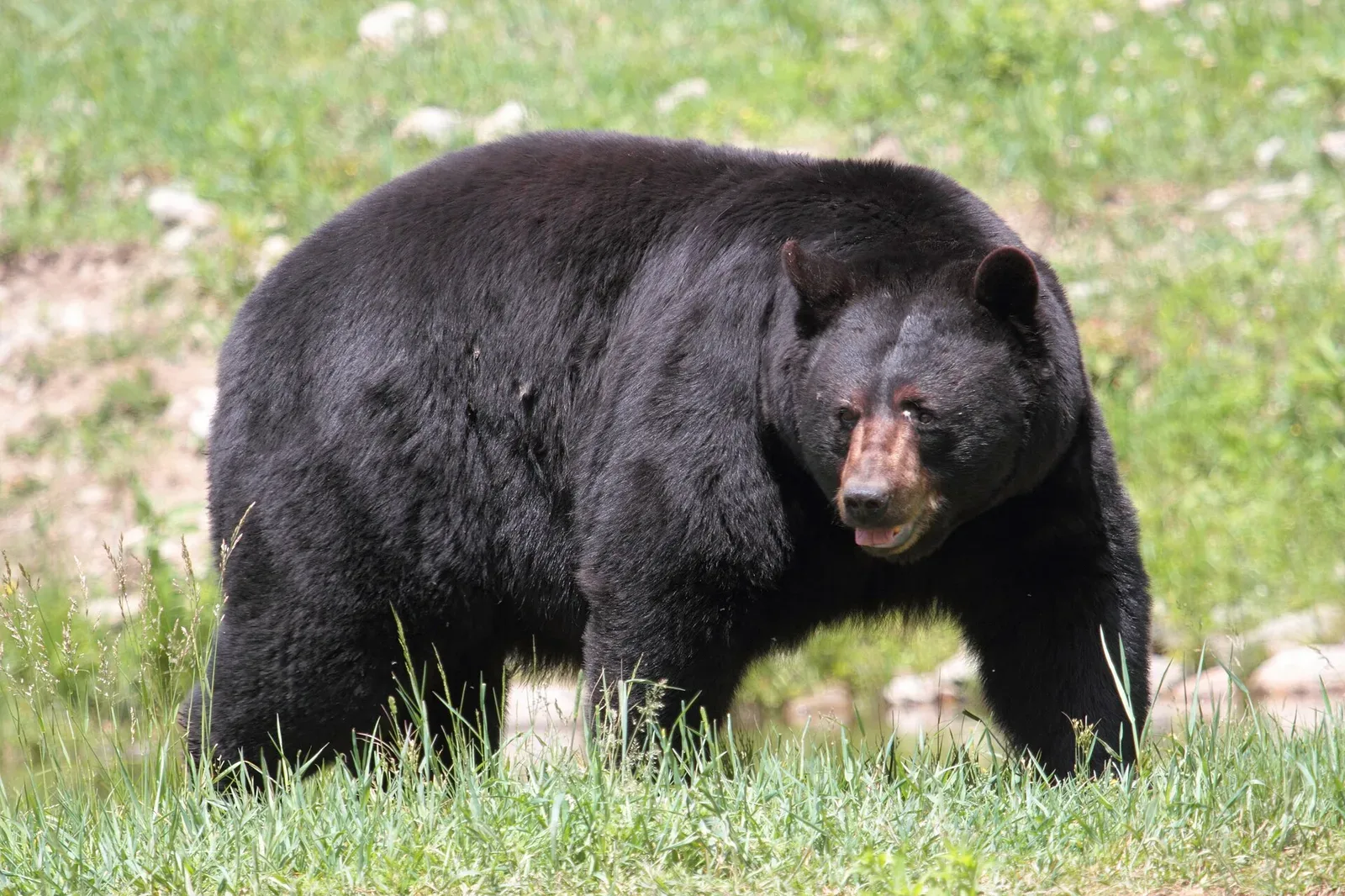
The bear application deadline is always December 10, the year before the season. For 2026, the DNR has structured bear seasons around management zones based on whether dogs are permitted:
| Zone | Method | Dates |
|---|---|---|
| Zones A, B, D (dogs permitted) | Bait and all legal methods, no dogs | Sept. 9 – 15 |
| Zones A, B, D (dogs permitted) | Dogs, bait, and all legal methods | Sept. 16 – Oct. 6 |
| Zones A, B, D (dogs permitted) | Dogs only, no other methods | Oct. 7 – 13 |
| Zones C, E, F (no dogs) | Bait and all legal methods, no dogs | Sept. 9 – Oct. 13 |
2026 Turkey Seasonedit
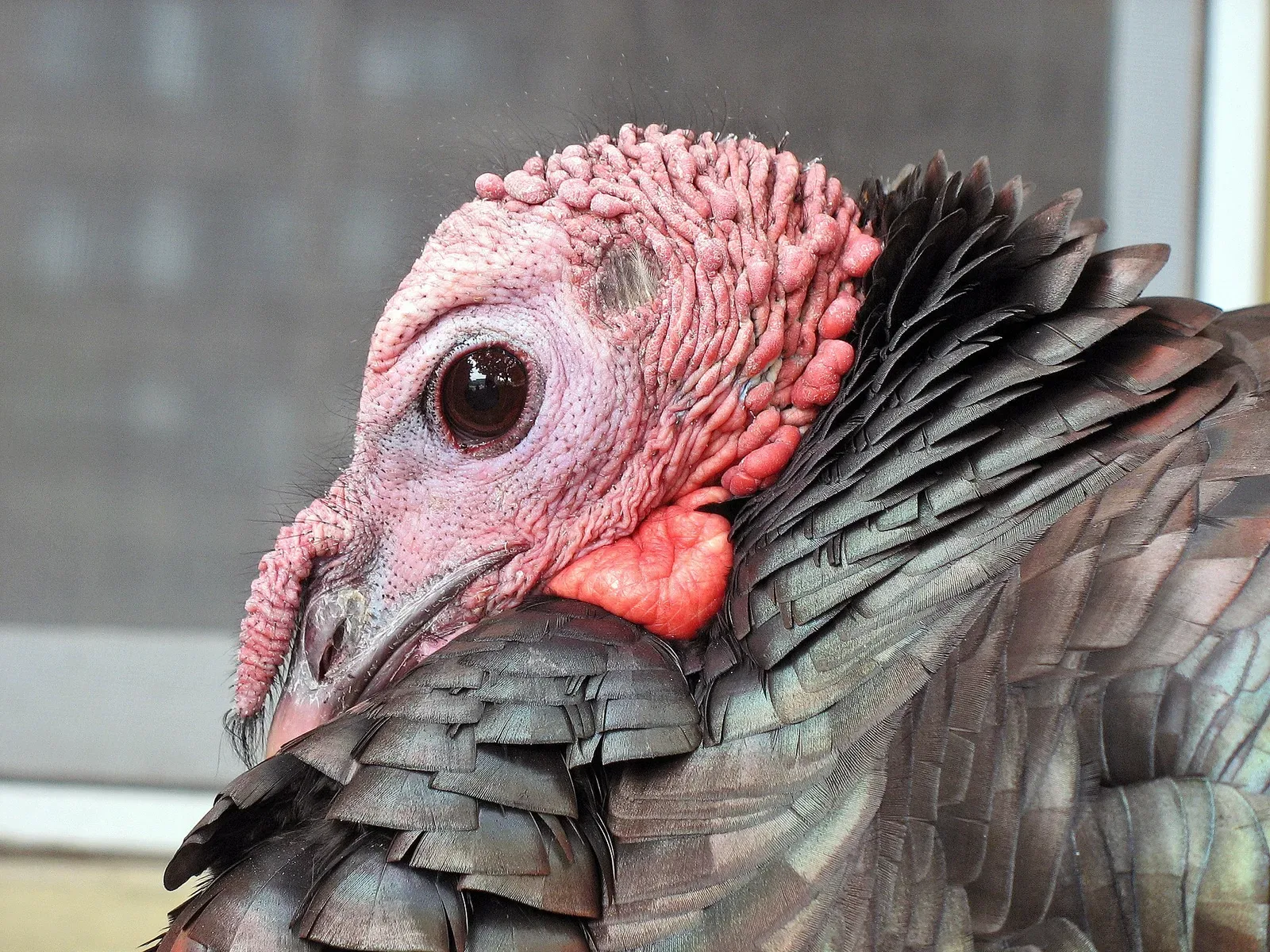
The spring turkey harvest authorization application deadline is always December 10. For 2026, the DNR has laid out a youth weekend followed by six hunting periods:
| Period | Dates |
|---|---|
| Youth Hunt | April 11 – 12 |
| Period A | April 15 – 21 |
| Period B | April 22 – 28 |
| Period C | April 29 – May 5 |
| Period D | May 6 – 12 |
| Period E | May 13 – 19 |
| Period F | May 20 – 26 |
Fall turkey season runs statewide from September 12 through January 3, 2027 — the same dates as the statewide archery and crossbow deer season.
2026 Small Game and Other Game Birdsedit
Per the Wisconsin DNR season dates page:
| Species | Zone/Notes | 2026 Dates |
|---|---|---|
| Pheasant | Statewide | Oct. 17 (9 a.m.) – Jan. 3, 2027 |
| Ruffed Grouse | Zone A | Sept. 12 – Jan. 3, 2027 |
| Ruffed Grouse | Zone B | Oct. 17 – Dec. 8 |
| Crow | Statewide | Nov. 21 – March 24, 2027 |
| Hungarian Partridge | Statewide (closed in Clark, Marathon, Taylor counties) | Oct. 17 (9 a.m.) – Jan. 3, 2027 |
| Sharp-tailed Grouse | Zone-specific permits | Oct. 17 – Nov. 8 (if season is open) |
| Bobwhite Quail | Statewide | Oct. 17 (9 a.m.) – Dec. 9 |
| Cottontail Rabbit | Northern zone | Sept. 12 – Feb. 28, 2027 |
| Cottontail Rabbit | Southern zone | Oct. 17 (9 a.m.) – Feb. 28, 2027 |
| Cottontail Rabbit | Milwaukee County | Year-round |
| Squirrels (gray and fox) | Statewide | Sept. 12 – Feb. 28, 2027 |
Hunting protected species including badgers, jackrabbits, moose, and flying squirrels is prohibited.
2026 Migratory Bird Seasonsedit
Several 2026 migratory bird season dates won't be finalized until April, as they're determined by federal frameworks. Confirmed dates per the DNR:
| Species | Dates |
|---|---|
| Early Goose | Sept. 1 – 15 |
| Mourning Dove | Sept. 1 – Nov. 29 |
| Woodcock | Sept. 19 – Nov. 2 |
Early Teal, Rail, Snipe, Common Gallinule, Youth Waterfowl, and all duck and goose zone dates are listed as TBD — available in April 2026 from the DNR.
2026 Furbearer Seasonsedit
| Species | Season Type | Dates |
|---|---|---|
| Coyote | Hunting | Year-round |
| Coyote | Trapping | Oct. 17 – Feb. 15, 2027 |
| Fox (red and gray) | Hunting and Trapping | Oct. 17 – Feb. 15, 2027 |
| Bobcat | Hunting and Trapping | Period 1: Oct. 17 – Dec. 25; Period 2: Dec. 26 – Jan. 31, 2027 |
| Raccoon | Hunting and Trapping (Resident) | Oct. 17 – Feb. 15, 2027 |
| Raccoon | Hunting and Trapping (Nonresident) | Oct. 31 – Feb. 15, 2027 |
The application deadline for bobcat and fisher permits is always August 1. An otter application is no longer required for the season, per the DNR.
Wolf season dates are listed on the DNR page but no open dates are specified in the source material — check the DNR directly for current wolf hunting and trapping status.
Licensing and Registrationedit
Wisconsin licenses and harvest registrations are handled through the Go Wild system. Hunters can purchase deer licenses and bonus authorizations through the Go Wild app or at license sale locations statewide.
Harvest registration is required and must be completed by 5 p.m. the day after the deer carcass is recovered, via the GameReg system.
Licensing note for private land: Per HuntWise, Wisconsin does not allow hunting on your own land without a license in most circumstances. Some limited exceptions exist for certain small game or agricultural damage situations, but land ownership does not replace licensing requirements.
Active service members: Wisconsin law extends specific permit and licensure privileges to active members of the U.S. Armed Forces — details are on the DNR's military hunting privileges page.
Mentored hunting: Anyone can obtain a mentored-only hunting license and hunt without first completing a hunter education course, provided they're accompanied by a licensed hunter within arm's reach.
Safety and Local Consumption Advisoriesedit
Blaze orange requirements: At least 50% of each hunter's clothing above the waist must be blaze orange or pink any time a firearm deer season is in progress, and any head covering must be at least 50% blaze orange or pink, per the DNR.
PFAS advisories: Hunters who hunt in the Town of Stella (Oneida County) and near the city of Marinette (Marinette County) should be aware of local PFAS-based consumption advisories for harvested deer. The DNR's Safely Eating Venison page has the details.
What changed in 2026 — the short version:
What changed: The season dates shifted by one day across most species compared to 2025 (October 18 opener became October 17, for example), consistent with annual calendar adjustments. The more significant practical change is the continued expansion of CWD baiting bans — now covering 60 of 72 counties as of late 2025, with La Crosse County added at the start of 2026. If you hunted a county that was legal to bait last year, verify its status now before you make any plans.
Resourcesedit
- Wisconsin DNR – Season Dates and Application Deadlines
- Wisconsin DNR – Deer Hunting
- Wisconsin DNR – Baiting and Feeding Regulations
- CWD-Info.org – Wisconsin CWD Regulations
- Vernon Reporter – Wisconsin DNR CWD and Hunting
- MIX 108 – La Crosse County CWD Baiting Ban 2026
- HuntWise – Guide to Wisconsin Hunting Seasons 2026
Last Updated: April 03, 2026
- Ace Hardware of Sandusky(Sandusky, MI)
- New Philly Sportsman Specialities(New Philadelphia, OH)
- Atwoods Ranch & Home #46(LACY LAKEVIEW, TX)
- G & P Distributors(McConnellsburg, PA)
This is not legal advice
This guide provides general information about federal and state firearms laws based on publicly available statutes. Laws change frequently and vary significantly by state. Always verify current laws in your jurisdiction. Consult a qualified attorney for legal advice on your specific situation. When in doubt, contact local law enforcement or state police.
Loading comments...