Organization Info
SAF
Second Amendment Foundation

| Overview | |
|---|---|
Founded | 1974 |
Headquarters | Bellevue, WA |
Disciplines | Second Amendment litigation and education |
Membership | |
Cost | varies by tier; basic membership available |
Links | |
| www.saf.org | |
Second Amendment Foundation (SAF)
Reference article
From The Boise Gun Club Handbook
The Second Amendment Foundation (SAF) is a Bellevue, Washington-based nonprofit dedicated to gun rights litigation, education, and public outreach. Founded in 1974, it has grown into one of the more active Second Amendment legal organizations in the country -- measured not by press releases but by courtroom filings.
As of 2023, SAF reported approximately 720,000 members and annual revenue of $9.08 million against $7.82 million in expenses.
History & Foundingedit
Origins and Early Development
Alan M. Gottlieb founded SAF in 1974, three years after he had already established the Citizens Committee for the Right to Keep and Bear Arms (CCRKBA). His stated reason at the time was straightforward: defend firearms freedom through the courts, one lawsuit at a time.
The organization is headquartered at 12500 Northeast 10th Place, Bellevue, Washington.
| Key Dates | Event |
|---|---|
| 1971 | Citizens Committee for the Right to Keep and Bear Arms (CCRKBA) founded |
| 1974 | Second Amendment Foundation (SAF) founded |
| 2008 | McDonald v. Chicago filed same day as Heller decision |
| 2010 | Supreme Court rules in favor of SAF in McDonald case |
The CCRKBA was itself born out of frustration -- specifically, a segment of gun owners who felt the National Rifle Association (NRA) wasn't pushing hard enough on Second Amendment issues in the early 1970s. SAF was Gottlieb's follow-on vehicle for the legal heavy lifting that lobbying alone couldn't accomplish.
The Post-Heller Transformation
For most of its first three decades, SAF operated in relative obscurity outside dedicated gun rights circles. That changed significantly after the Supreme Court's 2008 ruling in District of Columbia v. Heller, which affirmed an individual right to keep and bear arms.
SAF moved fast on the ruling's implications and filed McDonald v. City of Chicago the same day Heller came down -- June 26, 2008.
Key milestones in SAF's 50-year history
Mission & Purposeedit
SAF describes its mission as promoting understanding of the constitutional right to privately own and possess firearms, and defending that right through litigation, education, and media outreach. In practice, the litigation side dominates. SAF publishes gun rights periodicals, maintains a radio presence in the Pacific Northwest, and funds academic work -- but the lawsuits are what drive its national profile.
SAF operates as a 501(c)(3) nonprofit, which means it can accept tax-deductible donations but faces restrictions on direct political lobbying — a key structural distinction from its sister organization CCRKBA.
Programs & Competitionsedit
SAF does not run shooting competitions or range programs in the traditional sense. It isn't USPSA or 3-Gun Nation -- if you're looking for match sponsors, this isn't that organization.
Core Legal Programs
What SAF does run programmatically:
- Legal Action Program -- The core operation with 57 active cases as of 2024
- Gun Rights Policy Conference (GRPC) -- Annual conference held since 1986
- State Law Preemption Project -- Enforcing and expanding preemption laws
- Red Flag Law Challenges -- Dedicated ERPO litigation track
- Investigative Journalism Project -- Funding independent gun rights reporting
- Doctors for Responsible Gun Ownership (DRGO) -- Medical professional network
- Legal Community Outreach -- Resources for Second Amendment attorneys
| Program | Focus | Status |
|---|---|---|
| Legal Action Program | Second Amendment litigation | 57 active cases (2024) |
| Gun Rights Policy Conference | Annual advocacy conference | 40th edition in 2025 |
| State Law Preemption Project | Municipal gun law challenges | Ongoing |
| Red Flag Law Challenges | ERPO constitutional challenges | Active track |
| DRGO | Medical community outreach | SAF project since 2016 |
The Legal Action Program is the core operation. SAF files, funds, and coordinates Second Amendment litigation across the country. As of 2024, it reported 57 active cases simultaneously in courts nationwide. Over its full history, the number exceeds 260 cases.
The Gun Rights Policy Conference (GRPC) is an annual conference held since 1986. The 2025 edition was the 40th annual GRPC. It brings together attorneys, scholars, advocates, and media figures focused on Second Amendment policy. SAF presents its annual awards at the GRPC.
The State Law Preemption Project is focused on enforcing and expanding state preemption laws that prevent municipalities from passing gun ordinances stricter than state law.
Red Flag Law Challenges represent a dedicated litigation track targeting extreme risk protection orders (ERPOs) on constitutional grounds.
The Investigative Journalism Project funds independent reporting on gun rights topics.
Doctors for Responsible Gun Ownership (DRGO) is a network of physicians and health professionals who push back on anti-gun narratives in medical literature. Originally founded in 1993 as a project of the Claremont Institute, DRGO became a SAF project by 2016.
Legal Community Outreach provides resources for attorneys handling Second Amendment cases and accepts case submissions from prospective plaintiffs.
Publications and Media
| Publication | Frequency | Focus |
|---|---|---|
| The Gun Mag | Monthly | General firearms content |
| Women & Guns | Bi-monthly | Female gun owner focus |
| The Gottlieb-Tartaro Report | Monthly | Newsletter format |
| SAF Reporter | Quarterly | Organization updates |
| Journal of Firearms and Public Policy | Annual | Academic/policy focus |
Publications SAF produces include The Gun Mag (monthly), Women & Guns (bi-monthly), The Gottlieb-Tartaro Report (monthly newsletter), SAF Reporter (quarterly), and the Journal of Firearms and Public Policy (annual).
SAF and CCRKBA also own a cluster of business talk radio stations in the Pacific Northwest -- KBNP Portland, KGTK Olympia, KITZ Silverdale, and KSBN Spokane.
Membership & Benefitsedit
SAF membership is structured primarily as a donor relationship rather than a club membership with range privileges or match discounts. Members support the litigation fund and receive publications and updates on active cases.
Membership tiers vary -- basic membership runs at the lower end of gun rights org pricing, with higher giving levels recognized on SAF's Wall of Honor and through its Planned Giving and Donor Advised Fund (DAF) programs for larger contributors. Corporate partner arrangements exist for businesses that want to align with SAF's work.
What you don't get as a member: match fees, range discounts, or competitive certifications. SAF's value to members is the legal work it funds on their behalf -- the idea being that a favorable court ruling benefits all gun owners regardless of who holds a membership card.
Notable Achievementsedit
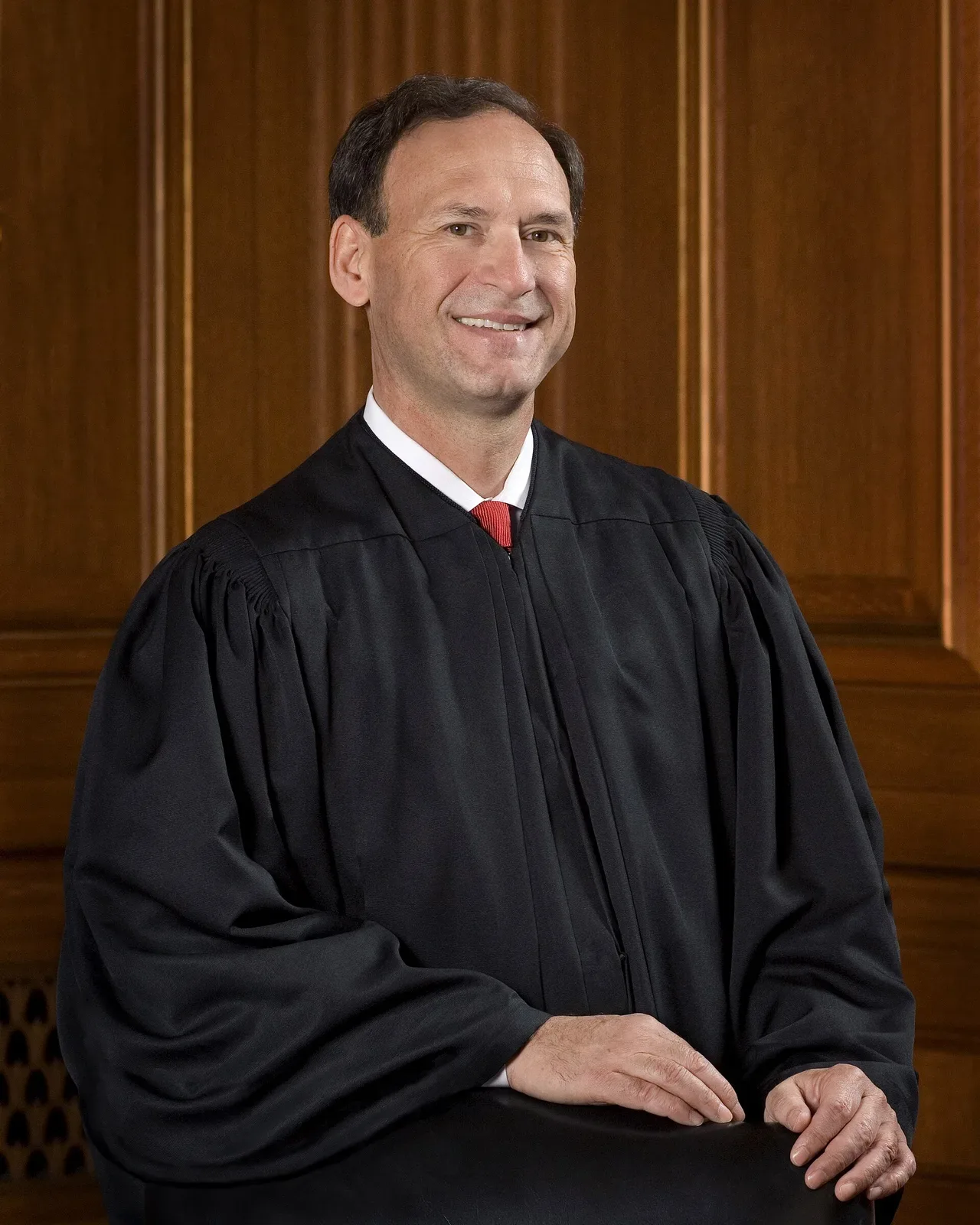
The McDonald Victory
The headline is McDonald v. City of Chicago. After the Supreme Court's Heller decision confirmed an individual right to keep and bear arms under the Second Amendment, the question immediately became whether that right applied only at the federal level or whether states and cities had to honor it too.
SAF filed McDonald v. Chicago the same day Heller was decided. Two years later, the Supreme Court ruled that the Second Amendment applies to states and cities through the Fourteenth Amendment.
On June 28, 2010, the Supreme Court ruled in McDonald that the Second Amendment is incorporated against the states through the Fourteenth Amendment's Due Process Clause. Alan Gura, who had argued Heller, served as lead counsel for McDonald as well.
Other Significant Cases
Other cases worth noting:
- 2005: NRA v. Nagin -- SAF and the NRA successfully stopped New Orleans from seizing firearms in the aftermath of Hurricane Katrina. The city was later held in contempt for violating the consent order.
- 2005-2008: San Francisco Handgun Ban -- SAF challenged San Francisco's citywide handgun ban. San Francisco Superior Court struck it down in 2006; the ruling survived appeals through the California Court of Appeal and was ultimately upheld by the California Supreme Court in 2008.
- 2008: Washington Alien Firearms Licenses -- SAF and NRA forced Washington State to resume issuing and renewing Alien Firearms Licenses to legal resident aliens after the state had stopped.
- 2010: Bateman v. Perdue -- Filed the day after McDonald, this North Carolina case challenged laws allowing officials to ban firearms during declared states of emergency. Alan Gura served as lead counsel again.
Post-Bruen Litigation
Following the Supreme Court's 2022 New York State Rifle & Pistol Association v. Bruen decision, which established a history-and-tradition test for Second Amendment cases, SAF has been aggressive in filing challenges to assault weapon bans, carry restrictions, and other regulations across multiple circuits.
SAF also partnered with Smith & Wesson after Heller to produce a limited commemorative revolver presented to the six plaintiffs in that case -- a small piece of trivia that comes up in collector circles occasionally.
Structure & Governanceedit
Leadership Team
SAF operates with a relatively lean staff -- 16 employees were reported in 2011, and the organization has not publicized significant expansion of that headcount. Massad Ayoob, a well-known firearms instructor and author, serves as President. Alan M. Gottlieb holds the title of Founder and Executive Vice President. Adam Kraut serves as Executive Director, handling day-to-day operations.
A Board of Trustees provides organizational oversight.
| Position | Name | Role |
|---|---|---|
| Founder & Executive VP | Alan M. Gottlieb | Strategic leadership |
| President | Massad Ayoob | Organizational oversight |
| Executive Director | Adam Kraut | Day-to-day operations |
| Staff Count | 16 employees | (as of 2011) |
Financial Overview
SAF files annual financial disclosures consistent with its 501(c)(3) status. The organization's Tax ID is 91-6184167.
| Financial Metric | 2023 | 2019 |
|---|---|---|
| Annual Revenue | $9.08 million | — |
| Annual Expenses | $7.82 million | — |
| Budget | — | $4.3 million |
| Membership | ~720,000 | — |
| Tax ID | 91-6184167 | 91-6184167 |
The annual GRPC doubles as a public-facing governance and recognition event, where SAF presents awards including the Golden Bowtie Award (significant contributions of time, talent, and money to SAF), Defender of Liberty, Bill of Rights, Scholar of the Year, and Journalist of the Year.
SAF organizational structure and relationship to CCRKBA
Relationship to Other Organizationsedit
SAF's closest relationship is with the Citizens Committee for the Right to Keep and Bear Arms (CCRKBA), its sister organization. Gottlieb founded both. CCRKBA handles more of the political advocacy and lobbying work; SAF handles the 501(c)(3)-appropriate litigation and education side. The two organizations share membership rosters -- combined membership was reported at over 650,000 as of January 2015, reaching approximately 720,000 by 2023.
SAF has worked alongside the NRA on specific cases -- most notably the post-Katrina gun seizure lawsuit and the Washington state alien firearms license case. However, the two organizations are independent, and SAF was partly born from a constituency that felt the NRA wasn't aggressive enough. The relationship is collaborative when interests align, competitive for donor dollars otherwise.
SAF's relationship with the Firearms Policy Coalition (FPC) is more complicated -- both organizations are actively litigating Second Amendment cases post-Bruen, sometimes on parallel tracks in the same circuits. They occasionally coordinate, occasionally compete for plaintiff pools, and both have claimed credit for favorable circuit decisions.
Gottlieb generated some internal controversy in 2013 when, in his capacity as CCRKBA chair, he publicly supported the Manchin-Toomey background check amendment -- which would have expanded background checks to gun shows and internet sales. He later withdrew his support after the bill failed to secure certain protections he said he had been promised. The episode fractured some donor relationships and drew criticism from harder-line gun rights advocates who saw it as a negotiating posture in the wrong direction.
The BGC Takeedit
SAF isn't a range organization and it's not trying to be. If you're evaluating it as a membership compared to, say, a USPSA or IDPA membership, you're comparing the wrong things. What SAF actually sells is a seat at the litigation table -- your membership dollars go into a fund that pays attorneys to fight cases that, when they win, benefit every gun owner in the jurisdiction whether they're a member or not.
The honest case for joining: McDonald v. Chicago is probably the most consequential Second Amendment legal victory of the last fifty years, and SAF was the organization that filed it the same day Heller came down. That's not nothing.
If you believe the long game on gun rights runs through the courts -- and post-Bruen, there's a solid argument it does -- then SAF is one of the more active players funding that fight. Their case volume is real: 260-plus cases over fifty years, 57 active simultaneously as of 2024, spread across multiple circuits.
The honest case for skepticism: SAF's litigation strategy has mixed results. Some cases win, some get reversed en banc, some petitions for certiorari get denied. The Manchin-Toomey episode is worth knowing about if organizational consistency matters to you. And Gottlieb's dual role as founder and effective operational authority -- alongside his earlier tax evasion conviction in 1984, for which he served time and paid restitution -- is part of the public record that donors should weigh for themselves.
Who benefits most from SAF membership: Gun owners in heavily regulated states who want someone actually filing cases against the laws they're living under, and donors who want to support constitutional litigation rather than lobbying.
If your state is relatively permissive and you're mainly looking for competitive shooting infrastructure or hunter education programs, your money probably works harder somewhere else.
Bottom line: SAF does what it says it does. The legal work is real, the track record includes genuine landmark wins, and the current litigation docket is active.
Whether you agree with every strategic call Gottlieb's organization has made is a separate question from whether the organization is functional and pursuing its stated mission.
Referencesedit
- Second Amendment Foundation. "SAF Announces 2025 Award Winners." saf.org, October 6, 2025. https://saf.org/saf-announces-2025-award-winners/
- Second Amendment Foundation. "SAF Celebrates 50 Years, Unveils Anniversary Logo." saf.org, 2024. https://saf.org/saf-celebrates-50-years-unveils-anniversary-logo/
- Second Amendment Foundation. "SAF Celebrates 49 Years of Challenging, Defeating Gun Control." saf.org, 2023. https://saf.org/saf-celebrates-49-years-of-challenging-defeating-gun-control/
- "Second Amendment Foundation." Wikipedia. https://en.wikipedia.org/wiki/Second_Amendment_Foundation
- McDonald v. City of Chicago, 561 U.S. 742 (2010).
- District of Columbia v. Heller, 554 U.S. 570 (2008).
- National Rifle Association of America, Inc., et al. v. C. Ray Nagin et al. (E.D. La. 2005).
- SAF 2024 Q1 Reporter. saf.org. https://saf.org/wp-content/uploads/2024/06/2024-Q1-Reporter_v1-1-1.pdf
Last Updated: February 24, 2026
- Quail Creek Plantation(Okeechobee, FL)
- 2aHawaii(Honolulu, HI)
- Boston Firearms(Everett, MA)
- Safeshoot(Kingston, NY)
Loading comments...