Quick Reference
Essential Gear for Range Days

Foam, formable, and pre-formed earplugs represent the three main earplug categories — each with different insertion methods and comfort profiles for range use.
Your Best Digs (CC BY 2.0)
| Time & Effort | |
|---|---|
Read Time | 9 min read |
Equipment Needed | |
| |
Safety | |
| |
Key Takeaways | |
| |
Essential Gear for Range Days
must-have equipment for successful shooting sessions
From The Boise Gun Club Handbook
You need four things to shoot—eye protection, ear protection, ammunition, and your firearm. Everything else just makes the day more comfortable, but these four will get you on the trigger.
- The basics: Firearm, ammo, eyes, ears—that's your minimum viable range trip
- The extras: Everything else improves comfort but won't make you a better shooter
- The trap: Don't become the guy with $200 worth of accessories and no trigger time
Look, I've seen people show up with $3,000 worth of gun and forget eye protection. Don't be that person. I've also seen new shooters haul half of Cabela's in a massive bag for simple practice. Also don't be that person.
Safety Gear That's Not Optionaledit
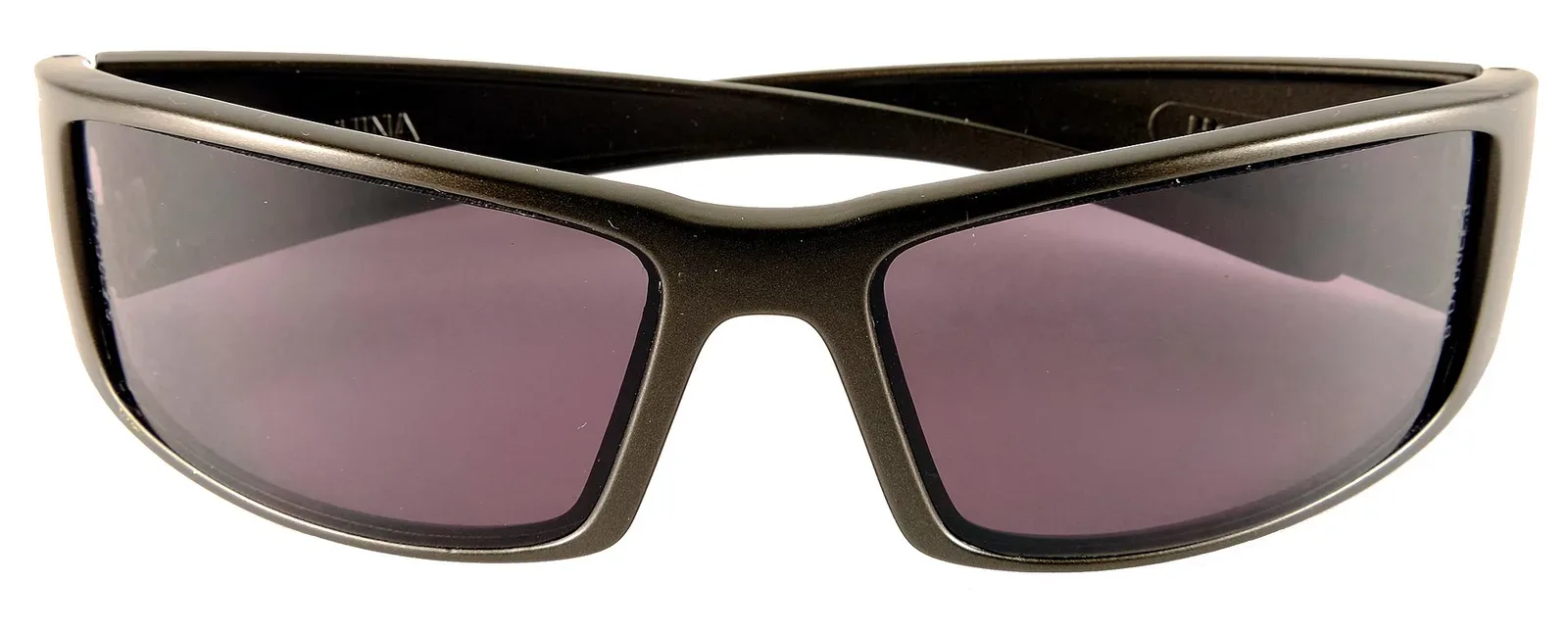
Eye Protection Standards
Eye protection saves your shooting career. Brass casings eject hot, fragments happen, and Idaho wind kicks up dust that'll make you blink at the worst moment. Regular sunglasses won't cut it—you need impact-rated protection that wraps around.
Look for ANSI Z87.1 rating minimum. You'll see "Z87+" stamped on decent frames. I keep three pairs in my range bag: clear for indoor or overcast days, yellow for cloudy outdoor sessions, and dark polarized for bright Idaho summers.
| Protection Type | Minimum Rating | Indoor Use | Outdoor Use | Cost Range |
|---|---|---|---|---|
| Clear Safety Glasses | ANSI Z87.1+ | ✓ | Overcast days | $5-15 |
| Yellow Tinted | ANSI Z87.1+ | Limited | Cloudy conditions | $8-20 |
| Polarized Dark | ANSI Z87.1+ | ✗ | Bright sunlight | $15-40 |
Cheap safety glasses from Home Depot work fine starting out. Once you're shooting regularly, upgrade to something that fits better and doesn't fog up every time you breathe.
Hearing Protection Strategy
Ear protection is permanent—hearing damage doesn't heal. Indoor ranges will damage your hearing in seconds without protection. Outdoor ranges are only marginally better, especially with magnum calibers or when someone brings their compensated whatever next to you.
Foam plugs give about 30dB reduction if you insert them right. Most people don't. Roll them thin, pull your ear up and back, insert deep, hold until they expand. Earmuffs are easier to use correctly—look for NRR of 22 or higher.
| Hearing Protection | NRR Rating | Ease of Use | Best Application | Approximate Cost |
|---|---|---|---|---|
| Foam Plugs | ~30dB | Requires technique | Backup/doubling up | $0.25-1.00/pair |
| Silicone Plugs | ~25dB | Easy insertion | Swimming/comfort | $3-8/pair |
| Basic Earmuffs | 22-28dB | Very easy | General shooting | $15-30 |
| Electronic Muffs | 22-30dB | Easy + communication | Instruction/tactical | $50-200+ |
Hearing protection decision tree based on environment and caliber
Double up at indoor ranges or around big bores. Plugs under muffs gives maximum protection and could save your hearing permanently.
Ammunition Realityedit
Bring enough but not too much. For pistol practice, 100-200 rounds gives you a solid session without rushing or getting sloppy from fatigue. Rifle work typically runs 50-100 rounds unless you're doing serious precision work.
| Firearm Type | Typical Session | Heavy Practice | Precision Work |
|---|---|---|---|
| Pistol | 100-200 rounds | 300+ rounds | 50-100 rounds |
| Rifle | 50-100 rounds | 200+ rounds | 20-50 rounds |
| Rimfire | 200-500 rounds | 500+ rounds | 100-200 rounds |
For pistol practice, 100-200 rounds gives you a solid session without rushing or getting sloppy from fatigue.
Store ammo in original boxes or dedicated containers. Loose rounds rolling around your bag look amateur and sound annoying. Mark your ammo clearly if you shoot multiple calibers—mixing up .40 and 10mm is embarrassing at worst, dangerous at worst.
- Store ammo in original boxes or dedicated containers
- Mark ammunition clearly if shooting multiple calibers
- Buy from known manufacturers for reliability
- Check range rules for restrictions on steel case/core
- Indoor ranges typically more restrictive than outdoor
Most Idaho outdoor ranges are pretty relaxed. Indoor ranges get pickier about what damages their backstops.
The Stuff You Carry It All Inedit
A dedicated range bag keeps you organized and looking like you know what you're doing. Regular backpacks work temporarily, but purpose-built bags have compartments that actually make sense and handle gun oil without falling apart.
Range Bag Features
Good range bags include:
- Padded compartments for guns and optics that won't bruise
- Magazine pouches that actually hold magazines upright
- Separate pockets for eye and ear protection so they stay clean
- Easy-clean materials because carbon gets everywhere eventually
Size depends on what you shoot. Pistol-only shooters can get away with smaller bags. If you're bringing rifles or multiple guns, get something bigger or accept multiple trips to the truck.
Don't overthink this initially. A $30 soft case and canvas bag work fine until you know what you actually need through experience.
Magazines and Loadingedit
Bring more magazines than you think you need. Three to five magazines keep you shooting instead of constantly reloading during your limited range time.
- For pistols: 3-5 magazines lets you focus on shooting, not loading
- For rifles: Fewer magazines needed but they eat up bag space faster
- Loading by hand: Gets old fast with stiff springs and long sessions
| Firearm Type | Recommended Magazines | Loading Method | Typical Cost per Mag |
|---|---|---|---|
| Pistol | 3-5 magazines | Hand or Uplula loader | $15-40 |
| AR-15 | 2-3 magazines | Hand or stripper clips | $10-20 |
| AK Pattern | 2-3 magazines | Hand loading typical | $15-30 |
| Precision Rifle | 1-2 magazines | Hand loading sufficient | $30-80+ |
Loading magazines by hand gets old fast, especially with stiff springs. A magazine loader costs $15 and saves your thumbs during long sessions. The Uplula works for most pistols. Some shooters skip these initially, but most end up buying one eventually.
Mark your magazines somehow. When one starts malfunctioning, you need to know which one to replace. Magazines are wear items that eventually fail.
Targets and Standsedit
Many ranges provide target stands. Some don't. Call ahead or suffer the consequences of poor planning—I've watched people try to lean targets against rocks while everyone else waits.
Paper targets work fine—print your own or buy pre-made. Splatter targets show hits clearly without walking downrange constantly. Some BLM shooting areas require you to bring everything including target stands and cleanup bags.
What this means for you: Pack a stapler, tape, and extra mounting supplies. Idaho wind will test whatever system you bring, so have backups ready.
- Stapler and extra staples for paper targets
- Duct tape or masking tape for repairs
- Extra mounting supplies as backups
- Cleanup bags if required by range
- Weights or sandbags for windy conditions
Basic Maintenance Suppliesedit
Essential Field Kit
Bring enough to handle malfunctions and basic cleaning, but you don't need a full gunsmith setup for range day.
- Gun oil in a small bottle for lubrication issues
- Cleaning patches or microfiber cloth for quick wipe-downs
- Bore snake for fast barrel cleaning between strings
- Small brush like an old toothbrush for carbon buildup
- Multi-tool with basic screwdrivers for simple adjustments
Idaho dust gets into everything at outdoor ranges. Having enough supplies to clear a jam or wipe down your gun keeps you shooting instead of heading home early.
The Stuff People Forgetedit
Hydration and Health
Water matters more than you think. Idaho ranges get hot, and dehydration affects your shooting and judgment. Bring more than you think you need—your truck is usually farther away than it looks.
For pistol practice, 100-200 rounds gives you a solid session without rushing or getting sloppy from fatigue.
Basic first aid handles common range problems. Hot brass burns, new grips cause blisters, cuts happen from sharp edges. Keep band-aids, gauze, antiseptic wipes, and burn cream handy.
Documentation and Learning
A notebook tracks what works. Write down groups, note malfunctions, record zeros. You won't remember details later, and that data helps you improve faster than buying more gear.
Clothing That Won't Get You Hurtedit
Wear closed-toe shoes with decent traction. Ranges will turn away sandals, and hot brass finding bare skin teaches expensive lessons you won't forget.
Long pants protect from brass. Shorts work but expect some dancing when casings find skin. Avoid low-cut shirts—hot brass down your shirt makes people do stupid things while holding guns.
- Baseball caps for brass deflection and sun protection
- Avoid hoodie drawstrings and loose clothing
- Skip anything that can catch on ejection ports
- Consider shooting glasses retention straps
- Closed-toe shoes with good traction mandatory
What You Can Skip Initiallyedit
The shooting industry sells endless accessories. Most aren't necessary starting out—fancy shooting gloves unless you're shooting hundreds of rounds, shot timers until you're working on speed, multiple holsters if you're just doing marksmanship.
- Expensive tactical bags when basic function works
- Gadgets solving problems you don't have yet
- Multiple holsters for basic marksmanship practice
- Competition-grade accessories before fundamentals
- Instagram-worthy setups over practical gear
Focus on safety gear first, then add items as you identify actual needs through experience.
Your Pre-Range Checklistedit
Night Before Preparation
Before leaving home: firearms and ammunition in correct caliber with enough rounds, magazines loaded if legal or ammo to load at range, eye and ear protection that actually works.
Targets and mounting system, basic tools and cleaning supplies, water and snacks because hangry shooters shoot poorly. Range fees and valid ID—some ranges are picky about documentation.
Final Departure Check
Call first-time ranges ahead of your visit. Ask about rules, requirements, and whether they require safety briefings for new shooters.
Pre-range preparation workflow to ensure nothing critical is forgotten
The gear doesn't make you a better shooter—practice does. Start simple, shoot often, upgrade based on actual experience.
See Alsoedit
- Cash America Pawn(BRYAN, TX)
- R&R Sports & Outdoors(Brandon, FL)
- Bi-mart - Yakima (Fruitvale Ave)(Yakima, WA)
- New Philly Sportsman Specialities(New Philadelphia, OH)
Loading comments...