Quick Reference
Choosing Your First Rifle
The Model 700 in .30-06 Springfield — America's most popular hunting rifle platform, equally suited for long-range target shooting and field work.
Ragnhild Kjeldsen (CC BY-SA 4.0)
| Time & Effort | |
|---|---|
Read Time | 11 min read |
Safety | |
| |
Key Takeaways | |
| |
Related Topics | |
| |
Choosing Your First Rifle
navigating options for new shooters
From The Boise Gun Club Handbook
Your first rifle needs to do one job really well, not ten jobs poorly—and that starts with being honest about what you're actually going to do with it.
- Hunt elk in steep country? That's different from punching paper at 100 yards
- Varmint control on the farm? Different again from defensive use
- General plinking? Doesn't need the same features as precision target work
Most new rifle owners in Idaho fall into three camps: hunting big game, target shooting, or general-purpose use. I've seen too many people buy the wrong tool because they got caught up in marketing or let some guy at the gun counter talk them into his favorite setup.
What It's Actually Foredit
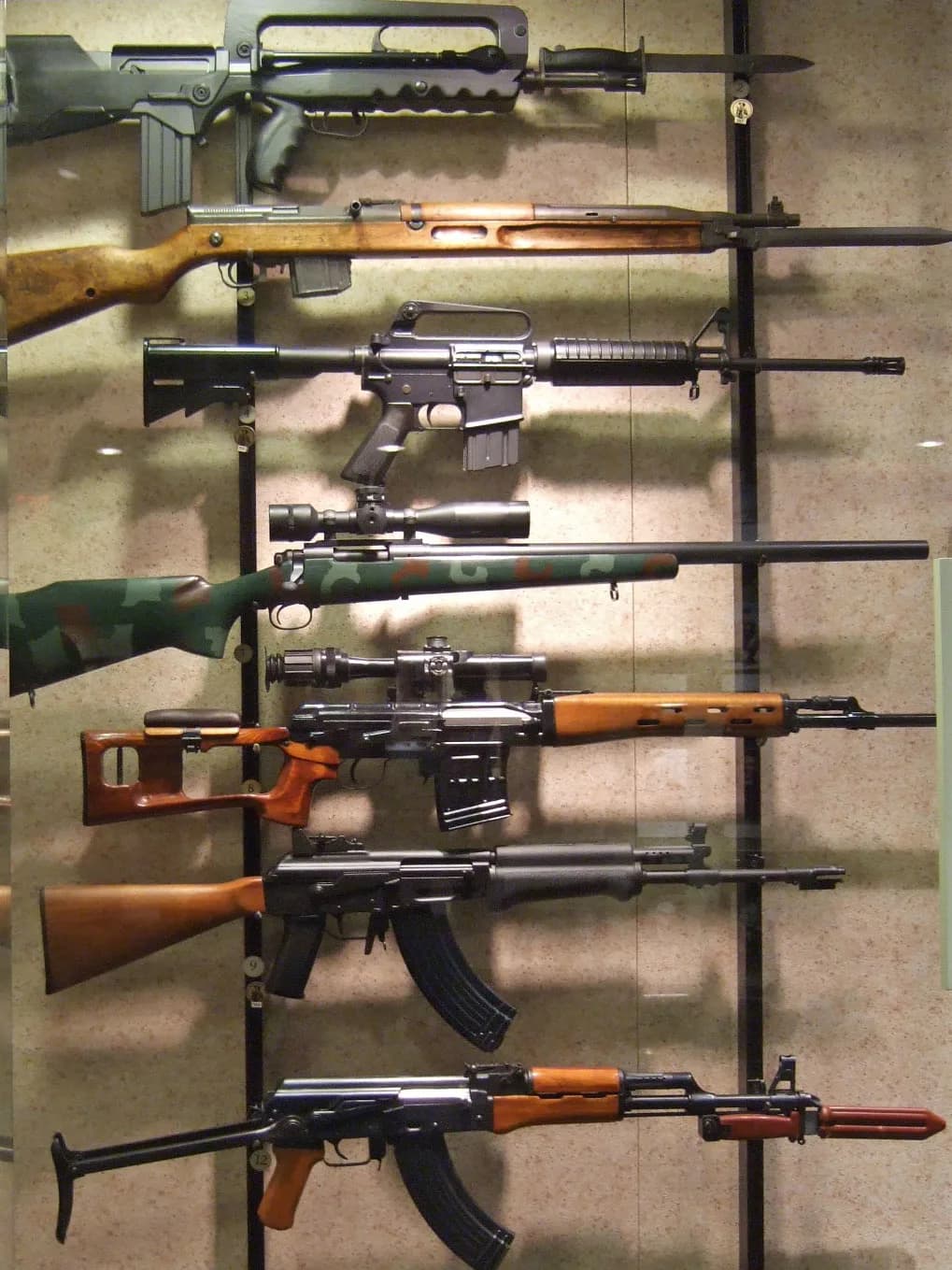
Hunting Requirements
If you're hunting deer and elk in Idaho, you need a centerfire rifle in a capable caliber—and our shots can stretch past 300 yards depending on where you hunt.
That means .243 Winchester at the minimum, though .270 Winchester, .308 Winchester, and .30-06 Springfield are better choices for our game. Bigger animals need sufficient bullet energy, and Idaho isn't exactly known for close-range timber hunting.
Target Shooting Needs
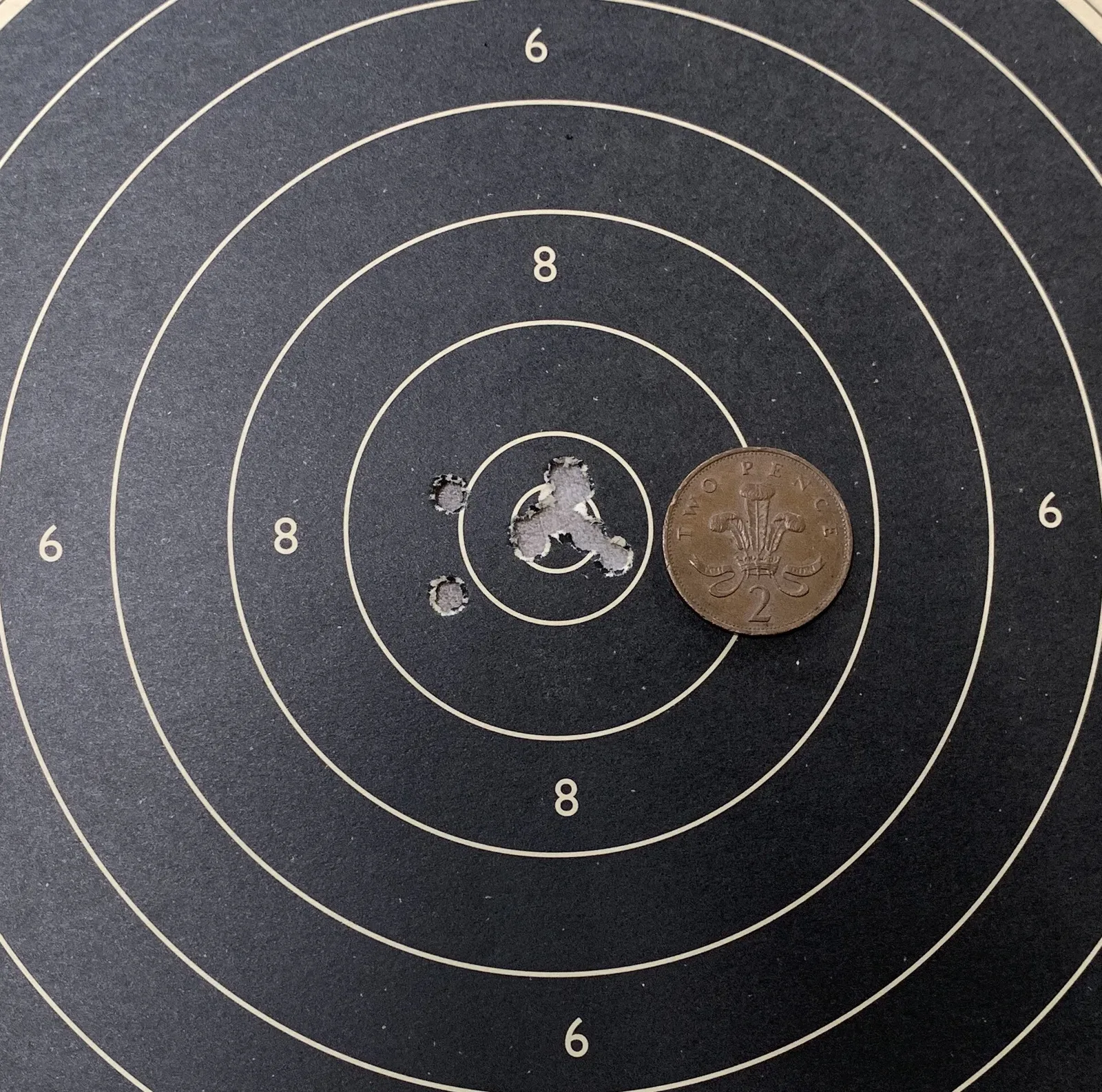
Target shooting has different requirements. You're not hauling the rifle up a mountain, so weight matters less than accuracy and ergonomics.
A heavy barrel helps here—it doesn't heat up as fast when you're running through boxes of ammunition.
General Purpose Considerations
General-purpose usually means "I'm not sure yet" or "I want to do several things." That's fine, but you'll want something in the middle ground—not too heavy, not too light, in a common caliber that won't break the bank every range trip.
Your first rifle needs to do one job really well, not ten jobs poorly.
Bolt Action vs. Semi-Autoedit
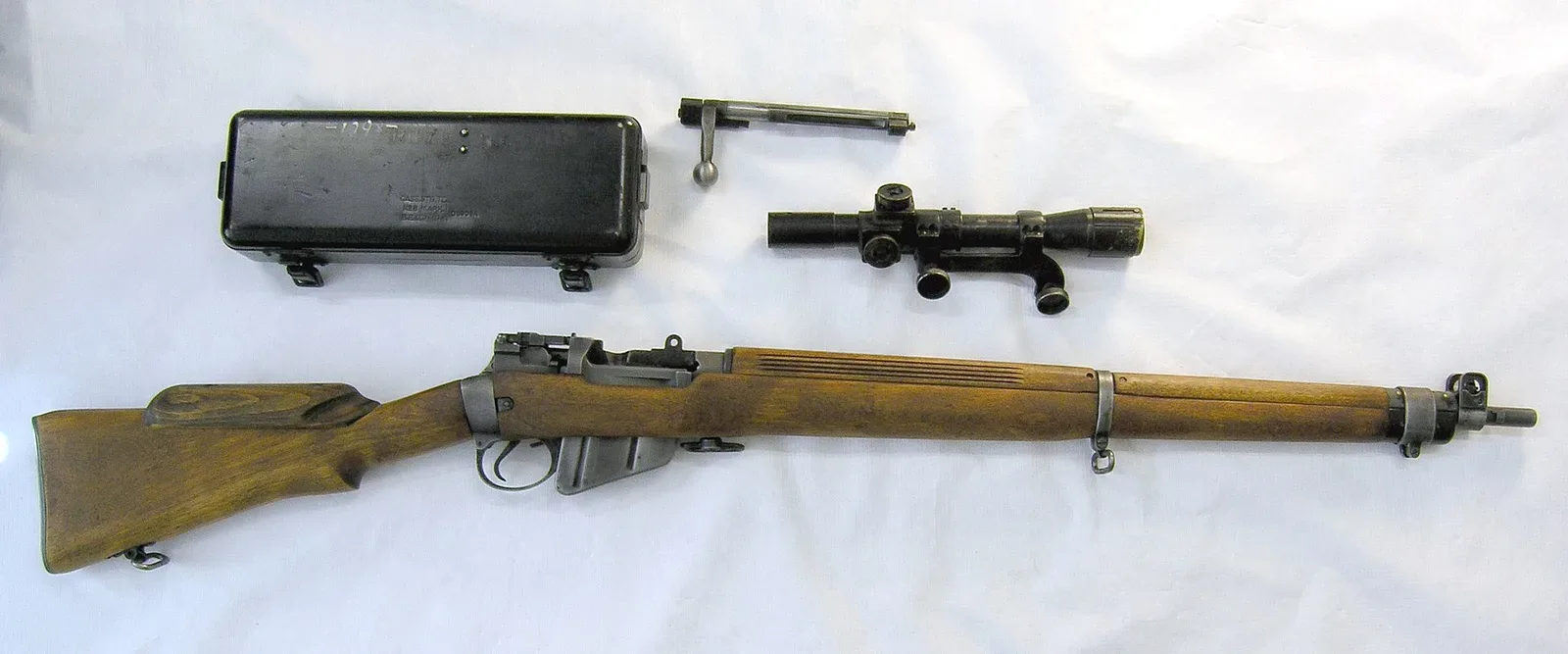
Bolt-action rifles are simpler, more reliable in cold weather (and we get cold weather), and generally more accurate at the price points most people start at.
They force you to slow down and make your shots count. For hunting Idaho big game, they're the standard for good reasons.
Semi-automatic rifles like the AR-15 platform have their place—varmint hunting where you need fast follow-up shots on prairie dogs, tactical training where the manual of arms transfers to other platforms, or defensive use where you want quick handling and high capacity.
Your first rifle should probably be a bolt action if you're primarily hunting. If you're target shooting or want a defensive rifle, the AR-15 platform makes sense. Don't overthink it.
Caliber Selectionedit
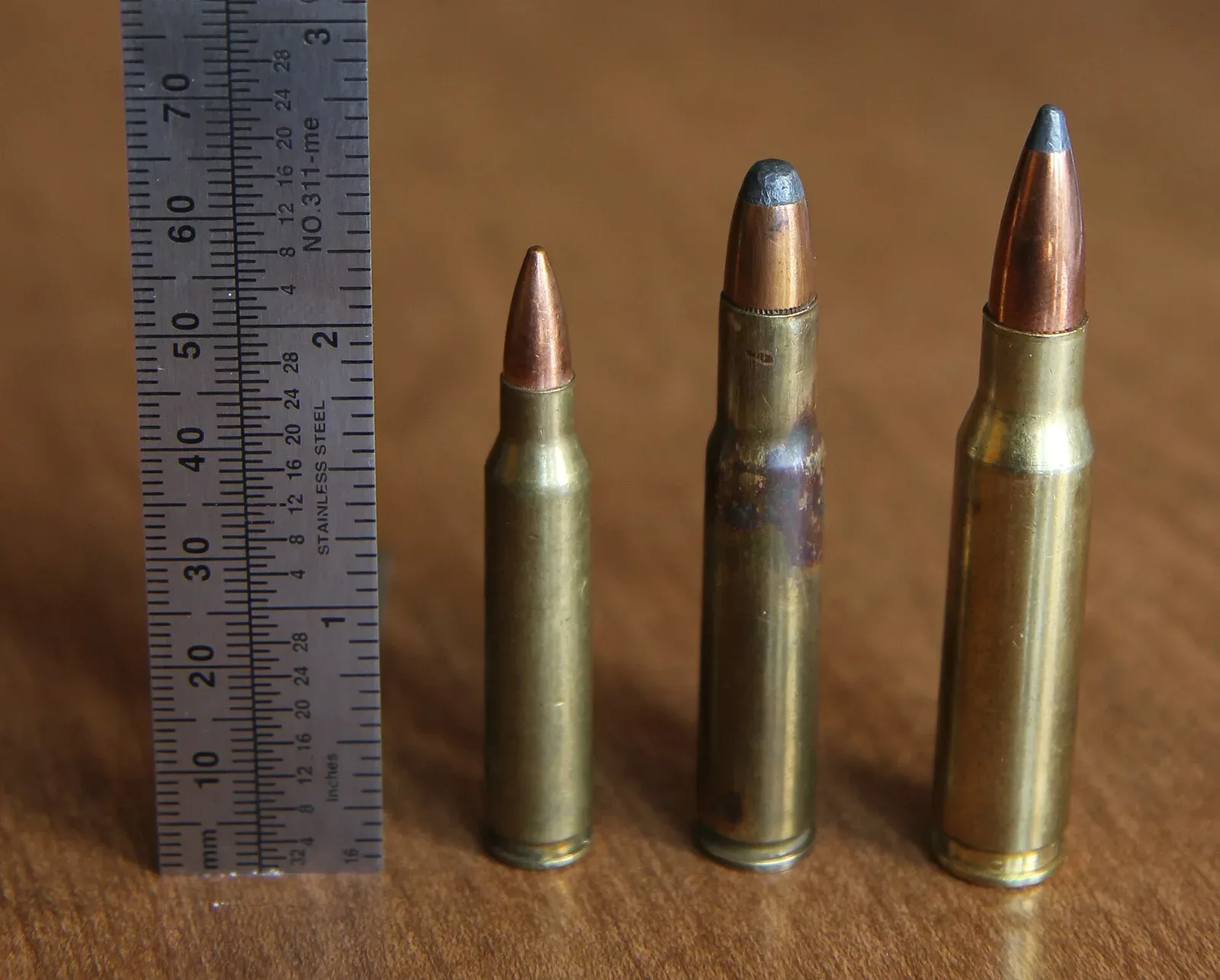
This is where people get weird—they overthink it, chase ballistic charts, and argue on internet forums instead of just picking something that works.
Popular Hunting Calibers
For Idaho big game hunting, .308 Winchester is hard to beat as a first rifle caliber. It's widely available, reasonably priced, effective on everything from whitetail to elk at realistic hunting distances, and doesn't beat you up.
The .30-06 does everything the .308 does with slightly more power and slightly more recoil.
| Caliber | Best Use | Recoil | Ammo Cost | Idaho Big Game |
|---|---|---|---|---|
| .308 Winchester | All-around hunting | Moderate | $$ | Excellent |
| .30-06 Springfield | All-around hunting | Moderate-Heavy | $$ | Excellent |
| 6.5 Creedmoor | Target/Light hunting | Light | $$$ | Good (marginal elk) |
| .270 Winchester | Hunting | Moderate | $$ | Excellent |
| 5.56 NATO/.223 | Target/Varmint | Light | $ | Poor (big game) |
The 6.5 Creedmoor has earned its popularity. It shoots flat, has manageable recoil, and the ballistics are genuinely good.
It's at the lighter end for elk—legal, effective with good bullets and shot placement, but not as much margin for error as a .308 or .30-06.
The .270 Winchester sits in the middle. It's been killing Idaho elk for decades. Your grandfather probably used one.
Target Shooting Options
If you're building an AR-15, 5.56 NATO/223 Remington is the default answer. Ammunition is cheap and available. For larger game, .308 Winchester AR-10 pattern rifles exist but cost more.
What to Avoid
Avoid magnums for your first rifle. The extra recoil teaches bad habits, and you don't need the extra velocity for anything you'll be doing starting out.
Action Types and Reliabilityedit
Modern bolt-action rifles are almost boringly reliable—the Remington 700 pattern, Savage 110, Ruger American, Tikka T3x all work when you do your part. The differences come down to trigger quality, how the bolt feels, and stock ergonomics.
- Remington 700 pattern
- Savage 110
- Ruger American
- Tikka T3x
Push-feed vs. controlled-round feed matters to some people. Controlled-round feed (like a Mauser action) mechanically grabs the cartridge from the magazine as you cycle the bolt. Push-feed actions (most modern rifles) push the round up and forward.
For what you're doing, either works fine. It's not 1912, and you're not in Tanzania. The Ruger American and Savage Axis series both use push-feed actions and have killed countless animals.
Reliability in modern rifles comes from proper maintenance and not dropping them off cliffs.
Stock Configuration and Fitedit
A rifle that doesn't fit you won't shoot well, no matter how accurate it is mechanically—and length of pull matters most.
A rifle that doesn't fit you won't shoot well, no matter how accurate it is mechanically.
If you're stretching or scrunching to get your face on the stock correctly, the rifle doesn't fit. Most adult rifles have a 13.5" to 14" length of pull. If you're smaller-framed or buying for someone who is, look for youth models or adjustable stocks.
Don't try to make it work if it doesn't fit. That's how people develop flinches.
Synthetic stocks are standard now—weather proof, practical, and cost effective. Wood looks nicer but that's about it. For your first rifle that'll see actual use, synthetic makes sense.
Stock design affects shootability more than people realize. A vertical grip angle works better for some shooting positions, and a decent recoil pad actually reduces felt recoil.
Barrel Length and Weightedit
| Barrel Length | Velocity Impact | Best Use | Handling |
|---|---|---|---|
| 16-18" | -100-150 fps | Mountain hunting | Excellent |
| 20-22" | Standard | General hunting | Good |
| 24"+ | +50-100 fps | Target shooting | Poor |
For hunting rifles, 20-22" barrels handle well in timber and brush while maintaining velocity—you lose about 25-50 fps per inch you cut off, which doesn't matter much until you get pretty short.
The trend toward 16-18" barrels for mountain rifles makes sense if you're doing real mountain hunting. They're handier and lighter.
Heavier barrels shoot more accurately, especially as they heat up. But you're carrying that weight. For a hunting rifle, standard "sporter" profile barrels balance weight and accuracy well enough.
Total rifle weight is a compromise. Seven to eight pounds bare (without scope and ammunition) works for general use. Lighter gets hard to shoot accurately offhand. Heavier gets old on long hikes—ounces equal pounds when you're at 8,000 feet.
Triggers Matteredit
Factory triggers on budget rifles have gotten significantly better—the Ruger American breaks cleanly around 3-4 pounds, the Savage AccuTrigger is adjustable, even the Mossberg Patriot has a decent trigger now.
A good trigger breaks like a glass rod—steady pressure, then a clean snap with no creep or mushiness. A bad trigger stages, creeps, and feels gritty. You can learn to shoot with a bad trigger, but you'll shoot better with a good one.
Most shooters want 2.5-4 pounds of pull weight for hunting. Too light risks firing before you intend to. Too heavy requires more pressure and pulls shots off target. The sweet spot is a clean break with deliberate pressure.
Many aftermarket triggers exist. Don't worry about them yet. Shoot what comes with the rifle first.
Budget Realityedit
Entry Level ($400-600)
You can get into a reliable hunting rifle for $400-600—the Ruger American, Savage Axis II, Mossberg Patriot, and Thompson/Center Compass all function properly at this price point. They won't have fancy features, but they'll shoot 1.5 MOA or better with ammunition they like.
Mid-Range ($700-1000)
The $700-1000 range gets you noticeably better triggers, smoother actions, and better fit and finish. The Tikka T3x sits here and is probably the best bang-for-buck hunting rifle available.
| Price Range | Examples | What You Get | Best For |
|---|---|---|---|
| $400-600 | Ruger American, Savage Axis II, Mossberg Patriot | Basic reliability, 1.5 MOA accuracy | Budget hunters |
| $700-1000 | Tikka T3x, Bergara B-14 | Better triggers, smoother actions | Most hunters |
| $1000+ | Premium models | Refinement, not capability | Enthusiasts |
Premium ($1000+)
Above $1000, you're paying for refinement, not capability. A $2000 rifle won't kill elk any deader than a $600 rifle.
It'll probably shoot slightly better groups and feel nicer to operate—whether that matters depends on your priorities and budget.
Budget for optics separately. You need them, and they should roughly match your rifle investment.
Where to Actually Buy Oneedit
Local gun shops let you handle rifles before buying—you can feel how the action cycles, how the stock fits, and whether you like how it shoulders. Price might be 10-20% higher than online, but you're getting service and the ability to return it if there's a problem.
Online retailers offer lower prices but you'll pay shipping and a transfer fee at your local FFL (usually $25-50). You can't handle the rifle first, but you can research extensively beforehand.
Used rifles are fine if they've been maintained. Check the bore with a light—you want crisp rifling, not erosion or pitting. Work the action. Make sure the trigger functions properly. If you don't know what to look for, bring someone who does.
Package Rifles vs. Bare Riflesedit
Many manufacturers sell package rifles with a scope included—these get you shooting faster, and the scopes are good enough for typical hunting ranges. The Savage Axis II with a scope runs around $500. That's a functional hunting setup.
The included scopes are budget models—usually 3-9x40mm variables with basic reticles. They work for typical hunting ranges but have limits in low light conditions and less precise adjustments than quality optics. You'll probably replace it eventually.
Buying the rifle and scope separately costs more upfront but gets you better optics from the start. That's a judgment call based on your budget.
Breaking It In and Learning Itedit
Initial Break-In
New rifles need a break-in period—most manufacturers recommend cleaning after the first few shots, then every 5-10 rounds for the first 50-100 rounds to smooth out machining marks in the bore.
Finding the Right Ammunition
Shoot different ammunition through it. Every rifle has preferences. My Tikka shoots Hornady loads better than Federal.
My friend's identical Tikka prefers Federal. You won't know until you try.
Start with 2-3 different quality hunting loads and see what groups best.
Practical Training
Learn your rifle's trajectory. Sight in at 200 yards (common for Idaho hunting), then test at 100, 300, and 400 yards. Write it down for field use.
Practice from field positions—sitting, kneeling, prone. Shooting from a bench is one skill. Shooting from a hasty rest while your heart's pounding is different.
What Doesn't Matter Yetedit
Don't worry about:
- Precision handloading
- Custom actions
- Carbon fiber stocks
- Match-grade barrels
These solve problems you don't have yet.
The latest wonder cartridge probably isn't that much better than cartridges that have been working for decades. Marketing is loud. Dead animals are quiet.
Actually Making the Decisionedit
Go handle rifles—see what fits and what doesn't. That eliminates half your options immediately.
Pick a caliber based on what you'll primarily do. .308 or .30-06 for big game hunting. 6.5 Creedmoor if recoil sensitivity is a concern. 5.56 NATO if you're building an AR-15.
Set a realistic budget including optics. A $600 rifle with a $400 scope makes more sense than a $1000 rifle with no glass.
The rifle you'll actually practice with enough to become competent matters more than any other factor—and your first rifle won't be your last rifle anyway.
Buy it, learn it, shoot it a lot.
See Alsoedit
- R&R Sports & Outdoors(Brandon, FL)
- Cash America Pawn(BRYAN, TX)
- Bi-mart - Yakima (Fruitvale Ave)(Yakima, WA)
- Gls Guns(Sumner, IA)
Loading comments...