—————
10 min read · Updated May 25, 2026
01 // OVERVIEW
#01
Ruger at a Glance
Market presence and reach
Products In Stock
0
Retailers
0
Categories
0
02 // PRODUCTS
#02
Ruger Products
Top products compared across 709 retailers
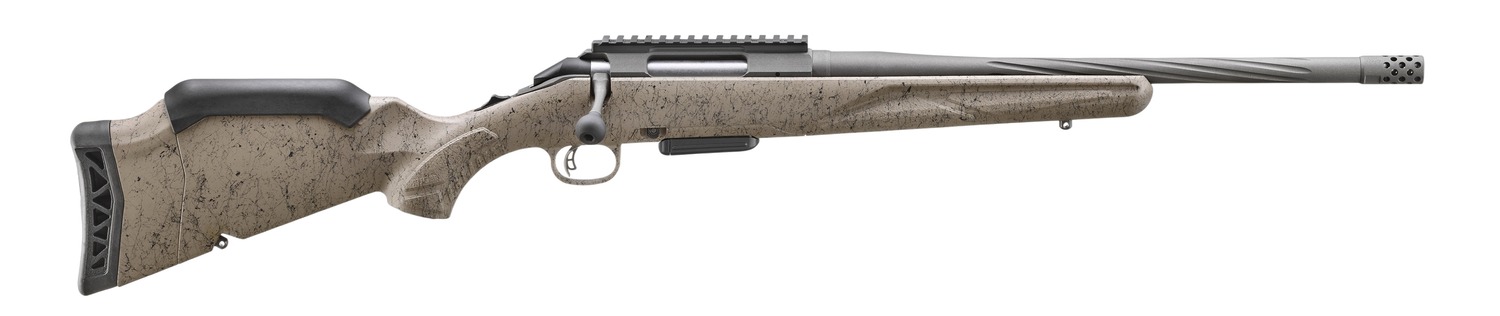
Rug 46992 Amer II Rnch 350L Cobalt
$528– $672
82 retailers
firearms
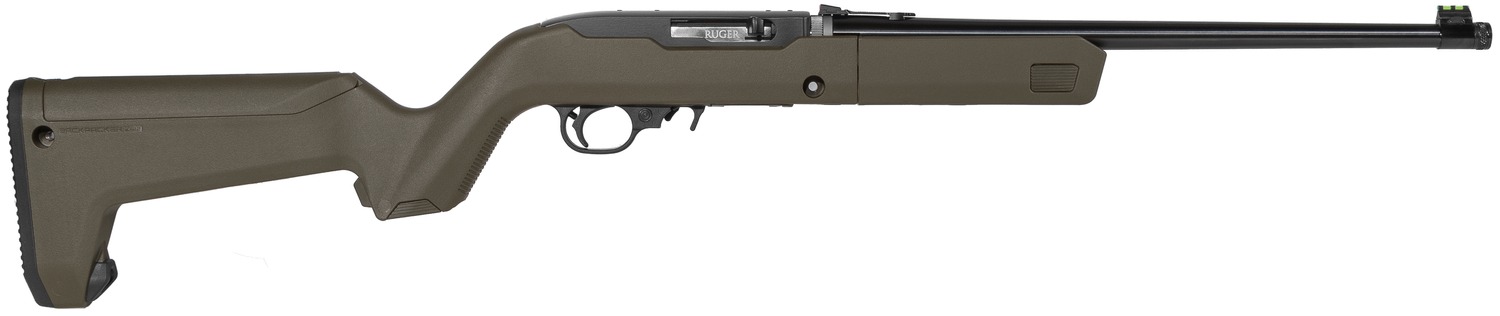
Rug 32013 10/22TDTX22 Bx Trig ODG
$377– $477
72 retailers
firearms
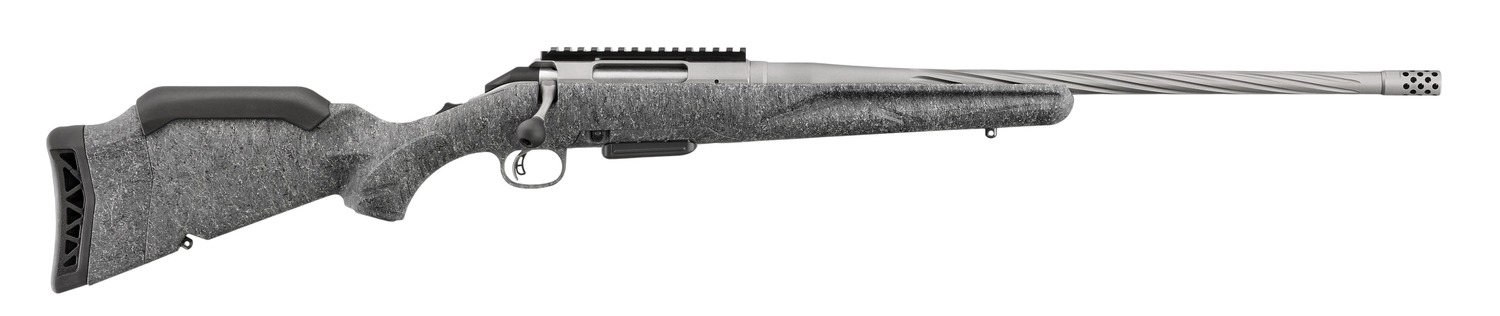
Rug 46991 Amer II 350L Gnmtlgry
$528– $687
64 retailers
firearms
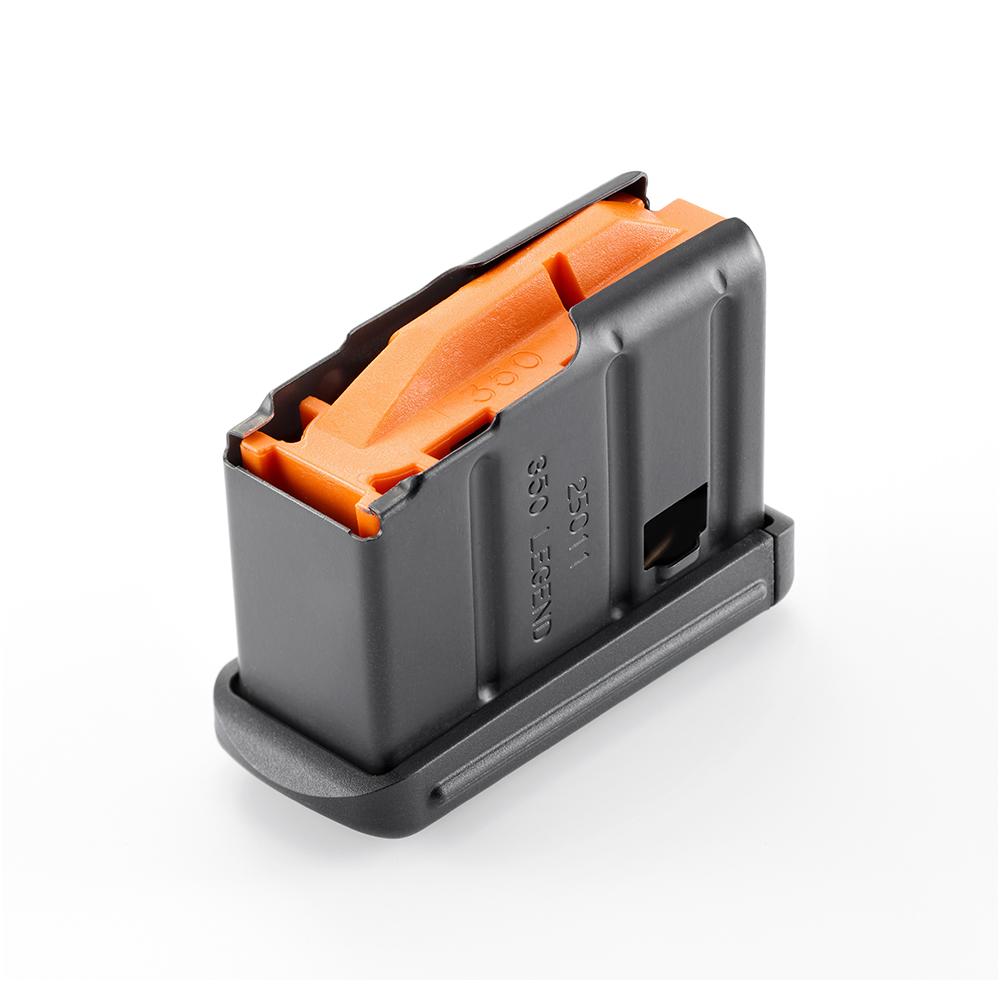
Ruger American Rifle Magazine .223 Rem 5/rd
$25– $37
63 retailers
magazines
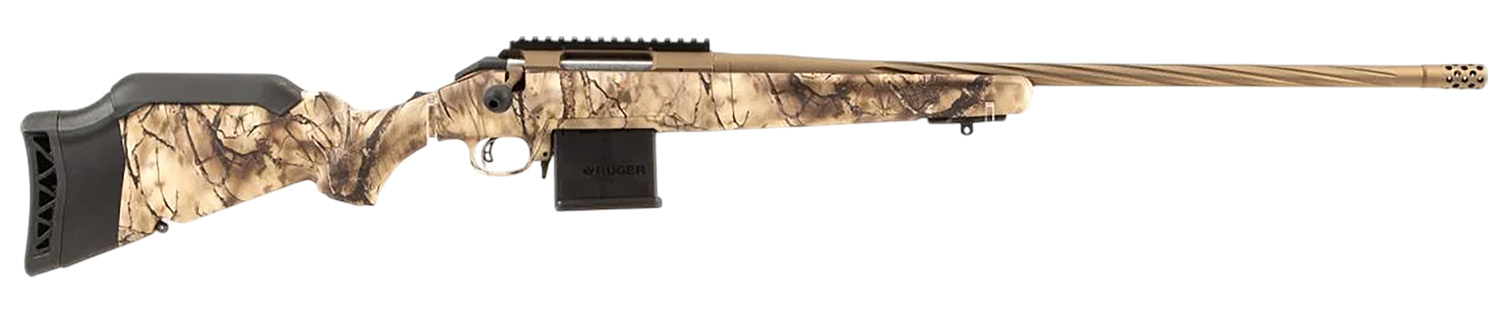
Rug 46990 Amer2-ph 204R 22 10R Brntbrz
$451– $584
59 retailers
firearms
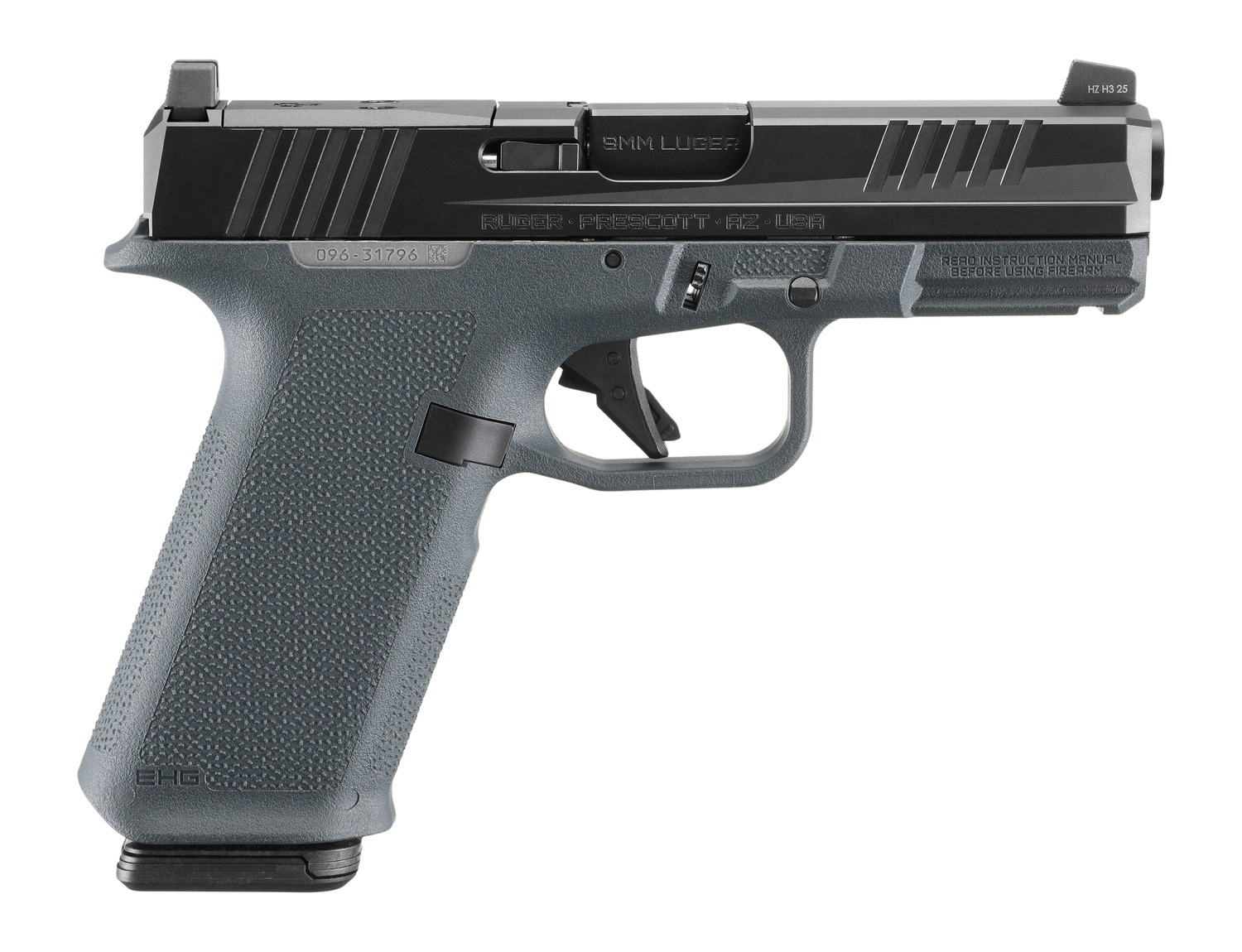
Rug 19441 Rxm 9MM 4 Stlthgry 17R
$367– $464
55 retailers
firearms
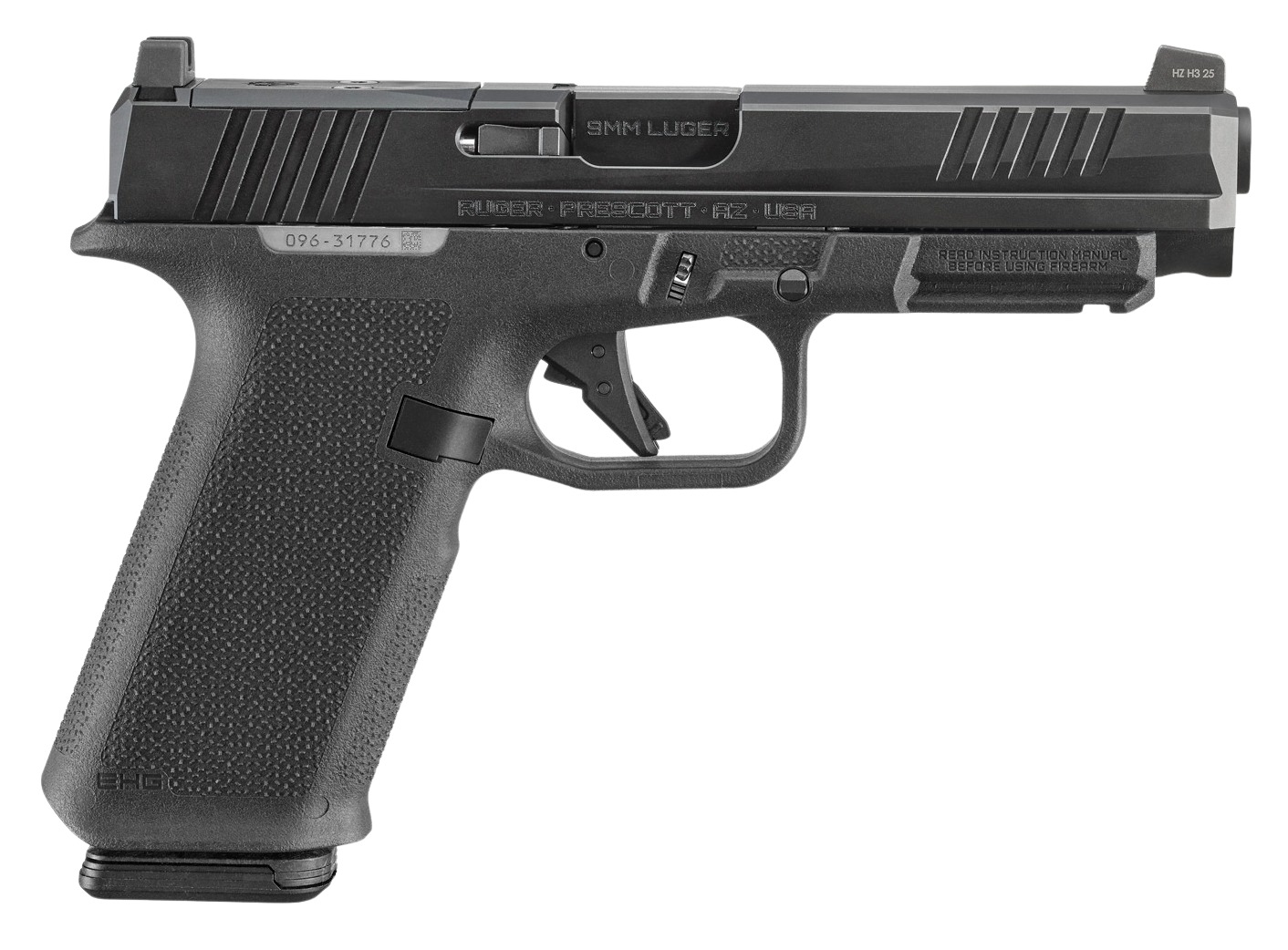
Rug 19444 Rxm 9MM 4.5 BLK 17R
$367– $467
49 retailers
firearms
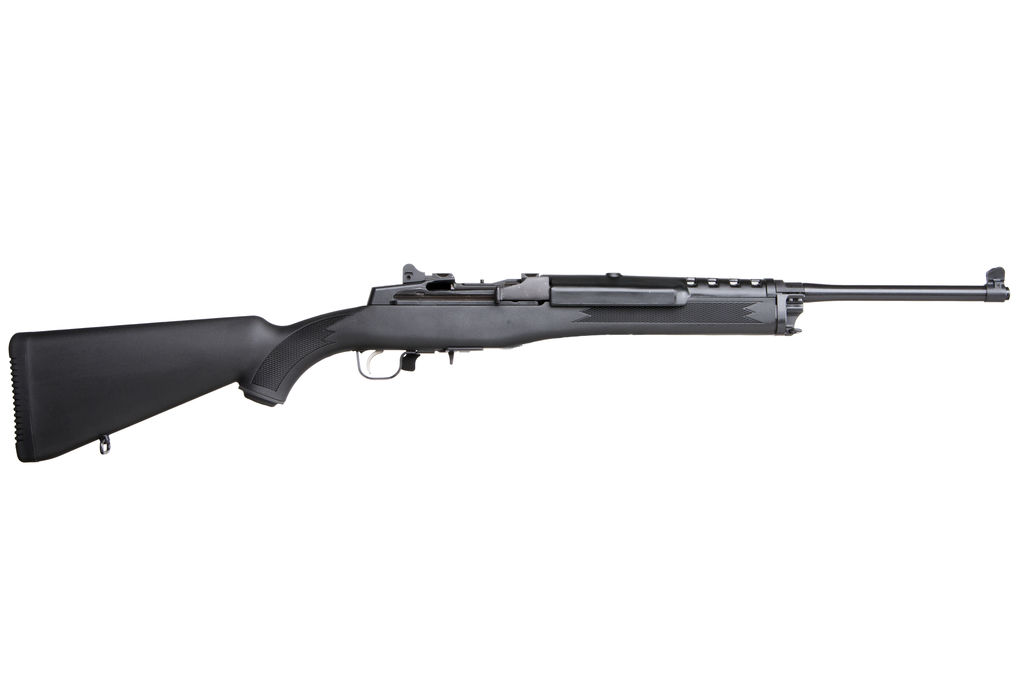
Rug Mini-14 Cmpct 300BLK B 5R
$894– $1,146
49 retailers
firearms

Rug S Wrgl 22LR/22M 4.62 A250
$246– $443
45 retailers
firearms
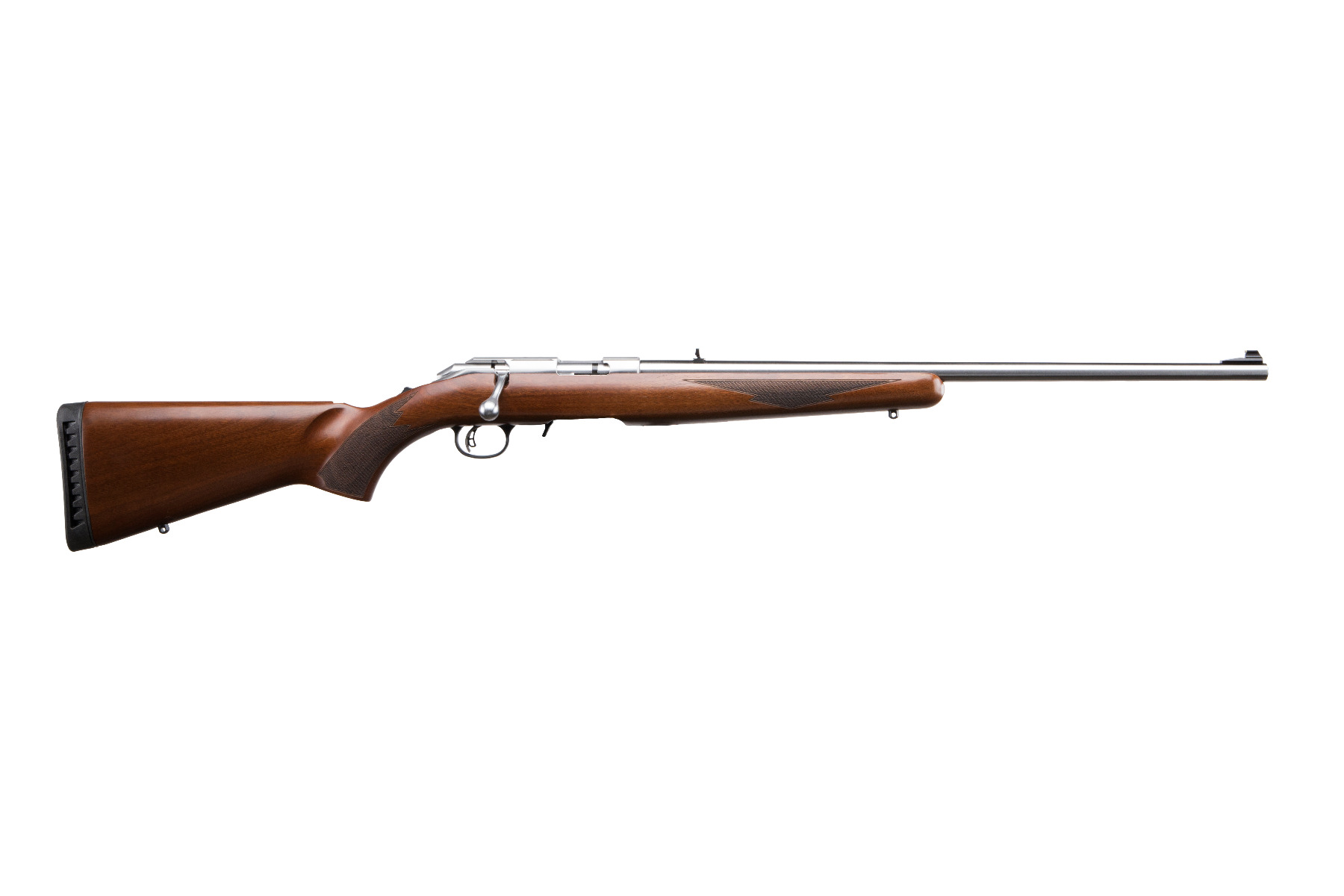
Rug Am Rfl 22M 9R SS Wal Tl
$469– $615
44 retailers
firearms

Ruger American Rifle Magazine .350 Legend 5/rd
$26– $44
42 retailers
magazines

Rug Mkiv 2245 Lt 22 4.4 Red DE
$540– $696
42 retailers
firearms
03 // # RUGER
#03
# Ruger
Ruger — # ruger
Sturm, Ruger & Co. is one of the largest American firearms manufacturers, publicly traded on the NYSE (RGR), producing over two million firearms annually. Founded in 1949 by William B. Ruger and Alexander McCormick Sturm in Southport, Connecticut, the company manufactures pistols, revolvers, rifles, and shotguns across virtually every category.
Bill Ruger had a genius for designing guns that worked reliably and could be manufactured affordably. His investment casting process revolutionized how firearms are made -- you can create complex internal shapes that would be impossible or expensive with traditional machining. That's why Ruger can sell you a GP100 revolver that's built like a tank for $750 while other companies charge twice that.
Ruger covers more bases for less money than any other manufacturer -- they make the gun most people actually buy in every major category, not the fancy one most people can't afford.
The company went through some rough patches. Alex Sturm died in 1951 at just 28 years old, leaving Ruger to run things solo. Then in the 1990s, Bill Ruger supported magazine capacity limits, which led to boycotts from the gun community. After Ruger died in 2002, new leadership rebuilt those relationships. Today Ruger operates factories in New Hampshire, North Carolina, and Arizona.
04 // PRODUCTS
#04
Product Lines
Ruger — product lines
- •Ruger's complete product line structure across four main categories
#01
Rimfire Foundation
The 10/22 and Mark IV series are what built Ruger's reputation. The 10/22 launched in 1964 and became one of the most successful rifles ever made. Not because it was revolutionary -- because it was simple, reliable, and affordable. Ruger got the basics right: a rotary magazine that feeds .22 LR reliably, a modular design that's easy to manufacture and modify, and a price point that makes it accessible.
| Model | Type | Caliber | Price | Notes |
|---|---|---|---|---|
| 10/22 | Semi-auto rifle | .22 LR | ~$280-$450 | Most popular .22 rifle ever; massive aftermarket |
| 10/22 Takedown | Semi-auto rifle (compact) | .22 LR | ~$400-$500 | Breaks down for transport; backpack gun |
| Mark IV | Semi-auto pistol | .22 LR | ~$300-$600 | One-button takedown; 75-year lineage |
| Wrangler | SA revolver | .22 LR | ~$200 | Budget single-action; western style |
The Mark IV finally solved the biggest problem with Ruger .22 pistols -- takedown. The Mark I, II, and III were notorious for being nearly impossible to reassemble after cleaning. You needed a degree in mechanical engineering and the patience of Job.
The Mark IV's one-button takedown fixed that completely.
#02
Centerfire Handguns
Ruger's centerfire pistol lineup covers the practical bases without trying to be everything to everyone. The Security-9 competes with Glock and Smith & Wesson at a lower price point. The MAX-9 is their answer to the Sig P365 micro-compact trend.
| Model | Type | Caliber | Price | Strength |
|---|---|---|---|---|
| Security-9 | Striker-fired | 9mm | ~$350-$400 | Budget home defense / carry |
| MAX-9 | Micro-compact | 9mm | ~$400-$450 | Deep concealment; 12+1 capacity |
| LCP MAX | Pocket pistol | .380 ACP | ~$350 | True pocket gun; 10+1 |
| SR1911 | 1911 | .45 ACP / 9mm | ~$800-$1,000 | Affordable 1911 with Ruger reliability |
| Ruger-57 | Full-size | 5.7x28mm | ~$700 | Budget alternative to FN Five-seveN |
The Ruger-57 deserves special mention -- it brings 5.7x28mm to a much lower price point than FN's pistols. Whether you need that cartridge is debatable, but if you want it, Ruger makes it affordable.
#03
Revolvers That Don't Break
This is where Ruger really shines. Bill Ruger overbuilt his revolvers because he understood that people expect them to last forever. The GP100 has a reputation for being indestructible -- you'll see guys at the range with GP100s that have 50,000+ rounds through them and still run perfectly.
| Model | Frame | Caliber | Price | Best For |
|---|---|---|---|---|
| GP100 | Medium-large | .357 Mag | ~$700-$800 | Tank-like durability; the revolver that never breaks |
| SP101 | Compact | .357 Mag | ~$650-$750 | Carry .357; built like a vault |
| LCR | Ultralight | .38/.357/.327 | ~$500-$600 | Polymer frame; smoothest DA trigger |
| Super Redhawk | Large | .44 Mag / .454 Casull | ~$1,000-$1,200 | Hunting revolver; scope-ready |
| Blackhawk | Single-action | .357/.44/.45 | ~$600-$700 | Classic SA; transfer bar safety |
The LCR is interesting -- it uses a polymer frame to cut weight but keeps the fire control parts traditional. The result is the smoothest double-action trigger in its price range. Most people expect lightweight revolvers to have terrible triggers, but Ruger figured out how to make it work.
#04
Centerfire Rifles
Ruger's rifle lineup spans from budget hunting rifles to precision chassis guns. The American Rifle might be the most underrated hunting rifle made today -- for around $500, you get an adjustable trigger and accuracy that competes with rifles costing twice as much.
| Model | Type | Caliber Range | Price | Strength |
|---|---|---|---|---|
| American Rifle | Bolt-action | .22-250 to .450 BM | ~$450-$600 | Budget hunting rifle; adjustable trigger |
| American Predator | Bolt-action | 6.5 CM, .308, etc. | ~$500-$550 | Budget precision; threaded barrel |
| Precision Rifle (RPR) | Chassis bolt-action | 6.5 CM, .308, .300 WM | ~$1,400-$1,600 | Budget PRS entry; folding stock |
| Mini-14 | Semi-auto | .223/5.56 | ~$900-$1,000 | M14-style; wood or tactical |
| PC Carbine | Pistol-caliber carbine | 9mm / .40 | ~$600-$700 | Takes Glock or Ruger mags; takedown |
| LC Carbine | Pistol-caliber carbine | 5.7x28mm | ~$700 | Shares mags with Ruger-57 |
The Ruger Precision Rifle (RPR) deserves credit for democratizing precision shooting. Before the RPR, getting into PRS-style competition meant spending $3,000+ on a custom rifle. Ruger brought that down to under $1,500 without sacrificing the features that matter -- adjustable stock, good trigger, accurate barrel, modular chassis.
The Mini-14 is love-it-or-hate-it. Some rifles shoot great, others are mediocre. It's the AR-15 alternative for states with restrictions, but quality control can be inconsistent.
05 // MANUFACTUR
#05
Manufacturing Innovation
Ruger — manufacturing innovation
Ruger's real innovation isn't in individual gun designs -- it's in manufacturing processes that let them build reliable firearms at lower costs.
#01
Investment Casting Revolution
- •How Ruger's investment casting process reduces costs while improving strength
Investment casting was Ruger's breakthrough technology. Instead of machining parts from solid steel bars, you pour molten steel into precise molds. This creates complex internal geometries that would be impossible to machine, while using less material and labor. That's why a GP100 has such a robust internal frame -- those curved reinforcements would cost a fortune to machine traditionally.
| Technology | Benefit | Used In | Cost Impact |
|---|---|---|---|
| Investment casting | Complex internal shapes | GP100, Security-9, most frames | 30-40% cost reduction |
| Transfer bar safety | Drop-safe operation | All Ruger revolvers | Minimal cost increase |
| Modular design | Easy manufacturing/upgrades | 10/22, Mark IV, RPR | Lower assembly costs |
| Polymer integration | Weight reduction | LCR frame, LCP | Material cost savings |
#02
Safety Systems
The transfer bar safety system appears in all Ruger revolvers. It prevents accidental discharge if the gun is dropped, while maintaining the traditional single-action and double-action operation. You get modern safety with classic revolver feel.
06 // WHAT PEOPL
#06
What People Actually Think
Ruger — what people actually think
Ruger occupies a unique position -- they're the manufacturer that serious shooters recommend to new shooters, even if those same serious shooters own fancier guns themselves.
#01
The Default Recommendation
Walk into any gun store and ask about a first .22 rifle. Nine times out of ten, they'll point you toward a 10/22. Not because it's fancy -- because it works, it's affordable, and if you want to upgrade later, there's an aftermarket ecosystem that rivals the AR-15. You can turn a basic 10/22 into a precision trainer, a suppressor host, or a competition rifle.
The revolver community treats GP100s and SP101s as the standard for durability. These aren't collector pieces or safe queens -- they're the revolvers you actually shoot. A lot. The GP100 in particular has a reputation for digesting unlimited amounts of .357 Magnum without loosening up.
#02
Customer Service Reality
Ruger's customer service gets consistent praise. They actually answer the phone, they fix things quickly, and they don't charge for repairs on manufacturing defects. In an industry where some companies treat customer service as an afterthought, Ruger makes it a priority.
- •They actually answer the phone
- •They fix things quickly
- •They don't charge for manufacturing defects
07 // COMMON CRI
#07
Common Criticisms
Ruger — common criticisms
#01
Fit and Finish Issues
Nobody's perfect, and Ruger has some consistent weak points. Fit and finish is utilitarian -- you'll see tool marks and rough edges on budget models that more expensive manufacturers would polish out. If you want Wilson Combat-level refinement, you're looking at the wrong company.
- •Tool marks visible on budget models
- •Rough edges that competitors would polish
- •Utilitarian rather than refined appearance
#02
Performance Limitations
Factory triggers range from adequate to good, but rarely great. The RPR trigger is an exception -- it's genuinely excellent. Most Ruger triggers will benefit from aftermarket upgrades or professional work.
The Mini-14 has accuracy consistency issues. Some shoot sub-MOA, others struggle to hit 2-3 MOA. It's a lottery, and for the price, that's frustrating.
| Issue | Models Affected | Severity | Workaround |
|---|---|---|---|
| Utilitarian finish | Budget models | Cosmetic | Accept or upgrade |
| Average triggers | Most models | Performance | Aftermarket trigger |
| Mini-14 accuracy | Mini-14 only | Significant | Test before buying |
| Magazine ban history | Company-wide | Legacy perception | Time/new leadership |
#03
Legacy Baggage
Some old-timers still hold grudges over Bill Ruger's 1990s comments supporting magazine capacity limits. The current company has moved away from those positions, but memories are long in the gun community.
08 // BUYING GUI
#08
Buying Guide
Ruger — buying guide
Ruger is the safe choice in almost every category -- you're getting proven reliability at a fair price, even if you're not getting the absolute fanciest option available.
#01
Safe Choices
For your first rifle, get a 10/22. For your first .22 pistol, get a Mark IV. For budget hunting, get an American Rifle. For an indestructible revolver, get a GP100. For budget precision shooting, get an RPR. These aren't exotic choices -- they're default recommendations because they work.
| Purpose | Ruger Recommendation | Price Range | Why This One |
|---|---|---|---|
| First rifle | 10/22 | $280-$450 | Reliable, affordable, huge aftermarket |
| First .22 pistol | Mark IV | $300-$600 | Easy takedown, proven design |
| Budget hunting | American Rifle | $450-$600 | Adjustable trigger, accurate |
| Carry revolver | SP101 | $650-$750 | Compact .357, indestructible |
| Home defense revolver | GP100 | $700-$800 | Tank-like durability |
| Precision shooting | RPR | $1,400-$1,600 | Budget PRS entry point |
#02
One-Brand Arsenal
If you can only own guns from one manufacturer, Ruger covers more bases than anyone else. You could build a complete battery -- rimfire trainer, hunting rifle, precision rifle, carry gun, home defense revolver -- entirely from Ruger products and never feel undergunned.
- •Decision tree for choosing your first Ruger firearm by intended use
09 // THE BGC TA
#09
The BGC Take
Ruger — the bgc take
Ruger is the Toyota of the gun world, and I mean that as high praise. They build reliable, affordable, well-engineered firearms that regular people can actually afford. The 10/22 has taught more Americans to shoot than any other rifle. The GP100 is the revolver that just won't quit. The American Rifle punches way above its price point for hunters on a budget.
Gun snobs dismiss Ruger because they don't make the fanciest anything. But they make the smartest version of almost everything at the price where normal people buy.
When someone asks me what gun to get for [insert purpose here], the answer is often a Ruger -- not because it's the absolute apex of that category, but because it's the right combination of reliability, capability, and value.
The aftermarket support for Ruger products is incredible. The 10/22 has more accessories available than most AR-15s. You can buy a basic 10/22 for $280 and gradually upgrade it into whatever you want -- target rifle, survival gun, suppressor host, competition machine. Few manufacturers inspire that kind of ecosystem.
Ruger's customer service actually works. They answer the phone, they fix things fast, and they don't charge you for their mistakes. In 2024, that's noteworthy.
If you want to impress people at the fancy gun club, buy something else. If you want guns that work when you need them to work, buy Ruger.
10 // STANDARDS
#10
Industry Standards
SAAMI membership and compliance
SAAMI Member
Ruger is a member of SAAMI (Sporting Arms and Ammunition Manufacturers' Institute), the organization that creates and publishes industry standards for safety, interchangeability, reliability, and quality. SAAMI membership indicates compliance with voluntary industry standards for firearms and ammunition manufacturing.
Loading comments...